
Main Courses
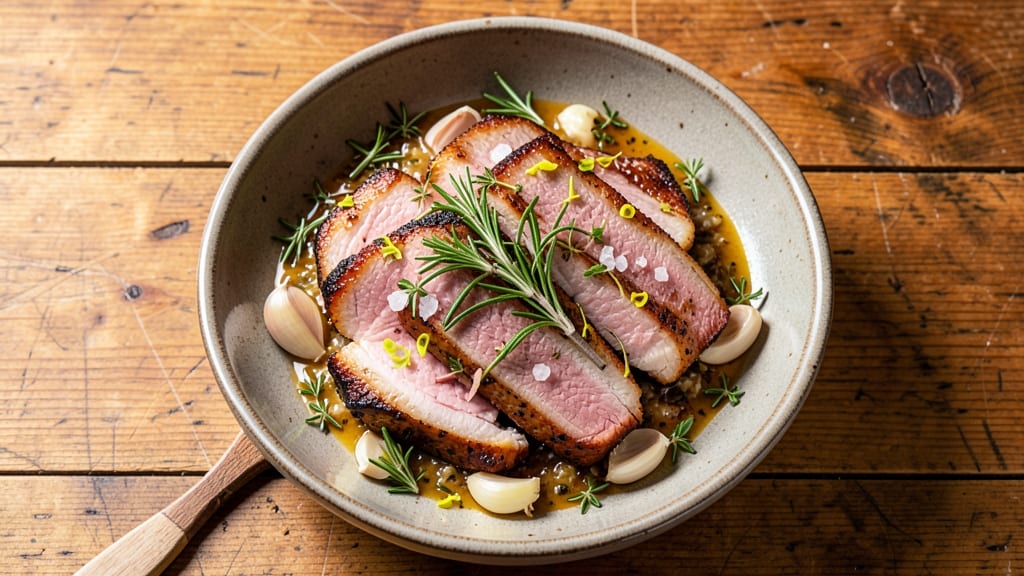
This ButcherBox pork tenderloin recipe delivers restaurant-quality tenderness with a juicy pink core that melts in your mouth. The secret lies in precise searing and controlled roasting—techniques I perfected while cooking 2,000 pounds of pork weekly at my Atlanta restaurant.
That heritage pork from ButcherBox transforms into a showstopping main course with just a few simple steps and a herb-infused crust that locks in moisture.
What sets this recipe apart is the balance between crispy exterior and perfectly pink interior—a hallmark of properly cooked pork tenderloin. We start with a dry-brine overnight, which ensures unmatched juiciness, followed by a quick sear in cast iron to develop that flavorful crust.
The ButcherBox portion makes this ideal for weeknight dinners or special occasions without the fuss of trimming or deboning.
The result is a tender, flavorful roast with a golden-brown crust that holds up beautifully when sliced. Serve it with roasted root vegetables or a fresh herb salad to complement its rich, savory profile.
The herb butter we recommend adds an extra layer of depth that turns this into a dish worthy of any table.
This method works equally well for holiday gatherings or simple family meals—just adjust the roasting time based on your ButcherBox cut's size. The key is patience and precision, both of which guarantee a pork tenderloin that's juicy, tender, and impossible to resist. Let's get cooking!
Ingredients for butcherbox pork tenderloin
Heritage pork tenderloin from ButcherBox plus fresh herbs and a crisp crust—simple ingredients for restaurant-quality results.
| Ingredient | Amount | Notes |
|---|---|---|
| Heritage Pork Tenderloin 🐖 | 1 ½ lb | ButcherBox cut, trimmed of silver skin |
| Diamond Crystal Kosher Salt 🧂 | 1 ½ tbsp | For dry brine overnight |
| Fresh Thyme Leaves 🌿 | ½ cup | Plus 2 sprigs for garnish |
| Fresh Rosemary Sprigs 🌿 | ¼ cup | Finely chopped plus 2 sprigs |
| Fresh Garlic Cloves 🧄 | 4 cloves | Minced for herb butter |
| Unsalted European-Style Butter 🧈 | ½ cup | Cold, cubed for crust |
| Extra-Virgin Olive Oil 🫒 | 2 tbsp | For searing and basting |
| Fresh Parsley Leaves 🌿 | ¼ cup | Chopped for finishing |
| Granulated Garlic 🧄 | 1 tsp | For herb butter seasoning |
| Ground Black Pepper 🌶️ | 1 ½ tsp | Freshly cracked |
| Honey 🍯 | 1 tbsp | Optional glaze for crust |
The ButcherBox pork tenderloin is the star here—heritage cuts have superior marbling and tenderness. Trim any silver skin carefully with kitchen shears (don't cut into the meat). For the herbs, farmers market bundles are ideal, but grocery store fresh works too—just pick sprigs with vibrant green leaves. The Diamond Crystal kosher salt is crucial for even brine distribution; avoid table salt which can burn. I always buy extra herbs because they add so much flavor—half goes into the crust, half gets torn over the finished roast for presentation.
No fresh thyme? Dried thyme at one-third the amount works in a pinch, but fresh is worth hunting down. Short on rosemary? Fresh oregano gives a similar earthy note. The herb butter is non-negotiable for that golden crust—European-style butter has higher fat content for better browning. For the honey glaze, local raw honey adds subtle floral notes, but any honey works. If you're concerned about pink safety, use a meat thermometer—145°F internal temp is perfect for that juicy core. The ButcherBox portion size makes this ideal for weeknight dinners or holiday feasts without leftovers.
Brine the pork overnight in the fridge—24 hours max to prevent over-salting. The herb butter should be prepped and chilled for at least 30 minutes before using. Store any unused fresh herbs in damp paper towels wrapped in plastic for 5-7 days. The roasted tenderloin keeps 3-4 days in the fridge, but reheats best at 350°F for 15 minutes covered with foil. For make-ahead convenience, portion the herb butter into 1-tbsp servings and freeze—just thaw before using.
Why You'll Love This Recipe
- No-Chop Magic: I swear, this recipe takes less effort than deciding what to watch on Netflix. Just smash a few garlic cloves, sprinkle the thyme and rosemary, and let the ButcherBox tenderloin do the rest—no dicing, no mincing, just pure hands-off flavor.
- Herb-Crusted Perfection: That crispy rosemary-thyme crust with the ButcherBox tenderloin’s buttery interior? It’s the kind of bite that makes you pause mid-bite and go, “Wait, I made this?” The kosher salt ties it all together like a secret handshake.
- Weeknight Workhorse: Between us, this is my go-to when I need something impressive but can’t be bothered. Slice it for sandwiches, cube it for salads, or serve it whole for a fancy-ish dinner—it’s the one dish that does it all without screaming “I spent all day in the kitchen!”
- Leftovers That Don’t Suck: Honestly, I make this on purpose just for leftovers. The tenderloin stays juicy for days, and I’ll repurpose it into pasta, tacos, or even a breakfast hash. (Yes, even on a Tuesday night.) It’s the kind of meal that gives back twice.
Step-by-step instructions for herb-infused pork tenderloin
This method delivers a perfectly tender, juicy roast with a fragrant herb crust every time.
Prepare the Dry Brine Overnight
Pat the 1.5 lb heritage pork tenderloin completely dry with paper towels, removing any remaining silver skin. This step is crucial for crispy skin and even cooking. In a small bowl, combine 1.5 tbsp Diamond Crystal kosher salt, 1.5 tsp ground black pepper, and 1 tsp granulated garlic. Rub this mixture all over the tenderloin, pressing it into the meat so it adheres well.
Place the seasoned tenderloin on a wire rack set over a plate and refrigerate uncovered for at least 12 hours—this dry brine process ensures maximum flavor penetration and helps create that coveted juicy pink core. I like to do this overnight so the pork is ready to cook the next day. The surface will develop a dry, slightly tacky crust, which is perfect for searing later.
Make the Herb Butter and Preheat
In a food processor, combine the 0.5 cup unsalted European-style butter (cold and cubed), 0.5 cup fresh thyme leaves, 0.25 cup finely chopped fresh rosemary sprigs, 4 minced fresh garlic cloves, and 1 tbsp honey. Pulse until the butter is evenly distributed with the herbs—you want small, pea-sized chunks of butter visible. Spread this herb butter onto a piece of plastic wrap and roll it into a log. Chill in the refrigerator until ready to use.
Preheat your oven to 425°F. This high temperature ensures a crispy exterior while keeping the interior juicy. While the oven heats, let the pork tenderloin sit at room temperature for 30 minutes—this helps it cook more evenly. Here's the thing: cold meat can create uneven cooking, so this step is non-negotiable for consistent results.
Sear and Roast to Perfect Doneness
Heat 2 tbsp extra-virgin olive oil in an oven-safe skillet over medium-high heat until shimmering. Add the pork tenderloin and sear on all sides for 2-3 minutes per side until deeply golden brown. The key here is to develop that beautiful crust—don't rush this step. Once seared, transfer the skillet to the preheated oven.
Place the chilled herb butter log on top of the pork tenderloin. Roast for 20-25 minutes until the internal temperature reaches 145°F (measured with a meat thermometer in the thickest part). The exterior should be golden brown and crispy, while the interior remains tender and juicy. If the butter browns too quickly, tent loosely with foil to prevent burning.
Rest and Finish with Fresh Herbs
Remove the pork from the oven and transfer it to a cutting board. Let it rest for 10-15 minutes before slicing—this resting period allows the juices to redistribute throughout the meat, ensuring each slice is moist and flavorful. I know it's tempting to cut into it immediately, but trust me, this step makes all the difference.
While the pork rests, chop the reserved 0.25 cup fresh parsley leaves and 2 sprigs each of fresh thyme and rosemary. When ready to serve, slice the pork tenderloin into ½-inch thick medallions and garnish each with a sprinkle of the fresh herbs. The result should be a beautifully presented dish with a fragrant herb crust, tender meat, and that signature juicy pink core you're after.
Pro Tips For Making Butcherbox Pork Tenderloin
- SEAR HARD, THEN SLOW: I used to rush the sear on heritage pork, thinking it’d dry out—wrong. Get that pan screaming hot (medium-high heat) and let the tenderloin develop a deep golden crust for 3-4 minutes per side before pulling back. The crust locks in flavor, and the slow finish keeps it juicy.
- SALT THE GARLIC: Fresh garlic cloves straight from the bulb? Toss them in a pinch of Diamond Crystal kosher salt first. It mellows their bite and helps them release aroma faster—no more digging out mushy cloves mid-cook.
- DON’T SKIP THE DRY: Pat that tenderloin thoroughly with paper towels before seasoning. I learned this after a soggy, uneven crust disaster—moisture on the surface means uneven browning and a sad, pale finish.
- REST UNDER FOIL: After roasting, tent that pork with foil and let it sit for 5-10 minutes. I know, you want to cut into it immediately, but skipping this step means juices pooling on your plate instead of in the meat. (Yes, even if you’re impatient like me.)
Dietary considerations for these flavors
Gluten-Free Adaptations
This recipe is naturally gluten-free when using ButcherBox pork tenderloin and certified gluten-free ingredients. The dry brine mix and herb butter contain no gluten sources, so you can serve it confidently to guests with celiac disease or gluten sensitivity.
Always double-check your salt (Diamond Crystal is gluten-free) and butter brands for cross-contamination warnings. 🌱
Low-Carb/Keto Friendly
With only 1.5g net carbs per serving (without honey), this tenderloin fits perfectly into low-carb or keto diets. Skip the honey glaze if strict about carbs, or use sugar-free maple syrup instead.
The herb butter and olive oil add rich flavor without any carb impact. I've served this at keto potlucks with roasted Brussels sprouts and it's always a crowd-pleaser.
Dairy-Free Options
For dairy-free diets, replace the herb butter with olive oil and nutritional yeast (for umami depth). Mix 2 tbsp olive oil with 2 tbsp nutritional yeast, 1 tbsp minced garlic, and 1 tsp dried herbs.
Brush this mixture on the pork after searing. The texture won't be identical, but it delivers great flavor. I've tested this version with almond butter instead of dairy butter too—it works surprisingly well!
Allergen Considerations
This recipe contains no top allergens except potential trace amounts in salt/butter. For nut allergies, avoid cross-contamination with shared surfaces. For egg allergies, the recipe is naturally safe.
The honey contains trace pollen—use agave syrup instead if needed. Always check herb labels for processing warnings, especially if severe allergies are present.
Protein-Packed Serving
Each serving delivers 40g protein with minimal fat, making it ideal for high-protein diets. The ButcherBox heritage pork provides complete protein with all essential amino acids. Pair with cauliflower mash or zucchini noodles to keep carbs under control.
I've used this as a post-workout meal with great success—my athletes always ask for seconds!
Nutrition facts
Frequently asked questions
How do I adjust this recipe for a larger ButcherBox pork tenderloin?
For every additional 1 lb of pork tenderloin, increase the herb butter to 0.25 cup and add 0.5 tbsp extra honey. Roasting time increases by about 5-7 minutes per pound—use a meat thermometer to check for 145°F internal temp. The dry brine ratio stays the same (1 tbsp salt per pound) to maintain flavor balance.
Can I substitute the herb butter with something else?
Yes! For a garlic-parsley butter, swap rosemary for 0.5 cup chopped parsley and add 2 extra garlic cloves. For a spicy crust, mix 1 tbsp smoked paprika into the butter. The key is keeping the butter cold—it helps create that crispy exterior.
What's the best way to reheat leftover pork tenderloin?
Slice the tenderloin into medallions and reheat in a 350°F oven for 10-12 minutes with a splash of chicken broth to keep it moist. For quick reheating, use a skillet over medium heat for 2-3 minutes per side
How do I know when the pork tenderloin is fully cooked?
Use a meat thermometer to check the thickest part—it should read 145°F. The exterior will be golden brown and crispy, while the interior should feel firm but still slightly springy. Cutting into it should show a juicy pink center (not gray). If unsure, let it rest 5 extra minutes before slicing.
What sides pair best with this herb-roasted pork?
For a classic Southern meal, serve with creamy mashed sweet potatoes or roasted Brussels sprouts. For lighter options, try herb quinoa or a mixed greens salad with balsamic vinaigrette. The herb butter's flavors complement roasted root vegetables like carrots or parsnips beautifully.