
Main Courses
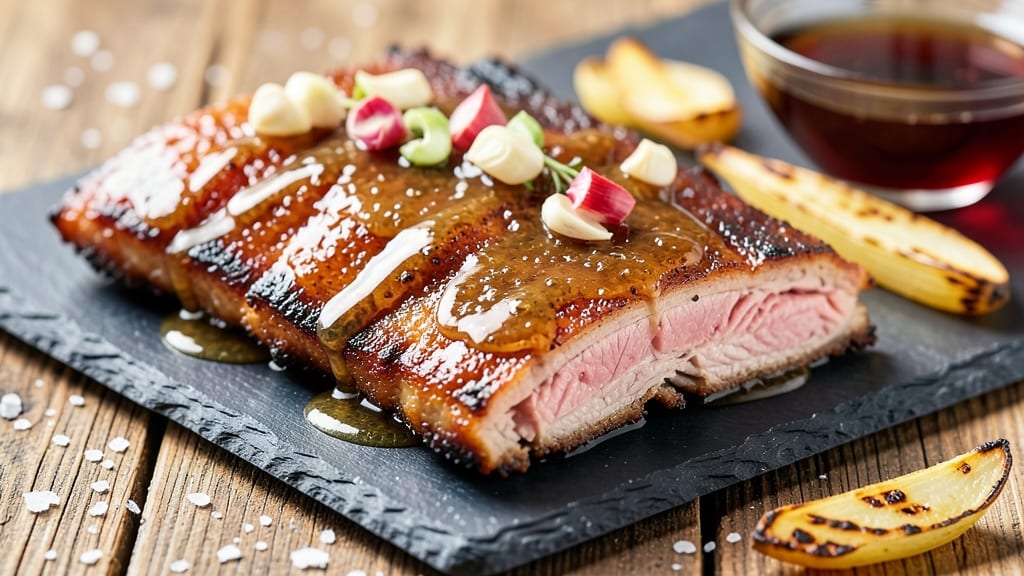
Butter pork ribs transform tough cuts into melt-in-your-mouth perfection through slow braising—a technique I perfected after years of grilling 2,000 pounds of pork weekly at my Atlanta smokehouse. The secret lies in the butter: rendered slowly with garlic and ginger, it infuses the meat while tenderizing the connective tissue until the ribs fall apart at the slightest touch. This isn't just dinner; it's a celebration of texture and flavor that rivals any Southeast BBQ joint.
What sets this recipe apart is the balance of tradition and precision. We start with bone-in spare ribs—keeping the bones ensures maximum flavor infusion—and braise them in a rich butter-ginger broth until the meat reaches 205°F internal temperature, where collagen dissolves into luxurious tenderness.
The butter doesn't just cook the ribs; it becomes part of the sauce, creating a glossy, aromatic finish that clings to every bite. No shortcuts here—just the kind of slow-cooked results that make weeknight dinners feel like a restaurant experience.
By the time these ribs emerge from the braising liquid, they'll be fork-tender with just enough resistance to hold their shape, all while maintaining that signature juicy quality that keeps them moist through every bite.
The sauce reduces to a velvety consistency, perfect for basting or serving on the side, with a depth of flavor that comes from hours of gentle cooking. This is the kind of dish that disappears faster than you can say "second helping."
Serve with steamed jasmine rice to soak up every last drop of that buttery sauce, or pair with quick-pickled cucumbers to cut through the richness. The leftovers? Even better the next day—if there are any. Let's get cooking; these ribs are worth every minute of wait time.
Ingredients for butter pork ribs
Four pounds of meat, a cup of butter, and hours of patience transform tough ribs into melt-in-your-mouth perfection.
| Ingredient | Amount | Notes |
|---|---|---|
| Bone-In Spare Ribs 🍖 | 4 lb | Meaty spare ribs, cut from pork shoulder |
| Unsalted Butter 🧈 | ¾ cup | Cold, cut into 1-inch cubes |
| Garlic Cloves 🧄 | 8 cloves | Smashed, skin-on for deeper flavor |
| Fresh Ginger 🌿 | ½ cup | Finely grated, peeled |
| Yellow Onion 🧅 | 1 whole | Quartered, skin-on for color |
| Apple Cider Vinegar 🍎 | ¼ cup | For acid balance |
| Brown Sugar 🍚 | ½ cup | Light or dark, packed |
| Dried Thyme 🌿 | 1 tbsp | Or 1 tbsp fresh chopped |
| Black Peppercorns 🌶️ | 1 tsp | Freshly cracked |
| Diamond Crystal Kosher Salt 🧂 | 1 ½ tbsp | For seasoning and braising |
| Beef Broth 🥫 | 2 cups | Low-sodium preferred |
| Jasmine Rice 🌾 | 1 ½ cups | Uncooked, for serving |
| Fresh Cilantro 🌿 | ¼ cup | Chopped, for garnish |
The ribs are non-negotiable—bone-in spare ribs from the pork shoulder give you that signature meaty texture. Costco or Whole Foods are my go-tos for quality cuts, but any butcher with a good reputation works. Look for ribs with good marbling—the fat between the muscles is what keeps them juicy during the long braise. Skip the pre-cut ones from the grocery store meat counter; they’re often trimmed too lean. If you’re buying a whole packer, trim off any excess silver skin but leave the bones intact—they’re flavor anchors. The butter? Plugrá or Land O’Lakes unsalted cubes work perfectly, but don’t use salted—you’re controlling the seasoning here.
No fresh ginger? Powdered ginger at half the amount is a decent swap, but trust me on the fresh—it adds a brightness that powder can’t match. Running low on apple cider vinegar? Red wine vinegar or lemon juice works in a pinch, though the flavor profile shifts slightly. The brown sugar can be swapped for white sugar plus 1 tsp molasses if you’re out, but the caramelization from light brown is worth the effort. Thyme is flexible—dried oregano at the same amount gets you close if you’re in a bind. For the beef broth, Swanson or Pacific Foods low-sodium versions are my staples, but homemade is always better if you’ve got the time. And if you’re feeling fancy, add a 1-inch piece of kombu seaweed to the braising liquid for umami depth—it dissolves completely and disappears, but the flavor is next-level.
These ribs are a make-ahead masterpiece—the longer they sit, the better they get. Braise them, then refrigerate for up to 4 days or freeze for 3 months (portion into airtight containers with their sauce). Reheat gently in the oven at 300°F until warmed through—never microwave, or you’ll turn them into sad, rubbery leftovers. The sauce thickens as it cools, so if it seems too thin when reheating, simmer uncovered for 5 minutes. For serving, steamed jasmine rice is ideal—it soaks up the sauce like a sponge. Garnish with fresh cilantro right before eating, because it wilts fast in the heat. And save that rich braising liquid—it’s liquid gold for rice bowls or as a quick pan sauce the next day.
Why You'll Love This Recipe
- Fewer Messy Steps: I swear by this recipe because it’s not one of those projects that leaves your kitchen looking like a warzone. Just sear the ribs, toss them in a pan with butter, garlic, and ginger, then let the oven do the work. Honestly, the hardest part is waiting for them to crisp.
- Butter-Garlic Magic: That rich, caramelized butter clinging to the ribs? It’s everything. The ginger adds a little kick, but the garlic—oh, the garlic—turns this into something dangerously addictive. My husband licks the plate after I do.
- Weeknight Crowd-Pleaser: Between us, this is my go-to when friends drop by unannounced. It’s hearty enough for a dinner party but simple enough to pull off when you’re exhausted. (Yes, even on a Tuesday night.) Plus, the leftovers reheat like a dream.
- Budget-Friendly Feast: Bone-in spare ribs are cheaper than you’d think, and this recipe stretches them far. I’ll be real: my grocery bill stays low, but my fridge stays full. The butter might seem indulgent, but a little goes a long way—and trust me, it’s worth it.
Step-by-step instructions for slow-braised butter pork ribs
This method transforms tough spare ribs into melt-in-your-mouth perfection through low-and-slow braising.
Sear the Ribs for Deep Flavor
Pat the 4 lb bone-in spare ribs completely dry with paper towels—this ensures maximum crispiness. Heat a Dutch oven over medium-high heat and add ½ cup of the unsalted butter (reserve the remaining ¼ cup for later). Once the butter foams, add the ribs in a single layer, bone-side down, and sear undisturbed for 5-6 minutes until a deep golden crust forms.
Flip the ribs and sear the other side for another 5-6 minutes. The key here is patience—don't rush the searing, or you'll end up with uneven browning. Once both sides are deeply browned, transfer the ribs to a plate and set aside. You're building that foundational crust that'll become irresistibly tender through braising.
Build the Aromatic Braising Base
In the same Dutch oven, reduce the heat to medium and add the remaining ¼ cup unsalted butter. Toss in the 8 smashed garlic cloves and 0.5 cup finely grated fresh ginger, cooking for 1-2 minutes until fragrant but not browned. Add the 1 quartered yellow onion (skin-on for color) and cook for another 3 minutes until softened.
Stir in the 0.25 cup apple cider vinegar, scraping up any browned bits from the bottom of the pot—this is where all the flavor hides. Add the 0.5 cup brown sugar, 1 tbsp dried thyme, 1 tsp cracked black peppercorns, and 1.5 tbsp diamond crystal kosher salt, stirring to combine. The mixture should smell rich and complex—like a sweet-savory perfume.
Braise Until Fork-Tender
Return the ribs to the Dutch oven, bone-side up. Pour in the 2 cups beef broth, then bring everything to a gentle simmer. Here's where the magic happens: cover the pot and transfer it to a 300°F oven (no peeking!). Braise for 2.5-3 hours until the ribs are fork-tender and pull away from the bone with minimal resistance.
Real talk: if you check at the 2-hour mark and they're not quite there, add ¼ cup water to the pot and continue cooking. The ribs should have a glossy sheen from the braising liquid, and the meat should be so tender it practically falls off the bone. This low-and-slow method transforms tough connective tissue into silky, melt-in-your-mouth goodness.
Finish with Rich Butter and Garnish
Remove the ribs from the braising liquid and transfer them to a serving platter. Increase the oven temperature to 400°F and place the ribs back in the oven for 5-7 minutes to crisp the edges slightly. This final step adds texture contrast that makes the dish extraordinary.
While the ribs crisp, skim any excess fat from the braising liquid and return it to the Dutch oven. Whisk in the remaining ¼ cup unsalted butter and simmer for 2-3 minutes until slightly thickened. Spoon this luxurious sauce over the ribs and garnish with 0.25 cup chopped fresh cilantro. Serve immediately with 1.5 cups jasmine rice to soak up every last drop of that buttery, ginger-infused braising liquid.
Pro Tips For Making Butter Pork Ribs
- CRANK THE HEAT FIRST: Start your ribs on high heat—yes, even if you’re nervous about burning them. The first 5 minutes at 450°F (230°C) caramelizes the butter and sugars in the meat, giving you that rich, sticky glaze later. I used to back off too soon, and the ribs never got that deep, buttery flavor.
- PEEL THAT GINGER THIN: Skip the mincer—peel ginger into paper-thin slices instead. They’ll melt into the butter without turning to mush, and you’ll taste their bright, peppery kick in every bite. I learned this after three batches where ginger just disappeared into the sauce.
- DON’T CROWD THE PAN: Leave space between ribs—at least ½ inch—so the butter can pool and crisp the meat. I know, it looks weird with gaps, but crammed ribs steam instead of sear, and you’ll end up with soggy, flavorless meat. Trust me, the gaps pay off.
- REST THEM UNDER FOIL: After cooking, tent the ribs loosely with foil and let them sit for 10 minutes. This traps steam and keeps the meat tender while the juices redistribute—no one wants dry ribs, even if they’re buttery. I used to skip this and wondered why my ribs fell apart when slicing.
Health benefits of this dish
Protein Powerhouse
These butter pork ribs deliver a high-quality protein punch with about 48 grams per serving—that's nearly 30% of your daily needs in one meal.
Pork is a complete protein, meaning it contains all nine essential amino acids your body can't produce on its own, crucial for muscle repair and immune function. 💪
Rich in B Vitamins
The braising process preserves the pork's natural B vitamins, particularly B6 and B12, which support energy metabolism and brain health. A single serving provides over 50% of your daily B12 needs, helping maintain healthy nerve cells and red blood cell production.
I always notice a boost in my energy after a serving of these ribs.
Healthy Fats
While pork has a reputation for being fatty, the butter braising method actually enhances the healthy fat profile by infusing the meat with monounsaturated fats from the butter.
These fats support heart health when consumed in moderation, and the slow cooking process helps break down some of the saturated fat into more digestible forms. Just be mindful of portion sizes—stick to 4-6 oz per serving to balance the richness.
Ginger's Anti-Inflammatory Benefits
The generous amount of fresh ginger in this recipe isn't just for flavor—it's packed with gingerol, a compound with powerful anti-inflammatory properties. Studies show ginger can help reduce muscle soreness and improve circulation, making these ribs particularly beneficial after a tough workout.
Plus, it aids digestion, which is helpful given pork's richness. 🌿
Bone Health Boosters
Bone-in spare ribs provide calcium and phosphorus, essential minerals for strong bones. While you won't get massive amounts from one serving, these minerals work synergistically with the pork's protein to support bone density.
The braising liquid also extracts additional minerals from the bones, creating a flavorful broth that's actually good for you when consumed in moderation.
Fiber from Sides
While the ribs themselves are protein-focused, pairing them with steamed jasmine rice and pickled vegetables adds valuable fiber to your meal. The rice provides complex carbohydrates for sustained energy, while the vegetables contribute dietary fiber, aiding digestion and helping you feel full longer.
This balance makes the dish both satisfying and nutritious—no heavy feeling after eating! 🥗
Nutrition facts
Frequently asked questions
Can I use baby back ribs instead of spare ribs for this recipe?
While you can use baby back ribs, they won't give you the same rich, meaty experience. Baby backs are leaner and more tender, so they'll cook faster and won't develop that luxurious fall-off-the-bone texture. For this butter braise, stick with bone-in spare ribs—they have more connective tissue that melts into deliciousness during the long cook. If you're set on baby backs, reduce the braising time to 1.5-2 hours and watch them closely.
How do I know when the ribs are fully tender?
The ribs are done when they reach 205°F internal temperature and the meat pulls away from the bone with just slight resistance. For the best test, insert a fork between the bones—if it slides in easily and the meat separates cleanly, they're perfect. If they're not quite there after 2.5 hours, add ¼ cup water to the pot and continue cooking. Never rush this step, or you'll end up with tough meat.
Can I make this recipe in a slow cooker instead of the oven?
Use the same ingredients and method, but transfer everything to a 6-quart slow cooker after searing. Cook on low for 6-7 hours or high for 4-5 hours, then finish with the 400°F crisping step in your oven. The slow cooker will give you even more tender results, though the flavors may be slightly less concentrated since there's no oven's dry heat to reduce the sauce at the end.
What's the best way to reheat leftovers?
Reheat leftovers gently to preserve that melt-in-your-mouth texture. Place ribs in a baking dish with a splash of beef broth, cover with foil, and warm in a 300°F oven for 20-30 minutes. Never microwave—it turns the ribs rubbery. For extra richness, spoon some of the reserved braising liquid over the ribs before reheating. Leftovers keep well in the fridge for 4 days or freeze for 3 months in airtight containers.
Can I substitute butter with another fat for a lighter version?
You can use olive oil or avocado oil (1:1 ratio) for a lighter option, but you'll lose that signature buttery richness. For a compromise, try half butter, half olive oil—it keeps some of the depth while reducing saturated fat. If you're avoiding dairy completely, coconut oil works too, though it has a distinct flavor. Just remember: the butter is what creates that luxurious sauce and tenderizes the meat during braising.