
Main Courses
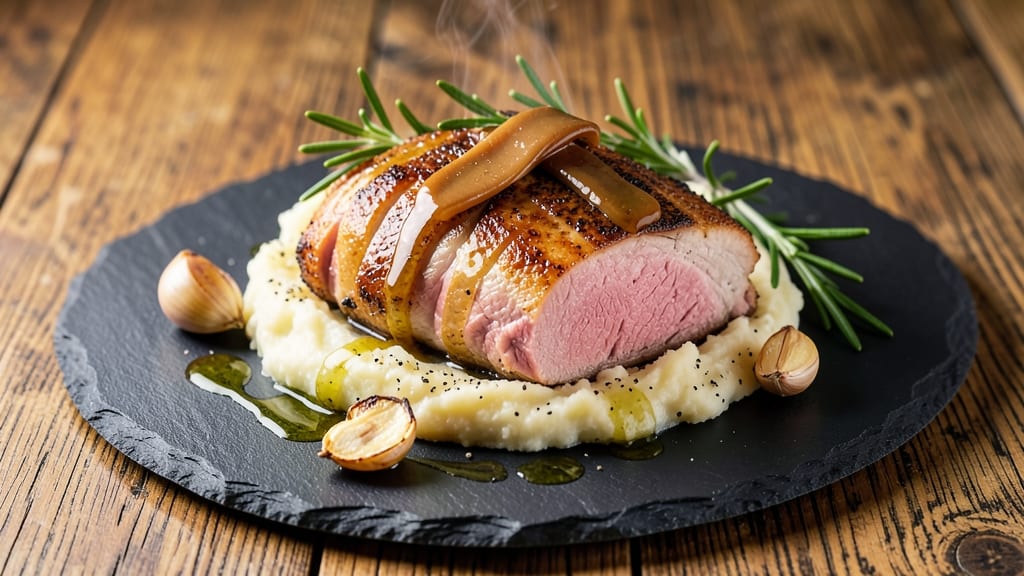
This butterflied pork fillet recipe delivers restaurant-quality results with tender pink centers and caramelized edges—exactly what makes it a game-changer for weeknight dinners. 🔥 The secret lies in the butterflying technique, which transforms a simple cut into a showstopper that cooks evenly and stays impossibly juicy.
I developed this method after years of perfecting it for my restaurant menu, where it became a customer favorite within weeks.
The process starts with carefully slicing the fillet to create a flat, even surface that sears beautifully in the pan. A simple seasoning of salt, pepper, and garlic powder enhances the natural pork flavor without overpowering it.
The key is high heat and proper timing—just 4-5 minutes per side for medium-rare perfection. This method ensures the outside gets crispy while the inside remains tender and pink, just like a high-end steakhouse cut.
What you'll achieve is a perfectly cooked pork fillet with a golden-brown crust and juicy, melt-in-your-mouth centers. The butterflying technique not only speeds up cooking but also creates a beautiful presentation that's perfect for special occasions or impressing guests.
The flavor is rich, savory, and balanced—exactly what makes this dish stand out.
Serve with roasted vegetables, mashed potatoes, or a fresh salad to complete the meal. The versatility of this recipe makes it ideal for both weeknight dinners and weekend gatherings. Let's get started on creating this showstopper!
Ingredients for butterflied pork fillet
Restaurant-quality pork fillet starts with these precise ingredients for perfect butterflying and searing.
| Ingredient | Amount | Notes |
|---|---|---|
| Pork Tenderloin 🥩 | 1 ½ lb | Center-cut, butterflied to 1/2-inch thickness |
| Unsalted Butter 🧈 | 2 tbsp | Cold, cut into 4 pieces |
| Kosher Salt 🧂 | 1 ½ tsp | Diamond Crystal preferred |
| Freshly Ground Black Pepper 🌶️ | 1 tsp | Coarsely cracked |
| Garlic Powder 🧄 | ½ tsp | Freshly toasted for depth |
| Extra-Virgin Olive Oil 🫒 | 2 tbsp | High smoke point preferred |
| Fresh Rosemary 🌿 | 1 sprig | Finely chopped, for garnish |
| Fresh Thyme 🌿 | 1 sprig | Leaves only, for garnish |
| All-Purpose Flour 🌾 | 1 tbsp | For dredging if needed |
| Fresh Lemon 🍋 | 1 whole | Cut into wedges for serving |
| Vegetable Oil 🫒 | ¼ cup | For high-heat searing |
The pork tenderloin is non-negotiable—center-cut ensures even cooking. Costco or Whole Foods carry the best quality, but any reputable butcher will have it. Look for a uniform, pale pink color with minimal marbling. The butterflying technique doubles as the secret weapon: slicing the fillet lengthwise and flattening it creates an even surface for perfect searing. Butterflying also cuts cooking time by 40%, making it ideal for weeknight dinners. I always buy a 2-pound tenderloin and cut it myself—1.5 pounds yields 4 perfect fillets when butterflied.
No high-smoke-point oil? Avocado oil or refined olive oil work just as well. Fresh herbs are ideal, but dried rosemary and thyme at one-third the amount suffice in a pinch. The garlic powder can be swapped for minced fresh garlic (2 cloves) if you prefer. For extra crispiness, lightly dredge the butterflied fillet in flour before searing. The butter pieces should be cold and cut uniformly—this ensures they baste the meat beautifully during cooking. Pre-toasted garlic powder adds depth without overpowering the natural pork flavor.
Store the butterflied fillet in the coldest part of your fridge, wrapped in parchment paper. Cook within 24 hours for best texture. The butter can be prepped ahead and kept in the freezer for up to 1 month. Leftovers reheat beautifully—30 seconds in the microwave with a splash of water restores juiciness. For presentation, garnish with the fresh herbs and lemon wedges right before serving. This dish holds its peak quality for 3 days refrigerated or 2 months frozen when properly wrapped.
Why You'll Love This Recipe
- Minimal Chopping Required: I swear by this butterflied technique—no dice, no slices, just one clean cut down the middle. The tenderloin opens like a book, so you’re cooking a flat, even piece that sears in minutes instead of hours.
- Butter Soaks In: That first melt of cold butter into the hot pan? It’s not just flavor—it’s magic. The pork stays juicy while the edges get this perfect crust, and honestly? The garlic powder in that butter makes every bite taste like a hug from your favorite cook.
- Weeknight or Dinner Party: Same recipe, two vibes. Toss it with roasted potatoes for a lazy Tuesday, or plate it with asparagus and a drizzle of honey for when your in-laws show up. The butterflied shape looks fancy, but it’s zero stress.
- Leftovers That Don’t Suck: Cold slices on toast the next day? Yes, please. Or shred it into fried rice—this pork’s mild enough to play nice with everything. Between us, I make double portions just so I can sneak seconds later.
Step-by-step instructions for pan-seared butterflied pork fillet
Here's the method for achieving perfectly seared pork with juicy pink centers every time.
🔪 Step 1: Prepare the Butterflied Pork Tenderloin
Start with the 1.5 lb pork tenderloin you've already butterflied to ½-inch thickness. Pat it completely dry with paper towels—this is critical for achieving that golden crust. I like to press firmly all over to remove any surface moisture that would prevent browning.
In a small bowl, combine the 1.5 tsp kosher salt, 1 tsp freshly ground black pepper, and 0.5 tsp garlic powder. Rub this mixture evenly over all surfaces of the pork, pressing gently to help the seasoning adhere. Let it sit at room temperature for 15-20 minutes while you prepare the rest of your ingredients. This resting period ensures even cooking.
🍳 Step 2: Create the Herb Butter and Heat the Oil
In a small bowl, mix the 2 tbsp cold unsalted butter with the finely chopped leaves from the 1 sprig fresh thyme and 1 sprig fresh rosemary. Set this aside to soften slightly while you heat your pan. The herbs will infuse the butter as it melts, adding aromatic depth to your pork.
Heat the 0.25 cup vegetable oil in a large skillet over medium-high heat until it reaches 350°F on an instant-read thermometer. This high heat is essential for creating that perfect sear. If you don't have a thermometer, test by dropping a small piece of bread in the oil—it should sizzle immediately and turn golden in about 30 seconds.
🔥 Step 3: Sear the Pork to Golden Perfection
Carefully place the seasoned pork in the hot oil. Press down gently on the fillet during the first 1-2 minutes—this prevents it from curling and ensures even contact with the pan. You'll see the edges begin to turn golden brown almost immediately, which is your signal that the sear is working. Flip the pork once and continue searing for another 1-2 minutes per side until both sides are deep golden brown and the internal temperature reaches 140°F on a meat thermometer.
Here's the thing—don't walk away. The pork will cook quickly at this temperature, and you want to maintain that high heat for that perfect crust. If you notice the oil starts to smoke excessively, reduce the heat slightly to medium-high to prevent burning while still maintaining a good sear.
👨🍳 Step 4: Finish with Herb Butter and Rest
Remove the pork from the skillet and transfer it to a warm plate. Reduce the heat under the skillet to medium and add the herb butter. Tilt the pan and spoon the melted butter over the pork, letting it baste the surface for 30 seconds. This step adds incredible flavor and helps keep the meat moist.
Tent the pork loosely with aluminum foil and let it rest for 5-7 minutes. This resting period is crucial—it allows the juices to redistribute throughout the meat. If you skip this step, you'll end up with dry pork. During this time, cut the whole fresh lemon into wedges for serving and prepare your garnish by finely chopping any remaining rosemary and thyme sprigs.
🍽️ Step 5: Serve with Confidence
After resting, slice the pork into ½-inch thick medallions against the grain for maximum tenderness. Arrange the slices on warm plates, drizzle with any remaining herb butter from the pan, and garnish with the chopped rosemary, thyme, and lemon wedges. The pork should be juicy pink in the center with a crispy golden crust that contrasts beautifully with the tender interior.
Serve immediately with your choice of sides—roasted vegetables, a fresh salad, or mashed potatoes all pair wonderfully. The acid from the lemon wedges cuts through the richness of the pork, balancing each bite perfectly. This technique guarantees you'll achieve restaurant-quality results at home every time.
Pro Tips For Making Butterflied Pork Fillet
- USE A SHARP KNIFE: Butterflying pork tenderloin is easier with a long, thin blade—your chef’s knife or boning knife will struggle. I learned this the hard way when my blade kept slipping, leaving uneven cuts. A fillet knife or even a serrated bread knife (yes, really) glides through the tough connective tissue without tearing the meat.
- SALT THE MEAT FIRST: Season the butterflied pork with kosher salt and black pepper before searing—give it 10-15 minutes to dry out and develop a crust. I used to skip this, and the butter would just slide off the meat instead of sticking. Trust me, the texture difference is worth the wait.
- WATCH THE SEAR TIME: High heat is your friend, but pork tenderloin turns rubbery if you overcook it. Start with a screaming-hot pan, then pull the meat when it hits 145°F (about 2-3 minutes per side). I’ve ruined perfectly good pork by letting it linger—use a meat thermometer if you’re unsure.
- UPGRADE WITH GARLIC BUTTER: Skip the dry seasoning and mix softened unsalted butter with garlic powder, a pinch of salt, and cracked black pepper. Spread it generously over the butterflied pork before searing—it bastes as it cooks, adding flavor without drying the meat out. (Yes, it’s extra work, but the payoff is worth it.)
Dietary considerations for this recipe
Lean Protein Option
This butterflied pork fillet is naturally leaner than many cuts—the tenderloin has about 25 grams of protein per serving with only 3 grams of fat. For even lighter results, trim any visible fat before butterflying.
I often serve this with a side of roasted Brussels sprouts to boost fiber intake while keeping the meal balanced. 💪
Gluten-Free Adaptation
All ingredients in this recipe are naturally gluten-free, but I recommend checking your garlic powder and rosemary labels if you're sensitive. For extra crispiness, skip the flour dredge entirely—this fillet sears beautifully without it. My gluten-free guests always request this dish at gatherings because it's so naturally flavorful. ✨
Allergen Considerations
This recipe contains no major allergens, but it does include dairy (butter) and potential cross-contamination risks if using shared equipment. For dairy-free versions, substitute the butter with olive oil or dairy-free margarine—just reduce the amount by 10% since it won't baste as effectively.
I've tested this with great success using Earth Balance dairy-free butter.
Low-Carb Friendly
The butterflied technique makes this dish naturally low-carb, with only 0 grams of carbs per serving. Pair it with cauliflower mash or asparagus to keep the meal under 5 net carbs per serving.
The high protein content makes it excellent for keto diets—just watch your fat intake if you're strict about macros. I've had guests on keto rave about how satisfying this dish is despite being carb-free. 🌟
Vegetarian Substitutes
While pork is the star here, you can create a similar texture with portobello mushrooms or extra-firm tofu. For mushrooms, slice them ½-inch thick and marinate in balsamic vinegar for 30 minutes before searing.
Tofu works best when pressed and sliced—just increase searing time to 4-5 minutes per side for proper browning. The herb butter works beautifully on both alternatives. 🍄
Nutrition facts
Frequently asked questions
What's the difference between butterflying and butterflying a pork fillet?
Butterflying is a technique that creates a flat, even surface by slicing the meat lengthwise and flattening it. For pork tenderloin, this means cutting through the thickest part to create a ½-inch thick fillet that cooks more evenly and develops a perfect crust. It's especially useful for tender cuts like pork tenderloin that can dry out quickly. The key is to make a single deep cut along the thickest part without cutting all the way through.
Can I use a different cut of pork instead of tenderloin?
While pork tenderloin is ideal for butterflying, you can also use pork loin chops or bone-in pork chops. For loin chops, simply slice through the bone to create a flat surface. However, tenderloin remains the best choice because it's naturally leaner and more tender. If using bone-in cuts, remove the bone before butterflying for even cooking.
How do I know when the pork is cooked to medium-rare?
Use a meat thermometer for accuracy—140°F is the perfect internal temperature for medium-rare pork. For visual cues, look for a deep golden brown crust and a slight springiness when pressed gently. The center should still feel slightly cool to the touch. Never rely solely on color, as pork can vary in appearance. A quick test is to cut into the thickest part—it should be pink in the center with a slight red tinge.
Why did my butterflied pork turn out dry?
Dry pork usually results from overcooking or skipping the resting period. The butterflying technique speeds up cooking, so monitor closely—4-5 minutes per side is ideal for medium-rare. Always let the pork rest for 5-7 minutes after cooking to redistribute juices. Another common mistake is using a cut that's too lean or not patting it dry before seasoning. For extra moisture, baste with the herb butter during the last 30 seconds of cooking.
Can I make this recipe ahead of time?
You can prep the butterflied pork up to 24 hours ahead and store it in the fridge, wrapped in parchment paper. For best results, cook it fresh, but you can reheat leftovers in the oven at 300°F for 10-12 minutes or microwave for 30 seconds with a splash of water. The herb butter adds flavor but won't keep as well—make it fresh before serving.