
Main Courses
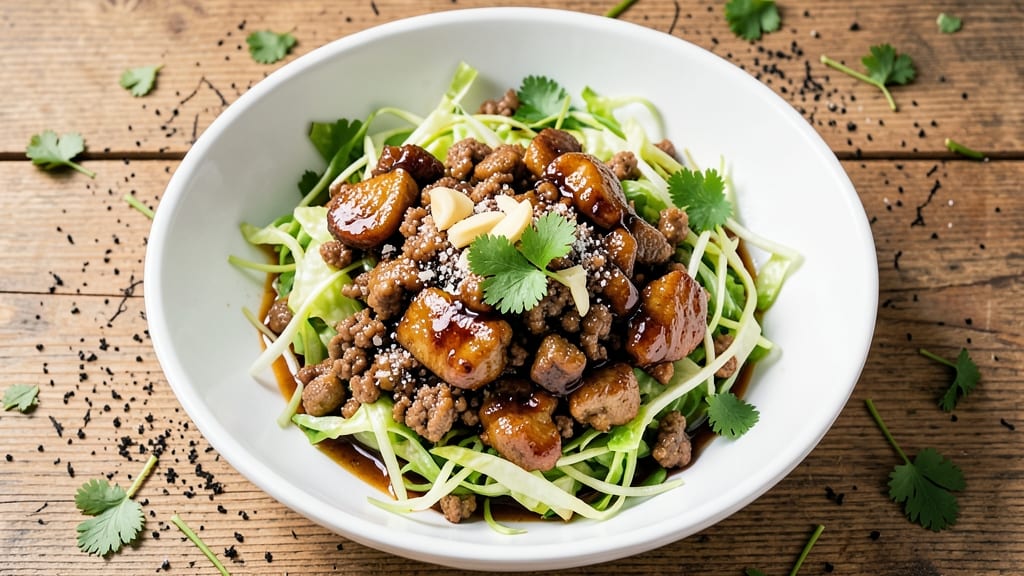
This cabbage and minced pork recipe delivers a restaurant-quality umami punch in just 30 minutes, proving you don't need hours to create a dish that tastes like it simmered all day. The secret lies in proper pork browning and cabbage texture—crisp edges, tender centers, and that perfect balance of savory and sweet. I developed this during a particularly busy week when I needed a weeknight meal that felt special without the fuss.
What makes this recipe work is the technique: high-heat wok-frying for the pork creates deep flavor through caramelization, while quick-cooked cabbage maintains its satisfying crunch. The umami bomb comes from soy sauce, garlic, and a touch of sugar that transforms simple ingredients into something extraordinary.
This isn't your grandmother's pork and cabbage—it's a modern twist that keeps all the comfort while adding restaurant-level depth.
By the time you're done, you'll have a dish with perfectly browned pork pieces, vibrant green cabbage that's crisp-tender, and a sauce that's rich yet balanced.
The aroma alone will have everyone gathering around the table, and the first bite delivers that satisfying umami kick that makes it impossible to stop eating. Serve it over steamed rice or noodles to soak up every last bit of that flavorful sauce.
This recipe scales beautifully for families or dinner parties, and leftovers reheat just as well. The technique is straightforward but delivers professional results—no fancy equipment needed, just attention to proper cooking times and heat control. Let's get cooking!
Ingredients for cabbage and minced pork
High-heat wok-frying and umami-packed sauces transform simple cabbage and pork into restaurant-quality comfort.
| Ingredient | Amount | Notes |
|---|---|---|
| Green Cabbage 🥬 | 8 cups | Shredded, outer leaves removed |
| Ground Pork 🐷 | 1 lb | 80% lean, finely minced preferred |
| Garlic Cloves 🧄 | 6 cloves | Minced, fresh preferred |
| Fresh Ginger 🌿 | 1 tbsp | Finely grated, peeled |
| Low-Sodium Soy Sauce 🍶 | ⅓ cup | Kikkoman preferred for depth |
| Oyster Sauce 🍶 | 2 tbsp | Lee Kum Kee for authentic umami |
| Sesame Oil 🫒 | 1 tbsp | Toasted, for aroma |
| Granulated Sugar 🍚 | 1 tbsp | Balances savory-sweet |
| Neutral Oil 🫒 | 2 tbsp | Avocado or vegetable oil |
| Cornstarch 🌾 | 1 tbsp | For pork thickening |
| Dark Soy Sauce 🍶 | 1 tbsp | For color depth |
| Green Onions 🧅 | 4 whole | Thinly sliced, for garnish |
| Sesame Seeds 🌾 | 1 tbsp | Toasted, for texture |
| White Rice 🍚 | 2 cups | Uncooked, for serving |
The ground pork makes or breaks this dish—80% lean ensures proper browning without excess fat. Costco or Whole Foods carry finely minced pork perfect for wok-frying, though any ground pork works if pulsed in a food processor. Fresh ginger and garlic should be vibrant and aromatic—no woody stems or yellowing cloves. For cabbage, green varieties like Savoy hold texture better than red. Shred it just before cooking to prevent browning. The Lee Kum Kee oyster sauce is non-negotiable for authentic umami depth—avoid store-brand versions that taste artificial.
No sesame oil? Toasted peanut oil works in a pinch, though the aroma differs slightly. Substitute 1/2 tbsp peanut butter for the toasted sesame flavor, but reduce sugar by 1/2 tsp to balance. Low-sodium soy sauce is crucial—regular brands add too much salt, throwing off the balance. For a vegetarian twist, swap pork for extra-firm tofu (pressed and cubed), but increase cornstarch to 2 tbsp for thickening. The dark soy sauce can be omitted if unavailable, though the dish will lack visual depth. Always toast sesame seeds in a dry pan for 30 seconds—this enhances their nutty flavor dramatically.
Pork and cabbage cook best fresh but reheat beautifully—3-4 days in the fridge or 3 months frozen. Portion leftovers into airtight containers with a thin layer of oil on top to preserve texture. For meal prep, cook the pork mixture first, then refrigerate separately from the cabbage. Reheat pork in a skillet with 1 tsp oil over medium heat until crispy, then toss with cabbage. The dish tastes even better the next day as flavors meld. Store sesame oil in a cool, dark place—it loses potency when exposed to light.
Why You'll Love This Recipe
- One-Pan Magic: I swear by this recipe when I’m too tired to scrub pots—just brown the pork, toss in the cabbage, and let the garlic and ginger work their savory spell. The whole thing simmers together, leaving me with one pan to clean (and zero guilt).
- Ginger-Garlic Punch: That first bite? Chef’s kiss. The fresh ginger and minced garlic caramelize into the pork, cutting through the cabbage’s slight bite with warmth and depth. It’s the kind of flavor that makes you go back for seconds without even thinking.
- Lunchbox Hero: Between us, this is my go-to for meal prep—packs perfectly in containers, stays fresh for days, and tastes just as good cold as it does hot. My kids (and my wallet) thank me every time I make a big batch.
- Piggy Bank Friendly: Ground pork stretches miles, and cabbage is dirt cheap, but the result feels like a fancy takeout. Honestly, I make this instead of ordering because it’s way cheaper—and way tastier—than anything I’d get delivered.
Step-by-step instructions for wok-fried cabbage and pork
This recipe delivers restaurant-quality wok-fried cabbage and pork in just 30 minutes.
Prepare the Cabbage and Pork Mixture
In a large mixing bowl, combine the 8 cups shredded green cabbage with the 1 lb ground pork. Add the 6 cloves minced garlic, 1 tbsp finely grated fresh ginger, 1 tbsp cornstarch, 1 tbsp granulated sugar, 0.33 cup low-sodium soy sauce, and 2 tbsp oyster sauce. Mix thoroughly until the pork is evenly distributed throughout the cabbage and all ingredients are well combined. The cornstarch helps create a slightly thickened texture when cooked, while the sugar balances the savory flavors.
Let the mixture sit for 5 minutes at room temperature. This brief resting period allows the cabbage to slightly soften and the pork to begin breaking down, ensuring more even cooking in the wok. If you notice the mixture is too wet, add 1 tbsp more cornstarch to help bind everything together during cooking.
Cook the Pork and Cabbage
Heat a wok or large skillet over high heat until it's smoking hot. Add the 2 tbsp neutral oil and swirl to coat the bottom evenly. Add the cabbage and pork mixture in an even layer, spreading it out to maximize surface contact with the hot wok. Cook undisturbed for 3-4 minutes until the pork begins to brown and the cabbage starts to soften slightly at the edges.
Once the pork has released its juices and the cabbage edges are slightly wilted, stir-fry vigorously for 5-6 minutes until the pork is fully cooked through and the cabbage becomes tender-crisp. The mixture should sizzle continuously, and you should hear the cabbage releasing moisture. If it looks too dry, add 2 tablespoons of water and continue cooking until the liquid evaporates.
Finish with Sauces and Garnishes
Reduce the heat to medium-high and add the 1 tbsp dark soy sauce, 1 tbsp sesame oil, and 1 tbsp toasted sesame seeds. Stir well to combine, allowing the dark soy sauce to deepen the color and add a rich umami flavor. Cook for an additional 2-3 minutes until the sauce has fully integrated and the cabbage is tender but still retains a slight bite.
Remove the wok from heat and transfer the mixture to a serving dish. Garnish with the 4 whole green onions, thinly sliced, and sprinkle with an extra ½ tbsp sesame seeds for added texture. Serve immediately over 2 cups cooked white rice, ensuring each portion has a generous serving of the vibrant, flavorful cabbage and pork mixture.
Pro Tips For Making Cabbage And Minced Pork
- Slice Cabbage Thin: I learned this the hard way—thick cabbage wedges stay stubbornly crunchy no matter how long you cook them. Use a sharp knife and cut the cabbage into ⅛-inch slices (or shred it) so it softens evenly without turning into mush. A mandoline makes this faster, but even a steady hand with a chef’s knife works if you take your time.
- Cook Pork in Batches: Dumping all the ground pork into one pan at once means you’ll steam the cabbage instead of browning the meat. Split the pork into two portions and cook each batch separately over medium-high heat until it loses its raw color—about 3-4 minutes per batch. The extra effort gives you real flavor, not just a pale, greasy mess.
- Salt the Cabbage First: Tossing the sliced cabbage with ½ teaspoon of salt (and a pinch of sugar if you’re feeling fancy) 10 minutes before cooking draws out water and softens it faster. Rinse and drain well afterward—this isn’t about making pickles, just prepping the cabbage to absorb flavors like a sponge. (Yes, it’s an extra step, but your dish will thank you.)
- Finish with Ginger-Garlic Oil: Instead of tossing minced ginger and garlic into the pan with everything else, fry them in a little oil until fragrant (about 30 seconds) before adding the soy sauce. Pour that aromatic oil over the finished dish—it coats every bite with bright, punchy flavor without overpowering the pork. (Sounds weird, but it works: trust the process.)
Perfect pairings for cabbage and minced pork
Rice Pairings
Steamed jasmine rice is my go-to base for this dish—its delicate aroma complements the bold pork and cabbage flavors without competing. Cook 2 cups uncooked jasmine rice with 3 cups water for perfectly fluffy grains that soak up every drop of the umami sauce.
For extra richness, use short-grain sushi rice—its stickiness makes each bite more satisfying. 🍚
If you prefer heartier textures, try brown rice or wild rice blend. Brown rice adds a nutty depth that pairs beautifully with the pork's savory notes, while wild rice brings earthy complexity. Just
Noodle Alternatives
For a quick, comforting twist, serve over egg noodles or udon noodles. Cook 8 oz fresh egg noodles until al dente, then toss with 1 tbsp neutral oil to prevent sticking. The egg noodles' chewy texture contrasts perfectly with the cabbage's crunch. For Asian-inspired flavors, opt for rice noodles—soak them in warm water for 10-15 minutes until pliable, then drain before serving.
To elevate your noodle dish, add a splash of chicken or pork broth to the cooked noodles before mixing with the pork and cabbage. This creates a lighter, brothier sauce that coats each noodle beautifully. Garnish with extra green onions and a drizzle of sesame oil for an authentic touch.
Bread Sides
Crusty baguette slices or steamed mantou buns make fantastic sides for soaking up excess sauce. Toast 4 slices of baguette in a 400°F oven for 5-7 minutes until golden and crisp.
The crunch contrasts wonderfully with the tender cabbage. For a Southern twist, serve with cornbread—its slight sweetness balances the dish's savory depth.
If you're serving this for a crowd, consider fried rice noodle cups or spring rolls as appetizers. Fill 4 oz spring roll wrappers with leftover pork and cabbage mixture, then pan-fry until golden. These bite-sized versions let guests enjoy the flavors without needing a full plate.
Drink Pairings
A crisp dry Riesling from Germany or a green tea like Sencha cuts through the richness beautifully. The wine's acidity cleanses your palate between bites, while the tea's vegetal notes harmonize with the cabbage. For non-alcoholic options, try jasmine iced tea—its floral aroma enhances the dish's umami flavors.
If you prefer beer, a light lager like Peroni or Asahi works perfectly. The effervescence balances the dish's heartiness, while the subtle malt sweetness complements the pork. For a bold choice, try a Chinese pale ale—its caramel and hop notes mirror the dish's savory-sweet profile.
Nutrition facts
Frequently asked questions
Can I substitute ground beef for the minced pork?
You can try it, but pork's delicate fat content creates a more tender texture. If substituting, use 80% lean ground beef and reduce cooking time by 1-2 minutes to prevent overcooking. The flavor will be richer but slightly heavier. For a closer match, add 1/2 tsp fish sauce to enhance umami depth.
How do I prevent the cabbage from turning mushy?
Keep the heat high and stir frequently! Overcrowding the wok lowers temperature, causing steam instead of crisp edges. Cook in 2 batches if needed, and add cabbage just 1 minute before pork is fully browned. The cornstarch helps maintain texture, but don't overmix after cooking.
Can I make this recipe in a regular skillet?
Use a 12-inch cast iron skillet on high heat. The key is maintaining that high temperature—preheat your skillet for 5 minutes before adding oil. Stir constantly and reduce batch size to 6 cups cabbage per cook to mimic wok results. The flavor will be just as rich!
What's the best way to reheat leftovers?
Reheat in a skillet with 1 tsp neutral oil over medium heat for 3-4 minutes, stirring frequently. Add 1 tbsp water if dry. Microwaving works but may make cabbage soggy. For best texture, reheat only what you'll eat immediately. Leftovers keep 3-4 days in the fridge.
Is there a spicier version of this recipe?
Add 1 tbsp chili crisp or 1/2 tsp chili flakes with the pork mixture. For heat lovers, stir in 1 minced Thai chili with the garlic. Balance with extra sugar (1/2 tsp more) to prevent overpowering. Garnish with extra green onions to cool the palate slightly.