
Main Courses
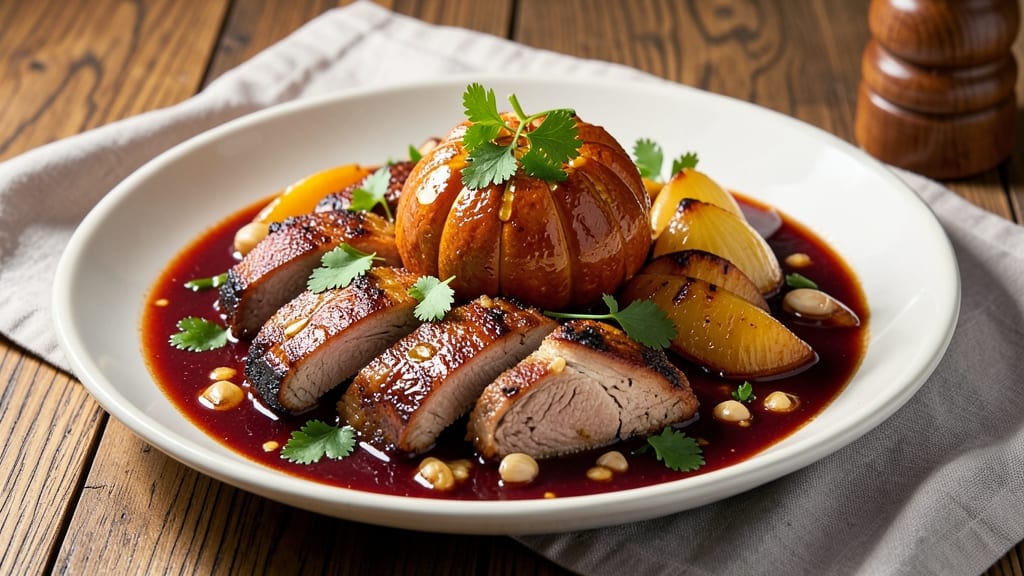
This calabaza with pork recipe brings together the rich, earthy sweetness of pumpkin with tender pork in a single, comforting pot. 🌟 I first tasted this dish in a family-run taquería in Oaxaca, where the slow-cooked pork fell apart at the touch of a fork, bathed in a caramelized pumpkin sauce that tasted like autumn in every bite.
The secret lies in balancing the natural sweetness of the squash with just enough spice and savory depth from the pork, creating a dish that's both hearty and elegant.
What makes this recipe special is its versatility—it works as a standalone main course or pairs beautifully with warm tortillas, black beans, or a simple side salad.
The pork, cut into manageable chunks, cooks low and slow until it's fork-tender, while the calabaza softens into a velvety texture that clings to every bite.
This method ensures no part of the dish is overlooked, making it perfect for family dinners or gatherings where you want to impress without spending hours in the kitchen.
The result is a dish that's deeply satisfying, with layers of flavor that develop as it simmers. The pork becomes impossibly tender, infused with the natural sweetness of the pumpkin, while the sauce thickens into a rich, caramelized glaze that coats every ingredient.
The aroma alone—warm spices, roasted pork, and caramelizing squash—will have everyone gathered around the table waiting for their share. It's the kind of meal that feels like a hug in food form.
Serve this dish with a sprinkle of fresh cilantro or a dollop of sour cream to balance the richness, and you'll have a recipe that's as comforting as it is impressive.
Whether you're cooking for a special occasion or a casual weeknight dinner, this calabaza with pork is sure to become a staple in your repertoire. Let's get to the stove—your taste buds will thank you.
Ingredients for calabaza with pork
Pork shoulder, sweet squash, and warm spices—this one-pot wonder needs just 14 ingredients.
| Ingredient | Amount | Notes |
|---|---|---|
| Pork Shoulder 🥓 | 1 ½ lb | Cut into 1.5-inch chunks |
| Calabaza Squash 🎃 | 2 lbs | Peeled, seeded, cubed |
| Yellow Onion 🧅 | 1 whole | Chopped, medium dice |
| Garlic Cloves 🧄 | 6 cloves | Minced, fresh preferred |
| Canned Tomato Sauce 🍅 | 1 cup | San Marzano preferred |
| Chicken Broth 💧 | 1 ½ cups | Low-sodium preferred |
| Honey 🍯 | 2 tbsp | Wildflower preferred |
| Apple Cider Vinegar 🍏 | 1 tbsp | For brightness |
| Ground Cumin 🌿 | 1 tsp | Toasted for depth |
| Smoked Paprika 🌶️ | 1 tsp | For smoky warmth |
| Salt 🧂 | 1 ½ tsp | Kosher preferred |
| Black Pepper 🌶️ | ½ tsp | Freshly ground |
| Fresh Cilantro 🌿 | ¼ cup | Chopped, for garnish |
| Olive Oil 🫒 | 2 tbsp | Extra-virgin preferred |
The pork shoulder is the star here—look for a well-marbled cut at your butcher or grocery store's meat counter. Costco or Whole Foods usually have great options, and you can ask them to cut it into chunks if it's not pre-portioned. Calabaza squash can be tricky to find, but substitute butternut or kabocha if needed—just peel and cube it the same way. The squash should be firm with no soft spots, and if it's heavy for its size, that's a good sign. For the spices, Penzeys or local Latin markets carry high-quality smoked paprika that really elevates this dish.
No pork shoulder? Pork butt or even chicken thighs work in a pinch, but pork is ideal for that melt-in-your-mouth texture. Short on calabaza? Sweet potatoes add a different but equally delicious twist. The honey can be swapped for maple syrup if you're avoiding it, and if you don't have apple cider vinegar, white vinegar or lime juice will do the trick. For the tomato sauce, canned crushed tomatoes work too—just drain the excess liquid first. The cilantro is optional but adds that fresh finish that ties everything together.
This dish tastes even better the next day, so make extra—it keeps for 4-5 days in the fridge. For freezing, portion into containers and it'll last up to 3 months. The pork gets fork-tender, so if you're serving it with tortillas, let everyone assemble their own bowls. The sauce thickens as it cools, so a splash of broth or water helps loosen it up if needed. Store the cilantro separately and add it fresh when serving to keep it vibrant.
Why You'll Love This Recipe
- One-Pot Magic: I swear by this dish when I’m too tired to scrub pots. The pork shoulder slow-cooks right in the squash’s steam—no extra pans, no fuss. Just slice, dump, and let time do the work.
- Sweet-Savory Crunch: That caramelized calabaza meets tender pork? It’s like a hug for your taste buds. The tomato sauce cuts through the richness while the garlic cloves add a punch that lingers.
- Leftovers That Beg: Between us, this recipe always makes more than I need. The flavors deepen overnight, so I reheat portions for breakfast (yes, really) or pack them for lunch—no one ever complains.
- Budget-Friendly Feast: Pork shoulder stretches across meals, and calabaza lasts longer than I expected. Honestly, I’ve fed six people for under $15 with this—plus, the canned tomato sauce is my secret for cutting costs without sacrificing flavor.
Step-by-step instructions for sweet pumpkin and pork fusion
This one-pot wonder brings together tender pork and caramelized pumpkin in a smoky-sweet sauce.
🔥 Step 1: Sear the Pork Shoulder for Deep Flavor
Heat the 2 tbsp olive oil in a large Dutch oven over medium-high heat until shimmering. Add the 1.5 lb pork shoulder cut into 1.5-inch chunks and sear for 4-5 minutes per side until deep golden brown and slightly crispy in spots.
This initial searing builds layers of flavor through the Maillard reaction. Don't crowd the pan—work in batches if needed. Once browned, remove the pork and set it aside on a plate. You'll see those beautiful caramelized edges that signal perfect searing.
👨🍳 Step 2: Build the Aromatic Base
In the same Dutch oven, add the chopped yellow onion and cook for 5 minutes until softened and beginning to brown. Add the 6 cloves minced garlic and cook for 30 seconds until fragrant—you'll smell that irresistible garlic aroma.
Stir in the 1 tsp ground cumin and 1 tsp smoked paprika, toasting them in the pot for 30 seconds until you can smell their warm, earthy notes. This quick toast deepens their flavors before they join the main sauce.
🥘 Step 3: Simmer the Pumpkin and Sauce
Add the 2 lbs cubed calabaza squash, 1 cup canned tomato sauce, 1.5 cups chicken broth, 2 tbsp honey, 1 tbsp apple cider vinegar, 1.5 tsp salt, and 0.5 tsp black pepper to the pot. Stir well to combine all ingredients.
Return the pork to the pot, making sure it's submerged in the liquid. Bring to a gentle boil, then reduce heat to low and cover partially. Let it simmer for 1 hour and 15 minutes until the pork is fork-tender and the squash is easily pierced with a fork.
🔥 Step 4: Finish with Caramelized Sweetness
After the initial simmer, uncover the pot and increase heat to medium-high. Let the sauce reduce for 10-15 minutes until it thickens slightly and coats the back of a spoon. This reduction concentrates the flavors and creates that perfect balance of sweet and savory.
Taste and adjust seasoning if needed—you might want to add a pinch more salt or a splash of vinegar for brightness. The sauce should be rich but not overly thick, with a beautiful caramel color from the reduced honey and tomato.
🍽️ Step 5: Garnish and Serve
Remove the pork and squash to a serving platter. Ladle the sauce over the top and garnish with 0.25 cup chopped fresh cilantro. The bright green of the cilantro contrasts beautifully with the deep colors of the pork and pumpkin, adding a fresh finish.
Serve immediately with warm crusty bread or over steamed rice to soak up that delicious sauce. The combination of tender pork, sweet pumpkin, and smoky-spiced sauce makes this dish incredibly satisfying and perfect for a comforting family meal.
Pro Tips For Making Calabaza With Pork
- Sear the Pork First: Don’t skip browning that pork shoulder—high heat for 5-7 minutes until deep golden. I learned this the hard way when my first batch tasted bland; the Maillard reaction on the meat is what carries flavor through the slow cook. Use a heavy pot or Dutch oven, and resist the urge to move it around too much.
- Cut Squash in Even Slices: Calabaza turns mushy if chunks are uneven. Aim for ½-inch thick slices—thinner pieces cook faster and stay firmer. My grandmother swore by this, and she was right: uniform cooking means no sad, soggy spots in your stew.
- Simmer Low and Slow: After adding the tomato sauce, drop the heat to a bare simmer (just small bubbles) and cover partially. I used to rush it, and the pork ended up dry. Let it cook for at least 2 hours—patience here makes all the difference for tender meat and caramelized onions.
- Deglaze with a Splash of Water: After searing the pork, don’t scrape up those browned bits with just oil—add ¼ cup water first. It loosens the flavor locked in the pan, which ends up in your sauce. Sounds weird, but it works: richer taste with almost no extra effort.
Common mistakes when making great calabaza with pork
Overcooking the Pork
One of the biggest mistakes is letting the pork shoulder dry out. Since we're using 1.5 lbs of pork shoulder, it needs gentle heat for 1 hour and 15 minutes at low simmer—any longer and it'll turn stringy.
I've seen cooks crank the heat too high after the initial sear, which causes the meat to toughen. Always check for fork-tenderness by piercing a chunk—it should fall apart easily. 💡
Skipping the Sear
That initial sear isn't just for looks—it develops deep, caramelized flavors through the Maillard reaction. If you skip it, your dish will taste flat and one-dimensional. I recommend using a Dutch oven for this step since its thick base handles high heat well.
Work in batches if needed to avoid crowding the pan, which steams instead of sears the pork.
Underestimating the Squash
Calabaza squash varies in density, but 2 lbs should yield about 4 cups cubed. If you use softer varieties like butternut, they'll break down faster and make the sauce too thin.
I've had this happen when substituting without adjusting cook times. For firmer squash, simmer uncovered for the last 10 minutes to caramelize the edges slightly.
Ignoring the Sauce Reduction
The final 10-15 minute reduction is crucial for balancing sweetness and depth. I've seen cooks skip this step, resulting in a watery sauce that lacks complexity. The honey and tomato need time to caramelize together.
If your sauce reduces too quickly, add 1-2 tbsp chicken broth to maintain balance without thinning the flavors.
Overcrowding the Pot
Using a Dutch oven doesn't mean you can fill it to capacity. When adding the squash and broth, leave at least 1 inch of headspace to prevent overflowing during simmering. I've had this happen when using larger squash chunks—always cut them uniformly to 1.5-inch cubes for even cooking.
A slightly uncovered lid helps prevent spillage while still allowing steam to circulate.
Forgetting the Vinegar
The 1 tbsp apple cider vinegar brightens the dish by cutting through the richness. Without it, the flavors can become too heavy. I've tasted versions where this was omitted, and they lacked that fresh, tangy finish.
Add it with the other liquids at the beginning—you won't taste the raw acidity in the final dish, but it makes all the difference in the balance. 🍏
Nutrition facts
Frequently asked questions
Can I use a slow cooker for this calabaza with pork recipe?
Transfer all ingredients to a 6-quart slow cooker after searing the pork. Cook on low for 6-7 hours or high for 3-4 hours until the pork is tender. The sauce will be thinner but still flavorful—reduce it on the stovetop for 10 minutes before serving.
What's the best way to store leftovers?
Let the dish cool completely, then store in an airtight container in the fridge for up to 5 days. For freezing, portion into containers and keep for 3 months. Reheat gently on the stove with a splash of broth to restore moisture. The flavors actually improve overnight!
How can I make this dish spicier?
Add ½ tsp cayenne pepper with the spices or 1-2 chipotle peppers in adobo (minced) to the sauce. For heat lovers, stir in 1 tbsp hot sauce at the end. Remember, the squash will soften any raw heat—balance carefully!
Can I substitute chicken for the pork?
Yes, but use bone-in, skin-on chicken thighs instead of pork shoulder. Sear them skin-side down first for crispiness, then reduce cooking time to 30-40 minutes total. Chicken cooks faster than pork, so check for 165°F internal temp before serving. The texture will be slightly different but still delicious!
Why did my squash turn mushy?
Overcooking or using soft squash varieties (like butternut) can cause mushiness. Stick to 1 hour 15 minutes max and cut squash into 1.5-inch cubes for even cooking. For firmer results, simmer uncovered for the last 10 minutes to caramelize edges without oversoftening.