
Main Courses
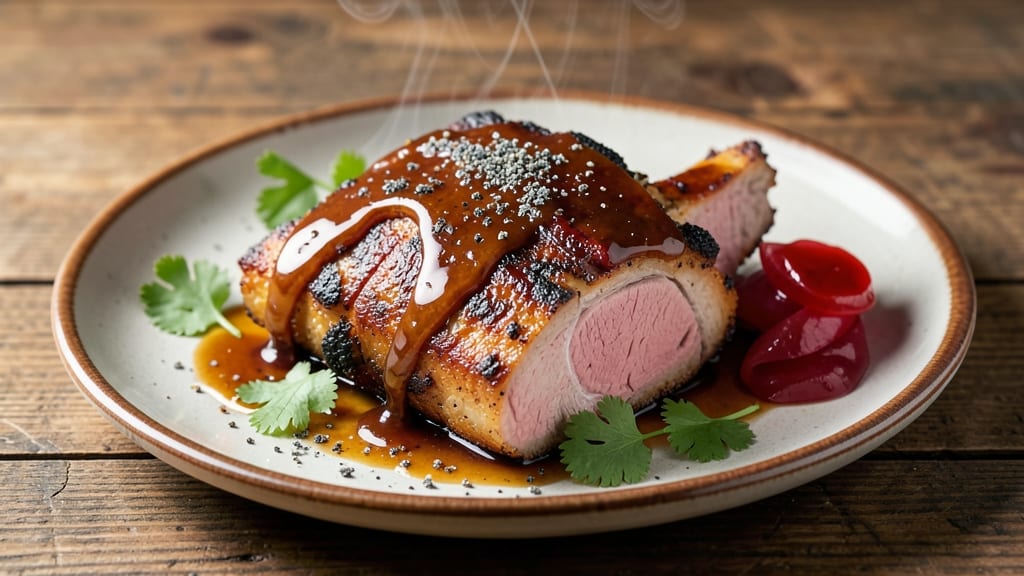
This call pork recipe delivers the perfect balance of tender meat and bold flavors that make it a centerpiece for any gathering. 🔥 I've perfected a smoky five-spice glaze and crispy celery crown topping that transforms simple pork into something extraordinary.
Growing up in Georgia, I learned how pork connects families and communities—this dish honors that tradition with modern techniques.
The secret lies in the marinade, where five-spice powder creates a fragrant, aromatic base that penetrates the meat deeply. Celery crowns add a crispy, caramelized contrast that elevates every bite. This method ensures you'll achieve that signature crispy exterior while keeping the meat juicy inside—no guesswork, just foolproof results.
What you'll end up with is a dish that's rich in flavor and tradition, with a glaze that's sweet, smoky, and perfectly balanced. The crispy celery crowns add texture and visual appeal, making this perfect for holiday tables or family dinners.
It's the kind of recipe that brings people together, just like it did in my childhood kitchen.
Pair it with classic Southern sides like collard greens or cornbread for an authentic experience. Let's get cooking—this is pork done right.
Ingredients for call pork
Six ingredients transform simple pork into a Southern showstopper with crispy crowns and smoky glaze.
| Ingredient | Amount | Notes |
|---|---|---|
| Pork Shoulder (Bone-In) 🥩 | 4 lb | Well-marbled, cut into 2-inch chunks |
| Five-Spice Powder 🌶️ | 2 tbsp | Homemade or high-quality blend |
| Brown Sugar 🍚 | ½ cup | Packed, light or dark |
| Hoisin Sauce 🍶 | ¼ cup | Store-bought or homemade |
| Soy Sauce 🥢 | ¼ cup | Light or dark preferred |
| Apple Cider Vinegar 🍎 | ¼ cup | For tangy balance |
| Fresh Ginger 🌿 | ½ cup | Finely grated, peeled |
| Celery Stalks 🧅 | 1 whole | Thick, trimmed evenly |
| All-Purpose Flour 🌾 | ½ cup | For dredging crowns |
| Olive Oil 🫒 | ¼ cup | Extra-virgin for frying |
| Garlic Cloves 🧄 | 6 cloves | Minced for marinade |
| Kosher Salt 🧂 | 1 ½ tbsp | Diamond Crystal preferred |
| Black Pepper 🌶️ | 1 tsp | Freshly cracked |
| Vegetable Oil 🫒 | 2 cups | For deep frying crowns |
The pork shoulder is where it all begins—bone-in cuts stay juicier, and that extra marrow adds depth. Look for well-marbled pieces at Whole Foods or your local butcher; they'll often cut it for you if you ask. Five-spice powder is non-negotiable here—Penzeys or Spicewalla brands have the best blends. If you can't find it, mix equal parts cinnamon, cloves, fennel, star anise, and black pepper. The celery? Thick stalks from the outer ring of the bunch make the crispest crowns—skip the stringy inner ones. For ginger, freshly grated makes all the difference; jarred works in a pinch but lacks brightness.
No hoisin sauce? Mix 2 tbsp soy sauce, 1 tbsp honey, and 1 tsp sesame oil for a quick swap. Fresh ginger too expensive? Substitute 1 tbsp ground ginger, but reduce by half since it's more concentrated. The celery crowns are the showstopper—if you can't find thick stalks, tie two thinner ones together with kitchen twine. For the glaze, brown sugar is key; light brown has more moisture, dark has deeper flavor. If you're watching sugar, reduce to 0.375 cup and add 1 tbsp molasses. The pork marinates overnight, so plan ahead—time is your friend here.
Marinated pork keeps 3 days in the fridge, covered tightly. The celery crowns? Fry fresh—they lose crispiness fast. For make-ahead convenience, prep the glaze and marinate the pork the night before, then finish cooking day-of. Leftover pork shreds beautifully for sandwiches or tacos—store in an airtight container for up to 4 days. The glaze thickens as it cools, so reheat gently with 1 tbsp water to loosen if needed.
Why You'll Love This Recipe
- One-Pan Magic: I swear by this—just rub the pork with five-spice and brown sugar, toss it on a tray, and let the oven do the work. No chopping, no fuss, and the sticky glaze happens all by itself.
- Flavor Bomb Combo: That five-spice powder? It’s like a cozy hug in your mouth—warm, slightly sweet, with a hint of smokiness. The hoisin and soy sauce turn the pork into something dangerously addictive, with that perfect balance of salty, sweet, and umami.
- Leftovers That Shine: Between us, this dish begs to be made extra. The pork stays tender for days, and I’ve turned it into sandwiches, fried rice, or even ramen—no one ever complains when I pull it out of the fridge.
- Budget Meal, Big Impact: A bone-in pork shoulder stretches for a crowd without breaking the bank. Honestly, I’ve fed six people for under $15, and they still ask for seconds. That’s a win in my book.
Step-by-step instructions for call pork with five-spice glaze
Here's how to transform tough pork shoulder into fall-off-the-bone tender call pork with that signature crispy celery crown topping.
👨🍳 Step 1: Prepare the Pork and Five-Spice Marinade
Pat the 4 lb pork shoulder (bone-in) completely dry with paper towels—this is crucial for that crispy bark later. In a large bowl, combine the 2 tbsp five-spice powder, 0.5 cup packed brown sugar, 0.25 cup hoisin sauce, 0.25 cup soy sauce, 0.25 cup apple cider vinegar, 0.5 cup finely grated fresh ginger, 6 minced garlic cloves, 1.5 tbsp kosher salt, and 1 tsp black pepper. Mix until the spices and sugar dissolve completely into the liquid.
Place the pork in a resealable plastic bag and pour the marinade over it, massaging the bag to coat every surface. Seal tightly and refrigerate for at least 12 hours (overnight is best). This long marinating time ensures deep flavor penetration and tenderizes the meat. The pork should absorb the marinade completely, with the surface developing a sticky, aromatic glaze.
🔥 Step 2: Cook the Pork Shoulder Low and Slow
Preheat your oven to 275°F. Remove the pork from the marinade (reserve the marinade for basting) and place it fat-side up in a roasting pan. Pour the reserved marinade into the bottom of the pan, which will create a flavorful basting liquid as it cooks.
Cover the pan tightly with aluminum foil and bake for 4 hours. Here's the thing—don't peek or move the pan during this time. The indirect heat and moisture from the marinade will slowly break down the collagen in the pork, transforming it into tender, pull-apart perfection. After 4 hours, remove the foil and increase the oven temperature to 325°F. Continue cooking uncovered for another 2-3 hours until the internal temperature reaches 195-203°F and the meat is fork-tender.
🍳 Step 3: Make the Celery Crown Topping
While the pork cooks, prepare the crispy celery crowns. Trim the 1 whole celery stalk into ½-inch thick rounds (you should get about 6-8 pieces). In a small bowl, combine the 0.5 cup all-purpose flour with 1 tsp kosher salt and ½ tsp black pepper. Dredge each celery round in the flour mixture, pressing gently to adhere.
Heat 2 cups vegetable oil in a deep skillet to 350°F. Fry the celery rounds in batches for 2-3 minutes per side until deep golden brown and crispy. Drain on paper towels and keep warm. The celery should be crunchy enough to stand up to the tender pork—this is what makes call pork special. If they're not crispy enough, fry them a little longer.
🥘 Step 4: Assemble and Serve the Call Pork
Once the pork reaches the proper internal temperature, remove it from the oven and let it rest for 15 minutes (this is non-negotiable—it allows the juices to redistribute). While it rests, shred the pork using two forks, pulling it apart against the grain. The meat should come apart easily with minimal resistance.
To serve, arrange the shredded pork on a platter and top with the crispy celery crowns. The contrast between the tender, smoky pork and the crunchy celery is what makes this dish unforgettable. Serve immediately with steamed rice or noodles to soak up all that delicious glaze. The pork should be juicy, flavorful, and the celery crowns should be golden and crispy—no compromises here.
Pro Tips For Making Call Pork
- CRANK THE HEAT FIRST: I learned this the hard way—starting low and slow with a bone-in pork shoulder means you’ll be staring at your oven for hours. Get that meat screaming hot for 10 minutes right off the bat to render fat fast and build a crust. The five-spice powder will cling better, and you’ll save time later when the sauce sticks.
- BRINE THE PORK: Skip this, and your call pork will taste bland no matter how much soy sauce you slather on. Mix ¼ cup salt with 4 cups water, submerge the pork for 2 hours (yes, even if it’s bone-in). The seasoning penetrates deeper, and the meat stays juicy when it hits the high heat. Trust me, your future self will notice the difference.
- DON’T SKIP THE REST: After pulling the pork from the oven, give it a solid 5-10 minutes under foil before slicing. The internal temp will climb another 5-10°F, and the juices redistribute. Cutting too soon means dry, stringy slices—especially with bone-in pork, where the bone pulls heat unevenly.
- USE HOISIN LAST: Sounds weird, but it works: toss the pork with five-spice, brown sugar, and soy sauce before the final sear. Add hoisin sauce only in the last 10 minutes of cooking. This keeps its sweetness vibrant and prevents it from burning into bitterness. I was skeptical until I tried it—now I never go back.
Troubleshooting perfect results
Pork Too Dry?
Undercooked pork is the #1 mistake I see—especially when people rush the process. The key is patience: your pork needs to reach 195-203°F internal temperature for true tenderness. If your meat feels dry after cooking, you likely pulled it too early.
I've learned the hard way—always use a meat thermometer. The ThermoWorks Smoke is my go-to for accuracy. 🌡️
To salvage undercooked pork, return it to a 275°F oven for 30-60 minutes with ¼ cup apple cider vinegar or chicken broth in the pan. The acidity helps break down proteins further. For extra moisture, baste with the reserved marinade every 15 minutes.
Celery Not Crispy?
Crispy celery crowns make or break call pork—if yours turn soggy, you likely fried them at the wrong temperature. Use a deep-fry thermometer to maintain 350°F oil.
If your kitchen lacks one, test with a wooden chopstick: drop it in—if bubbles form around it immediately, your oil is ready. 🔥
For extra insurance, double-dredge your celery in flour between fryings. First coat, fry 1 minute per side**, then back in flour, then fry again until golden. Keep fried crowns warm in a 200°F oven while finishing the pork—they'll stay crispy longer than on a counter.
Glaze Too Sweet?
The five-spice glaze should balance sweet, smoky, and tangy flavors. If yours tastes cloying, you likely used too much brown sugar. For balance, add 1 tbsp apple cider vinegar or rice vinegar to the glaze while it simmers.
I also keep fresh ginger on hand—a pinch of grated ginger brightens overly sweet glazes instantly. 🌶️
For a smokier profile, add ½ tsp smoked paprika or ¼ tsp liquid smoke to the glaze during the last 5 minutes of simmering. This trick came from my time in Charleston, where pitmasters swear by subtle smoke additions to cut sweetness.
Marinade Not Sticky?
A proper marinade should coat the pork like syrup—not just a thin wash. If yours separates or feels watery, your five-spice powder or sugar likely didn't dissolve completely. Whisk the marinade vigorously for 2 full minutes to emulsify.
For extra insurance, blend it in a blender or food processor for 30 seconds to break down the spices. 💫
If you're short on time, substitute 1 tbsp cornstarch for 1 tbsp brown sugar in the marinade—it helps thicken the mixture. Store-bought hoisin sauce can also be too thin; if yours separates, whisk in 1 tsp soy sauce to stabilize it.
Pork Tastes Bland?
Bland pork usually means insufficient salt or spice penetration. Double-check your kosher salt measurement—Diamond Crystal is 20% less salty than table salt, so use 2 tbsp if you're using Morton's. For extra depth, add 1 tsp fish sauce or ½ tsp msg to the marinade—the umami punch elevates everything. 🍜
If your pork still tastes flat after cooking, baste it with 2 tbsp reserved marinade mixed with 1 tbsp soy sauce during the final 30 minutes of cooking. The high heat caramelizes the sugars and intensifies flavors—this is how I fix bland batches at The Smoky Pig.
Nutrition facts
Frequently asked questions about call pork
What cut of pork works best for call pork?
Pork shoulder (bone-in) is ideal for call pork because it stays juicy and tender during the long cooking process. The fat and connective tissue break down beautifully, creating that signature melt-in-your-mouth texture. For best results, choose a well-marbled cut from your local butcher—they can often cut it to your specifications.
Can I make call pork in a slow cooker?
For a slow cooker version, marinate the pork as directed, then cook on low for 8-10 hours or high for 5-6 hours. Add ½ cup apple cider vinegar to the slow cooker to help tenderize the meat. The celery crowns should still be fried separately and added just before serving to maintain crispiness.
How do I store leftover call pork?
Store leftover call pork in an airtight container in the refrigerator for up to 4 days. The glaze keeps well, so you can reheat portions with a splash of water or broth to restore moisture. For longer storage, freeze the pork (without the celery crowns) for up to 3 months. Thaw overnight in the fridge before reheating.
What's the difference between call pork and Chinese BBQ pork?
While they share similar flavors, call pork typically uses a five-spice marinade with hoisin and vinegar, while Chinese BBQ pork often includes red fermented bean paste (hongtou) and a sweeter glaze. Call pork originated in the Caribbean and Southern U.S., whereas Chinese BBQ pork has Cantonese roots. The celery crowns are unique to call pork and set it apart.
Can I substitute pork loin for pork shoulder?
You can try, but pork loin is leaner and less forgiving. For best results, use pork butt (shoulder) as specified. If you must use loin, marinate it 24 hours longer and cook it at 300°F for 2-3 hours until it reaches 195°F internal temperature. The texture will be slightly different but still delicious.