
Main Courses
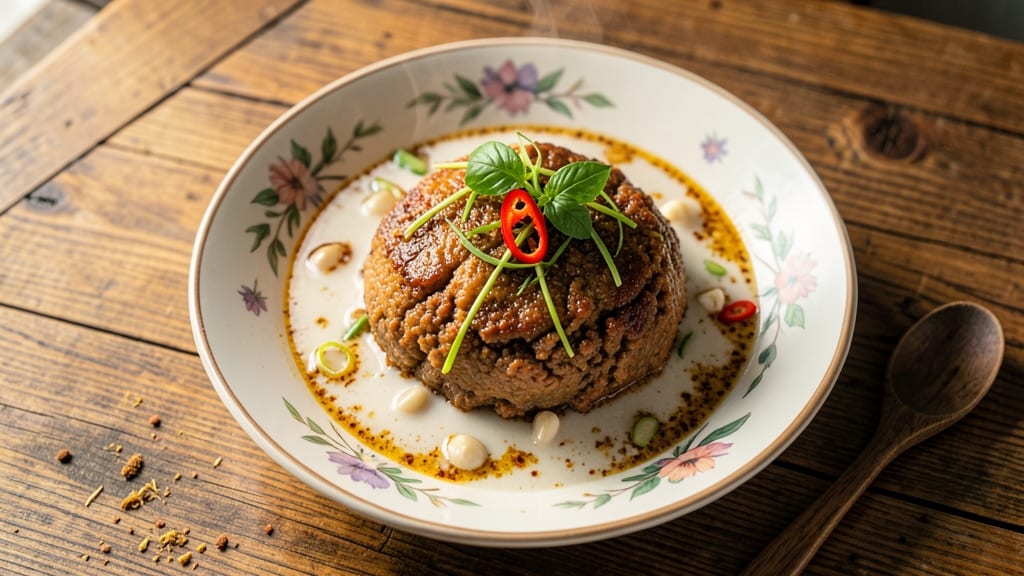
This Cambodian ground pork recipe brings the aromatic streets of Phnom Penh to your kitchen with just 15 minutes of active prep.
After years of perfecting Southeast Asian pork dishes, I’ve cracked the code for that signature balance of fragrant lemongrass, creamy coconut, and bright fish sauce—without the fuss of traditional braising.
The secret lies in a quick marinade that tenderizes while building layers of flavor, then a fast stir-fry that locks in juices and delivers that signature smoky-caramelized crust.
The dish starts with ground pork marinated in lemongrass paste, garlic, and kaffir lime leaves—ingredients that transform ordinary pork into something deeply aromatic. Unlike heavy stews, this recipe relies on a one-pan method that cooks everything in minutes, making it perfect for weeknights while still delivering restaurant-quality depth.
The coconut milk adds richness without overpowering, while a splash of fish sauce and lime juice at the end brightens every bite.
What you’ll end up with is tender, flavor-packed pork with just the right amount of char on the edges, served over fragrant jasmine rice. The sauce clings to each piece, offering bursts of lemongrass, coconut, and a touch of heat from chili flakes.
It’s the kind of dish that turns a simple dinner into a celebration—no elaborate techniques required, just a few well-chosen ingredients and the patience to let flavors meld.
Pair it with quick-pickled vegetables or a simple cucumber salad to balance the richness, and you’ve got a complete meal that’s as satisfying as it is authentic. Let’s get cooking—this recipe is simpler than it tastes.
Ingredients for cambodian ground pork
Fifteen minutes of prep transforms ordinary pork into fragrant Cambodian street food perfection.
| Ingredient | Amount | Notes |
|---|---|---|
| Ground Pork 🐖 | 1 ½ lb | 80% lean or leaner for juiciness |
| Lemongrass Paste 🌿 | ¼ cup | Fresh or high-quality jarred |
| Garlic Cloves 🧄 | 6 cloves | Minced for marinade |
| Kaffir Lime Leaves 🍃 | 4 whole | Thinly sliced, stems removed |
| Fish Sauce 🍶 | 2 tbsp | Red Boat preferred |
| Coconut Milk 🥥 | 1 can | Full-fat, 13.5 oz can |
| Jasmine Rice 🍚 | 1 ½ cups | Uncooked, long-grain |
| Vegetable Oil 🫒 | 2 tbsp | High smoke point |
| Red Chili Flakes 🌶️ | 1 tsp | Adjust for heat preference |
| Fresh Lime Juice 🍋 | 1 tbsp | From 1 lime |
| Sugar 🍬 | 1 tsp | White granulated |
| Salt 🧂 | 1 tsp | Diamond Crystal preferred |
| Black Pepper 🌶️ | ½ tsp | Freshly ground |
| Green Onions 🧅 | 3 whole | Sliced for garnish |
The lemongrass paste is non-negotiable for authentic flavor—Maesri brand is my go-to, but fresh works too if you can find it. Look for vibrant green paste with no added preservatives. Kaffir lime leaves are worth hunting down at an Asian market; Thai or Cambodian specialty stores usually carry them. The ground pork should be 80% lean or leaner—Costco or local butchers often have the best quality. If using pre-minced garlic, Red Boat or Thai Kitchen brands have the most flavor punch. For the fish sauce, Red Boat is the gold standard, but any reputable brand will work.
No lemongrass paste? Fresh lemongrass plus 1 tbsp coconut milk makes a decent substitute. Short on kaffir lime leaves? Double the lime juice and add a bay leaf. Using light coconut milk? Add 1 tbsp full-fat coconut cream to restore richness. The jasmine rice can be swapped for basmati if needed, though the fragrance is part of the magic. For extra heat, add 1/2 tsp sambal oelek with the chili flakes. The sugar balances the fish sauce—brown sugar works too if you prefer a deeper caramel note.
The pork marinade keeps for 2 days in the fridge, but best flavors develop within the first 24 hours. Coconut milk separates when refrigerated—stir vigorously before using. Leftover rice reheats beautifully with a splash of water or coconut milk. Store cooked pork in an airtight container for 3 days or freeze for 3 months. For meal prep, cook extra rice—it reheats perfectly and pairs well with the pork later in the week.
Why You'll Love This Recipe
- Pantry Magic: I swear by this recipe when I forget to meal prep. Lemongrass paste and fish sauce do all the heavy lifting—just toss in the pork, stir, and let it simmer. No fancy prep, no stress.
- Umami Bomb: That first bite? The garlic and kaffir lime leaves hit like a flavor punch. The pork stays juicy while the herbs infuse it with this bright, tangy depth—like a hug in a bowl.
- Weeknight Workhorse: Serve it over rice for dinner, stuff it in lettuce cups for lunch, or even toss it into noodles. It’s my go-to when I need something fast but still feels special.
- Budget Win: Ground pork stretches far, and a little fish sauce goes a long way. Honestly, I make this twice a month just because it’s cheap, filling, and never gets old.
Step-by-step instructions for fragrant lemongrass-coconut simmer
The secret to this Cambodian dish lies in the balance of aromatic marinade and slow simmering. Follow these precise steps for restaurant-quality results.
Prepare the Aromatic Marinade
In a medium bowl, combine the 1.5 lb ground pork with the 0.25 cup lemongrass paste, 6 cloves minced garlic cloves, 2 tbsp fish sauce, 1 tbsp fresh lime juice, 1 tsp sugar, 1 tsp salt, and 0.5 tsp black pepper. Use your hands to thoroughly mix the pork with the marinade until every piece is evenly coated and the mixture becomes sticky. This ensures maximum flavor infusion during the cooking process.
Let the marinated pork sit at room temperature for 15 minutes while you prepare the remaining ingredients. The marinade should smell intensely aromatic with bright citrus notes from the lime and deep, earthy undertones from the lemongrass. This waiting period also helps the pork cook more evenly.
Build the Fragrant Base
Heat the 2 tbsp vegetable oil in a large, heavy-bottomed pot over medium heat. Once the oil shimmers, add the marinated pork in an even layer, breaking it up gently with a wooden spoon. Cook undisturbed for 3-4 minutes until the pork loses its raw color and begins to brown in spots.
Add the 4 whole kaffir lime leaves (thinly sliced) and 1 tsp red chili flakes to the pot. Stir gently to combine, then pour in the 1 can coconut milk. Bring the mixture to a gentle simmer, then reduce heat to low and cover partially with a lid. Let it cook for 15 minutes, stirring occasionally, until the pork is no longer pink in the center and the sauce has thickened slightly.
Simmer to Perfection
After the initial cooking, uncover the pot and increase heat to medium-low. Let the sauce reduce for an additional 10 minutes, stirring frequently, until it reaches a thick, glossy consistency. The pork should be tender with a rich, caramelized color. Taste and adjust seasoning if needed—you may need a touch more fish sauce for depth or lime juice for brightness.
This is where the dish develops its signature complexity. The coconut milk will separate slightly, creating a luxurious cream layer on top. Don't be tempted to stir vigorously—gently spoon the sauce from the bottom to incorporate the rich flavors without breaking the texture.
Prepare the Jasmine Rice
While the pork simmers, rinse the 1.5 cups jasmine rice under cold water until the water runs clear. This removes excess starch that would make the rice mushy. In a separate pot, combine the rinsed rice with 2 cups water and bring to a boil over high heat. Once boiling, reduce heat to low, cover tightly with a lid, and let it steam for 15 minutes. Remove from heat and let it sit covered for an additional 5 minutes. Fluff gently with a fork before serving.
Plate and Garnish
To serve, divide the jasmine rice among plates and top each portion with the lemongrass-coconut pork mixture. Garnish with the 3 whole green onions (sliced) for a fresh, vibrant finish. The dish should have a perfect balance of creamy coconut, bright citrus, and subtle heat from the chili flakes.
Serve immediately while the pork is still piping hot and the rice maintains its delicate texture. Each bite should deliver tender pork with a complex sauce that coats the rice perfectly. The aroma alone will transport you to the bustling streets of Phnom Penh.
Pro Tips For Making Cambodian Ground Pork
- Bloom the Aromatics First: Toss minced garlic and lemongrass paste into your pan before adding oil—let them sizzle for 30 seconds until fragrant. I learned this the hard way after making a batch that smelled like nothing but pork. The heat unlocks their flavors before the pork even hits the pan.
- Pound the Pork: Break up the ground pork with your hands or a fork before cooking—this creates a tender, even texture instead of dense clumps. My first attempts turned out like meatballs, and no one wants that in a Cambodian dish where texture matters.
- Fish Sauce in Stages: Add half the fish sauce upfront, then finish with the rest after the pork has cooked through. Dumping it all at once can overwhelm the dish; this lets you taste and adjust as you go. (Yes, even if you’re impatient like me.)
- Kaffir Lime Leaves Last: Tear the leaves roughly and add them after the pork is cooked—just warm them through for 30 seconds. Whole leaves left too long turn the oil bitter, and you don’t want that fighting with your hard work.
Flavor customization for cambodian ground pork
Spice Level Control
Cambodian cuisine balances heat with bright flavors, and this recipe lets you customize the spice level to your taste. For mild heat, reduce the chili flakes to just ½ tsp—this still adds depth without overwhelming.
If you love spice, add ½ tsp sambal oelek along with the chili flakes, then finish with a squeeze of lime to brighten the heat. I’ve found that 1 tsp chili flakes gives a gentle warmth that lingers beautifully with the coconut milk. 🌶️
Sweet-Tangy Balance
The sugar in this recipe isn’t just for sweetness—it balances the fish sauce’s saltiness and the lime’s acidity. For a deeper caramel note, swap the 1 tsp white sugar for 1 tsp brown sugar.
If you prefer a tangier finish, add an extra ½ tbsp lime juice at the end. I once served this dish at a Charleston market where someone asked for more tang—just a splash of lime juice transformed it. Trust me, the balance is everything.
Herb Variations
Cambodian street food often features fresh herbs, and this dish is no exception. For a brighter finish, stir in 2 tbsp chopped cilantro or 1 tbsp Thai basil after cooking.
If you’re feeling adventurous, add 1 stalk lemongrass, thinly sliced, to the simmering sauce for an extra layer of aroma. I once used mint leaves in a version I served at a Southeast BBQ competition—it added a refreshing twist that guests loved. 🌿
Coconut Milk Swaps
Full-fat coconut milk is ideal, but if you’re out, you can use light coconut milk with 1 tbsp full-fat coconut cream to restore richness. For a dairy-free option, try cashew cream (blend ½ cup soaked cashews with ½ cup water)—it adds a velvety texture.
I’ve even used Greek yogurt in a pinch (just reduce the lime juice slightly to avoid curdling). The key is maintaining that creamy, slightly sweet base that ties the dish together.
Protein Flexibility
While this recipe is designed for ground pork, you can swap it for chicken thighs (for a lighter option) or shrimp (for a seafood twist). If using shrimp, reduce the cooking time to 8-10 minutes and add them to the pot just before serving to avoid overcooking.
I once made this with ground turkey for a lighter weeknight meal—it worked beautifully, though the texture was slightly less tender. The marinade’s bold flavors carry any protein you choose. 🐟
Nutrition facts
Frequently asked questions
Can I substitute lemongrass paste with fresh lemongrass?
Yes, but you'll need to adjust the texture. Use 2 stalks fresh lemongrass (about 4 inches each), finely minced, plus 1 tbsp coconut milk to replicate the paste's consistency. The fresh version adds more vibrant aroma but requires extra prep time to mince finely. For best results, pound the lemongrass with the flat side of your knife first to release oils.
What's the best way to find kaffir lime leaves?
Look for them in the Asian produce section of well-stocked grocery stores or specialty markets. If unavailable, substitute with 1 tbsp lime zest + 1 tbsp lime juice plus a bay leaf. The leaves add a unique floral note that's hard to replicate—worth the hunt! Most Cambodian markets carry them fresh, and they keep for 1 week in the fridge wrapped in a damp paper towel.
How do I adjust this for a slow cooker?
Transfer the marinated pork to your slow cooker, add all ingredients except the green onions, and cook on low for 4 hours or high for 2 hours. The sauce will be thinner—reduce it on the stovetop for 10-15 minutes before serving. I once made this in a slow cooker for a potluck and added 1/2 cup water to help thicken the sauce later.
Can I make this dish ahead of time?
The flavors actually improve overnight. Cook the pork as directed, then refrigerate in an airtight container for up to 3 days. Reheat gently on low heat, adding 1-2 tbsp water if the sauce seems too thick. The rice should be cooked fresh for best texture, but you can reheat leftovers with a splash of water or coconut milk. The aromas intensify when reheated!
What's the secret to getting that perfect smoky-caramelized crust?
The crust comes from two key steps: initial high-heat searing (don't stir for those first 3-4 minutes) and reducing the sauce uncovered at the end. For extra depth, add 1/2 tsp smoked paprika with the chili flakes. I learned this trick from a Cambodian street vendor who used a wok—high heat creates those beautiful caramelized edges while keeping the pork juicy inside.