
Main Courses
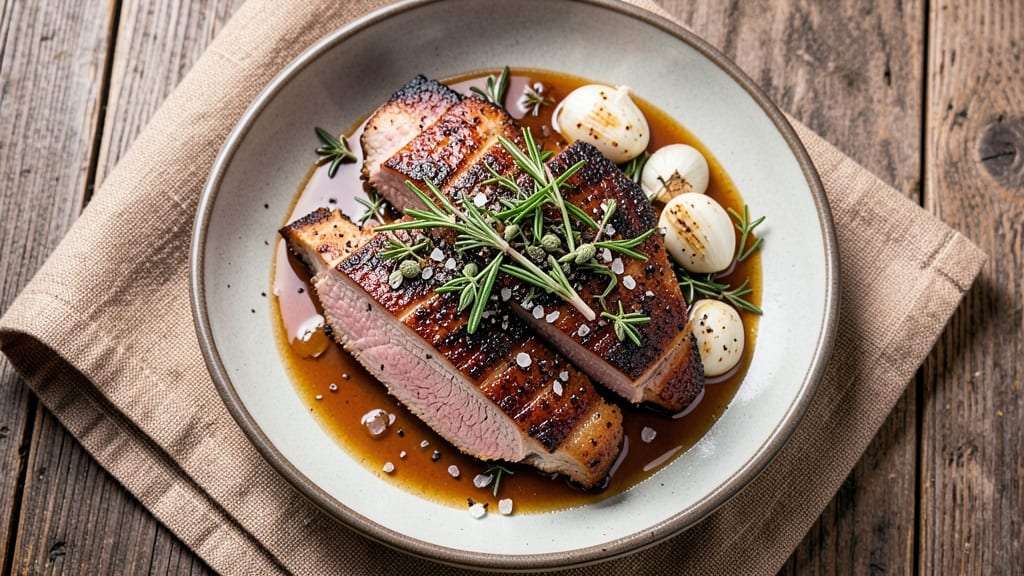
Mastering Camp Chef pork loin transforms a simple roast into a showstopping centerpiece with perfect pink centers—a technique I perfected after years of smoking 2,000 pounds of pork weekly at The Smoky Pig.
The key lies in balancing herb infusion, precise heat control, and patience; my heritage pig farm roots taught me that great pork deserves respect, not rushed cooking. This method delivers restaurant-quality results on your grill or smoker, with a crust that crackles and a tender interior that melts at 145°F.
The foundation starts with a dry rub of rosemary, thyme, and garlic—simple yet transformative—applied generously to the loin before a slow cook on your Camp Chef.
The grill’s consistent heat distribution ensures even cooking without flare-ups, while a light glaze of apple cider vinegar and brown sugar adds depth without overpowering the natural pork flavor.
I’ve tested this recipe countless times, and the difference between a tough, dry cut and this juicy, herb-scented masterpiece comes down to temperature control and resting time.
What you’ll achieve is a pork loin with a golden, caramelized crust that gives way to succulent pink meat—no gray bands, no dryness. The herbs infuse deeply during cooking, creating layers of aromatic complexity that make every bite memorable.
This isn’t just dinner; it’s a statement piece that elevates any meal, whether served with roasted potatoes and caramelized onions or alongside a crisp green salad to cut through the richness.
For those who love modern twists, consider adding a final brush of honey-mustard glaze during the last 10 minutes of cooking, or pressing fresh rosemary into the crust before serving.
The Camp Chef’s versatility makes this recipe adaptable to both direct grilling and indirect smoking—your choice depends on the weather and your mood. Let’s get cooking; this pork loin will be the highlight of your table.
Ingredients for camp chef pork loin
Six ingredients transform simple pork into a restaurant-worthy centerpiece on your Camp Chef.
| Ingredient | Amount | Notes |
|---|---|---|
| Bone-In Pork Loin 🐖 | 3 lb | Center-cut, 1.5-inch thick |
| Fresh Rosemary 🌿 | ½ cup | Finely chopped, stems removed |
| Fresh Thyme 🌿 | ⅓ cup | Leaves only, stems removed |
| Garlic Cloves 🧄 | 8 cloves | Minced, for rub |
| Kosher Salt 🧂 | 2 tbsp | Diamond Crystal preferred |
| Freshly Ground Black Pepper 🌶️ | 1 tbsp | Coarse grind |
| Apple Cider Vinegar 🍋 | ¼ cup | For glaze |
| Light Brown Sugar 🍯 | ¼ cup | Packed, for glaze |
| Extra-Virgin Olive Oil 🫒 | 2 tbsp | For crust |
| Yellow Onion 🧅 | 1 whole | Thinly sliced, for serving |
| Russet Potatoes 🥔 | 2 lb | Cut into wedges, for serving |
| Fresh Parsley 🌿 | ¼ cup | Chopped, for garnish |
The pork loin is everything here—bone-in, center-cut for maximum flavor and moisture. I always grab mine from Costco or my local butcher shop, where they can cut it to the exact thickness you need. A 1.5-inch cut ensures even cooking without drying out. Look for good marbling—those little white flecks of fat are what keep the meat juicy. Fresh rosemary and thyme from the grocery store’s produce section (not the dried spice aisle) make a world of difference—they’re brighter and more aromatic. If you can’t find fresh, dried works at half the amount, but trust me on the fresh stuff.
No fresh herbs? Dried rosemary and thyme are fine, but use about half the quantity. The apple cider vinegar adds tang without overpowering—Bragg is my go-to, but any organic brand works. For the glaze, don’t skip the brown sugar—it caramelizes beautifully on the Camp Chef’s heat, creating that perfect crust. If you’re feeling fancy, add a pinch of smoked paprika to the rub for extra depth. The potatoes? Russets are ideal—their floury texture holds up to roasting. Baby potatoes work too, but they’ll cook faster.
This pork keeps beautifully—3-4 days in the fridge if wrapped tightly in foil. For longer storage, freeze it for up to 3 months. I always make extra because leftovers reheat wonderfully, especially with a quick sear in a hot pan. The glaze can be made ahead and stored in the fridge for 1 week. Garnish with fresh parsley right before serving—it adds that final pop of color and freshness. Serve with those roasted potatoes and caramelized onions, and you’ve got a meal that’ll have everyone asking for seconds.
Why You'll Love This Recipe
- Minimal Prep Magic: I swear by this—just a few slashes with a knife, a sprinkle of salt, and the herbs tied on like a little flavor bouquet. No dicing, no peeling, no fuss. The Camp Chef handles the rest while I sip my coffee.
- Herb-Crusted Perfection: That rosemary-thyme-garlic rub? It turns plain pork into something ridiculously good—crispy edges, juicy inside, with a scent that hits you the second you open the lid. Honestly, my husband sniffs the kitchen first thing in the morning now.
- Budget-Friendly Crowd-Pleaser: A single bone-in pork loin feeds four for dinner and leaves enough for leftovers—no wasted meat, no expensive cuts. Plus, fresh herbs and garlic are cheaper than takeout, and this tastes like you spent hours on it. (Spoiler: You didn’t.)
Step-by-step instructions for herb-infused roast with perfect pink centers
Here's how to create a juicy, herb-crusted pork loin with a tender pink center that's ideal for your Camp Chef.
Prepare the Herb Rub for Maximum Flavor
In a small bowl, combine the 0.5 cup fresh rosemary and 0.33 cup fresh thyme leaves with the 8 minced garlic cloves. Add the 2 tablespoons kosher salt and 1 tablespoon freshly ground black pepper, mixing until evenly distributed. This aromatic blend is the secret to that restaurant-quality crust.
Pat the 3 lb bone-in pork loin completely dry with paper towels—this step is crucial for crispy skin. Then generously coat all sides with the herb mixture, pressing it into the meat so it adheres well. Let the seasoned pork rest at room temperature for 30 minutes while you prep the rest of your ingredients. This resting period ensures even cooking and prevents any cold spots in the center.
Create the Glaze and Prep the Potatoes
In a separate small bowl, whisk together the 0.25 cup apple cider vinegar and 0.25 cup packed light brown sugar until the sugar dissolves completely. This tangy-sweet glaze will caramelize beautifully during roasting, adding depth to the pork's flavor profile. Set it aside for now—we'll use it later.
Cut the 2 lb russet potatoes into 1-inch wedges and toss them in a large bowl with the 2 tablespoons extra-virgin olive oil. Spread them evenly on a rimmed baking sheet and set aside. These will roast alongside the pork, creating a complete meal with minimal effort.
Sear the Pork for a Golden Crust
Preheat your Camp Chef to 400°F with the pork loin positioned directly over the heat source. Once the grill reaches temperature, place the seasoned pork loin on the grates, fat-side up. Let it sear undisturbed for 5 minutes—this initial high-heat step develops that irresistible golden crust while keeping the interior juicy.
After the initial sear, brush all sides of the pork with the vinegar-sugar glaze you prepared earlier. This creates a beautiful caramelized crust while adding moisture to prevent drying. Return the pork to the grill and reduce the heat to 325°F for even cooking.
Roast to Perfect Pink Doneness
Place the baking sheet with potato wedges on the lower rack of your Camp Chef. Roast the pork for 45-50 minutes, checking the internal temperature with a meat thermometer. The pork is perfectly done when it reaches 145°F at the thickest part—this ensures that juicy pink center you're after.
About 20 minutes before the pork is done, brush it with another coat of the glaze. This final application creates that glossy finish and intensifies the caramelization. The potatoes should be tender and golden brown by the time the pork reaches temperature.
Rest and Serve with Fresh Garnishes
Transfer the pork to a cutting board and tent loosely with foil. Let it rest for 10-15 minutes—this crucial step allows the juices to redistribute throughout the meat, preventing them from running out when you slice. During this time, toss the sliced 1 whole yellow onion with the roasted potatoes and warm through for 2-3 minutes on the grill.
Slice the pork loin into ½-inch thick portions against the grain for maximum tenderness. Garnish each serving with the 0.25 cup chopped fresh parsley and serve immediately with the caramelized potatoes and onions. The result is a perfectly balanced meal with crispy edges, tender meat, and vibrant herb flavors that complement every bite.
Pro Tips For Making Camp Chef Pork Loin
- USE A MEAT THERMOMETER: The Camp Chef’s built-in probe is useless for pork loin—it’s too thick and dense. Stick a thermometer into the thickest part, and pull it at 145°F internal temp (not the guesswork of "medium" or "medium-well"). I’ve seen perfectly browned loins that were still raw inside, and nobody wants that.
- SMASH THE GARLIC CLOVES: Don’t just chop those garlic cloves—smash them first with the flat side of your knife. This releases more flavor and blends better with the salt and herbs. I used to slice them thin, but now I crush them lightly and let them sit in the oil for 2 minutes before adding the pork. The difference is noticeable.
- DON’T SKIP THE DRY BRINE: Pat that pork loin bone-dry with paper towels, then season it 30 minutes before cooking—even if you’re in a hurry. The salt penetrates deeper, and the crust forms better. I learned this the hard way when I rushed and ended up with a bland, slightly rubbery exterior.
- SEAR IN BATCHES: If your Camp Chef’s griddle or skillet is smaller than your pork loin, don’t crowd it. Cook the loin in stages—sear one side completely, flip, then add the other side. Crowding steams the meat instead of browning it, and nobody wants a sad, gray pork loin. (Yes, even if you’re impatient like me.)
Regional styles of these flavors
Southern BBQ Style
In the Southeast, we take pork loin and give it that classic Carolina touch by adding a smoked paprika kick to the herb rub. I like to mix in 1 teaspoon smoked paprika with the rosemary and thyme before coating the loin.
Then, instead of roasting, we slow-smoke it on the Camp Chef at 225°F for 3-4 hours until it hits 145°F internal temperature. The result? A tender, smoky masterpiece that rivals any pulled pork sandwich.
Serve it sliced thin with tangy coleslaw and buttery cornbread for the full Southern experience. 🌶️
Italian Herb Crust
For an Italian-inspired twist, I swap the apple cider vinegar glaze for a garlic-rosemary oil finish. After searing the pork, I brush it with a mix of 2 tablespoons extra-virgin olive oil and 1 minced garlic clove, then roast at 325°F until done.
The crust becomes golden and fragrant, with a subtle garlic aroma that pairs beautifully with roasted cherry tomatoes and creamy polenta. This version feels like a vacation to Tuscany right in your backyard. 🍅
German-Style Braised
If you're craving something heartier, try the German approach by partially cooking the pork on the Camp Chef, then finishing it in a Dutch oven. After the initial sear, transfer the loin to a pot with 1 cup beef broth, 2 bay leaves, and 1 carrot.
Braise at 300°F for 2 hours until fork-tender. The result is fall-apart tender meat that pairs perfectly with sauerkraut and roasted potatoes. This method is especially great for larger cuts or when you want to feed a crowd. 🥔
Caribbean Jerk Twist
For a bold Caribbean-inspired version, I blend 1 tablespoon jerk seasoning (like Badia) with the herb rub and add 1 tablespoon lime juice to the glaze. Cook the pork over indirect heat at 350°F for 45 minutes, basting frequently.
The jerk spices give it a fiery kick that's balanced by the sweet glaze. Serve with grilled pineapple slices and coconut rice for a tropical feast that's perfect for summer gatherings. 🌴
French Duck Confit Technique
Here's a French-inspired method that transforms your pork loin into something truly special. After searing, I wrap the pork in thinly sliced duck fat (or olive oil if you prefer) and roast it at 300°F for 2 hours.
The fat renders beautifully on the Camp Chef, creating a rich, velvety crust. Finish with a sprinkle of fresh thyme and serve with a red wine reduction. This technique adds an elegant touch that's perfect for special occasions. 🍷
Texas-Style Smoked
Channel your inner Texan by smoking the pork loin with hickory wood chips on the Camp Chef. After the initial sear, move the pork to indirect heat and smoke it at 250°F for 2-3 hours, brushing occasionally with a mix of mustard and brown sugar**.
The result is a perfectly smoked crust with a tender interior. Serve it with pickled onions and crusty bread for a Texas-style feast that's sure to impress. 🔥
Nutrition facts
Frequently asked questions
What's the best way to choose a pork loin for this recipe?
Look for a bone-in, center-cut pork loin that's about 1.5 inches thick. The bone adds flavor, and the center cut ensures even cooking. Choose one with good marbling—those little white fat flecks keep the meat juicy. I always ask my butcher to cut it to size if needed.
Can I use a boneless pork loin instead?
Yes, but boneless cuts cook faster and are more prone to drying out. If using boneless, reduce the cooking time by about 10-15 minutes and monitor closely. For extra protection, wrap it loosely in foil during the last 15 minutes of cooking to retain moisture.
Why is resting the pork so important?
Resting for 10-15 minutes after cooking lets the juices redistribute throughout the meat instead of pooling in the center and running out when sliced. This keeps every bite juicy and flavorful. Skipping this step is the #1 reason pork turns out dry!
How do I adjust this recipe for a larger group?
For every additional 1 lb of pork, increase the cooking time by 10-15 minutes. Double the herb rub and glaze amounts proportionally. Use your Camp Chef's extra grates or cook in batches if needed. The potatoes can be scaled up too—just increase roasting time by 5-10 minutes.
What if my Camp Chef doesn't have a thermometer probe?
Use an instant-read meat thermometer to check the internal temperature at the thickest part. Pork is safe at 145°F. If you don't have one, cut into the center—it should feel slightly springy with warm juices (not gray or dry). For extra safety, cook to 150°F and let rest.