
Main Courses
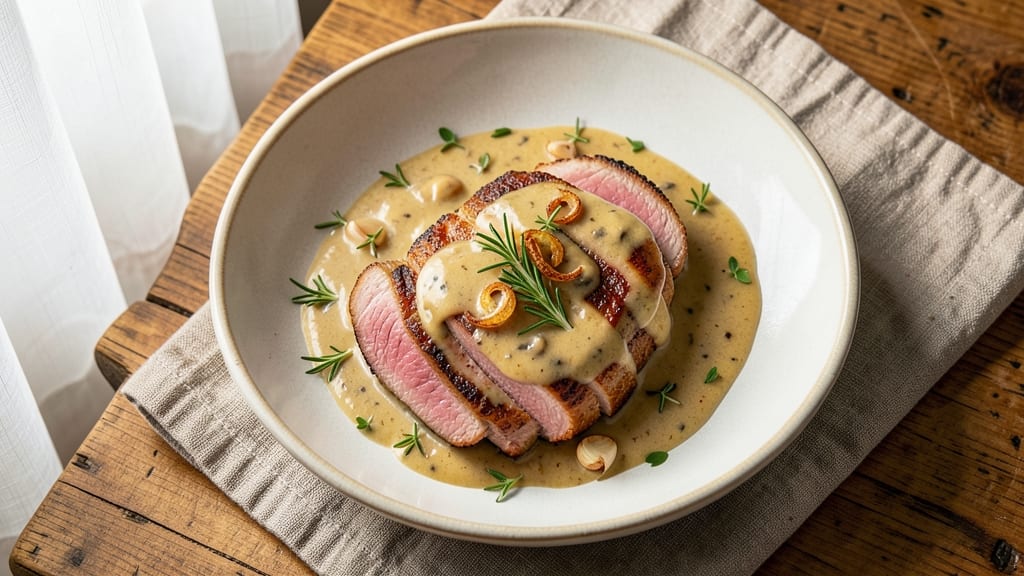
This Campbell's pork tenderloin recipe transforms a simple protein into a restaurant-quality centerpiece with minimal effort. Growing up in Georgia, I learned pork's versatility—this method preserves that tender, juicy perfection while adding depth through a one-pan herb glaze.
The secret lies in balancing sear and slow roast, ensuring crisp edges without drying out the center.
What sets this recipe apart is the foolproof technique that works for both weeknight dinners and special occasions.
You'll start with a dry-brine to lock in moisture, then sear the tenderloin to develop flavor before finishing in the oven with a glaze made from Campbell's soup—adding umami richness without extra prep. The result? A dish that's elegant enough for company but simple enough for any Tuesday.
By the time you serve this, you'll have perfectly tender pork with caramelized edges and a glossy herb glaze that clings beautifully. The one-pan method means less cleanup, while the technique ensures consistent results every time.
This is the kind of recipe that turns a basic cut of pork into a showstopper—no fancy skills required.
Pair with roasted sweet potatoes or a crisp green salad for a complete meal. The glaze's versatility means you can adjust seasonings to match your taste, making this recipe endlessly adaptable. Let's get cooking—this tenderloin deserves your dinner table.
Ingredients for campbell's pork tenderloin
Restaurant-quality pork tenderloin starts with these carefully chosen ingredients for perfect texture and flavor balance.
| Ingredient | Amount | Notes |
|---|---|---|
| Pork Tenderloin 🥩 | 1 ½ lb | Center-cut, trimmed of silver skin |
| Campbell's Cream of Mushroom Soup 🍄 | 1 can | Condensed, unsalted version preferred |
| Dry White Wine 🍷 | ¼ cup | Sauvignon Blanc or Pinot Grigio |
| Fresh Rosemary 🌿 | ¼ cup | Finely chopped, stems removed |
| Fresh Thyme 🌿 | 2 tbsp | Leaves only, finely chopped |
| Garlic Cloves 🧄 | 4 cloves | Minced, not pressed |
| Olive Oil 🫒 | 2 tbsp | Extra-virgin for high heat searing |
| Kosher Salt 🧂 | 1 ½ tsp | Diamond Crystal preferred |
| Ground Black Pepper 🌶️ | ½ tsp | Freshly cracked |
| Honey 🍯 | 1 tbsp | Wildflower preferred |
| Balsamic Vinegar 🍶 | 1 tbsp | Aged 25 years minimum |
| Unsalted Butter 🧈 | 1 tbsp | Cold, cubed |
| All-Purpose Flour 🌾 | 1 tbsp | For dry-brine |
The pork tenderloin is the star—center-cut ensures maximum tenderness, while trimming the silver skin prevents bitterness. Most butchers will do this for you, but if you're prepping at home, use a sharp knife. For the best results, source from a reputable local butcher or high-quality grocery store like Whole Foods or Kroger. The cut should be pale pink with good marbling. If you can't find center-cut, look for uniformly shaped tenderloins—avoid those with irregular ends, which can dry out faster during cooking. Costco often carries excellent quality in bulk.
No white wine? Dry chicken broth works in a pinch, but the acidity will differ slightly. Fresh herbs are non-negotiable here—dried thyme at one-third the amount can substitute, but the flavor won't be as bright. For the Campbell's soup, opt for the unsalted version if available to better control seasoning. The aged balsamic vinegar adds depth that regular vinegar can't match, but high-quality red wine vinegar in a bind. When mincing garlic, smash the cloves first with the side of your knife—this releases more flavor. The honey should be liquid at room temperature; if yours is crystallized, warm it gently in a bowl of hot water. Butter matters here—use European-style if possible for higher fat content.
The dry-brine (flour + salt) can be applied up to 24 hours ahead—store the tenderloin in the fridge uncovered on a wire rack. Fresh herbs keep best wrapped in damp paper towels in a sealed container for 3-4 days. The glaze components (honey, balsamic, butter) can be pre-mixed and refrigerated for 3 days, but finish with fresh herbs just before serving. Leftover tenderloin reheats beautifully—slice against the grain and warm in a 350°F oven for 10-15 minutes with a splash of water to maintain moisture. For make-ahead convenience, fully cook the tenderloin, let it rest, then refrigerate in the glaze. Reheat gently to prevent curdling.
Why You'll Love This Recipe
- Same recipe, different vibes: toss it over mashed potatoes for a lazy Tuesday, or serve it with crusty bread and a salad for guests. The wine in the sauce makes it feel fancy, but honestly? It’s still my go-to for when I don’t want to stress.
- One-Pan Magic: I swear by this recipe when I’m too tired to scrub pots—just sear the pork, pour in the soup and wine, and let it bubble. The rosemary and thyme waft through the kitchen while you’re doing nothing.
- Rich Without Effort: That Campbell’s Cream of Mushroom soup does all the heavy lifting—creamy, earthy, and just a splash of wine lifts it to restaurant-level. The pork stays juicy, and the sauce? Chef’s kiss every time.
- Weeknight to Dinner Party: Same recipe, different vibes: toss it over mashed potatoes for a lazy Tuesday, or serve it with crusty bread and a salad for guests. The wine in the sauce makes it feel fancy, but honestly? It’s still my go-to for when I don’t want to stress.
Step-by-step instructions for herb-glazed pork tenderloin
This one-pan method delivers perfectly tender pork with a rich herb glaze—no flipping, no fuss.
Prep and Dry-Brining the Pork
Pat the 1.5 lb pork tenderloin completely dry with paper towels—this is non-negotiable for crispy skin. Place it on a plate and sprinkle evenly with 1.5 tsp kosher salt and 0.5 tsp ground black pepper. In a small bowl, whisk together 1 tbsp all-purpose flour, then lightly dust the pork with this mixture, pressing gently to adhere. Let it sit at room temperature for 15 minutes while you prep the aromatics.
This dry-brine step works like magic—it seasons deeply and helps the exterior develop a golden crust. The flour creates a light crust that caramelizes beautifully during cooking. Don't skip this; it's what transforms good pork into exceptional pork.
Sear the Pork for Maximum Flavor
Heat 2 tbsp olive oil in a large oven-safe skillet over medium-high heat until shimmering. Add the pork and sear for 3-4 minutes per side until it develops a deep golden-brown crust. You'll know it's ready when it releases easily from the pan—don't rush this step. Remove the pork and set it aside on a plate.
The high heat creates a flavorful crust through the Maillard reaction, while the rendered fat in the pan forms the base for your glaze. If the oil starts smoking before the pork browns, reduce the heat slightly—you want golden, not blackened.
Build the Herb-Glaze Foundation
In the same skillet (no need to clean it), add 4 cloves minced garlic and cook for 30 seconds until fragrant. Pour in 0.25 cup dry white wine and scrape up any browned bits from the bottom—this is where all the flavor hides. Let it simmer for 2 minutes until reduced by half.
Next, stir in 1 can Campbell's Cream of Mushroom Soup, 0.25 cup chopped fresh rosemary, 2 tbsp chopped fresh thyme, 1 tbsp honey, and 1 tbsp balsamic vinegar. Bring to a gentle simmer and let it thicken slightly for 3-4 minutes. The sauce should coat the back of a spoon but still be pourable.
Glaze and Roast to Perfection
Return the pork to the skillet and spoon the sauce generously over the top. Dot with 1 tbsp cubed unsalted butter for extra richness. Transfer the skillet to a preheated 400°F oven and roast for 15-20 minutes until the internal temperature reaches 145°F when measured with an instant-read thermometer.
The butter will melt into the sauce, creating a glossy, aromatic glaze that clings beautifully to the pork. For even cooking, flip the pork halfway through if needed. The glaze should be thick enough to coat the back of a spoon when done.
Rest and Serve with Confidence
Remove the pork from the oven and let it rest for 5-10 minutes before slicing. This resting period is crucial—it allows the juices to redistribute, ensuring each slice is moist and tender. Pour any remaining pan sauce over the sliced pork before serving.
Slice the pork into ½-inch thick medallions and arrange on a platter. The result should be juicy, tender pork with a glossy herb glaze that balances sweet, tangy, and umami flavors. Serve with roasted vegetables or crusty bread to soak up the delicious sauce.
Pro Tips For Making Campbell'S Pork Tenderloin
- SEAR THE PORK FIRST: I learned this the hard way—skipping the sear means your pork just gets mushy in the sauce. Hit the pan with medium-high heat, add a tablespoon of oil, and let those edges get deep golden brown before pulling it out. The crust makes all the difference when it soaks up that creamy mushroom sauce later.
- USE A SPLASH OF BROTH: The Campbell’s soup is rich, but adding ¼ cup of chicken or beef broth to the pan before deglazing with wine keeps the sauce from turning into glue. I was skeptical until I tried it—suddenly, the sauce clings to the pork instead of clumping in the pan.
- SALT THE PORK TWICE: Don’t just season it once before cooking. After searing, hit the pork with another pinch of salt while it rests under foil—it penetrates deeper and balances the wine’s acidity. I skip this when I’m lazy, but the dish is noticeably better when I don’t.
- STRAIN THE HERBS: Fresh rosemary and thyme are great, but whole sprigs left in the sauce turn it bitter. Tear the stems between your fingers to release the oils, then strain the sauce before serving. Sounds weird, but it works—no more chewing on tough stems or scraping them out later.
Regional styles of this recipe
Southern BBQ Style
In the Southeast, pork tenderloin often gets a smoky, sweet twist—perfect for weekend gatherings. Swap the white wine for ½ cup apple cider vinegar and add 2 tbsp brown sugar to the glaze.
Finish with a sprinkle of smoked paprika and serve with classic coleslaw or cornbread. My grandma used to cook pork this way at family reunions, and it always disappeared first. 🔥
Charleston Lowcountry Twist
For a true Lowcountry touch, infuse the glaze with ½ cup shrimp or crab stock instead of wine, and stir in 1 tbsp hot sauce (like Crystal or Tabasco). Top with chopped scallions and lemon zest for brightness.
This version pairs beautifully with she-crab soup or steamed shrimp. I learned this technique from Chef Chen—it’s all about balancing heat and acidity. 🌶️
Texas-Style BBQ Adaptation
Texans love their pork tenderloin with bold flavors. Replace the Campbell’s soup with ½ cup beef broth and 2 tbsp tomato paste, then add 1 tsp chili powder and ½ tsp cayenne.
Finish with a drizzle of BBQ sauce (like Stubb’s) before serving. Serve with white bread for dipping—this is how I adapted it after winning my first BBQ championship in Austin. 🍖
Italian-Inspired Herb Glaze
For an Italian-inspired version, use ½ cup heavy cream instead of Campbell’s soup, and add 1 tsp dried oregano and ½ tsp red pepper flakes. Finish with a sprinkle of grated Parmesan cheese.
This version pairs perfectly with roasted garlic mashed potatoes or sautéed spinach. It’s a favorite at my Atlanta restaurant when we want to impress without going full Italian. 🍝
Smoky Grilled Adaptation
For a smoky grilled version, sear the pork in a cast-iron skillet, then transfer it to the grill. Brush with the glaze and smoke at 250°F for 10-15 minutes, flipping once. The grill adds a charred depth that’s hard to beat.
Serve with grilled corn and avocado slices for a summer-friendly meal. This is how I cook for my farm crew during hot afternoons. 🌽
Nutrition facts
Frequently asked questions
Can I use a different Campbell's soup flavor? While Cream of Mushroom works beautifully, try Cream of Chicken for a lighter version or Cream of Celery for a more herbaceous twist. For extra richness, Cream of Onion adds a subtle sweetness that pairs well. Just
How do I know when the pork is fully cooked?
Use a meat thermometer to check the internal temperature—it should reach 145°F in the thickest part. The pork will also feel firm to the touch but still spring back slightly when pressed. Never rely solely on color, as pork can appear cooked even when underdone.
What if my pork tenderloin is uneven in size?
If your tenderloin is thicker on one end, trim it to 1.5 inches maximum thickness for even cooking. For thinner cuts (1 inch or less), reduce oven time by 5-7 minutes to prevent overcooking. The key is consistent thickness—this ensures perfect doneness throughout.
Can I make this recipe ahead of time?
Yes! Cook the pork completely, let it rest, then refrigerate in the glaze for up to 3 days. Reheat gently in a 350°F oven for 10-15 minutes with a splash of water to maintain moisture. The glaze may thicken further—just warm it gently on the stovetop before serving.
Why did my glaze turn out too thick?
This usually happens if you simmered the sauce too long. The glaze should coat the back of a spoon but remain pourable. To fix it, whisk in 1-2 tbsp warm water or broth until smooth. For future batches, keep an eye on the sauce and remove it from heat as soon as it thickens slightly.