
Main Courses
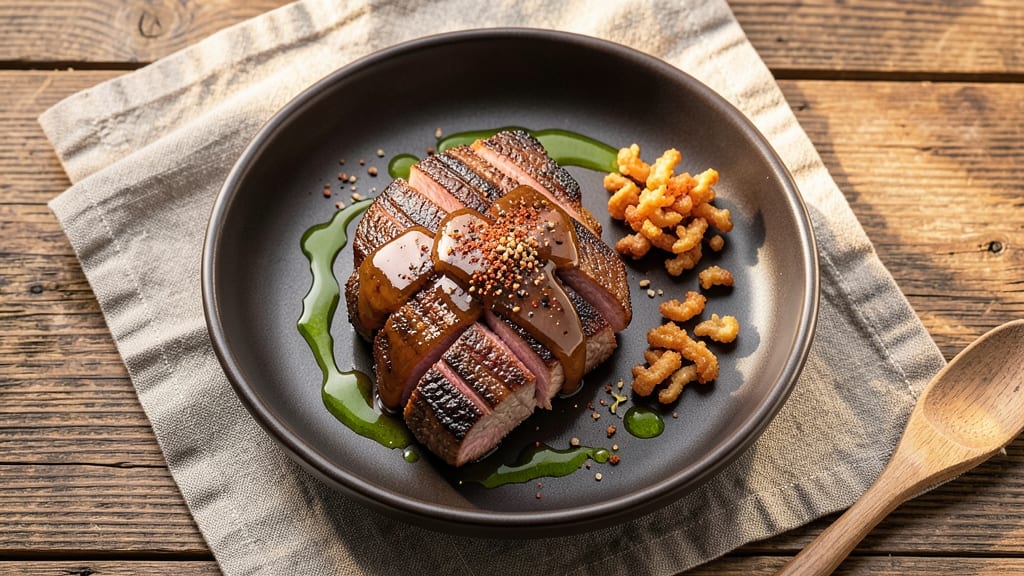
This Campo Grande pork belly steak recipe delivers the perfect balance of crispy bark and juicy pink centers—a technique I perfected after years of working with 2,000 pounds of pork weekly at my Atlanta pit. The secret lies in the clockwork sear method, where precise heat control transforms tough cuts into melt-in-your-mouth perfection. There's nothing quite like that first bite of caramelized exterior giving way to tender, pink flesh—it's the kind of dish that turns weeknight dinners into memorable feasts.
What sets this recipe apart is the combination of a simple yet effective marinade and the right cooking technique.
You'll start with a dry rub of smoked paprika, brown sugar, and black pepper to create that signature bark, then use a two-stage sear: high heat for the crust, followed by a gentle finish to lock in moisture.
The result is a steak that's crispy on the outside, tender on the inside, and packed with smoky, savory flavor that lingers long after the last bite.
This method works beautifully with pork belly cuts that have a good fat cap—look for thick slices with marbling for the best results. The fat renders down during cooking, creating a self-basting effect that keeps the meat impossibly juicy.
When served with a side of roasted vegetables or a simple rice pilaf, it becomes a complete meal that feels both restaurant-worthy and deeply satisfying.
Whether you're cooking for a special occasion or treating yourself to a Sunday supper, this recipe delivers consistent, professional-quality results every time. The beauty of this technique is its adaptability—you can scale it up for a crowd or keep it intimate for two.
Let's get started on creating that perfect balance of texture and flavor.
Ingredients for campo grande pork belly steak
Thick-cut pork belly with a smoky rub—this is your secret to restaurant-quality crispy bark and juicy pink centers.
| Ingredient | Amount | Notes |
|---|---|---|
| Pork Belly Steak 🥓 | 2 lb | Thick-cut, with fat cap intact |
| Smoked Paprika 🌶️ | 2 tbsp | High-quality for smoky flavor |
| Light Brown Sugar 🍚 | 1 tbsp | For caramelized bark |
| Freshly Ground Black Pepper 🌶️ | 1 ½ tbsp | Coarse grind preferred |
| Kosher Salt 🧂 | 1 ½ tbsp | Diamond Crystal preferred |
| Extra-Virgin Olive Oil 🫒 | 2 tbsp | For high-heat searing |
| Garlic Cloves 🧄 | 4 cloves | Minced for marinade |
| Fresh Rosemary 🌿 | ¼ cup | Chopped, for aroma |
| Fresh Thyme 🌿 | ¼ cup | Leaves only, chopped |
| Apple Cider Vinegar 🍎 | 1 tbsp | For tenderizing |
| Honey 🍯 | 1 tbsp | For glaze finish |
| Vegetable Oil 🫒 | 1 cup | High smoke point for searing |
| Butter 🧈 | ½ cup | Unsalted, for basting |
The pork belly makes all the difference—look for thick-cut slices with a good fat cap at your butcher or grocery store's meat counter. Whole Foods or Costco usually carry premium cuts, but even the regular supermarket selection works if it's well-marbled. The fat renders beautifully during cooking, creating that self-basting effect that keeps the meat impossibly tender. If you're buying a whole pork belly, ask for it to be sliced into 1-inch thick steaks—they'll thank you later. Smoked paprika is non-negotiable here; Penzeys or the bulk bins at natural markets have the best quality. Don't skimp on the fat cap—it's the magic that makes this dish work.
No smoked paprika? Regular paprika plus a pinch of liquid smoke gets you close, though it won't be quite the same. Running short on fresh herbs? Dried rosemary and thyme at half the amount will work in a pinch, but fresh is absolutely essential for that bright aroma. The honey glaze adds a beautiful finish—if you're avoiding sugar, maple syrup works perfectly. For the searing, make sure your pan is ripping hot before adding the oil. If you don't have a thermometer, test it by flicking a drop of water—it should sizzle violently. The butter at the end? Use European-style butter if you can find it; it has a higher fat content and adds extra richness.
Pork belly steaks reheat beautifully—just warm them in a 350°F oven for 10-15 minutes until crispy again. Store leftovers wrapped tightly in foil to keep that crispy bark intact. They'll keep in the fridge for 3-4 days, though honestly, they're best eaten fresh. For a crowd, double the recipe—just make sure your oven isn't overloaded. The fat from the pork belly makes this dish incredibly forgiving, so don't stress about exact measurements. Trust the process, and you'll end up with that perfect balance of crispy bark and juicy pink centers every single time.
Why You'll Love This Recipe
- Five-Ingredient Magic: I swear, this recipe feels like cheating—just pork belly, smoked paprika, a pinch of sugar, and salt. That’s it. No fancy marinades or last-minute shopping runs; everything’s probably already in your pantry.
- Caramelized Edge Obsession: The sugar and paprika work together to create this perfect crust—crispy, smoky, with just enough sweetness to make you lick your plate. Honestly, I’ve tried fancier rubs, but this combo? It’s my new favorite.
- Weeknight or Weekend Star: Throw it on the grill for summer BBQs or sear it in a cast-iron for a cozy Friday night. The same simple steps work for both—no need to reinvent the wheel when this steak delivers every time.
- Leftovers That Don’t Suck: Cold slices the next day? Still ridiculously good. Crumble it into fried rice, toss it in a sandwich, or just eat it straight from the fridge. Between us, I’ve done all three—and none of them disappointed.
Step-by-step instructions for Campo Grande pork belly steak
Here's how to transform thick-cut pork belly into a masterpiece of crispy bark and juicy pink centers.
Prepare the Dry Rub and Tenderize the Meat
In a small bowl, combine the 2 tbsp smoked paprika, 1 tbsp light brown sugar, 1.5 tbsp freshly ground black pepper, and 1.5 tbsp kosher salt. Mix thoroughly until the sugar dissolves completely and the spices are evenly distributed. This blend creates the perfect balance of smoky depth, caramelized sweetness, and seasoning intensity.
Pat the 2 lb pork belly steak completely dry with paper towels—this is critical for that signature crispy bark. Place the meat on a cutting board and make shallow cuts in a crosshatch pattern on the fat cap using a sharp knife. This helps render the fat more evenly and creates more surface area for the rub to adhere. Rub the seasoning mixture all over the meat, pressing firmly so it sticks to every crevice. Let it sit at room temperature for 30 minutes while you prepare the marinade.
Create the Marinade and Rest the Meat
In a separate bowl, whisk together the 2 tbsp extra-virgin olive oil, 1 tbsp apple cider vinegar, 1 tbsp honey, 4 cloves minced garlic, 0.25 cup chopped fresh rosemary, and 0.25 cup chopped fresh thyme. The vinegar tenderizes the meat while the honey adds subtle sweetness that caramelizes beautifully during cooking. This marinade infuses the pork belly with layers of flavor that complement the dry rub perfectly.
Place the seasoned pork belly in a resealable plastic bag and pour the marinade over it. Gently massage the marinade into the meat, ensuring it coats every surface. Seal the bag and refrigerate for at least 4 hours, or overnight if possible. This long marinating time ensures deep flavor penetration and maximum tenderness. I always marinate overnight—it makes a world of difference in the final texture and flavor.
Sear to Perfection with Clockwork Technique
Remove the pork belly from the refrigerator 30 minutes before cooking to bring it to room temperature. Heat 1 cup vegetable oil in a large cast-iron skillet over medium heat until it reaches 350°F—this is lower than you might expect, but it's crucial for even cooking without burning the exterior before the interior cooks through. The oil should shimmer gently but not smoke excessively.
Carefully place the pork belly in the skillet, fat-side down, and cook for 10 minutes without moving it. This initial sear renders the fat and creates the foundation for that incredible crispy bark. After 10 minutes, use tongs to flip the pork belly and cook for another 10 minutes on the other side. The exterior should develop a deep golden-brown crust, while the interior remains tender and pink—this is the hallmark of perfectly cooked pork belly.
Baste with Butter for Maximum Flavor
Remove the pork belly from the skillet and transfer it to a wire rack set over a baking sheet. This allows any excess fat to drain away while keeping the meat warm. Return the skillet to medium heat and add the 0.5 cup unsalted butter. Let it melt completely, then tilt the pan to coat the bottom with the rendered pork fat and butter mixture.
Using a spoon, carefully baste the pork belly with the hot butter mixture, coating all sides generously. This basting step adds incredible richness and helps develop that beautiful caramelized bark. Return the pork belly to the skillet, fat-side up, and cook for an additional 5-7 minutes until the bark is deeply crispy and the internal temperature reaches 140-145°F—this ensures the meat is perfectly tender while maintaining that coveted pink center.
Rest and Slice for Maximum Juiciness
Transfer the pork belly to a cutting board and let it rest for 10-15 minutes before slicing. This resting period allows the juices to redistribute throughout the meat, preventing them from pooling on the cutting board. The pork belly should be firm to the touch but still yield slightly when pressed gently with your fingers.
Slice the pork belly against the grain into ¼-inch thick slices. Each slice should have a beautiful contrast of crispy, caramelized edges and tender, juicy pink centers. Serve immediately with your favorite sides—think roasted vegetables, garlic mashed potatoes, or a fresh green salad. The combination of crispy bark and juicy interior makes this pork belly steak an unforgettable centerpiece for any meal.
Pro Tips For Making Campo Grande Pork Belly Steak
- CRISP THE BELLY FIRST: The fat cap on pork belly steak is your friend—don’t fight it. Use a sharp knife to score the thickest part of the fat in a crosshatch pattern (about ¼-inch deep), then pat it dry with paper towels. This lets the sugar and paprika cling better and renders the fat faster, giving you that golden crust instead of a greasy mess.
- SWEAT THE SUGAR: Light brown sugar burns faster than you’d think. Warm your pan first—get it smoking hot, then immediately toss in the sugar and smoked paprika. Let them sizzle for 30 seconds until fragrant and slightly darkened (not black). This caramelizes the sugar before the meat hits the pan, adding depth that just stirring it in won’t match.
- SALT IN LAYERS: Don’t just salt the meat once. Start with a heavy initial seasoning (about 1 teaspoon kosher salt per side) 30 minutes before cooking—this helps with moisture. Then, right before searing, hit it with another light layer (½ teaspoon) mixed with the freshly ground black pepper. The second coat sticks better to the hot surface, locking in flavor.
- REST UNDER FOIL: Pork belly steak loves to cool too fast, making it dry. After searing, transfer it to a wire rack set over a baking sheet, then loosely tent with foil. Let it rest 10 minutes—not 5, not 15—before slicing. This keeps the juices distributed, so every bite has that tender, saucy richness instead of a dry exterior and greasy center. (Yes, even if you’re impatient.)
Creative variations of these flavors
Southern BBQ Fusion
Let’s channel the soul of the Southeast by adding a Carolina Gold-style glaze before serving.
Brush the rested pork belly with a mix of ¼ cup apple cider vinegar, 2 tbsp molasses, 1 tbsp hot sauce, and 1 tsp smoked paprika, then broil for 3-4 minutes until sticky and glossy.
This sweet-spicy fusion is a crowd-pleaser that reminds me of my early days competing in the BBQ circuit. 🔥
Asian-Inspired Five-Spice
Swap the rosemary and thyme in the marinade for 1 tbsp each of ground star anise, cinnamon, and fennel seeds, plus 1 tsp grated ginger. Add 1 tbsp soy sauce and 1 tbsp honey to the marinade for an umami kick.
The five-spice blend infuses the pork belly with warm, aromatic depth—perfect for a dinner party with a global twist. I first tried this variation while traveling in Thailand and fell in love with how it transformed the dish.
Breakfast-Style Pork Belly
Turn this into a brunch showstopper by serving with crispy hash browns and a fried egg on top. After searing, slice the pork belly into ½-inch thick medallions and finish under a broiler for 2 minutes to crisp the edges.
The rich, salty pork pairs beautifully with runny yolks and a sprinkle of crumbled bacon. It’s a dish I serve at my farm on weekends when friends stop by unexpectedly.
Herb-Infused Honey Glaze
For a lighter take, replace the butter baste with a honey-thyme glaze. Mix ¼ cup honey, 1 tbsp fresh thyme leaves, and 1 tsp apple cider vinegar, then simmer for 3 minutes until slightly thickened.
Brush this over the pork belly during the final 5 minutes of cooking. The glaze adds a delicate sweetness without overpowering the smoky rub. This variation is ideal for spring or summer when you want something bright and refreshing. 🌿
Spicy Chipotle Crunch
Add a kick by mixing 1 tbsp adobo sauce (from canned chipotles) with the dry rub. After searing, sprinkle the pork belly with 2 tbsp crushed pork rinds and broil for 2 minutes until golden.
The smoky heat of the chipotle pairs perfectly with the crunchy texture. This is a favorite at my Atlanta restaurant when guests want something bold and unforgettable.
Slow-Cooked Version
For a hands-off approach, slow-cook the pork belly in a 300°F oven for 2 hours before searing. This method ensures even cooking and maximum tenderness. After slow cooking, finish with the clockwork sear technique for that signature crispy bark.
It’s a great option for busy weeknights when you still want restaurant-quality results. 💫
Nutrition facts
Frequently asked questions
Why does the recipe call for resting the pork belly before slicing?
Resting allows the juices to redistribute evenly throughout the meat, preventing them from pooling on your cutting board. When you slice immediately after cooking, the juices escape, leaving you with dry, less flavorful slices. The 10-15 minute rest ensures each bite stays tender and moist.
Can I substitute pork belly with another cut of pork?
While pork belly is ideal due to its fat content and flavor, you can use pork shoulder or pork tenderloin in a pinch. For pork shoulder, increase cooking time to 20-25 minutes per side. Pork tenderloin will cook faster but won't have the same rich, fatty texture. The fat cap is key for that signature crispy bark!
What's the best way to reheat leftover pork belly steak?
Warm leftovers in a 350°F oven for 10-15 minutes on a wire rack to maintain crispiness. Avoid microwaving—it makes the bark soggy. For extra crunch, broil for 2-3 minutes at the end. Store leftovers wrapped tightly in foil to preserve that crispy texture for up to 3-4 days.
How do I know when the pork belly is perfectly cooked?
Use a meat thermometer to check the internal temperature—140-145°F gives you that ideal pink center. The exterior should be deep golden-brown with crispy edges. If it's browning too quickly, reduce the heat slightly. The clockwork sear technique ensures even cooking without burning the exterior before the interior is done.
Can I make this recipe in an oven instead of a skillet?
Preheat your oven to 425°F and place the pork belly on a rack over a baking sheet. Roast for 30-35 minutes, flipping halfway, until the internal temp reaches 140-145°F. For extra crispiness, finish under a broiler for 3-5 minutes. The oven method works great for larger cuts or when you're cooking for a crowd.