
Side Dishes
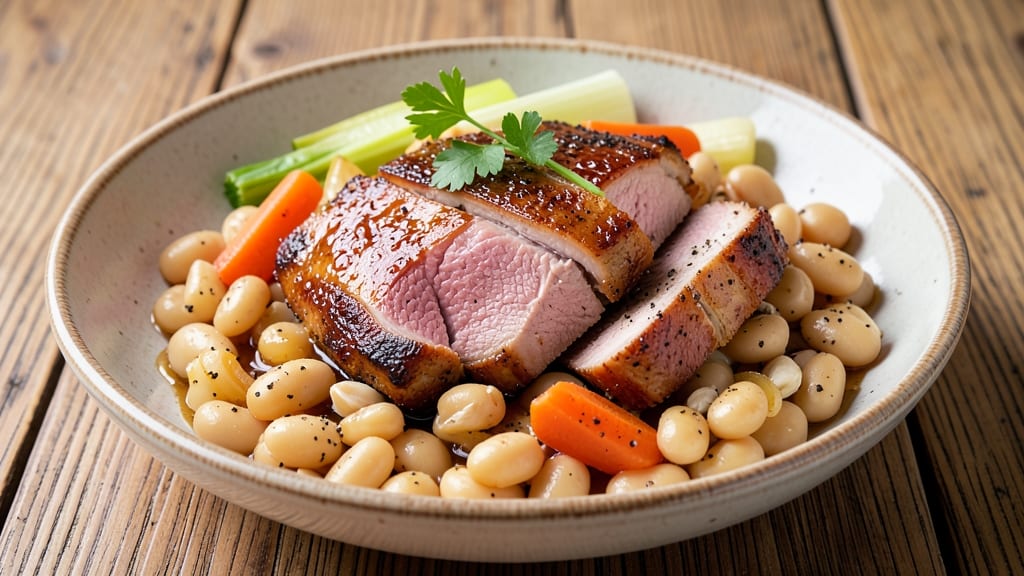
This cannellini beans and pork recipe transforms humble ingredients into a hearty, restaurant-quality stew that captures the essence of Italian comfort food. 💛 I developed it after years of perfecting the balance between tender pork and creamy white beans—each bite delivers rich, savory depth with a touch of herby brightness that lingers.
The secret lies in slow-braising the pork until fork-tender while letting the beans simmer just enough to soften without losing their natural creaminess. A crispy herby topping adds textural contrast, turning this into a complete meal that feels special without requiring hours in the kitchen.
The result? A dish that's equal parts satisfying and elegant, perfect for weeknight dinners or weekend gatherings.
What makes this recipe stand out is how it combines simple ingredients with professional techniques—browning the pork for deep flavor, deglazing with white wine for brightness, and finishing with fresh herbs that elevate every spoonful.
The beans absorb the pork's savory juices while maintaining their velvety texture, creating a harmonious balance of flavors. Whether you're serving it as a standalone stew or pairing it with crusty bread, this recipe delivers restaurant-quality results at home.
The herby crisp topping adds a satisfying crunch that cuts through the richness, making each bite feel complete. Let's get cooking!
Ingredients for cannellini beans and pork
Simple, restaurant-quality ingredients for a stew that balances tender pork and creamy white beans effortlessly.
| Ingredient | Amount | Notes |
|---|---|---|
| Pork Shoulder 🥓 | 1 ½ lb | Bone-in, cut into 1.5-inch cubes |
| Dried Cannellini Beans 🌾 | 1 ½ cups | Rinsed before soaking overnight |
| Carrots 🥕 | 2 medium | Peeled, cut into 1-inch chunks |
| Celery Stalks 🧅 | 3 whole | Chopped, with leaves reserved |
| Yellow Onion 🧅 | 1 whole | Diced, medium size |
| Garlic Cloves 🧄 | 4 cloves | Peeled, smashed for depth |
| Dry White Wine 🍷 | ½ cup | Sauvignon Blanc or Pinot Grigio |
| Diced Tomatoes 🍅 | 1 can (14.5 oz) | San Marzano preferred |
| Chicken Broth 💧 | 2 cups | Low-sodium, homemade preferred |
| Fresh Rosemary 🌿 | ½ tsp | Finely chopped, stems removed |
| Fresh Thyme 🌿 | 1 tbsp | Leaves only, chopped |
| Extra-Virgin Olive Oil 🫒 | ¼ cup | For searing pork |
| Panko Breadcrumbs 🍞 | ½ cup | For herby crisp topping |
| Parmesan Cheese 🧀 | ¼ cup | Freshly grated, fine |
| Fresh Parsley 🌿 | ¼ cup | Chopped, for garnish |
The pork shoulder is non-negotiable—it delivers the deep, savory flavor this dish needs. Look for bone-in cuts at your butcher or grocery store's meat counter, as the bone adds richness. Costco or Whole Foods often carry high-quality pork that's perfect for this recipe. If you can't find bone-in, substitute with pork loin cut into cubes, though it won't be as flavorful. The cannellini beans should be dried, not canned—soaking overnight ensures they're perfectly tender without losing their natural creaminess. For the carrots, organic is ideal if you're concerned about pesticides, but regular works fine. The celery adds a subtle earthiness that rounds out the dish, so don't skip it.
No white wine on hand? Substitute with extra chicken broth—just add an extra splash of lemon juice for brightness. The San Marzano tomatoes are worth seeking out; their sweetness and low acidity make a noticeable difference. If you can't find them, any high-quality crushed tomatoes will do. Fresh herbs are ideal, but dried thyme at one-third the amount works in a pinch. For the herby crisp topping, Panko breadcrumbs give the best texture—don't use regular breadcrumbs. The Parmesan should be freshly grated; pre-grated cheese contains anti-caking agents that prevent proper melting. If you're short on parsley, basil or cilantro can substitute, though the flavor will differ slightly.
This stew tastes even better the next day as the flavors meld together. Store leftovers in an airtight container in the fridge for up to 5 days, or freeze for 3 months. The herby crisp topping can be made a day ahead and toasted just before serving for maximum crunch. For meal prep, portion the stew into individual containers and freeze with the crisp topping stored separately. When reheating, add a splash of water or broth to prevent drying out. The crisp topping reheats beautifully in a dry skillet over medium heat for about 2 minutes.
Why You'll Love This Recipe
- One-Pot Magic: I swear by this recipe when I’m too tired to wash pots. Toss everything—pork, beans, veggies—into one pot with broth, and let it simmer. No chopping like a pro, no fancy steps. Just set it and forget it until the pork falls apart.
- Deep Umami Love: That pork shoulder? Slow-cooked until it’s tender enough to shred with a fork, then melting into the beans. The carrots and celery soften just enough to soak up all the savory juices—no dry bites here. Honestly, the first time I made it, I ate straight from the pot.
- Leftovers That Beg: This dish tastes better the next day, which is basically a miracle. I’ll make a big batch on Sunday, and by Wednesday, my kids are fighting over the last bowl. Freezer-friendly too—just reheat and serve. No sad, soggy leftovers here.
- Budget Stretch: Pork shoulder is cheap, dried beans last forever, and seasonal veggies keep it affordable. I’ll make this for $12 and feed four people—no takeout in sight. Plus, the flavor punches way above its price tag. (Yes, even on a Tuesday night.)
Step-by-step instructions for white bean and meat stew with herby crisp
Here's the method for a hearty, restaurant-quality stew with a crispy herby topping.
🔥 Step 1: Sear the Pork Shoulder for Deep Flavor
Pat the 1.5 lb pork shoulder dry with paper towels—this ensures maximum browning. Heat 0.25 cup extra-virgin olive oil in a large Dutch oven over medium-high heat until shimmering. Add the pork cubes in a single layer and sear for 4-5 minutes per side until deeply golden brown with crisp edges.
Don't overcrowd the pan—work in batches if needed. The goal is to develop a rich, caramelized crust that will infuse the stew with deep umami flavor. Transfer the seared pork to a plate and set aside, leaving all the rendered fat in the pot.
👨🍳 Step 2: Build the Aromatic Base with Vegetables
In the same Dutch oven, add 2 medium carrots, 3 whole celery stalks, and 1 whole yellow onion, all chopped to similar sizes. Sauté for 6-8 minutes until the vegetables soften and begin to caramelize at the edges. Add the 4 cloves garlic cloves and cook for 30 seconds until fragrant.
Here's the thing—you want these vegetables to develop color and sweetness. If they stick before browning, add a splash of 0.5 cup dry white wine to deglaze and lift the browned bits from the bottom. Let the wine reduce by half before proceeding.
🥘 Step 3: Simmer the Stew with Beans and Broth
Return the seared pork to the pot. Add 1.5 cups dried cannellini beans (rinsed and soaked overnight), 1 can (14.5 oz) diced tomatoes, 2 cups chicken broth, 0.5 tsp fresh rosemary, and 1 tbsp fresh thyme. Stir to combine, then bring to a gentle boil.
Once boiling, reduce heat to low and cover partially. Simmer for 1 hour 15 minutes until the pork is tender and the beans are fully cooked. The stew should have a thick, saucy consistency—if it's too thin, simmer uncovered for another 10 minutes to reduce. Taste and adjust seasoning with salt and pepper.
🍳 Step 4: Prepare the Herby Crisp Topping
While the stew simmers, pulse 0.5 cup panko breadcrumbs, 0.25 cup parmesan cheese, 0.25 cup fresh parsley, 0.25 cup extra-virgin olive oil, 0.25 tsp fresh rosemary, and 0.5 tbsp fresh thyme in a food processor until combined but not fully ground. The mixture should resemble coarse crumbs with visible herbs.
Spread the herby mixture on a parchment-lined baking sheet in an even layer. Bake at 375°F for 8-10 minutes until golden brown, stirring once halfway through. The topping should be crispy but not burnt—watch closely as it can go from perfect to overdone quickly.
🔥 Step 5: Finish and Serve with Crispy Topping
Once the stew is fully cooked and the topping is crisp, ladle the stew into serving bowls. Immediately sprinkle the herby crisp topping over each portion. The contrast between the warm, creamy stew and the crispy topping is what makes this dish truly special.
Let the stew rest for 5 minutes before serving—this allows the flavors to meld and the topping to maintain its crisp texture. Garnish with additional fresh parsley if desired. Each bite should deliver tender pork, creamy beans, and a burst of herby crunch.
Pro Tips For Making Cannellini Beans And Pork
- CRISP THE PORK FIRST: Brown the pork shoulder in batches—don’t skip this. A deep, caramelized crust locks in flavor and keeps the meat from turning mushy later. Use a 12-inch skillet on medium-high, pat the pork dry first (yes, even if it’s cold), and resist the urge to crowd the pan. If it’s too hot and sticks, lower the heat slightly—burnt bits taste like regret.
- SOAK BEANS 8 HOURS: Dried cannellini beans need a proper soak—at least 8 hours, or overnight if you’re planning ahead. I learned this the hard way: rushing it with a quick soak in hot water leaves them gummy. Use cold water, add a pinch of baking soda to soften the skins, and drain before cooking. No need to rinse unless you want to—just cook them straight from the soak.
- CHOP VEGETABLES UNIFORM: Carrots and celery should be cut into ¼-inch dice, not random chunks. Onion? Thin slices or a rough chop—anything smaller than ⅛-inch will dissolve into the broth. I used to eyeball it, but consistent sizing means even cooking and a cleaner finish. A sharp knife and a steady hand make this faster than you’d think.
- SIMMER LOW AND SLOW: After everything’s in the pot, keep the heat at a gentle simmer—just enough to see tiny bubbles at the edges, not a rolling boil. High heat will toughen the pork and turn the beans mealy. I used to walk away and come back to find the broth reduced to glue. Cover loosely and let it cook at 300°F (150°C) for 2.5–3 hours, stirring occasionally. Patience here is the thing that matters most.
Common mistakes when making this dish
Over-Soaking Beans
I’ve seen this happen more times than I can count—beans left soaking overnight in their skins, then dumped straight into the pot. Big mistake! Cannellini beans can absorb too much water, turning mushy and losing their natural creaminess. The fix?
Soak them in a large bowl with cold water (not a sealed container) for 8-12 hours, then drain and rinse before cooking. Pro tip: Add a pinch of baking soda to the soaking water to help soften them faster. 💡
Skipping the Sear
This is where most home cooks fall short. If you skip searing the pork shoulder, you’ll end up with bland, gray meat instead of rich, caramelized flavor. The key is high heat and patience—don’t rush it.
Work in batches if needed, and let those pork cubes develop a deep golden crust. The rendered fat in the pot becomes the flavor base for the entire stew. Trust me, this step makes all the difference. 🔥
Ignoring the Wine Reduction
Deglazing with white wine isn’t just about cleaning the pot—it’s about building layers of flavor. Many cooks pour in the wine, stir once, and move on. Wrong! Let that wine reduce by half before adding other ingredients.
This concentrates the alcohol’s flavor and adds brightness to the stew. A quick way to check: The wine should coat the back of a spoon but not pool at the bottom. 🍷
Underestimating Simmer Time
Pork shoulder needs time to become tender—rushing the simmer is a common pitfall. If you pull the stew off the heat too soon, the pork will be tough and chewy. The beans also need proper cooking time to soften without falling apart.
Aim for 1 hour 15 minutes on low heat, and use a meat thermometer to check—pork should reach 195°F (it’ll carry over to 185°F when resting). Patience here is non-negotiable. ⏳
Burning the Herby Crisp
The herby crisp topping is what elevates this dish from good to wow, but it’s easy to overdo. Many cooks watch it too closely and end up burning it before it crisps.
The secret? Stir once halfway through baking and keep an eye on the color—it should be golden, not dark brown. If it starts to smell toasted, pull it out immediately. A quick fix: Toast the crisp in a dry skillet over medium heat for 1-2 minutes to revive it. 🌿
Overcrowding the Pot
Stuffing too much into your Dutch oven is a recipe for disaster. The stew will steam instead of simmer, leading to soggy pork and undercooked beans. Start with half the ingredients, cook them until tender, then add the rest.
If you’re short on time, use a large stockpot instead—just monitor the liquid levels closely to avoid boiling dry. This small adjustment keeps everything perfectly balanced. 🥘
Nutrition facts
Frequently asked questions
Can I substitute canned cannellini beans instead of dried?
Yes, but with adjustments! Use 2 (15 oz) cans of canned beans (drained and rinsed) and reduce the simmer time to 45-60 minutes—they're pre-cooked. Add them with the tomatoes and broth, but don't skip the pork searing step. The texture will be slightly softer but still delicious.
What's the best cut of pork for this recipe?
Pork shoulder is ideal—it stays tender when slow-cooked and develops rich flavor. For 1.5 lb, look for bone-in cuts (like Boston butt) from your butcher. Need an alternative? Use pork loin cut into cubes (cook 10 minutes less) or pork belly (add 15 minutes to simmer time). The fat content makes a difference!
How can I make this dish vegetarian?
Swap the pork for 1.5 lb extra-firm tofu (pressed and cubed) or smoked tempeh. Sauté the tofu in olive oil until golden before adding vegetables. Boost umami with 1 tbsp soy sauce or 1 tsp liquid smoke in the broth. The herby crisp topping stays the same—it adds protein and texture.
Can I make this in an Instant Pot?
Sear the pork first, then add all ingredients except herbs. Cook on high pressure for 30 minutes, then natural release. Stir in fresh herbs at the end. For the crisp topping, bake as directed—it won't crisp in the Instant Pot. The pressure method cuts cooking time by half while keeping flavors deep.
What's the secret to extra-rich flavor?
Three things: 1) Don't skip the sear—browned pork creates maillard flavor. 2) Use homemade broth (or high-quality store-bought). 3) Finishing touch: Stir in 1 tbsp tomato paste with the fresh herbs at the end. This adds depth that store-bought ingredients can't match.