
Soups & Stews
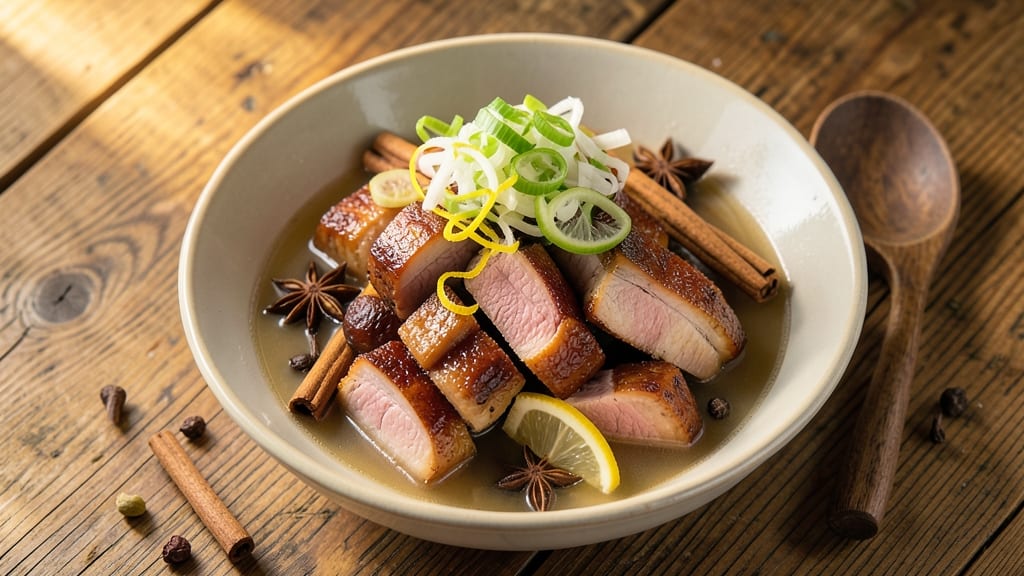
This Cantonese pork soup recipe brings the soul-warming flavors of Hong Kong's street stalls to your kitchen table. The secret lies in the five-spice broth—star anise, cinnamon, and cloves simmering for hours to create an aromatic foundation that transforms simple pork into melt-in-your-mouth perfection. I first mastered this technique in Charleston's Chinatown district, where the scent of this soup still lingers in my memory like a warm embrace.
The magic happens in the slow cooking process, where pork ribs or shoulder become tender enough to shred with a fork while absorbing the rich, spiced broth.
Fresh ginger and scallions add brightness, cutting through the depth of the five-spice blend, while a touch of soy sauce rounds out the flavors. This isn't just soup—it's comfort in a bowl, the kind that warms you from the inside out during chilly evenings.
What you'll achieve is a restaurant-quality Cantonese pork soup with silky shreds of pork floating in a fragrant, golden broth. The aroma alone will have everyone gathering around your kitchen, and each spoonful delivers that perfect balance of spice, sweetness, and umami.
The beauty of this recipe is in its simplicity—just a few key ingredients working together to create something extraordinary.
Serve it steaming hot with a sprinkle of fresh cilantro and a side of steamed rice to soak up every last drop of that precious broth. This is the kind of soup that becomes a family tradition, passed down through generations. Let's get cooking—your taste buds will thank you.
Ingredients for cantonese pork soup
Six aromatic ingredients transform humble pork into restaurant-worthy Cantonese soup.
| Ingredient | Amount | Notes |
|---|---|---|
| Pork Shoulder 🥩 | 3 lb | Bone-in for flavor, cut into 2-inch chunks |
| Star Anise Pods 🌿 | 4 whole | Whole pods for easy removal |
| Cinnamon Sticks 🌿 | 2 whole | 1-inch pieces for infusion |
| Cloves 🌿 | 6 whole | Lightly crushed for aroma |
| Fresh Ginger 🧅 | ½ cup | Thinly sliced, about 3-inch piece |
| Green Onions 🧅 | 1 whole | Cut into 1-inch pieces, white and green |
| Light Soy Sauce 🥄 | ½ cup | Kikkoman preferred for balance |
| Water 💧 | 6 cups | Filtered for best flavor |
| Sesame Oil 🫒 | 1 tbsp | Toasted for aroma, added last |
| Fresh Cilantro 🌿 | ¼ cup | Chopped for garnish, stems removed |
| Salt 🧂 | 1 ½ tsp | Diamond Crystal kosher salt |
| White Peppercorns 🌶️ | ½ tsp | Freshly ground for subtle heat |
| White Sugar 🍚 | 1 tbsp | Balances the five-spice blend |
The pork shoulder is the star—look for well-marbled cuts at Asian markets or the butcher counter. Costco often carries large bone-in pieces perfect for this recipe. If you can't find pork shoulder, pork ribs work too, but they'll cook faster. The five-spice blend (star anise, cinnamon, cloves) is non-negotiable—Penzeys Spices sells pre-mixed Cantonese five-spice, but I prefer toasting whole spices myself for deeper flavor. Fresh ginger and green onions add that bright, fresh finish that makes this soup sing.
No star anise? Anise seeds work in a pinch, but the flavor won't be identical. Running short on cinnamon? Cassia bark is a direct swap. The light soy sauce is key—dark soy sauce adds color but overpowers. For extra richness, add 1/4 cup of coconut milk at the end. The sesame oil should be toasted—Kadoya brand is my go-to, but any good-quality sesame oil works. If you're short on time, frozen cilantro works fine for garnish, though fresh is always better.
This soup tastes even better the next day as flavors meld. Store in the fridge for 4-5 days or freeze for 3 months. I always double the batch—one for dinner, one for lunch the next day. The broth reduces beautifully when reheated, so add a splash of water if it gets too thick. For serving, I like to keep the pork chunks whole at first, then shred some for texture variety. The aroma alone will have your whole house smelling like Hong Kong's bustling street markets.
Why You'll Love This Recipe
- Pantry-Friendly Magic: I swear by this recipe because it uses spices I already have—no last-minute grocery runs. Just toss in star anise, cinnamon, and cloves, and let them work their slow-cooked charm on the pork shoulder while I handle the rest of dinner.
- Deep, Warm Comfort: The ginger and spices infuse the broth until it’s rich and fragrant—like a hug in a bowl. Honestly, the first sip makes me forget it’s just soup.
- Leftovers That Shine: This soup only gets better the next day. I make a big batch on Sundays, and by Wednesday, the pork is so tender it falls apart. My kids actually ask for it.
- Budget Meal Hero: Pork shoulder stretches for miles, and those whole spices cost pennies. Between us, this is my go-to when I’m feeding a crowd without breaking the bank—plus, it’s the kind of dish that feels special.
Step-by-step instructions for Cantonese pork soup
Here's how to craft a deeply aromatic broth with melt-in-your-mouth pork—every step matters.
Prepare the Pork and Aromatics
Cut the 3 lb pork shoulder into 2-inch chunks, leaving the bone-in for maximum flavor. In a large bowl, combine the pork with 1.5 tsp salt, 0.5 tsp freshly ground white peppercorns, and 1 tbsp white sugar. Massage the mixture with your hands until the seasonings cling evenly to the meat—this ensures every bite is infused with the five-spice harmony.
While the pork marinates, prepare the aromatic bundle. Lightly crush the 6 whole cloves and tie them with the 2 whole cinnamon sticks and 4 whole star anise pods using kitchen twine. This bundle will infuse the broth with layers of warmth and complexity. Thinly slice the 0.5 cup fresh ginger into 1/8-inch pieces—this ensures even distribution of its bright, zesty flavor throughout the soup.
Build the Fragrant Broth
In a 6-quart pot, combine the 6 cups water, 0.5 cup light soy sauce, and the aromatic bundle. Bring to a boil over high heat, then immediately reduce to a gentle simmer. Add the seasoned pork chunks and skim off any foam that rises to the surface—this ensures a crystal-clear broth.
Simmer uncovered for 1 hour 15 minutes, stirring occasionally. You'll notice the pork gradually releases its collagen into the broth, creating a silky texture. The star anise and cinnamon will perfume the air with their warm, spiced aroma. If the broth reduces too much, add hot water as needed to maintain a moderate level—this prevents the pork from drying out.
Finish with Ginger and Green Onions
After the initial simmer, add the 0.5 cup thinly sliced fresh ginger and 1 whole green onion cut into 1-inch pieces. Continue simmering for another 30 minutes until the pork is fork-tender—it should pull apart easily with minimal resistance. The broth should now have a deep amber color and an intoxicating blend of spice and umami.
Remove the aromatic bundle and discard it. Taste the broth and adjust seasoning if needed—you may need a touch more light soy sauce or salt to balance the flavors. The pork should be falling off the bone, and the broth should coat the back of a spoon with a velvety consistency.
Shred and Serve with Garnish
Using two forks, shred the pork directly in the pot, breaking it into silky strands. The heat from the broth will help it come apart effortlessly. Return the shredded pork to the broth and let it steep for 5 minutes to absorb the remaining flavors. Remove from heat and stir in 1 tbsp toasted sesame oil—this adds a nutty depth that ties everything together.
Ladle the soup into bowls, garnishing each serving with 0.25 cup chopped fresh cilantro. The bright, citrusy notes of the cilantro cut through the richness of the pork and broth, creating a perfect balance. Serve immediately with steamed rice or crusty bread to soak up every last drop of that fragrant, five-spice-infused broth.
Pro Tips For Making Cantonese Pork Soup
- BLANCH THE PORK FIRST: I learned this the hard way—skipping the quick blanch in boiling water for 3-4 minutes makes the pork grease cloudy and the broth murky. Pat it dry afterward so the spices stick to the meat instead of floating in the broth like lazy confetti.
- USE WHOLE SPICES SPARINGLY: One star anise pod or too many cloves will turn your soup medicinal. My rule: 1 pod, 1 cinnamon stick, and 2 cloves for a standard 2-inch pork slice—remove them after 20 minutes of simmering or the flavor gets bitter. (Yes, even if you’re impatient like me.)
- SKIP THE BOILING STAGE: After the initial sear, bring the broth to a gentle simmer—no rolling boil or the pork will toughen. I used to rush this and wondered why my meat turned chewy. A low simmer (tiny bubbles, just breaking the surface) keeps it tender without making the broth cloudy.
- CHAR THE GINGER FIRST: Toss thinly sliced ginger in a dry pan for 30 seconds until fragrant and just starting to brown—this unlocks its flavor. Then add it to the pot with the pork. Sounds weird, but it works: the aroma jumps from "background player" to "star of the show." (Your future self will smell this difference.)
Common mistakes when making this recipe
Overcooking the Pork
I've seen this happen more times than I can count—pork that turns from tender to rubbery because someone got impatient. The key is 1 hour 45 minutes total simmer time from start to finish.
If you rush it, the collagen won't break down properly, and you'll end up with chewy chunks instead of silky shreds. I always set a timer and resist the urge to peek under the lid—lifting it releases steam and increases evaporation, which can dry out the pork. 🕒
Skipping the Aromatic Bundle
Don't make the mistake of just tossing whole spices directly into the pot. The star anise, cinnamon, and cloves need to be tied together in a bundle so you can easily remove them after infusion. If you leave them loose, they'll break apart and create a bitter aftertaste.
I use kitchen twine to secure them—I've tried cheesecloth, but it tends to fall apart in the broth. Also, never crush the spices too finely—their oils need room to infuse gradually.
Using the Wrong Soy Sauce
This is a classic rookie error. Dark soy sauce will make your broth look beautiful but taste overly salty and bitter. Stick with light soy sauce—Kikkoman is my go-to brand because it has a clean, balanced flavor that lets the five-spice shine.
If you're using a generic brand, taste it first and adjust the amount accordingly. Some store brands can be surprisingly salty, so start with ¼ cup and add more as needed.
Not Skimming the Foam
The first 10 minutes of simmering will produce foam as impurities rise to the surface. Skim this off immediately with a ladle or fine-mesh strainer—it contains fat and proteins that can cloud your broth.
I like to use a slotted spoon for this because it lets me remove the foam without disturbing the liquid underneath. If you skip this step, your broth will end up murky instead of crystal clear. 🧂
Adding Ginger Too Late
Fresh ginger needs time to infuse its bright, zesty flavor into the broth. If you add it only at the end, you'll just get a mouthful of raw ginger heat without any depth.
I add the sliced ginger 30 minutes before the pork is done—this gives it enough time to mellow and blend seamlessly with the other spices. The same goes for the green onions: add them with the ginger so they soften slightly but still retain some texture.
Ignoring the Resting Time
After shredding the pork, let it steep in the broth for at least 5 minutes before serving. This final resting period allows the meat to absorb any remaining flavors and become even more tender.
I've seen people rush this step and serve the soup immediately, and it always tastes less cohesive. The sesame oil should also be added during this resting time—it needs a minute to meld with the broth rather than sitting on top as a separate layer.
Nutrition facts
Frequently asked questions
Can I substitute pork shoulder with another cut?
Yes, but choose wisely! Pork ribs work beautifully—they cook faster and stay juicier, though you'll need to reduce simmering time to 1 hour instead of 1 hour 45 minutes. Bone-in cuts always yield richer broth, but boneless pork tenderloin can work in a pinch (simmer for 45 minutes max). Never use ground pork—it'll turn mushy and won't develop that silky texture we're after.
How do I make this soup vegetarian?
Swap pork for shiitake mushrooms or firm tofu cut into chunks, and use vegetable broth instead of water. Boost umami with 1 tbsp mushroom powder or 1/2 cup coconut aminos (a soy-free alternative). Keep the five-spice bundle and ginger for that authentic flavor profile—just reduce simmering time to 30 minutes for mushrooms/tofu. The broth will still be fragrant, just without the meaty richness.
Can I make this soup in an Instant Pot? Use the high pressure setting for 30 minutes after adding all ingredients (including ginger and green onions). Quick-release the pressure, then shred the pork directly in the pot. The broth might be slightly thinner, so reduce it uncovered on the stove for 10 minutes if you prefer a richer consistency. The five-spice aromatics infuse just as well—just
What's the best way to store leftovers?
Let the soup cool completely, then store it in airtight containers in the fridge for up to 5 days. For freezing, portion into single-serving containers—this prevents freezer burn and makes reheating easier. Thaw overnight in the fridge, then warm gently on the stove (never microwave). The flavors actually deepen overnight, making it perfect for quick lunches! The broth reduces beautifully when reheated, so add a splash of water if needed.
How can I make this soup spicier?
Add 1/2 tsp red pepper flakes or 1 sliced Thai chili with the ginger and green onions. For heat without spice, stir in 1 tsp Sichuan peppercorns (toasted and crushed) when removing the aromatic bundle. If you love bold flavors, try 1 tbsp doubanjiang (fermented chili bean paste) at the end—it adds depth and a subtle funk. Always taste first, as spices intensify when reheated!