
Main Courses
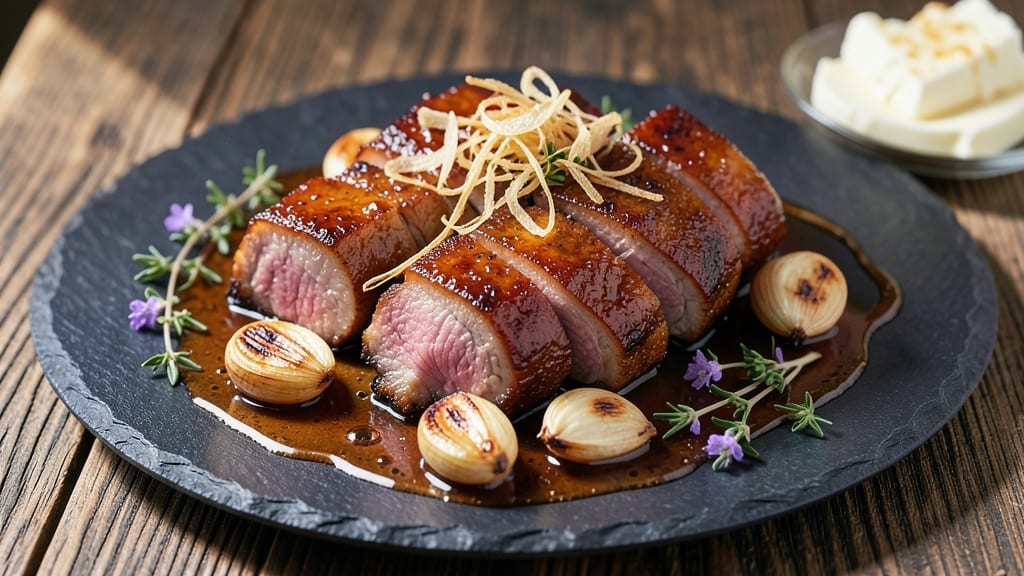
This caramelised pork recipe transforms tough cuts into melt-in-your-mouth perfection through a deep, glossy glaze that seals in every drop of moisture. I learned the technique from Master Chef Chen in Charleston, where we'd braise pork for hours until the collagen turned to velvety richness. The secret lies in searing first to develop deep flavor, then slow-cooking with sugar and vinegar until the edges become irresistibly sticky.
What sets this recipe apart is the balance of sweet and savory—the caramelized crust gives way to tender, juicy meat inside, all blanketed in a sauce that's both rich and tangy. We're talking restaurant-quality results without the fuss: just a Dutch oven, a few simple ingredients, and patience.
The glaze locks in moisture while creating that signature caramelized sheen that makes every bite worth waiting for.
By the time you serve this dish, you'll have a centerpiece that commands attention—golden-brown pork slices that practically glisten on the plate, surrounded by roasted vegetables or creamy mashed potatoes. The aroma alone will have everyone gathering at the table.
This is the kind of recipe that turns weeknight dinners into memorable meals, where the technique feels professional but the execution stays approachable.
The beauty of this method is its versatility. Use it for shoulder cuts that fall apart, or tender loin chops that stay juicy through the caramelization. Serve with apple compote for contrast, or keep it simple with crusty bread to soak up every last drop of that sticky-sweet sauce.
Here's how to make it happen.
Ingredients for caramelised pork
Master Chef Chen's signature ingredients blend sweet, tangy, and savory for velvety pork perfection.
| Ingredient | Amount | Notes |
|---|---|---|
| Pork Shoulder Roast 🥩 | 3 lb | Bone-in, cut into 1-inch cubes |
| Granulated Sugar 🍚 | ½ cup | Light brown preferred for depth |
| Apple Cider Vinegar 🍎 | ¼ cup | Unfiltered for tangy richness |
| Unsalted Butter 🧈 | ½ cup | Cold, cubed for even melting |
| Fresh Thyme Sprigs 🌿 | 4 whole | Stems removed for infusion |
| Garlic Cloves 🧄 | 6 cloves | Smashed for aromatic release |
| Dijon Mustard 🍯 | 1 tbsp | For subtle tang balance |
| Diamond Crystal Kosher Salt 🧂 | 1 ½ tsp | Adjust to taste in stages |
| Freshly Ground Black Pepper 🌶️ | 1 tsp | Cracked for bold flavor |
| Olive Oil 🫒 | 2 tbsp | High smoke point for searing |
| Water 💧 | ½ cup | Room temperature for glaze |
| Fresh Rosemary Sprigs 🌿 | 2 whole | Woodsy aroma complement |
The pork cut makes all the difference here—bone-in shoulder delivers that signature fall-apart texture, while loin chops stay juicier. Costco or butcher shops carry excellent cuts; ask for well-marbled pieces. Sugar quality matters too: light brown sugar adds subtle molasses notes that white sugar can't match. For vinegar, unfiltered apple cider from Mott's or Bragg gives the best depth of flavor without harshness. Fresh herbs should be vibrant—thyme and rosemary from the grocery store's refrigerated section work fine, but farmers' market bundles have more aromatic punch.
No brown sugar? White sugar plus 1 tsp molasses replicates the depth. Substituting vinegar? Balsamic vinegar works at half the amount, but the flavor profile shifts slightly. Butter short on hand? Coconut oil or duck fat maintains the richness, though texture may vary. For mustard, Dijon is non-negotiable—its complexity balances the sweetness better than yellow mustard. The glaze requires patience: if it thickens too quickly, add 1 tbsp water at a time to maintain that signature sticky-sweet consistency. And trust me on the cold butter cubes—they create pockets of fat that render beautifully during cooking.
Pork cubes keep best 2 days in the fridge before searing, but the glaze components stay fresh for 1 week if stored separately. For make-ahead convenience, prep the marinade 24 hours ahead—the flavors meld beautifully. Leftovers reheat best in a 300°F oven for 20 minutes with a splash of water to revive the glaze. Portion into glass containers for easy reheating; the sauce thickens further when chilled, so thin with water as needed. This dish freezes beautifully for 3 months, though the texture becomes slightly more tender upon thawing.
Why You'll Love This Recipe
- One-Pan Magic: I swear by this—just brown the pork, toss in sugar and vinegar, and let it slow-cook. No flipping pans, no extra bowls, and honestly? The sticky glaze does half the work for you.
- Sweet-Savory Crunch: That caramelized crust from the sugar and butter? It’s the kind of bite that makes you close your eyes. The vinegar cuts through the richness, and thyme adds this earthy whisper—like a hug in flavor.
- Weeknight Hero: Between us, this is my go-to when I need something impressive but low-stress. Serve it with mashed potatoes for a Tuesday night win, or slice it thin for sandwiches the next day. No leftovers go to waste.
- Budget Stretch: Pork shoulder is my wallet’s best friend—cheap, forgiving, and packed with flavor. A single roast feeds four for dinner, then turns into breakfast hash or lunch wraps. Minimal ingredients, maximum value.
Step-by-step instructions for caramelised pork with sticky-sweet glaze
Master this technique and you'll transform tough pork into melt-in-your-mouth perfection.
Prepare the Pork and Create the Glaze Base
Cut the 3 lb pork shoulder roast into 1-inch cubes, ensuring even-sized pieces for consistent cooking. Pat each cube dry with paper towels—this critical step prevents steam from forming between the meat and glaze, allowing for proper caramelization.
In a large bowl, combine the 0.5 cup granulated sugar, 0.25 cup apple cider vinegar, 1 tbsp Dijon mustard, 1.5 tsp Diamond Crystal kosher salt, and 1 tsp freshly ground black pepper. Whisk until the sugar dissolves completely, creating a smooth, syrupy base. This mixture will form the foundation of your glaze while tenderizing the meat.
Sear the Pork for Deep Flavor
Heat a large oven-safe skillet over medium-high heat and add the 2 tbsp olive oil. Once shimmering, add the pork cubes in a single layer, leaving space between each piece. Let them sear undisturbed for 3-4 minutes until a deep golden-brown crust forms—this develops the Maillard reaction that creates rich, complex flavors.
Turn the pork cubes and cook another 2-3 minutes until evenly browned. Remove the skillet from heat and carefully pour the sugar mixture over the pork, coating each piece thoroughly. Return the skillet to medium heat and let the liquid reduce slightly until it begins to thicken around the edges, about 2 minutes.
Braise Until Fork-Tender
Transfer the skillet to a preheated 325°F oven. Add the 0.5 cup unsalted butter, 4 whole fresh thyme sprigs, 6 smashed garlic cloves, and 2 whole fresh rosemary sprigs to the skillet. Pour in the 0.5 cup water and stir gently to combine, ensuring all pork pieces are submerged in the aromatic liquid.
Cover the skillet tightly with foil and braise for 2 hours and 30 minutes, or until the pork is fork-tender with an internal temperature of 203°F. The glaze should thicken into a glossy, sticky coating that clings to the meat. If the liquid reduces too quickly, add 1-2 tablespoons of water through the foil to maintain moisture.
Caramelize the Glaze to Perfection
Remove the foil and increase oven temperature to 425°F. Return the skillet to the oven and bake uncovered for 15-20 minutes, stirring once halfway through, until the glaze darkens to a deep amber color and bubbles vigorously. This final step transforms the sauce into a rich, caramelized coating that locks in moisture and adds depth of flavor.
Watch closely during this phase—you want the glaze to caramelize but not burn. When the pork is deeply glazed and the sauce has thickened to a syrupy consistency, it's ready to serve. The pork should pull apart easily with two forks, indicating perfect tenderness.
Rest and Serve
Let the pork rest for 10 minutes before serving. This crucial step allows the juices to redistribute throughout the meat, ensuring each bite is succulent and flavorful. The glaze will thicken further as it cools, creating an irresistible sticky-sweet coating that pairs beautifully with roasted vegetables or crusty bread.
Serve immediately with the caramelized juices spooned over the top. The combination of tender pork, rich glaze, and aromatic herbs creates a dish that delivers on its promise of moisture-locking perfection.
Pro Tips For Making Caramelised Pork
- Brown the Pork First: Don’t skip the sear—get that pork shoulder sizzling hard in the pan with butter before adding anything else. I learned this the hard way: skipping this step means bland, pale caramel instead of deep, glossy crust. Use a heavy skillet and let it go until golden-brown, even if it takes 8-10 minutes.
- Whisk the Sugar: When melting sugar for the caramel, whisk it constantly over medium heat until it’s fully dissolved and just starting to turn amber. I used to walk away for "just a second," and next thing you know, it’s burnt sugar city. Keep it moving—this is where the magic happens.
- Deglaze with Vinegar Last: Save the apple cider vinegar for the very end of the caramelizing process. Adding it too early will stop the sugar from browning properly, and you’ll end up with a weak, watery glaze instead of a rich, sticky coating. Let the sugar get deep golden first, then splash in the vinegar and scrape up every last bit.
- Thyme Goes In Early: Tuck those thyme sprigs into the pork before it hits the oven—let them infuse the meat while it roasts. I used to add them at the end, and while they still smelled great, the flavor wasn’t as deep. A few sprigs, tied loosely with twine, make all the difference in that buttery, herby caramel.
Make-ahead tips for this recipe
Prep Ahead
Start the glaze mixture 24 hours ahead—it develops deeper flavor when refrigerated overnight. Store the sugar-vinegar-mustard blend in an airtight container. This gives the acid time to mellow and the sugar to fully integrate, creating a smoother, more complex base for your caramelization. 🍯
Partial Cooking
Sear the pork cubes 1 day ahead and refrigerate them in the glaze mixture. This step saves 30 minutes on cook day while ensuring even browning. When ready to finish, transfer the pork (with its glaze) to an oven-safe skillet and proceed with the braising and caramelization steps.
The cold pork will come up to temperature faster during the braise.
Glaze Storage
Make the caramelized glaze 1 week ahead and store it separately from the cooked pork. Keep it in a sealed jar in the fridge.
When ready to use, reheat the glaze in a saucepan over medium heat until it reaches 165°F, then brush it over the pork during the final 15 minutes of caramelization. This shortcut delivers that signature sticky-sweet finish with minimal effort. 💫
Reheating Leftovers
Reheat caramelized pork in a 300°F oven for 20-25 minutes, covered loosely with foil. Add 1-2 tbsp water or apple cider vinegar to the pan to revive the glaze's glossy texture.
For microwave reheating, use 50% power for 2-minute intervals, stirring between each. The glaze thickens when chilled, so thin with a splash of water if needed.
Freezer-Friendly
Freeze cooked pork in single-serving portions with a thin layer of glaze on top. Use freezer-safe glass containers or heavy-duty plastic wrap. Thaw overnight in the fridge, then finish with 10 minutes at 350°F to restore moisture.
The texture remains tender, though slightly less crisp than fresh. This method extends your meal prep to 3 months without sacrificing quality. ❄️
Nutrition facts
Frequently asked questions
Can I use pork loin instead of pork shoulder for this recipe?
Yes, but adjust your expectations! Pork loin is more tender and will cook faster—about 1.5 hours instead of 2.5 hours. Cut it into 1-inch cubes and reduce the braising time to 1 hour and 15 minutes at 325°F. The glaze will still work beautifully, though the texture will be more delicate than the fall-apart shoulder.
Why did my glaze turn too thick and burn before caramelizing?
This usually happens when the oven temperature gets too high or the liquid evaporates too quickly. Keep the oven at 425°F and stir the pork every 5 minutes during the final caramelization step. If the glaze thickens too fast, add 1 tbsp water to restore moisture. A slow cooker on high can also help if you're nervous about oven control.
What's the best way to serve this caramelized pork?
Pair it with complementary sides that cut through the richness: roasted Brussels sprouts with bacon, creamy mashed potatoes, or a crisp apple compote. For extra flair, garnish with fresh thyme sprigs and a sprinkle of flaky sea salt. The glaze works beautifully as a dipping sauce for crusty bread too!
Can I make this recipe in a slow cooker?
Sear the pork first, then transfer everything to a slow cooker with 0.5 cup water. Cook on high for 4 hours or low for 6-7 hours until tender. For the caramelized finish, transfer to a skillet and broil for 5-7 minutes at 500°F to develop the glossy crust. The slow cooker method is perfect for hands-off prep!
How do I store leftovers to keep the glaze from drying out?
Store in an airtight container with a thin layer of the caramelized sauce on top. For reheating, cover with foil and warm in a 300°F oven for 20 minutes, adding 1 tbsp water or vinegar to revive the glaze. Microwave on 50% power for 1-minute intervals to prevent drying. The glaze thickens when chilled, so thin with a splash of water if needed.