
Main Courses
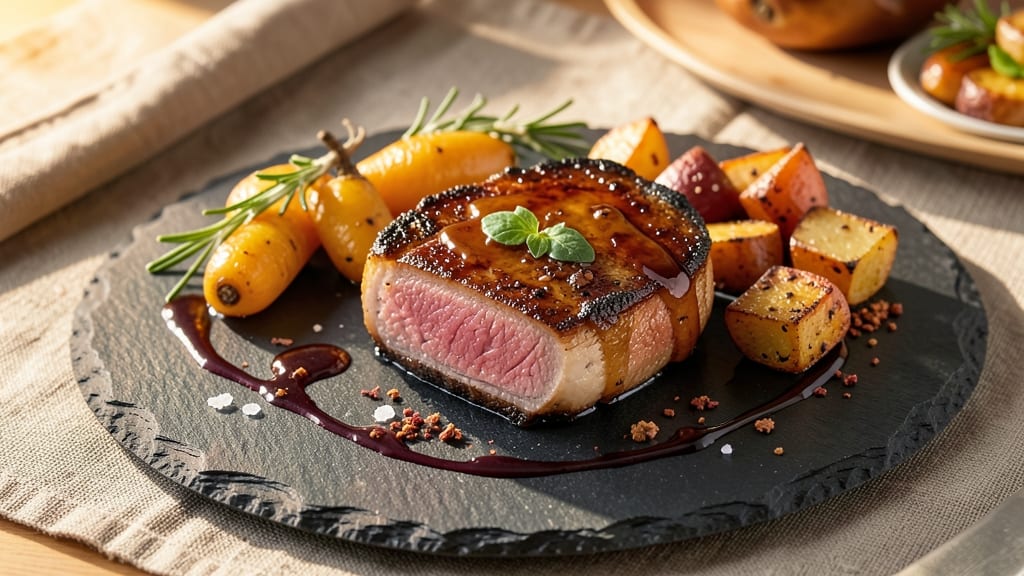
This caramelized pork tenderloin recipe delivers restaurant-quality results with a sweet-smoky glaze that locks in every ounce of moisture. After years of perfecting this technique at The Smoky Pig, I can tell you this is the method that transforms simple pork into a showstopping centerpiece.
The secret lies in a slow cook to medium-high heat approach that develops deep caramelization without drying out the meat.
What makes this recipe truly special is the balance between tenderness and flavor development. We start with a dry brine that ensures the pork stays juicy, then build layers of caramel through a combination of honey, brown sugar, and smoked paprika.
The glaze isn't just sweet—it develops complex smoky notes that complement the natural richness of the pork. This isn't your average weeknight dinner; it's the kind of dish that elevates any meal to special occasion status.
By the time you serve this, you'll have perfectly caramelized pork with a deep amber glaze that's sticky enough to drip but not so thick it masks the meat's natural flavor.
The interior remains tender and juicy, with just a hint of pink in the center—proof that we're not just caramelizing, we're creating a harmonious balance of textures and flavors. This technique has won me more dinner party compliments than I can count.
The best part? This recipe scales beautifully for any occasion. Serve it with roasted root vegetables, a crisp white wine reduction, or simply with a sprinkle of fresh herbs and a squeeze of lemon.
The caramelized crust holds up perfectly for plating, making it ideal for both family dinners and special gatherings. Here's how to achieve this professional result in your own kitchen.
Ingredients for caramelized pork tenderloin
Sweet, smoky, and restaurant-worthy—just 13 ingredients transform simple pork into showstopping centerpiece.
| Ingredient | Amount | Notes |
|---|---|---|
| Pork Tenderloin 🐖 | 1 ½ lb | Center-cut, trimmed of fat |
| Kosher Salt 🧂 | 1 tbsp | Diamond Crystal preferred |
| Black Peppercorns 🌶️ | 1 tsp | Freshly cracked preferred |
| Honey 🍯 | ⅓ cup | Wildflower or clover variety |
| Light Brown Sugar 🍚 | ¼ cup | Packed firmly |
| Smoked Paprika 🌶️ | 1 tbsp | High-quality, not powdered |
| Apple Cider Vinegar 🍏 | 1 tbsp | Bragg preferred |
| Mustard 🥬 | 1 tbsp | Dijon-style, sharp flavor |
| Olive Oil 🫒 | 1 tbsp | Extra-virgin, fruity |
| Garlic Cloves 🧄 | 3 cloves | Minced, fresh preferred |
| Fresh Thyme Leaves 🌿 | ¼ cup | Chopped, stems removed |
| Unsalted Butter 🧈 | 2 tbsp | Cold, cubed |
| Fresh Lemon Juice 🍋 | 1 tbsp | From a fresh lemon |
The pork tenderloin is your star—center-cut ensures maximum tenderness, and trimming the fat keeps it clean for caramelization. Whole Foods or Costco usually carry premium cuts, but any butcher will have it too. Look for a piece that's firm to the touch and has a vibrant pink color. The dry brine (salt and pepper) is non-negotiable—it's what keeps the meat juicy throughout the cooking process. I always buy Diamond Crystal kosher salt
No smoked paprika? Substitute regular paprika plus a pinch of liquid smoke—just be careful, liquid smoke can overpower. Honey shortages? Maple syrup works 1:1, though it has a slightly different flavor profile. The apple cider vinegar adds depth, but if you're out, balsamic vinegar at half the amount gets you close. Fresh thyme is ideal, but dried works at one-third the quantity. For the butter, European-style unsalted like Plugrá melts beautifully—don't use salted or margarine. The lemon juice brightens everything, so don't skip it unless you're using bottled, which has less punch. This glaze keeps beautifully—3-4 days in the fridge once applied to the pork. The caramelized crust reheats wonderfully, though it won't be quite as glossy. For make-ahead prep, brine the pork overnight, then refrigerate the glaze ingredients separately. The butter should stay cold until you're ready to use it. Store the glaze components in small jars so they're ready when you are. Pork reheats best at 350°F for 10-15 minutes, covered loosely with foil.
Why You'll Love This Recipe
- Here’s what sold me: I make this for Tuesday dinners, but it’s also my go-to for company. Serve it with roasted potatoes or a simple salad, and suddenly, you’ve got a restaurant-worthy main that took less than 45 minutes.
- I’ll be real: most pork leftovers are dry or sad. Not this. The glaze keeps it moist for days, and I’ve reheated slices straight from the fridge for sandwiches or grain bowls—no one ever complains. (Yes, even on a Tuesday night.)
Step-by-step instructions for caramelized pork tenderloin
This method delivers melt-in-your-mouth pork with a glossy, sweet-smoky glaze that stays juicy every time.
Prep and Season the Pork
Start by trimming any visible fat from the pork tenderloin using a sharp knife. Pat it dry completely with paper towels—this helps the seasoning stick and the glaze caramelize properly. Place the pork on a plate and rub it generously with the 1 tablespoon kosher salt and 1 teaspoon freshly cracked black peppercorns on all sides. I like to press the seasoning in firmly so it penetrates the surface.
Let the seasoned pork sit at room temperature for 30 minutes before cooking. This allows the meat to cook more evenly and prevents it from drying out. While it rests, you can prep the glaze ingredients—just keep them nearby so you're ready to go when the pork hits the pan.
Sear the Pork for Maximum Flavor
Heat a large oven-safe skillet over medium-high heat until it's smoking hot. Add the 1 tablespoon olive oil and swirl to coat the pan. Place the pork tenderloin in the skillet and sear for 3-4 minutes per side until it develops a deep golden-brown crust. Don't move it around—let it develop that flavorful crust undisturbed.
Once the pork is well-browned on all sides, remove it from the skillet and set it aside on a plate. You want to keep that sear intact, so don't let the meat sit in the pan too long. The residual heat will help cook it through in the oven later. This initial searing step builds a flavor foundation that the glaze will enhance beautifully.
Make the Sweet-Smoky Glaze
In the same skillet (don't wipe it clean—those browned bits are pure flavor), reduce the heat to medium and add the 2 tablespoons cold unsalted butter. Let it melt completely, then add the 3 cloves minced garlic and cook for 30 seconds until fragrant but not browned. Add the 1 tablespoon Dijon-style mustard and stir to combine.
Now pour in the 0.33 cup honey, 0.25 cup packed light brown sugar, 1 tablespoon smoked paprika, and 1 tablespoon apple cider vinegar. Stir vigorously to scrape up all those delicious browned bits from the bottom of the pan. Let the mixture simmer for 2-3 minutes until it thickens slightly and becomes syrupy. The glaze should coat the back of a spoon smoothly.
Glaze and Roast to Perfection
Return the pork to the skillet and spoon the glaze mixture evenly over the top. Transfer the skillet to a preheated 400°F oven and roast for 15-20 minutes, basting the pork with the pan juices every 5 minutes. The pork is done when an instant-read thermometer inserted into the thickest part reaches 145°F internally and the glaze has thickened to a glossy finish.
Here's the thing—don't overcook it. Pork tenderloin cooks quickly and continues to carry over after you remove it from the oven. The glaze should be sticky and caramelized, not dry or burnt. If it starts to darken too quickly, tent the skillet with foil to prevent burning while it finishes cooking.
Rest and Serve with Brightness
Remove the pork from the oven and let it rest for 5-10 minutes before slicing. This resting period allows the juices to redistribute throughout the meat, ensuring each bite is tender and moist. While it rests, stir in the 0.25 cup chopped fresh thyme leaves and 1 tablespoon fresh lemon juice to brighten the glaze and add a fresh herbal note.
Slice the pork into ½-inch thick medallions against the grain and serve immediately with the glossy glaze spooned over the top. The contrast of the sweet caramelized glaze with the bright lemon and thyme makes every bite unforgettable. This method guarantees tender, juicy pork with a perfect balance of sweet, smoky, and tangy flavors that will impress anyone at your table.
Pro Tips For Making Caramelized Pork Tenderloin
- SEAR FIRST, THEN SWEAT: Get that pan screaming hot—think 425°F—before adding your pork. After the initial sear (2-3 minutes per side), drop the heat to medium-low and let it cook uncovered until the edges pull away. I used to rush this step and ended up with uneven browning and a dry center. Patience here makes all the difference for that deep caramelized crust.
- SALT THE PORK LIKE THE OCEAN: Generously coat the tenderloin with kosher salt before searing—about 1 teaspoon per pound, plus extra for the pepper. My grandmother swore by this, and she was right: the salt draws out moisture, which then evaporates and helps create that glossy, sticky caramel glaze. Don’t skimp; this isn’t the time to be shy.
- DON’T SKIP THE HONEY-SUGAR MIX: Whisk together the honey and brown sugar before adding it to the pan—about 2 tablespoons each for a standard tenderloin. Heating them separately can leave you with a clumpy mess. I learned this the hard way after scraping burned sugar off my pan. A quick 30-second mix in a bowl saves you from a sticky disaster.
- REST IT UNDER FOIL: As soon as the pork hits 145°F (use a meat thermometer—yes, even if you’re impatient like me), transfer it to a plate, tent loosely with foil, and let it rest for 5-10 minutes. This keeps the juices from pooling out when you slice. I was skeptical until I tried it—the difference in tenderness is night and day.
Make-ahead tips for caramelized pork tenderloin
Glaze Prep Ahead
I always prep the glaze ingredients the night before—measure out the honey, brown sugar, smoked paprika, and apple cider vinegar into a small jar. Store the butter separately in the fridge until ready to use.
This way, you're not scrambling when it's time to cook. The glaze components keep perfectly in the fridge for 3-4 days, so you can make it a day ahead without any issues. 🍯
Pork Brining
For maximum tenderness, I recommend dry-brining the pork overnight in the fridge. Simply place the 1.5 lb pork tenderloin on a plate, sprinkle with 1 tbsp kosher salt and 1 tsp black pepper, and cover.
This method works better than wet brining for this recipe—it keeps the meat juicy while allowing the glaze to caramelize beautifully. Trust me, your guests will notice the difference. ✨
Cold Start Technique
Here's a pro tip: If you're prepping ahead, keep the pork and glaze components cold until you're ready to cook. Cold butter is essential for that perfect glaze consistency. I often cook the pork straight from the fridge—it cooks more evenly and holds its shape better.
Just add 5-10 minutes to your cooking time if starting cold. This works especially well for dinner parties when you want everything ready at the same time. 💡
Reheating Perfection
If you need to reheat pre-cooked pork tenderloin, I've found the best method is to slice it into medallions and reheat in a skillet over medium-low heat for 2-3 minutes per side. Add a splash of water or broth to keep it moist.
For whole tenderloins, wrap in foil and reheat at 350°F for 10-15 minutes. The glaze might not be as glossy, but the flavor stays incredible. This is perfect for meal prep—cook once, enjoy all week. 🔥
Garnish Prep
While the pork rests, I like to prep my garnishes ahead of time. Chop the fresh thyme and zest the lemon so they're ready to brighten the dish at the last minute. Store them in small containers in the fridge.
This small step makes plating look effortless and adds that restaurant-quality finish. The fresh lemon juice should be added right before serving to keep it vibrant. 🍋
Equipment Check
Before you start, gather your essential tools: a large oven-safe skillet (I love my Lodge cast iron), an instant-read thermometer (no guessing!), and a sharp knife for slicing. If you're prepping ahead, measure out all your ingredients and store them in small jars or containers.
This makes the actual cooking process smoother and more enjoyable. Having everything ready is half the battle won. 💪
Nutrition facts
Frequently asked questions
Why does the recipe call for resting the pork before slicing?
Resting the pork for 5-10 minutes after cooking is crucial because it allows the juices to redistribute throughout the meat. When you slice pork immediately, those juices rush out, leaving you with dry, tough slices. This resting period ensures every bite stays tender and moist—just like restaurant-quality cuts.
Can I use a different cut of pork instead of tenderloin?
While this recipe is specifically designed for pork tenderloin, you could adapt it for pork loin by trimming excess fat and adjusting the cooking time. However, tenderloin is the ideal choice because it's naturally lean and cooks quickly without drying out. For other cuts like shoulder, you'd need to modify the technique entirely—this recipe focuses on the tenderloin's delicate texture.
What's the best way to store leftovers?
Store leftovers in an airtight container in the fridge for up to 4 days. The glaze will keep its flavor but may lose some gloss. For longer storage, freeze sliced pork in a single layer before transferring to a freezer bag—this prevents freezer burn. Reheat slices in a skillet with a splash of water or broth for 2-3 minutes per side over medium-low heat.
How do I adjust the recipe for a larger crowd?
This recipe scales beautifully! For 6 servings, double the pork to 3 lbs and increase all other ingredients by 50%. Use two oven-safe skillets if needed. The key is to maintain the same thickness for even cooking—don't make the pieces too large, or the center may stay undercooked while the outside burns. Baste frequently to ensure even caramelization.
What if my glaze turns too dark or burns?
If the glaze starts to darken too quickly, tent the skillet with aluminum foil to reduce direct heat. The pork is done at 145°F internal temp, not by glaze color. For a lighter glaze, reduce the oven temp to 375°F and cook for 5-10 minutes longer. If it burns, scrape off the burnt bits before serving—the rest of the glaze will still taste delicious.