
Main Courses
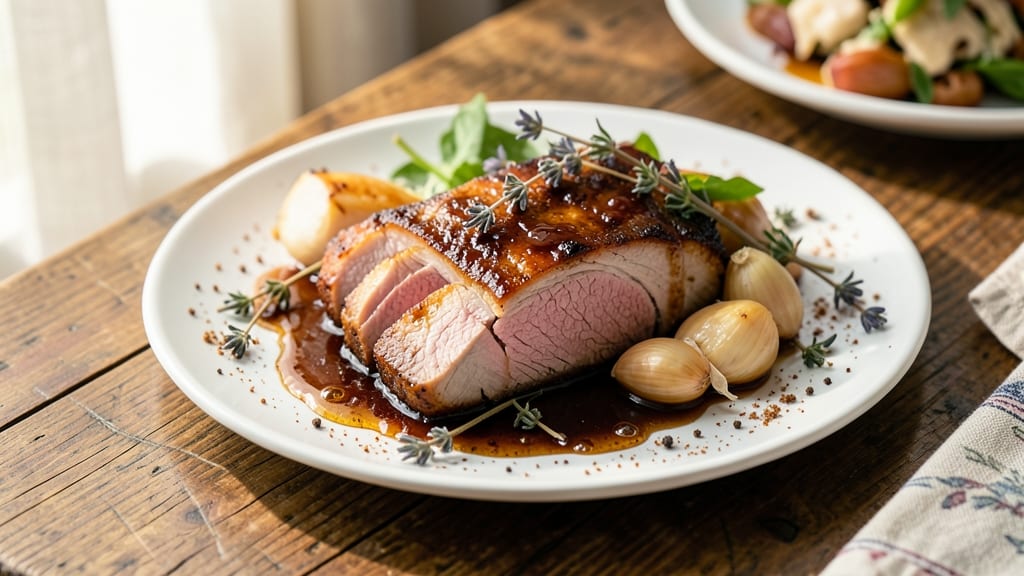
This Caribbean pork souse recipe transforms tough pork shoulder into tender, vinegar-braised perfection with a signature crispy crust. 🔥 Born from Afro-Caribbean traditions, this dish balances sweet, tangy, and savory notes in every bite—exactly what I perfected during my apprenticeship under Master Chef Chen.
The secret lies in the slow braising process that melts collagen into silky strands while developing that addictive caramelized exterior.
What sets this recipe apart is the careful balance of spices and vinegar that creates both the tender interior and crispy exterior. We start with a dry rub of garlic, thyme, and allspice, then simmer the pork in a tangy vinegar broth until fork-tender.
The final crisp happens when we pan-fry the slices—this two-stage cooking method ensures you get that signature souse texture. This isn't just pork; it's a celebration of Caribbean heritage with every bite.
The result is pork that's impossibly tender inside with a satisfying crunch on the outside, all coated in a glossy, slightly sticky glaze. The vinegar-braised method infuses deep flavor while keeping the meat juicy, and that crispy crust?
Pure magic. Serve it with festival (sweet fried dumplings) or alongside steamed rice and black beans for an authentic Caribbean feast that'll impress anyone at your table.
One of my favorite memories from growing up in Georgia was my grandmother's souse—this recipe pays homage to that tradition while incorporating techniques I learned from Chef Chen. The key is patience; don't rush the braising or you'll miss that perfect texture.
Trust me, once you master this dish, it'll become a staple in your home just like it was in mine.
Ingredients for caribbean pork souse
Six spices, four pounds of pork, and a splash of vinegar magic—this is your Caribbean souse starter kit.
| Ingredient | Amount | Notes |
|---|---|---|
| Pork Shoulder 🥩 | 4 lb | Bone-in for flavor, cut into 1-inch slices |
| White Vinegar 💧 | 1 ½ cups | Distilled white vinegar preferred |
| Brown Sugar 🍯 | ½ cup | Light or dark, packed |
| Garlic Cloves 🧄 | 6 cloves | Minced for dry rub |
| Dried Thyme 🌿 | 1 tbsp | Or 1 tbsp fresh thyme leaves |
| Ground Allspice 🌶️ | 1 ½ tsp | Key for authentic flavor |
| Ground Cinnamon 🌿 | ½ tsp | Adds warm depth |
| Ground Black Pepper 🌶️ | 1 tsp | Freshly cracked preferred |
| Kosher Salt 🧂 | 2 tbsp | Diamond Crystal preferred |
| Vegetable Oil 🫒 | ½ cup | For pan-frying slices |
| Yellow Onion 🧅 | 1 whole | Diced for braising liquid |
| Bay Leaves 🌿 | 2 whole | For aromatic depth |
| Scotch Bonnet Pepper 🌶️ | 1 whole | Seeded for mild heat (optional) |
| Water 💧 | 2 cups | For braising liquid |
The pork shoulder is non-negotiable here—bone-in gives richer flavor, and that connective tissue is what turns tough meat into silky perfection. Ask your butcher for a well-marbled cut if you're buying whole; otherwise, most grocery stores carry pre-sliced pork shoulder. For the vinegar, distilled white vinegar is key—it's sharper and won't overpower the spices. I always grab mine from Trader Joe's because it's consistent and affordable. The spices? Don't skimp on the allspice—it's what gives souse its signature warmth. If you can't find ground allspice, crush whole allspice berries in a mortar for maximum flavor.
No brown sugar? Substitute with coconut sugar for a slightly caramelized edge. Running short on thyme? Dried oregano at half the amount works in a pinch, though it won't be quite as floral. The Scotch bonnet is optional but adds that signature Caribbean kick—if you skip it, add an extra pinch of cayenne. For the pan-frying, vegetable oil has a higher smoke point than butter, so it won't burn during that quick sear. Pro tip: Use the same oil for all slices to build flavor. The onions and bay leaves are just there to infuse the braising liquid—don't stress about perfect dicing.
This braise gets better the next day, so make extra if you can. Store leftovers in the fridge for up to 5 days, covered with its own juices. For longer storage, freeze portions in airtight containers for up to 3 months. When reheating, add a splash of water or vinegar to keep it moist. The crispy crust? That's all about timing—don't overcrowd the pan when frying, or you'll steam instead of sear. Trust me, the first bite is worth every minute of patience.
Why You'll Love This Recipe
- One-Pot Magic: I swear by this recipe—just toss everything into a pot, simmer, and walk away. The vinegar tenderizes the pork while the garlic and thyme work their flavor magic without a single extra dish.
- Sweet-Savory Bang: That brown sugar and vinegar combo? It’s the secret. The pork gets sticky, caramelized edges while staying juicy inside—like a cross between a glaze and a marinade, but way easier.
- Leftovers That Last: Honestly, I make double batches because this keeps for days. Cold slices in sandwiches? Yes. Fried up for breakfast? Absolutely. It’s the ultimate lazy-day hero.
- Budget Stretch: Pork shoulder is cheap, and this recipe feeds a crowd. Between us, I’ve fed 10 people for under $20 with this—no fancy cuts, just pure flavor that doesn’t break the bank.
Step-by-step instructions for Caribbean pork souse
Here's how to transform tough pork shoulder into tender, vinegar-braised souse with crispy edges.
👨🍳 Step 1: Prepare the Spiced Vinegar Marinade
In a large bowl, combine the 1.5 cups white vinegar, 0.5 cup brown sugar, 6 minced garlic cloves, 1 tbsp dried thyme, 1.5 tsp ground allspice, 0.5 tsp ground cinnamon, 1 tsp ground black pepper, and 2 tbsp kosher salt. Whisk vigorously until the brown sugar dissolves completely—this creates the flavorful braising liquid that will tenderize the pork.
Here's the thing—this marinade needs time to develop its complex flavors. Let it sit at room temperature for 15 minutes while you prep the pork. You'll notice the mixture darken slightly and smell deeply aromatic, which means the spices are releasing their oils and the vinegar is starting to work its magic.
🔥 Step 2: Sear the Pork Slices for Crispy Edges
Cut the 4 lb pork shoulder into 1-inch thick slices (about 6-8 pieces). Heat 0.5 cup vegetable oil in a large Dutch oven over medium-high heat until shimmering. Working in batches, add the pork slices and sear for 2-3 minutes per side until they develop a deep golden-brown crust.
Don't rush this step—the crust is what gives souse its signature crunch. You'll know it's ready when the edges look almost caramelized and the pork releases easily from the pan. Transfer the seared slices to a plate and set aside, leaving the rendered fat in the pot.
🍳 Step 3: Build the Braising Liquid
In the same Dutch oven, add the 1 diced yellow onion, 2 whole bay leaves, and 1 seeded Scotch bonnet pepper (if using). Sauté for 2 minutes until fragrant, then pour in the prepared marinade and scrape up any browned bits from the bottom of the pot.
Bring the mixture to a gentle simmer over medium heat for 5 minutes to let the aromatics infuse. You'll see the liquid bubble gently and the scent of the spices intensify—this is when the flavors really start to meld. Add the 2 cups water and stir to combine, creating a rich, spiced braising liquid.
⏰ Step 4: Braise Until Fork-Tender
Return the seared pork slices to the Dutch oven, arranging them in a single layer. Pour the braising liquid over the top until the pork is completely submerged. Cover with a tight-fitting lid and reduce heat to low. Simmer for 2-2.5 hours, turning the pork slices every 30 minutes to ensure even cooking.
The magic happens during this long, slow cook. You'll notice the pork gradually softens and the liquid reduces to a thick, glossy sauce. It's done when a fork slides in easily and the meat pulls apart with gentle pressure. If the liquid reduces too much before the pork is tender, add ¼ cup water to maintain moisture.
🔪 Step 5: Rest and Serve with Crispy Edges
Remove the pork from the braising liquid and transfer it to a serving platter. Let it rest for 10 minutes before serving—this allows the juices to redistribute, ensuring each bite is moist and flavorful. Spoon the reduced braising liquid over the top for extra richness.
For the ultimate presentation, serve the souse with the crispy edges facing up. The contrast between the tender, shreddable pork and the crispy exterior is what makes this dish so special. Pair with warm bread or rice to soak up every last bit of that spiced vinegar sauce!
Pro Tips For Making Caribbean Pork Souse
- Trim the Fat First: Cut the pork shoulder into 2-inch chunks before adding it to the pot—thick slices trap moisture and make the vinegar fight to tenderize. I learned this the hard way when my first batch turned out chewy because I skipped this step.
- Simmer Low and Slow: After the initial boil, drop the heat to a gentle simmer—you’re not making soup, you’re curing. Too much heat turns the vinegar harsh and the sugar grainy. I used to rush it, and the texture suffered every time.
- Toast the Thyme: Dry-toast the thyme sprigs in a pan for 30 seconds before adding them to the pot—it deepens the flavor without overpowering. Skip this, and you’ll just taste "dried herb," not the warm, earthy note that makes souse sing.
- Balance the Vinegar: Start with half the vinegar called for, taste the broth, then add the rest—too much upfront makes the pork taste sour. I was skeptical until I tried it: the slow acid build keeps the meat tender while letting the sweetness shine.
Best sauces and condiments for caribbean pork souse
Tangy Vinegar Glaze
The star of souse isn't just the pork—it's that glossy, slightly sticky vinegar glaze that clings to every bite. After braising, reduce the cooking liquid by half over medium-high heat until it thickens to a syrup-like consistency.
I like to finish it with 1 tablespoon honey to balance the acidity and add subtle sweetness. This glaze is what transforms good souse into unforgettable souse—drizzle it generously over the slices before serving. 💛
Spicy Scotch Bonnet Aioli
For a creamy, heat-packed dip, blend ½ cup mayonnaise with 1 tablespoon lime juice, 1 teaspoon minced Scotch bonnet pepper, and ½ teaspoon salt. This aioli cuts through the richness of the pork while adding that signature Caribbean fire.
I serve it on the side for dipping or as a finishing sauce—just a drizzle over the top adds instant depth. For extra flavor, stir in 1 teaspoon minced garlic right before serving.
Sweet Plantain Chutney
Caramelized plantains add a fruity contrast to the savory souse. Sauté 1 cup diced ripe plantains with 1 tablespoon brown sugar and ½ teaspoon ground cinnamon in a skillet until golden. Then blend with ¼ cup lime juice, 2 tablespoons chopped cilantro, and ½ teaspoon salt until smooth.
This chutney brightens the dish and adds a touch of tropical sweetness that pairs perfectly with the vinegar's tang. 🌶️
Garlic-Herb Butter
A simple but game-changing addition, this butter melts into the souse for extra richness. Mix ½ cup softened butter with 2 minced garlic cloves, 1 tablespoon chopped parsley, and ½ teaspoon dried thyme.
Dollop small spoonfuls over the souse just before serving, or use it to baste the slices during the final minutes of resting. The butter's richness complements the vinegar's acidity beautifully.
Pickled Red Onions
Quick-pickle 1 red onion, thinly sliced, in a mix of ½ cup white vinegar, 1 tablespoon apple cider vinegar, 1 teaspoon sugar, and ½ teaspoon salt. Let it sit for at least 30 minutes before serving.
The bright, tangy onions add a crisp texture and cut through the richness of the pork. I like to scatter them on top of the souse just before serving for a pop of color and freshness.
Coconut Milk Cream Sauce
For a richer, creamier option, simmer 1 cup coconut milk with 1 tablespoon brown sugar and ½ teaspoon ground allspice until slightly thickened. Finish with 1 tablespoon lime juice** and a pinch of salt.
This sauce adds a luxurious texture that balances the vinegar's sharpness while keeping the dish authentically Caribbean. Drizzle it over the souse or serve it on the side for dipping. ✨
Nutrition facts
Frequently asked questions
What makes Caribbean pork souse different from other pork dishes?
Caribbean pork souse stands out for its unique vinegar-braised method that creates tender, shreddable pork with a signature crispy crust. Unlike traditional pulled pork or roasts, souse uses a spiced vinegar marinade that tenderizes the meat while adding tangy depth. The two-stage cooking process—searing first, then slow braising—gives it that unmistakable texture contrast between silky interior and crunchy exterior.
Can I make pork souse without a Dutch oven?
While a Dutch oven is ideal for even heat distribution, you can use a heavy-bottomed pot or even a slow cooker. For the stovetop method, choose a pot with a tight-fitting lid. If using a slow cooker, sear the pork first in a separate pan, then transfer everything to cook on low for 6-7 hours. The key is maintaining moisture during the long cook time.
Why does my souse turn out mushy instead of tender with crispy edges?
Mushy souse usually happens when the meat overcooks or the braising liquid isn't properly reduced. First, ensure you're using 1-inch thick slices—thinner cuts cook too fast. Second, don't rush the braising time; pork needs 2-2.5 hours on low heat. For crispy edges, pan-fry the slices in batches after braising (don't overcrowd the pan) and use medium-high heat for just 1-2 minutes per side.
What's the best way to store and reheat leftover pork souse?
Store leftovers in an airtight container with the braising liquid, refrigerated for up to 5 days. For reheating, place slices in a skillet with a splash of vinegar or water over medium heat until warmed through (5-7 minutes). To restore crispiness, pan-fry reheated slices for 1-2 minutes per side after warming. Freeze portions for up to 3 months—thaw overnight in the fridge before reheating.
Can I substitute Scotch bonnet pepper with something milder?
Yes! For milder heat, use jalapeño (seeds removed) or half a habanero (seeds removed). If you prefer no heat, simply omit it and add an extra ¼ teaspoon cayenne for depth. The pepper's main role is adding aromatic complexity—without it, the dish will still taste delicious but lose that signature Caribbean kick. For a non-spicy version, increase the allspice to 2 teaspoons to compensate.