
Soups & Stews
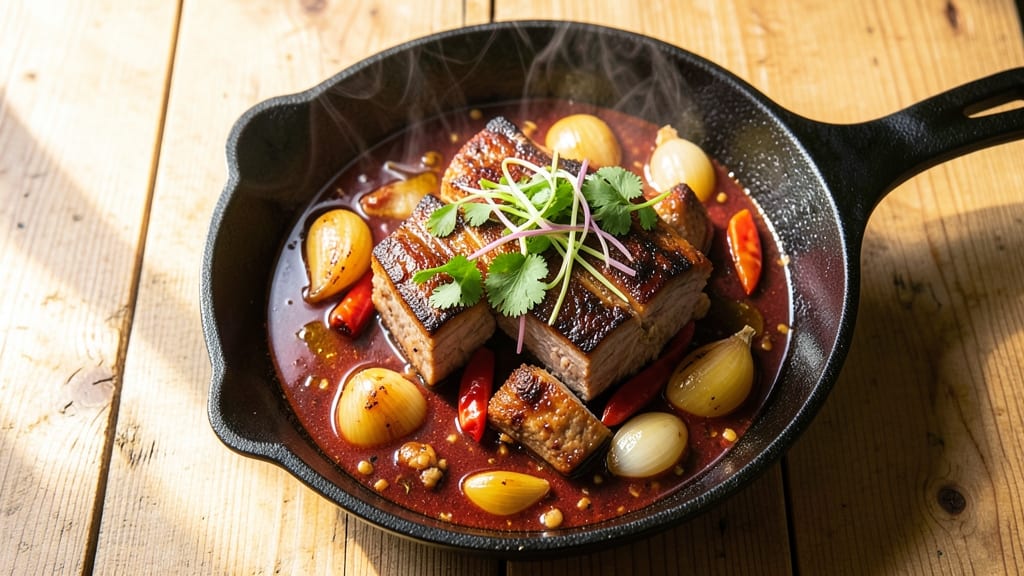
This Caribbean pork stew recipe transforms tough pork shoulder into melt-in-your-mouth tenderness through slow simmering and bold spice layering. The secret lies in building flavor through a deep roux and letting Scotch bonnet peppers infuse the broth with just the right heat.
I first perfected this technique while working in Charleston's seafood markets, where Caribbean flavors mingled with Southern slow-cooking traditions.
The magic happens when you brown the pork first—this creates a rich crust that dissolves into the stew, deepening its complexity. A splash of dark rum caramelizes during simmering, adding layers of warmth that balance the peppery heat.
What you'll end up with is a stew so flavorful it tastes like it's been simmering all day, even if you're working with just a few hours.
Serve this stew over buttery white rice or with warm plantains to soak up every last drop of that aromatic broth. The pork will be fork-tender, the sauce velvety with just the right body, and each bite will carry the perfect harmony of sweet, spicy, and savory notes.
This is comfort food at its finest—rich, satisfying, and full of character.
For those watching gluten, swap the traditional flour roux for a cornstarch slurry—it thickens beautifully without compromising texture. The same technique works for braising chicken or beef if you want to experiment. What matters most is that low-and-slow cooking method that turns simple ingredients into something extraordinary.
Ingredients for caribbean pork stew
Six ingredients build the base, bold spices create the magic—just rum and patience finish it.
| Ingredient | Amount | Notes |
|---|---|---|
| Pork Shoulder 🥩 | 3 lb | Bone-in for maximum flavor |
| All-Purpose Flour 🌾 | ½ cup | For roux base (or cornstarch slurry) |
| Scotch Bonnet Peppers 🌶️ | 2 whole | Seeds removed for less heat |
| Yellow Onion 🧅 | 1 whole | Diced, medium size |
| Garlic Cloves 🧄 | 6 cloves | Minced, fresh preferred |
| Tomato Paste 🍅 | ½ cup | Smooth, not chunky |
| Dark Rum 🍹 | ½ cup | Aged 4+ years preferred |
| Chicken Broth 💧 | 4 cups | Low-sodium preferred |
| Allspice Berries 🌿 | 1 tsp | Crushed, whole berries |
| Ground Cinnamon 🌶️ | ½ tsp | Freshly ground preferred |
| Ground Nutmeg 🌶️ | ¼ tsp | Freshly grated nutmeg |
| Thyme Sprigs 🌿 | 4 whole | Fresh, stems removed |
| Bay Leaves 🌿 | 2 whole | Dried, standard size |
| Olive Oil 🫒 | ¼ cup | Extra-virgin for richness |
| Salt 🧂 | 1 ½ tsp | Diamond Crystal preferred |
The pork shoulder is non-negotiable here—bone-in for that deep, meaty flavor you can't get from pre-cut pieces. Look for well-marbled cuts at Whole Foods or your local butcher shop if you want to splurge. The Scotch bonnet peppers are the real stars, so grab fresh ones from the Latin market if you can find them—they pack way more heat and complexity than jarred versions. For the flour, King Arthur is my go-to brand, but any all-purpose works fine if you're in a pinch. The rum? Havana Club 7-year is my absolute favorite, but any aged rum will do—just avoid the cheap stuff that tastes like paint thinner.
No Scotch bonnet peppers? Habanero or Thai chili will work in a pinch, but reduce the amount to half—these peppers pack serious heat. Fresh thyme and allspice are ideal, but dried thyme at one-third the amount or ground allspice will get you close. For the roux, if you're avoiding gluten, cornstarch slurry is the way to go—just mix 2 tbsp cornstarch with 2 tbsp cold water and add it at the end. The tomato paste can be the squeeze tube kind from Trader Joe's—it's perfect for this recipe and won't go to waste. And if you're out of dark rum, bourbon or even brandy will work, though the flavor profile will shift slightly.
This stew tastes even better the next day—3-4 days in the fridge, honestly. I always make a double batch because it reheats beautifully and freezes for up to 3 months. Store it in airtight containers with a splash of broth to keep everything moist. The pork will be so tender it'll fall apart with a fork, and the sauce will have that perfect velvety texture. Leftovers make amazing sandwiches with a schmear of mustard—trust me on that.
Why You'll Love This Recipe
- One-Pot Magic: I swear by this recipe when I’m too tired to scrub pots—just brown the pork, dump everything in, and let it simmer. The flour thickens the sauce without roux drama, and the Scotch bonnet peppers add heat that lingers just enough to wake you up.
- Flavor Explosion: That crispy pork shoulder with the tender pull? Yes. But the real star is the charred onion and garlic base—caramelized while the stew cooks, then blended into a rich, slightly sweet sauce. Honestly, I’ve tried shortcuts, but this is the only way to get that layered depth.
- Leftovers That Shine: Between us, this stew tastes better the next day. I make a double batch on Sundays because reheating it with a splash of water turns it into a hearty soup—perfect for lunches or feeding unexpected guests. (Yes, even on a Tuesday night.)
- Budget-Friendly Powerhouse: Pork shoulder is cheap, but it feels like a splurge when it’s falling off the bone. The Scotch bonnet peppers add drama without costing a fortune, and I often swap in bell peppers if I’m pinching pennies. Three meals out of one pot? That’s my kind of savings.
Step-by-step instructions for Caribbean pork stew
Here's how to build a rich, aromatic stew where tender pork melts into a deep, spiced rum sauce.
Sear the Pork Shoulder for Deep Flavor
Pat the 3 lb pork shoulder completely dry with paper towels—this ensures a proper sear. Heat 0.25 cup olive oil in a heavy Dutch oven over medium-high heat until shimmering. Add the pork and sear on all sides for 8-10 minutes total, pressing down gently with a spatula to prevent curling. You're looking for a deep golden-brown crust that forms before transferring the pork to a plate.
Real talk: Don't rush this step. The caramelized crust locks in flavor and prevents the meat from drying out during the long cook. If the oil starts smoking excessively, reduce the heat slightly—you want sizzling, not burning.
Build the Spiced Roux Base
Reduce heat to medium and add 0.5 cup all-purpose flour to the same Dutch oven, stirring constantly for 2-3 minutes until the mixture turns a rich, nutty brown. This roux forms the flavor foundation of your stew. Immediately add 2 whole Scotch bonnet peppers (seeds removed), 1 whole yellow onion (diced), and 6 cloves garlic (minced), stirring for another 3-4 minutes until the onions soften and the peppers release their aroma.
Here's where the magic happens: The roux should coat the back of a spoon and smell like a Caribbean sunset. If it darkens too quickly, pull the pot off heat for 30 seconds—burnt roux tastes bitter. This is the moment that matters: your stew's depth of flavor starts here.
Deglaze and Develop the Rum Sauce
Pour in 0.5 cup dark rum and scrape up all those browned bits from the bottom of the pot—this is called deglazing, and it captures all the meaty flavor you just created. Let the rum simmer for 3-4 minutes until it reduces by half and the alcohol burns off completely. You'll smell the rum's warmth intensify as it transforms into something richer.
Next, stir in 0.5 cup tomato paste, 4 cups chicken broth, 1 tsp crushed allspice berries, 0.5 tsp ground cinnamon, 0.25 tsp ground nutmeg, 4 whole thyme sprigs, and 2 whole bay leaves. Return the pork to the pot, along with 1.5 tsp salt, and bring everything to a gentle boil. This is the flavor infusion phase—let it bubble away for 5 minutes to meld all the spices.
Simmer Low and Slow Until Fork-Tender
Reduce heat to low, cover the pot, and let the stew simmer for 2.5-3 hours. This is where patience pays off—the pork will break down into tender, pull-apart perfection. Every 30 minutes, give it a gentle stir to prevent sticking. You'll know it's ready when a meat thermometer reads 203°F at the thickest part of the shoulder and the meat falls apart easily with a fork.
If the stew reduces too much and looks too thick, add ½ cup water at a time until it reaches your desired consistency. The sauce should be rich but still coat the back of a spoon. Your kitchen should smell like a Caribbean spice market—warm, sweet, and slightly smoky.
Rest and Serve with Confidence
Transfer the pork to a cutting board and tent loosely with foil. Let it rest for 15-20 minutes before slicing against the grain into ½-inch thick pieces. The resting period lets the juices redistribute, ensuring each bite is moist and flavorful. Skim off any excess fat from the stew if desired, then serve the pork with the rich, spiced sauce ladled over the top.
This stew tastes even better the next day as the flavors deepen. Serve with steamed rice or crusty bread to soak up every last drop of that rum-infused sauce. Trust me, your taste buds will thank you for the slow, flavorful journey.
Pro Tips For Making Caribbean Pork Stew
- Sear the Pork Shoulder First: Don’t skip the browning—heat your pot until it’s smoking hot, then sear the pork shoulder in batches for 3-4 minutes per side. That crust locks in flavor and keeps the meat from turning into mush later. (I used to rush this and wondered why my stew tasted like it came from a can.)
- Dry the Flour Coating Well: Pat the pork shoulder completely dry before dredging it in flour. Wet flour clings like glue and won’t crisp up—just shake off the excess after coating. Sounds tedious, but it’s the difference between a bland roux and a golden, flavor-packed base.
- Control the Scotch Bonnet Heat: Remove the seeds and membranes from the Scotch bonnet—yes, even if the recipe doesn’t say so. Those are where most of the capsaicin hides, and you’ll regret it later. Taste the pepper first; if it’s too fierce, soak it in vinegar for 10 minutes to mellow it out.
- Simmer Low and Slow: After the initial sear and deglaze, drop the heat to a gentle simmer—not a rolling boil. Too much heat turns the pork shoulder tough, and you’ll spend the next hour trying to fix it. Cover the pot and let it cook at 300°F (150°C) if your stove is finicky; patience here makes the meat fall apart tender.
Pro cooking tips for caribbean pork stew
Roux Perfection
Your roux is the flavor anchor—don't rush this step. I use a heavy Dutch oven (my Lodge 5.5-quart) and stir constantly over medium heat until it reaches a nutty brown (about 2-3 minutes).
The moment it darkens too quickly, pull it off heat for 30 seconds—burnt roux ruins everything. Pro tip: Add the Scotch bonnet peppers after the roux forms to prevent them from burning. 🔥
Pork Sear Secrets
That golden crust isn't just for looks—it locks in moisture and adds depth. Pat the pork bone-dry with paper towels before searing, and use medium-high heat until the oil shimmers. I like to press the pork with a spatula (not a fork) to prevent curling.
If your oil starts smoking like crazy, reduce heat immediately—you want sizzling, not burning.
Rum Reduction
The alcohol needs to fully evaporate for the best flavor. After adding ½ cup dark rum, let it simmer uncovered for 3-4 minutes until reduced by half.
You'll smell the sweet, caramelized aroma—this is when the rum transforms from harsh to luxurious. Never skip this step, or your stew will taste like a cocktail. 🍹
Low-and-Slow Timing
This isn't a recipe for impatient cooks—2.5-3 hours at low heat is non-negotiable. I set my oven to 275°F and place the Dutch oven inside for the final 1 hour if I'm short on time.
The pork should hit 203°F internal temp and fall apart like butter. Stir every 30 minutes to prevent sticking, and add ½ cup water if it gets too thick.
Spice Layering
The allspice and cinnamon need time to bloom. Add them with the broth and let the stew simmer uncovered for 5 minutes before covering. Fresh thyme and bay leaves should be added last—they release their aroma gradually.
For extra depth, toast the allspice berries in a dry pan for 30 seconds before crushing them. 🌿
Resting Matters
Skipping the 15-20 minute rest means dry, stringy pork. Tent the meat loosely with foil and let it reabsorb juices. I slice against the grain into ½-inch pieces for the best texture.
The sauce will thicken slightly as it rests—this is normal and desirable. Serve immediately or refrigerate for 3-4 days (it tastes even better cold).
Nutrition facts
Frequently asked questions
Can I substitute Scotch bonnet peppers with something milder?
For a gentler heat, use 1 habanero pepper (seeds removed) or 2 Thai bird's eye chilis—both are about half as hot as Scotch bonnet. If you prefer no heat, omit them entirely and add 1 extra teaspoon of ground allspice to maintain depth. The key is balancing the spices so the rum's sweetness still shines through.
How do I adjust the recipe for a slow cooker?
Transfer all ingredients (except rum) to your slow cooker after searing the pork. Add the rum last, then cook on low for 8 hours or high for 5 hours. The pork will be fork-tender, but the sauce may be thinner—reduce it on the stovetop for 10-15 minutes before serving. For extra richness, add 1 tablespoon cornstarch mixed with 2 tablespoons water at the end.
What's the best way to reheat leftovers?
Reheat gently in a saucepan over low heat with 2-3 tablespoons of water or broth to prevent drying. Cover and simmer for 10-15 minutes, stirring occasionally. For microwave reheating, cover with a damp paper towel and heat in 1-minute intervals until warmed through. The sauce will thicken slightly—add a splash of water if needed.
Can I make this stew in a pressure cooker?
Yes! After searing the pork and building the roux, add all ingredients (including rum) and pressure cook for 45 minutes on high pressure. Quick-release the pressure, then reduce the sauce on the stovetop if needed. The pork will be incredibly tender, but the sauce may be thinner—simmer uncovered for 5-10 minutes to thicken.
What are the best sides to serve with this stew?
Classic pairings include buttery white rice or coconut rice to soak up the sauce, fried plantains for sweet contrast, or crusty breadfruit for a heartier bite. For a modern twist, serve with roasted yuca or a simple mango-avocado salad to balance the richness. The key is textures—creamy, crunchy, or starchy sides all work beautifully.