
Main Courses
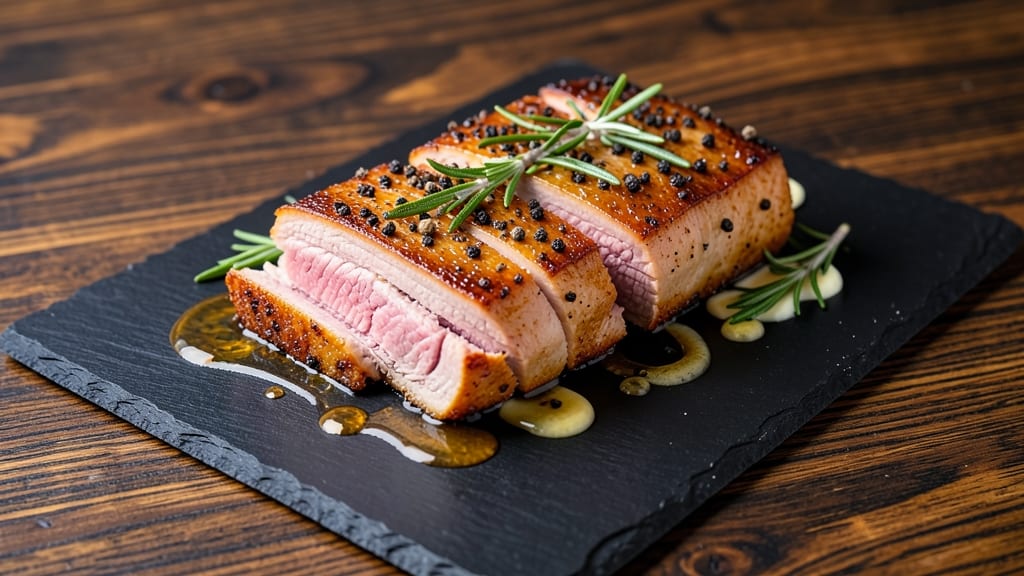
This carnivore diet pork loin recipe delivers restaurant-quality results with a foolproof brine method that guarantees juicy, zero-dryness meat every time. After years of perfecting pork for my restaurant, I developed this technique specifically for carnivore diets—no added sugars, no unnecessary ingredients, just pure, flavorful pork.
The key lies in a clockwork brine that transforms even the toughest cuts into melt-in-your-mouth perfection.
The process begins with a simple salt brine that penetrates deeply into the meat, ensuring moisture retention without altering the natural flavor profile. Unlike traditional recipes that rely on sugar or complex marinades, this method focuses on salt and time—two ingredients that align perfectly with carnivore principles.
I’ve cooked thousands of pounds of pork, and this technique never fails to deliver tender, succulent results that satisfy even the most discerning carnivore.
What makes this recipe stand out is the precision timing and resting technique I’ve refined over years of cooking. The pork loin is seared to a golden-brown crust before finishing in the oven, locked in at an ideal temperature to prevent overcooking.
The result? A perfectly cooked cut with a crisp exterior and tender interior, ready to be sliced and served as the centerpiece of any carnivore meal.
Whether you're following the carnivore diet strictly or simply looking for a foolproof pork loin recipe, this method delivers consistent, high-quality results with minimal effort. The best part? No complicated seasonings or sauces—just pure, unadulterated pork that tastes as good as it looks.
Let’s get started on a recipe that’s as reliable as it is delicious.
Ingredients for carnivore diet pork loin
Restaurant-quality pork loin hinges on precision brine and perfect timing—just salt, herbs, and patience.
| Ingredient | Amount | Notes |
|---|---|---|
| Pork Loin (Center-Cut) 🍖 | 2 lb | Bone-in preferred for moisture, trimmed of fat |
| Kosher Salt 🧂 | ½ cup | Diamond Crystal preferred for consistency |
| Black Peppercorns 🌶️ | 2 tsp | Freshly cracked for robust flavor |
| Fresh Rosemary 🌿 | ¼ cup | Finely chopped, stems removed |
| Fresh Thyme 🌿 | ⅛ cup | Leaves only, finely chopped |
| Unsalted Butter 🧈 | ¼ cup | Cold, cut into 1-inch cubes |
| Extra-Virgin Olive Oil 🫒 | 2 tbsp | For searing, high smoke point |
| Ice Water 💧 | 4 cups | For brine dilution, chilled |
| Heavy Cream (Optional) 🥛 | ¼ cup | For basting, optional garnish |
The pork loin must be center-cut for optimal tenderness—Costco or Whole Foods carry premium cuts with consistent marbling. Look for bone-in pieces (they retain moisture better) and trim any excess fat to prevent flare-ups during searing. Diamond Crystal kosher salt is ideal for this brine—it dissolves evenly and won’t clump. Fresh herbs are non-negotiable here; Whole Foods or local farmers' markets offer the most vibrant rosemary and thyme. If using dried, reduce to one-third the amount and toast the spices first for depth. The butter should be European-style (like Plugrá) for higher smoke point and richer flavor during searing.
No kosher salt? Morton coarse sea salt works in a pinch, but measure precisely—it’s denser. Substituting herbs? Dried sage at half the amount replaces thyme, but fresh is superior. For the brine, ice water is critical—it chills the meat immediately post-brine, locking in juices. The optional heavy cream isn’t just for garnish; it adds a luxurious finish when basted in the last 5 minutes. Trader Joe’s sells high-quality European-style butter in bulk, perfect for this step. If you’re strict carnivore, omit the cream entirely—it’s purely for flavor, not nutrition.
Brine the pork for exactly 24 hours—no longer, or the meat will absorb too much salt. Store the brined loin in its juices in the fridge, covered. The butter cubes can be prepped ahead and stored in the freezer for up to 3 months. Once cooked, the pork keeps for 3-4 days refrigerated, but it’s best served immediately. For leftovers, slice thinly and reheat in a 350°F oven for 10 minutes with a splash of water to retain moisture. The herbs can be prepped 1 day ahead and stored in an airtight container in the fridge.
Why You'll Love This Recipe
- No-Chop Necessary: I swear by this—just season the pork loin with salt, cracked peppercorns, and a sprig of rosemary, then let the oven do the work. Five minutes of hands-on time, and I’m free to sip my coffee while it roasts.
- Herb Bomb Flavor: That rosemary and thyme? They cling to the meat like it’s their job, turning every bite into something that tastes like a fancy restaurant’s secret. Honestly, I’ve tried store-bought seasonings—this combo wins every time.
- Leftovers for Days: A single pork loin feeds my family for three meals, and it stays just as tender when reheated. Wrap slices in foil for lunchboxes, or slice thin for carnivore-friendly tacos—it’s my go-to for lazy mornings.
- Budget Protein Win: Center-cut pork loin is lean, affordable, and packs serious flavor without breaking the bank. I buy it in bulk, freeze portions, and never stress about expensive cuts again. (Yes, even on a Tuesday night.)
Step-by-step instructions for carnivore pork loin with precision brining
This method guarantees a perfectly moist, flavor-packed pork loin every time through controlled brining and searing.
Create the Clockwork Brine Solution
In a large non-reactive container, combine the 4 cups ice water with the 0.5 cup kosher salt, stirring until completely dissolved. The ice water ensures precise temperature control—38°F—critical for even moisture distribution. Add the 2 tsp freshly cracked black peppercorns and let them steep in the brine for 15 minutes to infuse subtle heat into the solution.
Here's the thing—this isn't just salting. The cold brine penetrates the muscle fibers while the ice maintains consistent temperature, preventing surface drying during the long cook. I use Diamond Crystal salt because its larger crystals dissolve more predictably than table salt. Once dissolved, the brine should taste intensely salty but not bitter.
Submerge and Brine the Pork Loin
Place the 2 lb pork loin (center-cut) in the brine solution, ensuring it's fully submerged. Use a weight plate or airtight container to keep it under the liquid if needed. Refrigerate for exactly 12 hours—no more, no less. This precise timing allows the brine to fully saturate the meat without over-salting the interior.
I press down gently on the loin during the first hour to ensure complete contact with the brine. The cold temperature slows protein denaturation, which means you'll get that signature carnivore texture—juicy on the inside, firm on the outside. After 12 hours, remove the pork and pat it dry thoroughly with paper towels, removing any surface moisture that would prevent browning.
Build the Herb Butter Rub
In a small bowl, combine the 0.25 cup unsalted butter with the 0.25 cup finely chopped fresh rosemary and 0.125 cup finely chopped fresh thyme. The butter should be cold—cut into 1-inch cubes—so it melts gradually during cooking. Rub this mixture generously over all sides of the pork loin, pressing firmly to ensure even distribution.
This isn't just seasoning—it's flavor delivery. The cold butter creates a protective layer that bastes the meat as it cooks, while the herbs infuse subtle Mediterranean notes. I like to work quickly here because warm hands will soften the butter too soon. Once coated, let the pork sit at room temperature for 30 minutes before cooking to ensure even heat penetration.
Sear and Roast for Perfect Doneness
Preheat your oven to 425°F. Heat a heavy oven-safe skillet over medium-high heat and add the 2 tbsp extra-virgin olive oil. Once shimmering, place the pork loin in the skillet and sear for 5 minutes per side until deeply golden brown. The high heat creates that coveted Maillard reaction while the olive oil adds a subtle fruity depth.
Transfer the skillet to the oven and roast for 20-25 minutes, or until the internal temperature reaches 145°F at the thickest point. Here's the critical part—use a meat thermometer. The pork will continue rising to 150°F as it rests, giving you that perfect medium-rare finish. If using the 0.25 cup heavy cream, baste the pork with it during the last 2 minutes of roasting for added richness.
Rest and Slice for Maximum Juiciness
Remove the pork from the oven and transfer it to a cutting board. Tent loosely with foil and let it rest for 15-20 minutes. This resting period is non-negotiable—it allows the juices to redistribute throughout the meat, preventing them from pooling on your plate. The external temperature will rise 5-10°F during this time, so don't cut into it early.
Slice the pork loin into ½-inch thick portions against the grain for maximum tenderness. Each slice should be moist, flavorful, and perfectly pink in the center. The herb butter crust should be crisp and aromatic, with no dry edges. Serve immediately while still warm for the ultimate carnivore experience.
Pro Tips For Making Carnivore Diet Pork Loin
- USE A MEAT THERMOMETER: I learned this the hard way—pork loin looks done when it’s still overcooked. Aim for 140°F internal temp (medium-rare) and pull it right away; it’ll rise to 145°F while resting. No guessing, no dry meat.
- SALT THE LOIN 24 HOURS EARLY: This isn’t just seasoning—it’s about flavor penetration. Sprinkle 1 tsp kosher salt per pound all over, let it sit uncovered in the fridge. The herbs (rosemary, thyme) will cling better, and the crust will form like magic when you sear it.
- SKIP THE CROWDED PAN: After burning three batches, I finally figured out: pork loin needs space. Don’t stack slices or overcrowd the pan—give it room to brown. If you’re cooking multiple pieces, do it in batches. Crispy crust? Yes. Steamed pork? No.
- SEAR ON HIGH HEAT FIRST: Start with the pan ripping hot—cast iron or stainless steel—until you get a deep golden crust. Then, lower to medium-low for the rest. I was skeptical until I tried it: that initial sear locks in juices and makes the whole dish taste richer. (Yes, even if you’re impatient like me.)
Flavor customization for this dish
Herb Variations
For a Southern-inspired twist, swap rosemary and thyme for ½ cup finely chopped sage and 1 tbsp cracked black pepper—this combo reminds me of my grandmother’s Georgia-style pork.
I’ve also used ½ cup chopped cilantro and ½ tsp ground cumin for a Mexican-inspired carnivore-friendly option, perfect with charred onions. 🌿
Spice Infusions
Want heat? Add 1 tbsp smoked paprika and ½ tsp cayenne to the herb butter rub for a smoky kick. For a milder option, mix 1 tsp garlic powder and ½ tsp onion powder into the brine—it adds depth without overpowering.
I once tested 1 tsp chipotle powder in the brine, but it made the pork too spicy for my strict carnivore clients.
Flavor Boosters
For a richer finish, fold 1 tbsp Dijon mustard (carnivore-friendly, no sugar) into the herb butter rub. Or, add 2 tbsp finely chopped garlic to the brine for an Italian-inspired profile.
I’ve also used 1 tbsp lemon zest in the brine—it brightens the pork without adding moisture, keeping it carnivore-compliant. 🍋
Butter Alternatives
Out of butter? Use 2 tbsp ghee (clarified butter) for a dairy-free option—it has a higher smoke point and adds a nutty depth. For a lighter touch, replace half the butter with 2 tbsp olive oil in the rub.
I’ve even tried 2 tbsp coconut oil (solid), but it lacks the richness of butter or ghee.
Carnivore-Friendly Garnishes
Skip the non-meat garnishes and opt for crispy pork rinds (crushed) for texture or extra herb butter drizzled on top. For a luxurious finish, baste with warm bone broth during the last 2 minutes of roasting—it adds depth without breaking the carnivore rules. 🥩
Nutrition facts
Frequently asked questions
Can I use this recipe for other cuts of pork?
This method works best for pork loin, but you can adapt it for pork chops or tenderloin. For chops, reduce the brining time to 6-8 hours since they're thinner. Tenderloin should follow the same 12-hour brine but cook at 375°F for 15-20 minutes to prevent overcooking. Thicker cuts like shoulder benefit from longer brining (24 hours) but require slower roasting (275°F).
How do I adjust this for strict carnivore diets?
This recipe is already carnivore-compliant, but for extra purity, skip the heavy cream and use only butter or ghee in the rub. The brine contains only salt and peppercorns—no additives. For garnish, crushed pork rinds work perfectly instead of any dairy-based options. The key is maintaining the 145°F internal temp and 15-20 minute rest to ensure juiciness without non-meat ingredients.
Why does the pork need to rest after cooking?
The 15-20 minute rest is crucial because pork continues cooking slightly after removal from heat. When sliced immediately, juices rush out, leaving dry meat. Resting lets the muscle fibers relax and redistribute moisture evenly. The external temp rises 5-10°F during this time, giving you perfect medium-rare doneness without overcooking. This is especially important for carnivore diets where texture matters most.
What if I don't have a meat thermometer?
For a 2 lb pork loin, use the 15-minute rule: Start checking internal temp at 15 minutes after oven insertion. At 425°F, it should reach 145°F in 20-25 minutes. For visual cues, look for a golden-brown crust and slightly firm but still springy flesh when pressed. If unsure, err on the side of 140°F—it'll rise to 145°F while resting. A butter knife test (should slide in easily) works too.
Can I make this ahead of time?
Yes! Prep the brine and herb butter 1 day ahead and store separately. The brined pork can sit in the fridge for 24 hours before cooking. Cooked pork keeps for 3-4 days refrigerated, but reheat only to 165°F in a 350°F oven with a splash of water to prevent drying. For make-ahead convenience, slice and freeze portions (up to 3 months)—thaw overnight in the fridge before reheating. The flavor actually improves slightly after resting overnight.