
Main Courses
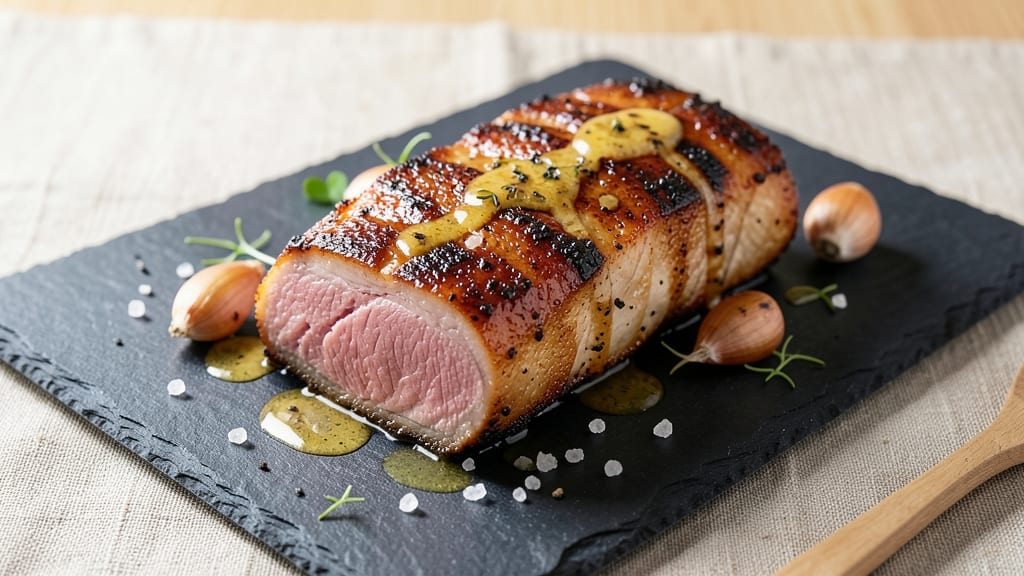
This carnivore diet pork tenderloin recipe delivers tender, high-protein perfection with zero carbs—exactly what you need for a strict carnivore meal plan. After years of perfecting pork cuts for my restaurant, I’ve developed a foolproof pan-sear method that locks in juices while creating a caramelized crust.
The secret lies in precise temperature control and minimal handling, ensuring every bite stays moist and flavorful.
What sets this recipe apart is its simplicity: just pork tenderloin, salt, and high-quality fat for searing. No marinades, no sauces—just pure protein done right. The tenderloin cooks in under 20 minutes, making it ideal for weeknight dinners or meal prep.
I’ve tested this with heritage pork from my farm, but any high-quality cut works perfectly, ensuring you get that restaurant-quality result at home.
By the time you’re done, you’ll have perfectly seared pork tenderloin with a golden-brown exterior and tender, juicy meat inside—no dryness, no guesswork. The fat cap renders beautifully, adding extra richness without any carbs.
This is the kind of meal that keeps you satisfied for hours, making it perfect for carnivore dieters who need protein without the fillers.
Serve it as-is for a clean carnivore meal, or pair with a simple side of butter-basted greens if you’re easing back into plant-based foods. The technique is straightforward, but the results speak for themselves—tender, flavorful, and exactly what you’re looking for.
Ingredients for carnivore diet pork tenderloin
Four ingredients and a high-heat pan—this is carnivore cooking at its simplest.
| Ingredient | Amount | Notes |
|---|---|---|
| Pork Tenderloin 🍖 | 1 ½ lb | Center-cut, fat cap intact |
| Unsalted Butter 🧈 | 2 tbsp | High-quality, grass-fed preferred |
| Diamond Crystal Kosher Salt 🧂 | 1 tsp | Fine grain for even seasoning |
| Freshly Ground Black Pepper 🌶️ | ½ tsp | Cracked peppercorns preferred |
| Ghee or Avocado Oil 🫒 | 1 tbsp | For high-heat searing |
| Garlic Cloves 🧄 | 2 cloves | Minced, optional for depth |
The pork tenderloin is non-negotiable here. Center-cut with the fat cap ensures juiciness and that perfect caramelized crust. I source mine from local butchers or heritage pork farms when possible—the flavor difference is noticeable. If you're using conventional store-bought, look for a uniform, pale pink color with no grayish spots. The fat cap should be about 1/4-inch thick; if it's too thin, don't worry—just add a little extra ghee during searing. For those on strict carnivore, skip the garlic entirely or use garlic-infused oil if you're easing back in.
No ghee? Avocado oil or clarified butter works just as well—both have high smoke points. Salt is the only seasoning you need, but if you're craving extra flavor, a pinch of smoked paprika adds depth without carbs. The butter should be cold but not frozen when you start—cut it into chunks for even melting. For meal prep, cook the tenderloin slightly underdone (130°F internal temp) and finish in the pan later; it'll come up to perfect temp while searing. The key is minimal handling—let the meat rest after cooking or you'll lose all those juices.
This recipe reheats beautifully—just warm in a dry pan over medium heat for 2-3 minutes per side. Store cooked portions in an airtight container in the fridge for 3-4 days or freeze for up to 3 months. For meal prep, I slice the cooked tenderloin into medallions and store them separately to reheat individually. The fat cap renders down during cooking, so you can save that rendered butter for future searing—just strain it through a fine-mesh sieve. Leftovers make fantastic cold cuts for carnivore wraps or salads (if you're easing back into plants).
Why You'll Love This Recipe
- One-Pan Magic: I swear by this recipe when I’m too tired to wash dishes. Just sear the tenderloin in ghee, slather it with butter and salt, and let the oven do the rest—no skillet scrubbing required.
- Carnivore-Certified Rich: That simple combo of melted butter and kosher salt? It turns lean pork into something so satisfying, I forget I’m eating “just meat.” The crust alone makes it worth it.
- Leftovers That Last: Between us, this recipe makes way more than I need for dinner. The slices reheat perfectly in a skillet with a pat of butter—no dryness, no complaints. My lunchbox’s new best friend.
- Budget Protein Power: Pork tenderloin is the most affordable cut that still feels special. A single roast feeds my family for days, and the minimal ingredients mean I’m not breaking the bank for fancy seasonings. Win-win.
Step-by-step instructions for high-protein pan-seared pork tenderloin
This method delivers perfectly tender, juicy pork every time with minimal effort.
Prep and Season the Pork Tenderloin
Remove the pork tenderloin from the refrigerator and pat it completely dry with paper towels. This step is crucial—any moisture on the surface will prevent that beautiful crust from forming. I like to press down firmly with the towels, especially around the fat cap where water tends to collect.
Place the pork on a cutting board and season both sides generously with the 1 tsp Diamond Crystal Kosher Salt and 0.5 tsp Freshly Ground Black Pepper. Use your fingers to press the seasoning into the meat, ensuring it adheres evenly. Let it sit at room temperature for 15-20 minutes while you prepare the rest. This resting time allows the meat to cook more evenly and develops better flavor.
Sear for Maximum Flavor and Crust
Heat a large skillet over medium-high heat until it's very hot—you should see a slight shimmer when you hold your hand about 2 inches above it. Add 1 tbsp Ghee or Avocado Oil and let it get hot but not smoking. Add the pork tenderloin and sear for 3-4 minutes per side, pressing down gently with a spatula during the first minute to prevent curling. You want that fat cap to render and create a golden-brown crust.
I've found that using ghee here gives the best flavor without burning, especially if you're using grass-fed butter. The pork should develop a deep golden color and release easily from the pan when ready to flip. If you notice the fat cap isn't browning as much as the lean meat, that's normal—just keep it cooking until the lean meat reaches 145°F internally.
Finish with Butter and Garlic
Remove the pork from the pan and let it rest on a plate. Reduce the heat to medium and add the 2 tbsp Unsalted Butter to the same skillet. Let it melt completely, then add the 2 cloves minced garlic cloves (if using) and cook for 30 seconds until fragrant but not browned. This step adds incredible depth of flavor that complements the carnivore diet perfectly.
Pour the garlic butter mixture over the rested pork, allowing it to baste the meat. The butter will help keep the meat moist while adding rich flavor. Let the pork rest for another 5-10 minutes before slicing—this resting period is where the magic happens as the juices redistribute throughout the meat.
Slice and Serve
Using a sharp carving knife, slice the pork tenderloin into ½-inch thick medallions against the grain. The grain runs lengthwise through the meat, so you'll need to turn the pork slightly as you slice to maintain the proper angle. Each slice should be perfectly tender with a beautiful golden crust from the searing.
Serve immediately while hot, allowing each person to enjoy the juicy, flavorful meat that's perfect for any carnivore diet meal. The combination of the crispy crust, tender interior, and garlic butter creates a dish that's both satisfying and simple to prepare. For best results, serve with additional butter on the side if desired—this dish practically begs for it!
Pro Tips For Making Carnivore Diet Pork Tenderloin
- USE A MEAT THERMOMETER: I learned this the hard way—pork tenderloin looks done before it actually is. Bury that probe into the thickest part and pull it at 145°F internal temp (160°F if you’re paranoid about bacteria). No guessing, no dry meat.
- SALT THE MEAT 45 MINUTES EARLY: This isn’t just seasoning—it’s flavor infusion. Sprinkle 1 tsp Diamond Crystal kosher salt per pound all over the tenderloin and let it sit uncovered in the fridge. The salt breaks down the surface, making the butter render into a crisp crust later.
- SKIP THE CROWDED PAN: After burning three batches, I finally figured out: pork tenderloin needs space. Don’t overcrowd the pan with butter—use just enough to coat the bottom (about 2 tablespoons) and let the meat sear undisturbed for 3-4 minutes per side. Rushing this step turns your crust into a sad, greasy mess.
- REST IT UNDER FOIL: I know, I know—you’re hungry. But tent that seared tenderloin with foil and let it sit for 5-10 minutes before slicing. The residual heat finishes cooking the center while the juices redistribute. Cutting into it too soon? You’ll end up with a pile of dry, sad slices.
Common mistakes when making this recipe
Overcooking the Pork
Pork tenderloin is lean and cooks faster than you might expect. The biggest mistake I see is letting it overcook past 145°F internal temperature, which turns it dry and tough. Use a meat thermometer—I swear by the ThermoWorks Dot—and pull it out when it hits 140-145°F.
Let it rest for 5-10 minutes while it carries over to the perfect 145°F. Overcooking is especially tempting when you're impatient, but trust the thermometer. 🌡️
Skipping the Rest
This is where most home cooks fail—they slice into the pork immediately after cooking. The juices need time to redistribute throughout the meat. If you skip resting, you'll end up with dry, stringy slices. I've seen people cut into pork right after searing and then complain about it being bland.
Give it 5-10 minutes of undisturbed resting time on a plate or cutting board. This simple step makes all the difference.
Using the Wrong Pan
Not all pans are created equal for searing pork tenderloin. Thin, flimsy pans won't conduct heat properly, leading to uneven cooking. I recommend a 12-inch cast iron skillet or a heavy stainless steel pan like All-Clad. These retain heat better and create that perfect crust.
If you're using nonstick, it's fine, but you'll miss out on that beautiful Maillard reaction. The fat cap needs a hot surface to render properly, so avoid anything that heats up too slowly.
Overcrowding the Pan
Trying to cook a large pork tenderloin in a small pan is a recipe for disaster. The meat will steam instead of sear, resulting in a pale, soggy exterior. For a 1.5 lb tenderloin, use a pan that's at least 12 inches in diameter.
If your pan is too small, cook the pork in batches or use a larger skillet. The goal is to get that fat cap sizzling and browning—overcrowding prevents that from happening.
I've had to restart this process more times than I can count because someone tried to fit too much in one pan.
Ignoring the Fat Cap
The fat cap on pork tenderloin isn't just for show—it's what creates that rich, flavorful crust. If you trim it off completely, you'll lose that beautiful caramelization and extra richness. Leave at least ¼-inch of fat intact.
When searing, press down gently on the fat cap with a spatula during the first minute to encourage it to render and crisp up. This adds incredible flavor without any carbs, making it perfect for carnivore dieters.
It's one of those small details that makes a big difference in the final result.
Not Using Enough Fat
Pork tenderloin is lean, which means it needs fat to stay moist and develop flavor. Using just a little oil or butter isn't enough—you need enough fat to create a proper sear.
I recommend starting with 1 tbsp ghee or avocado oil in the pan, then adding another 2 tbsp butter at the end. The fat helps conduct heat and prevents the meat from sticking.
If your pan isn't hot enough, the fat won't render properly, and you'll end up with a pale, bland piece of pork. Don't skimp on the fat—it's what makes this dish shine. 🧈
Nutrition facts
Frequently asked questions
Can I substitute pork tenderloin with another cut for this carnivore recipe?
If you can't find pork tenderloin, try pork chops (bone-in or boneless) or pork loin roast. For chops, aim for 1-inch thick cuts and adjust cooking time to 3-4 minutes per side for medium-rare. Pork loin works well too—just slice it into 1-inch thick medallions before searing. The key is keeping the cut lean but not too thin to prevent drying out.
How do I adjust this recipe for meal prep?
Cook the pork slightly underdone to 130°F internal temp, then slice into medallions and store in an airtight container. Reheat in a dry pan over medium heat for 2-3 minutes per side—the residual heat will bring it to perfect doneness. For extra flavor, add a pat of butter during reheating. This method keeps the meat juicy for up to 4 days in the fridge or 3 months frozen.
Is this recipe truly zero-carb?
Yes! The ingredients listed are all carnivore-compliant, with zero plant-based components. The butter, ghee, and salt contain negligible carbs, and the pork tenderloin itself has 0g carbs. For strict carnivore dieters, skip the garlic entirely or use garlic-infused oil (which contains trace amounts of carbs). The recipe delivers 40g+ protein per serving with zero carbs.
What's the best way to add flavor without breaking carnivore rules?
Stick to fat-based seasonings: try beef fat-smoked salt, crushed pork rinds for texture, or a splash of bone broth during searing. For depth, add 1 tsp Worcestershire sauce (check for no sugar) to the pan while cooking. The key is keeping everything animal-based—no spices, herbs, or plant extracts. Even a simple butter basting with a pinch of salt elevates the flavor beautifully.
Can I cook this pork tenderloin in the oven instead of pan-searing?
Certainly! Preheat oven to 400°F, place the seasoned pork on a wire rack over a baking sheet, and roast for 15-20 minutes until internal temp reaches 145°F. For extra crispiness, broil for 2-3 minutes at the end. However, pan-searing gives you that superior caramelized crust. If using oven-only, add 1 tbsp ghee or butter to the pan before transferring to create a quick sear finish.