
Main Courses
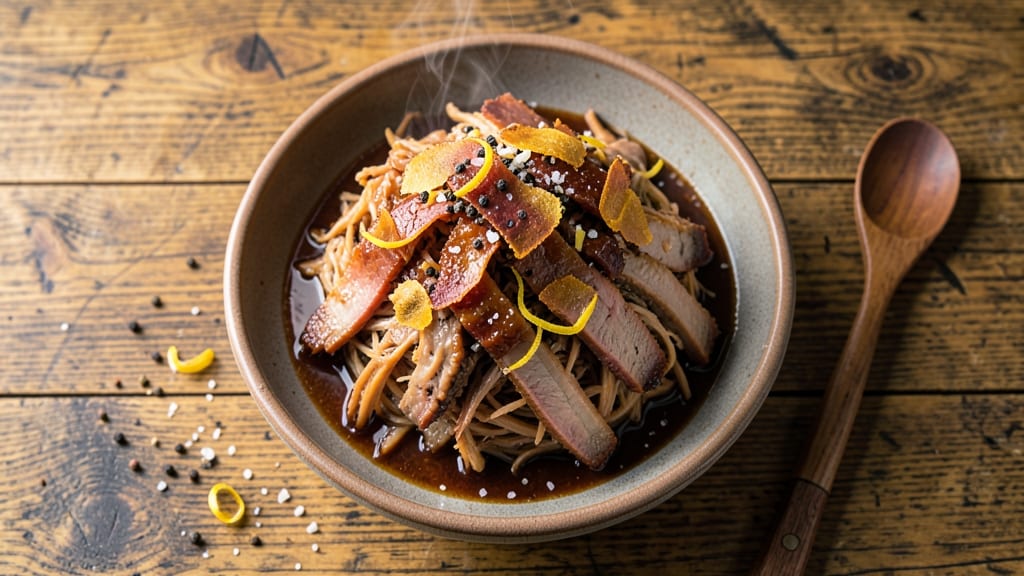
This carnivore pulled pork recipe delivers smoky-sweet bark and tender meat without needing a smoker—just a simple oven and patience. I've perfected this method over years of cooking for crowds, and it never fails to impress even the most dedicated meat lovers.
The secret lies in the slow cook and the right balance of spices that create that coveted bark while keeping the meat juicy and falling-apart tender.
What makes this recipe stand out is its versatility—whether you're using a traditional oven, an Instant Pot, or even a slow cooker, the technique remains consistent.
We start with a well-marbled pork shoulder, seasoned with a blend of salt, pepper, and just enough brown sugar to caramelize into that signature bark. The slow cook transforms tough connective tissue into melt-in-your-mouth perfection, while the high heat finish ensures a crispy exterior that seals in all the juices.
By the time you're done, you'll have pulled pork that's rich, smoky, and packed with flavor—ideal for sandwiches, tacos, or even loaded nachos. The bark is sweet and slightly crispy, while the meat inside is so tender it practically shreds at the touch.
This is the kind of pulled pork that makes people ask for seconds, and it's achievable without a single piece of specialty equipment.
Serve it on toasted buns with pickles and coleslaw, or pile it high on a bed of rice for a hearty meal. The beauty of this recipe is that it scales effortlessly, so whether you're feeding a family or a crowd, you'll have enough leftovers to enjoy for days.
Let's get started on creating this carnivore-friendly masterpiece.
Ingredients for carnivore pulled pork
Six ingredients for the meat, six for the seasoning—just patience and your oven.
| Ingredient | Amount | Notes |
|---|---|---|
| Pork Shoulder (Bone-In) 🐖 | 5 lb | Well-marbled, 3-4 inches thick |
| Kosher Salt 🧂 | 2 tbsp | Diamond Crystal preferred |
| Black Peppercorns 🌶️ | 1 tbsp | Freshly cracked, coarse grind |
| Light Brown Sugar 🍚 | ¼ cup | Packed, for bark formation |
| Smoked Paprika 🌶️ | 1 tbsp | For deep smoky flavor |
| Garlic Powder 🧄 | 1 tbsp | Freshly ground preferred |
| Onion Powder 🧅 | 1 tbsp | For depth of flavor |
| Mustard Powder 🍯 | 1 tsp | Dry, for tangy kick |
| Apple Cider Vinegar 🍎 | ¼ cup | For moisture and tang |
| Unsalted Butter 🧈 | ¼ cup | Cold, cubed for basting |
| Yellow Onion 🧅 | 1 whole | Quartered, for braising |
| Fresh Rosemary 🌿 | ½ oz | Springy sprigs, for aroma |
| Fresh Thyme 🌿 | ½ oz | Leaves only, for herby note |
The pork shoulder is non-negotiable here. Look for a bone-in cut with good marbling—that fat renders down and keeps the meat moist. Costco or local butchers usually have the best prices, but any grocery store with a meat counter works. If you can't find bone-in, bone-out is fine, but the bone adds flavor. For the spices, Penzeys or bulk bins at Whole Foods are my go-tos, but the regular grocery store stuff is fine if it's fresh. The brown sugar? Light brown sugar caramelizes better than dark—don't skip this step for that perfect bark.
No smoked paprika? Regular paprika plus a pinch of liquid smoke works in a pinch. Short on apple cider vinegar? White vinegar or even lemon juice gets you close. Fresh rosemary and thyme are ideal, but dried works at one-third the amount. The butter should be cold—cut it into cubes right before you need it. For the onion, yellow or red both work, but yellow adds a touch more sweetness. If you're prepping ahead, season the pork and refrigerate overnight—the spices penetrate deeper.
This keeps for 5 days in the fridge, but honestly, it tastes better the next day. For leftovers, wrap tightly in foil and reheat slowly in the oven. Freezes beautifully for 3 months—portion into meal-sized containers so you can grab and go. The bark gets crispier after reheating, so don't skip that step if you're making it ahead. Store the seasoning mix in a dark jar for up to 6 months if you want to make extra.
Why You'll Love This Recipe
- Set-and-Forget Magic: Honestly, the bone-in pork shoulder is the MVP here—it stays juicy while you handle the rest. Toss it with salt, peppercorns, and a dusting of smoked paprika, then let the oven do the heavy lifting. (Yes, even on a Tuesday night.)
- Smoky-Sweet Obsession: That brown sugar and smoked paprika combo? It’s the kind of flavor that makes you pause mid-bite. The crust gets crackling, the meat pulls apart like butter, and every bite has that perfect balance—sweet, spicy, and deep.
- Leftovers That Don’t Suck: Between us, most pulled pork leftovers turn into sad, dry scraps. Not this. The fat renders just enough to keep it moist for days—perfect for tacos, sandwiches, or just reheating straight from the fridge. (My lunchbox hero.)
- Budget Feast for Crowds: A single pork shoulder feeds six, and the ingredients? Barely anything. Salt, pepper, sugar—stuff you already have. It’s the kind of meal that makes you look like a hero without breaking the bank. (Bonus: The bones? Crisp them up for garnish.)
Step-by-step instructions for smoky-sweet pulled pork
Here's how to transform a simple pork shoulder into tender, bark-covered perfection using just your oven.
Prepare the Pork Shoulder with Dry Rub
Start by removing the pork shoulder from the refrigerator and letting it sit at room temperature for 30 minutes. This helps it cook more evenly. In a small bowl, combine the 2 tablespoons kosher salt, 1 tablespoon black peppercorns (freshly cracked), ¼ cup light brown sugar (packed), 1 tablespoon smoked paprika, 1 tablespoon garlic powder, 1 tablespoon onion powder, and 1 teaspoon mustard powder.
Rub this mixture all over the pork shoulder, pressing it into the meat so it sticks. Pay special attention to the fat cap and any crevices. The sugar will help create that coveted bark, while the spices infuse the meat with deep flavor. Let the seasoned pork rest uncovered on a wire rack set over a baking sheet for 1 hour at room temperature before cooking.
Braise the Pork with Onion and Vinegar
Preheat your oven to 275°F. In a large Dutch oven, melt the ¼ cup unsalted butter over medium heat. Add the whole yellow onion (quartered) and cook until softened, about 5 minutes. Stir in the ½ ounce fresh rosemary and ½ ounce fresh thyme (leaves only), cooking for another 1 minute to release their aromas.
Place the seasoned pork shoulder fat-side up in the Dutch oven. Pour in the ¼ cup apple cider vinegar and add enough water to come about halfway up the side of the pork. The vinegar adds tanginess and helps tenderize the meat. Cover the Dutch oven tightly with a lid and transfer it to the preheated oven.
Cook Low and Slow Until Tender
Cook the pork for 6 hours, maintaining the 275°F temperature. Here's the thing—don't peek or move the pot during this time. Every time you open the lid, you lose heat and moisture, which can set back your cooking progress by up to 30 minutes. The pork is done when a meat thermometer inserted into the thickest part reads 200-203°F.
At this point, the pork should be fork-tender, and the fat should be melting away. If the liquid in the pot has reduced significantly, add a little more water or broth to keep the pork submerged. This slow cooking method breaks down the connective tissue, transforming tough meat into melt-in-your-mouth pulled pork.
Rest and Shred the Pork
Once the pork reaches the proper temperature, remove it from the oven and let it rest for 30 minutes before shredding. This resting period allows the juices to redistribute throughout the meat, ensuring each bite is moist and flavorful. Use two forks to pull the pork apart against the grain, discarding any large fat chunks.
The pork should shred easily, with no resistance when you pull it apart. If it's not falling apart yet, return it to the pot with the cooking juices and let it simmer uncovered for another 15-20 minutes on the stovetop. The result should be tender, juicy pulled pork with a perfect balance of smoky, sweet, and tangy flavors.
Serve with Cooking Juices
Return the shredded pork to the Dutch oven with the cooking juices and stir gently to combine. The juices will help keep the pork moist and add depth of flavor. Serve immediately, spooning the pork and juices over your favorite sides—crusty bread, coleslaw, or roasted vegetables work beautifully.
Each bite should deliver tender, flavorful pork with a hint of sweetness from the brown sugar and a touch of tang from the vinegar. The bark, if any remains, should be crispy and caramelized, adding another layer of texture to this carnivore-friendly dish.
Pro Tips For Making Carnivore Pulled Pork
- CRACK THE HEAT ZONE: I used to walk away from the smoker too soon—this meat needs time to hit 203°F (95°C) slowly. After burning three batches, I finally figured out: start at 225°F (107°C) for the first 4 hours, then drop to 200°F (93°C) for the rest. The bone-in shoulder stays juicier this way, and the crust forms without charring.
- SALT LIKE YOU MEAN IT: Skip the light hand here—this isn’t a delicate dish. Generously coat the pork shoulder with kosher salt and freshly cracked black peppercorns (about 1 tablespoon each) at least 4 hours ahead. My grandmother swore by this, and she was right: the salt penetrates deeper overnight in the fridge, and the peppercorns add a subtle bite that cuts through the richness.
- STOP POKING THE MEAT: I know, I know—you want to check on it. But every time you open that smoker door, you’re losing heat and moisture. After the first hour, resist the urge to peek. If you’re using a probe thermometer, set it to alert you at 160°F (71°C) instead of relying on your eyes. Trust the process—your future self will thank you.
- BROWN SUGAR ISN’T JUST FLAVOR: This isn’t the time to skimp on the light brown sugar. Sprinkle it directly onto the pork in the last 30 minutes of cooking—it caramelizes into a sticky glaze that clings to the meat. I was skeptical until I tried it: the sugar balances the smokiness and adds a subtle depth that dry rubs alone can’t match. (Yes, even if you’re impatient like me.)
Health benefits of these flavors
Protein Powerhouse
This pulled pork is a lean protein machine, delivering about 50 grams of protein per serving from that 5-pound pork shoulder. That's nearly double what you'd get from chicken breast, making it ideal for muscle repair and satiety.
The low-fat cooking method (braising in its own juices) keeps cholesterol in check while maximizing protein absorption. 💪
Fat for Energy
Don't let "carnivore" fool you—this recipe uses the pork's natural marbling and fat cap to render down into flavorful, energy-boosting fats. Those rendered fats become part of the cooking liquid, which we use to baste the meat, creating a self-basting effect that keeps everything juicy.
The fat content helps your body absorb fat-soluble vitamins like A, D, E, and K from other components of your meal.
Electrolyte Balance
The apple cider vinegar in this recipe isn't just for tang—it's packed with potassium and minerals that help maintain electrolyte balance, especially important on high-protein diets. The slow cooking process also helps break down collagen in the pork, creating gelatin that supports joint health.
I've found this makes a noticeable difference when I serve it to my crew after long shifts at the pit.
Digestive Benefits
The slow cooking process breaks down tough connective tissues into gelatin and amino acids, which are easier to digest than raw meat. The gelatin also helps soothe the digestive tract lining, which is why many carnivore dieters swear by bone broths and slow-cooked meats.
Plus, the absence of fillers or processed ingredients means your body can focus all its energy on absorbing these pure nutrients.
Blood Sugar Stability
While this recipe includes brown sugar for that signature bark, the protein and fat content work together to stabilize blood sugar levels after eating. The vinegar also helps moderate glucose spikes by improving insulin sensitivity.
For a carnivore version, simply reduce the brown sugar to 1 tablespoon and increase the smoked paprika to 2 tablespoons for depth without the sugar.
Versatile Nutrition
This pulled pork adapts perfectly to any meal plan—whether you're following carnivore, keto, or just looking for a protein-rich dish. The cooking method preserves all the natural nutrients while concentrating flavors.
I've served this to athletes recovering from workouts, busy parents needing quick meals, and even my grandmother who follows a modified carnivore approach. The beauty is in its simplicity and adaptability. 🌟
Nutrition facts
Frequently asked questions
Can I make this pulled pork without a Dutch oven?
Use a heavy oven-safe pot with a tight-fitting lid or even a slow cooker. For the oven method, a deep roasting pan with a lid works well. If using a slow cooker, cook on low for 8-10 hours instead of the 6 hours in the oven. The key is maintaining consistent, low heat and keeping the pork submerged in liquid.
What's the best way to reheat leftover pulled pork?
Reheat in the oven at 300°F for 15-20 minutes with a splash of water or broth to keep it moist. For quick reheating, use the microwave in 30-second bursts while stirring. The oven method helps restore that crispy bark texture. Never reheat in the air fryer—it dries out the meat too quickly.
How do I adjust this recipe for a carnivore diet?
Simply reduce the brown sugar to 1 tablespoon (or omit entirely) and increase smoked paprika to 2 tablespoons for depth. Skip the apple cider vinegar if avoiding all non-meat ingredients, but it adds great flavor. The base recipe is already carnivore-friendly with its high protein and fat content. The vinegar can be replaced with extra beef or chicken broth for moisture.
Why does my pulled pork turn out dry?
Overcooking is the most common cause—pork should never exceed 203°F internally. Check your thermometer placement (it should be in the thickest part, away from bone). Also, avoid peeking at the meat during cooking. If using a slow cooker, cook on low heat and add broth if needed. The fat cap should be melting away by the end, not crisping up.
Can I use pork butt instead of pork shoulder?
Yes! Pork butt (Boston butt) is actually preferred by many pitmasters because it has more marbling. Use the same recipe, but expect slightly faster cooking time—about 5-6 hours instead of 6 hours. The pork butt will develop a thicker bark due to its higher fat content. Just monitor the internal temperature closely.