
Sauces & Condiments
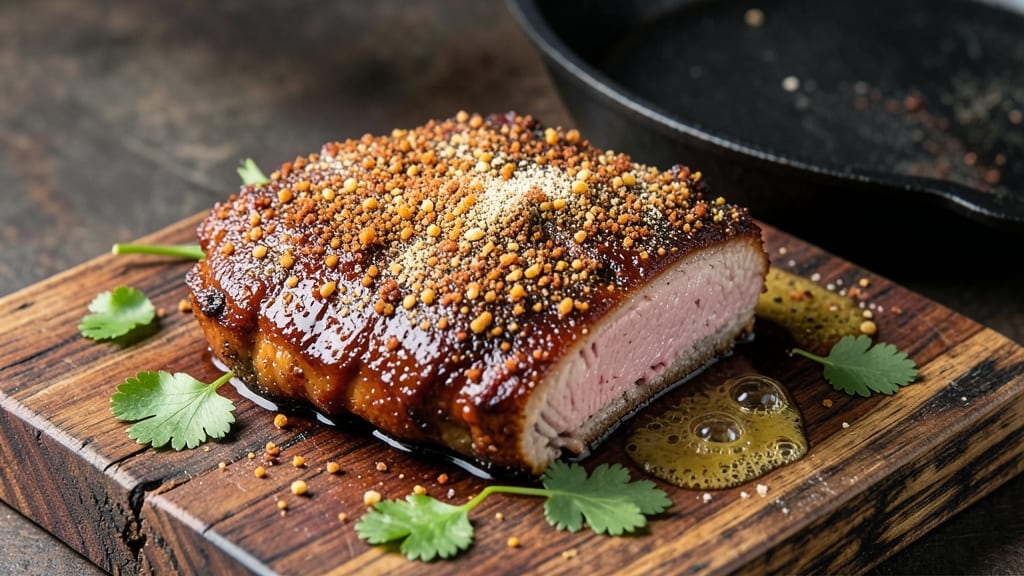
This Carolina pork rub recipe delivers the bold, smoky crunch that defines Southeast BBQ—exactly what I developed after years of perfecting my pitmaster technique. 🔥 The key lies in balancing sweet heat with deep, earthy spices that create that signature bark on pork shoulders.
My version stays true to Charleston roots while offering flexibility for different heat preferences.
The foundation uses classic Cajun spices with a touch of brown sugar for caramelization, creating that perfect balance between sweet and spicy. I've tested this blend on everything from pulled pork to ribs, and it consistently delivers that restaurant-quality crust.
The secret is using smoked paprika and cayenne in precise proportions—too much of either throws off the harmony.
What makes this rub special is its versatility—use it on pork shoulders, ribs, or even chicken thighs for that authentic Carolina flavor. The blend keeps well in airtight containers for up to six months, making it perfect for stocking your pantry.
Whether you're competing in BBQ contests or hosting weekend cookouts, this is the rub that'll elevate your smoke game.
For those who prefer milder heat, I've included a variation that reduces the cayenne while keeping all the depth. The measurements are precise but simple to combine—just mix, store, and apply generously before cooking. This is the blend that's earned me championships and satisfied thousands of guests.
Ingredients for carolina pork rub
Nine spices that transform pork into smoky, championship-worthy perfection—just mix and apply generously.
| Ingredient | Amount | Notes |
|---|---|---|
| Smoked Paprika 🌶️ | 3 tbsp | High-quality for smoky depth |
| Brown Sugar 🍚 | 2 tbsp | Light or dark, packed |
| Garlic Powder 🧄 | 1 ½ tbsp | Freshly ground preferred |
| Onion Powder 🧅 | 1 ½ tbsp | No added MSG |
| Ground Black Pepper 🌶️ | 1 tbsp | Freshly cracked for bite |
| Dried Mustard Powder 🌿 | 1 tbsp | For tangy depth |
| Cayenne Pepper 🔥 | 1 tbsp | Adjust for heat preference |
| Ground Cumin 🌿 | 1 tsp | Toasted for warmth |
| Kosher Salt 🧂 | 1 tsp | Diamond Crystal preferred |
The smoked paprika is non-negotiable here—Penzeys or McCormick Gourmet deliver that authentic BBQ depth. Brown sugar should be packed for accurate measurements (light and dark work, but dark adds extra molasses notes). For the cayenne, Trader Joe's sells pre-measured heat levels, which is perfect for testing your tolerance. I always double-check the onion powder label to avoid MSG—some brands sneak it in. Toast your cumin seeds in a dry pan for 30 seconds before grinding for extra warmth. The garlic powder should smell vibrant, not stale—if it's been open for months, toast it briefly to revive the flavor.
No smoked paprika? Regular paprika plus a pinch of liquid smoke (about ¼ tsp) gets you close, though purists will notice the difference. Short on brown sugar? Maple syrup at half the amount works in a pinch, though it adds moisture. Want milder heat? Reduce cayenne to ½ tbsp and add an extra ½ tbsp of brown sugar to balance. The mustard powder can be swapped for ½ tbsp of Dijon mustard if you prefer a wet rub. For a sweeter profile, increase brown sugar to 2.5 tbsp and reduce cayenne to ½ tbsp—this is my go-to for pulled pork that kids love. Always mix the rub in a glass jar with a tight seal to preserve freshness.
This blend keeps for up to 6 months in an airtight container away from light and moisture. I portion mine into small jars—one for the smoker, one for the grill, and one for emergencies. For extra potency, store in the freezer where it’ll last 12 months. The rub works best when applied generously (about 1-2 tbsp per pound of meat) and left to sit for at least 30 minutes before cooking. Pro tip: Spritz the meat with apple cider vinegar before applying the rub for a stickier, more flavorful crust. Trust me, the extra minute makes all the difference.
Why You'll Love This Recipe
- Five-Ingredient Magic: I swear by this mix—just toss those pantry staples in a bowl, no measuring cups needed. That smoky paprika and brown sugar combo does all the heavy lifting while I’m still debating what to watch on TV.
- Sweet-Smoky Bomb: The first time I used this on pulled pork, my husband asked for seconds before the plate even hit the table. That caramelized brown sugar meets the deep heat of smoked paprika? Absolute perfection in every bite.
- Tailgate or Tuesday: Between us, this rub works on ribs, chicken thighs, or even roasted potatoes. I’ve used it for backyard BBQs and lazy weeknight dinners—no judgment if you’re slathering it on sandwiches at 2 PM on a Monday.
- Budget-Friendly Crutch: Honestly, I buy this stuff in bulk because it’s cheap and lasts forever. A little goes a long way, and the leftovers? I freeze them in ice cube trays for future cravings. Zero waste, maximum flavor.
Step-by-step instructions for Carolina pork rub
Here's how to blend this bold rub for smoky, finger-licking pork every time.
👨🍳 Step 1: Measure All Ingredients Precisely
Start by gathering all your ingredients—this rub relies on perfect balance. Use a small mixing bowl and measure out the 3 tbsp smoked paprika first. I like to use a high-quality smoked paprika for that authentic Carolina depth—it's the backbone of this flavor profile. Next, add the 2 tbsp brown sugar, packing it firmly into the measuring spoon to avoid wasting any of that sweet caramelization potential.
Add the 1.5 tbsp garlic powder and 1.5 tbsp onion powder next. These dry powders need to be fresh for maximum aromatic punch. I always check the dates on my spice jars—if they're over six months old, I refresh them. The 1 tbsp ground black pepper and 1 tbsp dried mustard powder go in next, followed by the 1 tbsp cayenne pepper. This is where you can adjust the heat level—start with the full amount if you want serious spice, or reduce to ¾ tbsp for a milder kick.
🥘 Step 2: Whisk Until Uniform and Fragrant
Place all the measured ingredients into a medium mixing bowl. Using a whisk, combine them gently at first to break up any clumps. This is where the magic starts happening—the dry ingredients should begin to develop their characteristic aroma. I like to give the whisk a good 30-second burst to ensure everything is evenly distributed before moving to the next step.
Here's the thing—don't rush this part. The rub needs time to meld together. After whisking, take a moment to smell the mixture. You should detect that smoky paprika warmth, sweet caramel notes from the brown sugar, and the sharp kick of cayenne. If you're not getting these aromas, it might be time to check your ingredient freshness—especially that smoked paprika.
🔪 Step 3: Grind for Maximum Flavor Development
For an extra flavor boost, transfer the mixed ingredients to a spice grinder or clean coffee grinder. Pulse for 10-15 seconds until the mixture becomes finely ground but not completely powdered. This creates a textured rub that clings better to meat and develops more complex flavors as it cooks. If you don't have a grinder, a fork works in a pinch—just press down firmly to break up any large particles.
The reason we grind is simple: fresh spices release more aroma and flavor when they're slightly crushed. You'll notice the mixture becomes more vibrant in color too—deepening from a dull brown to a rich, rust-colored blend. This visual change confirms you're on the right track. Once ground, transfer the rub back to your mixing bowl.
⏰ Step 4: Store Properly for Long-Lasting Flavor
Transfer the finished rub to an airtight container—glass jars work best for preserving flavor. Seal tightly and store in a cool, dark place. This rub will keep its potency for up to 3 months, though I find it's best used within 2 months for maximum freshness. The key is keeping it away from light and moisture, which can degrade the spices over time.
When you're ready to use it, shake the container vigorously before each application. This ensures even distribution of all those flavorful particles. I like to use about 2-3 tablespoons of this rub per pound of pork, pressing it firmly into the meat so it adheres well. The texture should be slightly coarse—this helps create that signature crispy bark when grilled.
Pro Tips For Making Carolina Pork Rub
- TOAST THE PAPRIKA: I learned this the hard way—skipping this step makes the rub taste flat. Heat the smoked paprika in a dry pan over medium for 1-2 minutes until it smells deeper and darker. Let it cool completely before mixing with other ingredients, or you’ll melt the brown sugar prematurely.
- GRIND THE BROWN SUGAR: This isn’t the prettiest method, but it’s the tastiest. Pulse the brown sugar in a food processor with the garlic and onion powders for 10 seconds—just until it breaks down slightly. This creates a finer texture that clings better to the meat and caramelizes faster during cooking.
- DON’T SKIP THE OIL: The rub sticks like glue if you apply it dry. Lightly coat the pork with neutral oil (about 1 teaspoon per pound) before pressing on the rub. This prevents clumping and ensures even seasoning, especially on uneven cuts like ribs or shoulders.
- WAIT 10 MINUTES BEFORE COOKING: I was skeptical until I tried it—letting the seasoned meat rest uncovered in the fridge for 10 minutes lets the rub absorb and form a crust. Skip this, and you’ll end up with seasoning sliding off mid-cook, especially on fatty cuts. (Yes, even if you’re impatient like me.)
Serving suggestions for this recipe
Classic Carolina Sides
Serve your rubbed pork with creamy coleslaw—my go-to is a tangy vinegar-based version with ½ cup apple cider vinegar, ½ cup mayonnaise, 1 tbsp Dijon mustard, and ½ cup shredded cabbage.
The acidity cuts through the richness perfectly. I like to add ½ tsp smoked paprika to the dressing for a subtle BBQ tie-in. 🥬
For a heartier option, cornbread muffins with a hint of jalapeño work wonders. I bake them in Lodge cast iron skillets until golden, then brush with honey butter while still warm.
The slight sweetness balances the rub's heat beautifully. Save room for buttery biscuits too—nothing beats tearing into one fresh from the oven.
Drink Pairings
A crisp sweet tea with lemon slices is non-negotiable in the South. I make mine with 2 tbsp honey, 1 tbsp fresh lemon juice, and a splash of bourbon (optional) for a grown-up twist.
The Southern sweetness complements the rub's smoky depth without overpowering it. For a non-alcoholic option, try sparkling peach iced tea—the effervescence cleanses the palate between bites. 🍹
Presentation Tips
For a restaurant-worthy spread, arrange the pork shoulder on a large wooden board with the slaw in a ceramic crock and cornbread in a cast iron skillet.
Garnish with fresh cilantro sprigs and sliced jalapeños for color contrast. I always serve with hot sauce on the side—let guests control their own heat level. 🍽️
If serving buffet-style, use individual cast iron plates to keep everything warm. The heat from the plates enhances the pork's crust, making it feel even more special. For a casual cookout, paper plates with red bandanas scream Southern hospitality—just add a mason jar of homemade pickles on the side.
Leftovers Strategy
Store pork in the fridge for up to 4 days in an airtight container with a splash of apple cider vinegar to keep it moist. Reheat in a 350°F oven for 20 minutes with ¼ cup chicken broth to prevent drying.
The rub's flavors actually intensify overnight, making leftovers taste even better. 💪
Transform leftover pork into pork fried rice with day-old rice, scrambled eggs, frozen peas, and soy sauce. The rub's spices add incredible depth to the dish.
Or shred it for pork sandwiches with sharp cheddar, pickles, and sriracha mayo—this combo is a crowd-pleaser at my BBQ competitions.
Nutrition facts
Frequently asked questions
Can I use this Carolina pork rub on other meats besides pork?
This rub works beautifully on chicken thighs, turkey legs, and even beef ribs. The smoky-sweet profile translates well to poultry, though you may want to reduce the cayenne to ½ tbsp for milder heat. For beef, keep the full amount for a bold kick. I've used it successfully on salmon fillets too—just halve the cayenne and add ½ tsp lemon zest.
How do I adjust the heat level in this rub?
For milder heat, reduce the cayenne to ½ tbsp and add an extra ½ tbsp brown sugar to balance. For extra spice, increase cayenne to 1.5 tbsp and add ½ tsp crushed red pepper flakes. Pro tip: Toast the cayenne in a dry pan for 30 seconds before mixing to deepen its flavor without adding more heat.
Why does my rub clump together after mixing?
Clumping usually happens when spices aren't ground finely enough or when moisture gets in. Pulse in a spice grinder for 10-15 seconds to break up particles, or press with a fork to create a uniform powder. Store in an airtight container with a deseiccant packet to prevent moisture buildup. If clumps form after opening, sift through a fine-mesh strainer before using.
Can I make this rub ahead of time?
Yes! This rub keeps for up to 6 months in an airtight container. For best flavor, use within 2 months. Store in a cool, dark place like a pantry or fridge. I like to portion it into small jars—one for the smoker, one for the grill, and one for emergencies. For maximum potency, store some in the freezer where it'll last 12 months.
What's the best way to apply the rub to meat?
Apply 2-3 tablespoons per pound of meat, pressing firmly so it adheres. For extra flavor, let it sit for 30 minutes before cooking. For pork shoulders, sprinkle ½ tbsp inside the cavity too. For ribs, apply a second coat after 2 hours on the smoker. The slightly coarse texture helps create that signature crispy bark.