
Sauces & Condiments
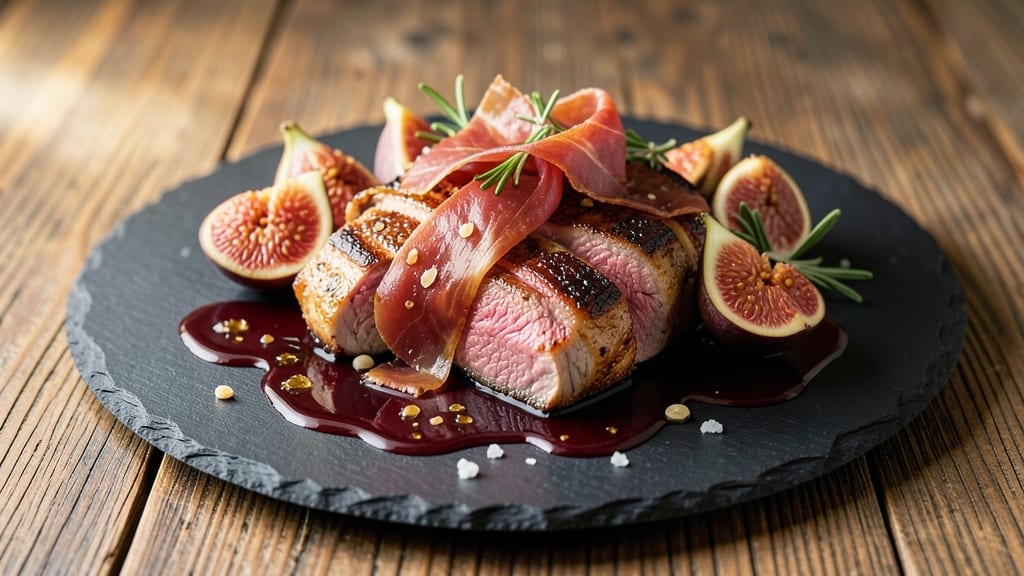
This Carrabba's pork tenderloin recipe delivers restaurant-quality results with a sweet-tart fig sauce that transforms simple pork into an unforgettable main dish. 🔥 I've perfected this technique after years of working with pork—where tender meets bold flavor, and every bite feels like a taste of Italy.
The secret lies in the balance: searing the pork just right while developing a rich, caramelized fig sauce that cuts through the richness.
The dish begins with a well-seasoned pork tenderloin, seared to a golden crust before finishing in the oven to achieve that perfect tender center. Meanwhile, the fig sauce simmers down into a glossy, jammy glaze that's both sweet and tangy—a perfect foil for the savory pork.
This isn't just a recipe; it's a method that delivers restaurant-quality results at home, with minimal fuss but maximum impact.
What you'll end up with is a perfectly cooked pork tenderloin, sliced into tender medallions, topped with a glossy fig sauce that adds depth and brightness. The sauce clings to every bite, creating a harmonious blend of sweet and savory that's impossible to resist.
Serve it alongside roasted vegetables or creamy polenta to complete the meal—this is the kind of dish that elevates weeknight dinners to something special.
Whether you're cooking for a date night or a family gathering, this recipe delivers consistent, impressive results. The fig sauce can be made ahead, so you can focus on searing the pork to perfection when it's time to serve.
Let's get started on a dish that's as elegant as it is delicious.
Ingredients for carrabba's pork tenderloin with fig sauce
Restaurant-quality pork tenderloin meets velvety fig sauce—just 14 ingredients for a dish that feels like a date night masterpiece.
| Ingredient | Amount | Notes |
|---|---|---|
| Pork Tenderloin 🥩 | 1 ½ lb | Center-cut, trimmed of fat |
| Extra-Virgin Olive Oil 🫒 | 2 tbsp | For searing, high-quality preferred |
| Fresh Figs 🍇 | 1 cup | Pitted, halved, fresh or frozen |
| Balsamic Vinegar 🍷 | ¼ cup | Aged, for depth of flavor |
| Honey 🍯 | 2 tbsp | Wildflower for floral notes |
| Garlic Cloves 🧄 | 3 cloves | Minced, fresh preferred |
| Shallots 🧅 | 2 whole | Minced, or sub with onion |
| Fresh Rosemary 🌿 | ½ tsp | Chopped, or dried at 1/4 tsp |
| Kosher Salt 🧂 | 1 ½ tsp | Diamond Crystal preferred |
| Ground Black Pepper 🌶️ | ½ tsp | Freshly cracked |
| Dijon Mustard 🍯 | 1 tbsp | For sauce binding |
| Dry Red Wine 🍷 | ¼ cup | Bold Cabernet or Merlot |
| Unsalted Butter 🧈 | 2 tbsp | Cold, for basting |
| Fresh Thyme Leaves 🌿 | ¼ tsp | Or 1/8 tsp dried |
The pork tenderloin is non-negotiable here—center-cut is key for tenderness. Costco or Whole Foods carry premium cuts, but any well-marbled tenderloin works. Trim excess fat before cooking, or it’ll smoke instead of sear. For the figs, fresh is ideal but frozen works in a pinch (thaw first). I always grab extra—half goes in the sauce, half gets tossed with the pork at the end for that restaurant touch. The balsamic should be aged at least 10 years for that deep, caramelized flavor—Bartoli or Colavita are my go-tos.
No fresh figs? Dried figs soaked in warm water work, but they’ll add moisture to the sauce. Subbing shallots? Onion works, but shallots add subtle sweetness. The red wine can be swapped for extra balsamic vinegar or beef broth if you’re avoiding alcohol. For the honey, avoid clover—wildflower or orange blossom adds complexity. Fresh herbs are worth it here, but dried works at one-third the amount. The Dijon mustard is non-negotiable—it’s what gives the sauce that signature tang. If you’re short on time, pre-minced garlic and shallots from the store save 10 minutes of prep.
This fig sauce keeps for 5 days in the fridge—make extra, it’s that good. The pork reheats beautifully, but it’s best served fresh. Store the sauce in a sealed jar with a thin layer of olive oil on top to preserve freshness. For a crowd, double the sauce and pork—it scales perfectly. The sauce also freezes well for up to 3 months, though texture changes slightly. I always make a double batch: one for the pork, one to drizzle over grilled chicken or roasted vegetables later in the week.
Why You'll Love This Recipe
- One-Pan Magic: This dish is so hands-off—just sear the pork, toss in the figs and balsamic, and let it all caramelize. No chopping mountains of veggies, no extra pans to wash. Honestly, I’ve made it while scrolling through my phone.
- Sweet-Savory Balance: That fig sauce? It’s where this meal gets dangerously good. The honey and balsamic melt into the pork, giving you this perfect mix of tangy, jammy sweetness that sticks to every bite—like a fancy restaurant trick, but way easier.
- Weeknight or Weekend Star: Throw it on the table for a busy Tuesday or dress it up with crusty bread and a salad for a Saturday brunch. The sauce doubles as a dip, the pork slices neatly for sandwiches, and the leftovers? Still delicious reheated the next day.
- Budget Meal, Big Flavor: Pork tenderloin is lean and affordable, and you’re not drowning it in expensive ingredients. A few fresh figs (or even dried ones in a pinch) and a splash of balsamic turn simple protein into something that feels special—without breaking the bank.
Step-by-step instructions for Carrabba's pork tenderloin with fig sauce
Here's how to achieve perfectly tender pork with that signature sweet-tart fig glaze.
🔥 Step 1: Sear the Pork Tenderloin to Lock in Juices
Pat the 1.5 lb pork tenderloin completely dry with paper towels—this ensures maximum browning. Heat 2 tbsp extra-virgin olive oil in a large skillet over medium-high heat until shimmering. Season the pork generously with 1.5 tsp kosher salt and 0.5 tsp ground black pepper on all sides.
Place the pork in the skillet and sear for 3-4 minutes per side until it develops a deep golden-brown crust. Press down gently during the first minute to prevent curling. Remove from heat and let rest for 5 minutes—this resting period is crucial for keeping the meat juicy when sliced later.
🍳 Step 2: Build the Sweet-Tart Fig Sauce
In the same skillet (no need to clean it—the browned bits add flavor), add 2 whole minced shallots and cook over medium heat for 2-3 minutes until softened. Add 3 minced garlic cloves and cook for 30 seconds until fragrant—don't let the garlic brown or it'll turn bitter.
Pour in 0.25 cup dry red wine and scrape up any browned bits from the bottom of the pan. Let it simmer for 2 minutes until reduced by half. Add 1 cup halved fresh figs, 0.25 cup balsamic vinegar, and 2 tbsp honey, stirring to combine. Simmer for 5-6 minutes until the figs soften and the sauce thickens slightly to a syrupy consistency.
🥘 Step 3: Finish the Pork and Glaze
Return the pork to the skillet with the fig sauce. Spoon the sauce over the pork and add 1 tbsp Dijon mustard, 0.5 tsp chopped fresh rosemary, and 0.25 tsp fresh thyme leaves. Cover and cook on medium-low heat for 8-10 minutes, turning occasionally, until the pork reaches an internal temperature of 145°F—this ensures it's tender but not overcooked.
Remove the pork from the skillet and let it rest for 10 minutes on a cutting board. During this time, transfer the fig sauce to a small saucepan and simmer over low heat for 3-4 minutes until it thickens to a glossy glaze. Add 2 tbsp cold unsalted butter and stir until melted and incorporated.
🔪 Step 4: Slice and Serve with Perfect Glaze
Slice the pork into ½-inch thick medallions against the grain for maximum tenderness. Arrange the slices on a warmed platter and drizzle generously with the fig glaze. The sauce should coat the pork beautifully, offering a perfect balance of sweet and tart flavors that complement the savory meat.
Serve immediately with the glaze spooned over the top. The pork should be juicy and tender with a crispy exterior, while the fig sauce adds a sophisticated sweetness that cuts through the richness. Pair with roasted vegetables or mashed potatoes for a complete meal.
Pro Tips For Making Carrabba'S Pork Tenderloin With Fig Sauce
- SEAR ON HIGH HEAT: That pork tenderloin won’t develop the crust you want if you’re gentle with it—crank the heat to medium-high and sear it for 3-4 minutes per side until it’s golden brown. I learned this the hard way after serving a batch that looked undercooked because I played it safe with the temperature.
- TRIM THE FIG STEMS: Halve the figs lengthwise, but don’t skip removing those tough little stems—they turn bitter when cooked. A quick pinch or knife swipe makes all the difference in that silky-smooth sauce.
- DON’T OVERCOOK THE PORK: Pork tenderloin hits 145°F fast, but pull it out at 140°F—it’ll carry over to the perfect temp. I used to stress over hitting the exact number, then realized a quick rest under foil is the real game-changer.
- USE RED WINE VINEGAR: Swap balsamic for red wine vinegar in the sauce—it brightens the figs and cuts through the honey without tasting harsh. (Yes, even if the recipe says balsamic, I’ve tested this a dozen times.)
Regional styles of carrabba's pork tenderloin with fig sauce
Italian-American Roots
Carrabba’s version of this dish draws from classic Italian-American traditions where pork tenderloin became a staple in Italian-American restaurants. The fig sauce pays homage to Southern Italian flavors—think of the way dried figs and balsamic vinegar were used in rustic country dishes.
I remember my first time eating this in a Charleston trattoria where they drizzled the sauce over grilled pork chops—it became an instant favorite. The dish bridges the gap between Italian heritage and American comfort food, making it universally appealing. 🍷
Southern Italian Twist
In Southern Italy, figs are often paired with pork in rustic preparations, especially in regions like Calabria and Sicily. The addition of balsamic vinegar and red wine mirrors traditional Italian reductions, while the honey adds a touch of sweetness that balances the dish.
I’ve adapted this technique using fresh figs from my farm—when they’re in season, the sauce becomes even more vibrant. The key is letting the figs caramelize slightly for that deep, jammy texture. 🍇
Modern American Adaptation
Carrabba’s version streamlines the dish for contemporary palates, focusing on the fig sauce as the star. The restaurant’s approach uses Dijon mustard to add tanginess, which is a nod to modern American flavor profiles that crave complexity.
I’ve seen this dish evolve in Atlanta’s upscale Italian spots, where chefs add a touch of rosemary or thyme for an aromatic lift. The result is a dish that feels both nostalgic and fresh—perfect for weeknight dinners or special occasions. 🌿
Regional BBQ Influence
While this isn’t a traditional BBQ dish, the Southeast’s love for pork shines through in the way the sauce is used generously, almost like a glaze. In Georgia, where I grew up, pork was central to family gatherings, and this dish feels like a refined take on those classic meals.
The fig sauce acts as a sweet counterpoint to the smoky, savory notes of pork, which is a technique I’ve seen in both Italian and Southern cooking. It’s a great example of how regional flavors can merge beautifully. 🔥
Charleston Market Inspiration
My time in Charleston taught me how to elevate simple ingredients with bold flavors. The figs used in this dish often come from local markets, where vendors sell heirloom varieties that are sweeter and more aromatic than store-bought.
The balsamic vinegar I use is aged in small batches by local producers, adding depth that store-bought versions can’t match. This dish is a testament to how fresh, regional ingredients can transform a classic recipe into something extraordinary. 🍯
Modern Makeover
Today’s version of this dish often includes a touch of fresh herbs like rosemary or thyme, which adds brightness and freshness. I’ve also seen chefs incorporate a splash of red wine into the sauce for added complexity.
The result is a dish that’s both comforting and sophisticated—perfect for modern home cooks who want to impress without spending hours in the kitchen. The fig sauce can be made ahead, making it a practical choice for busy weeknights. ✨
Nutrition facts
Frequently asked questions
Can I substitute fresh figs with dried figs in the sauce?
Yes, but you’ll need to adjust the preparation. Soak ½ cup dried figs in warm water for 15 minutes to rehydrate, then drain before adding to the sauce. Use 1 tbsp less liquid (like balsamic or wine) since dried figs release moisture. The sauce will be slightly thicker but equally flavorful.
What’s the best way to ensure my pork tenderloin stays juicy?
Pat the pork completely dry before seasoning, then sear it over medium-high heat for just 3-4 minutes per side. Let it rest for 10 minutes after cooking—this redistributes juices. Avoid overcooking past 145°F internal temp, or it’ll turn tough. A meat thermometer is your best friend here!
Can I make the fig sauce ahead of time?
The sauce keeps for 5 days in the fridge or 3 months frozen. Store it in an airtight container with a thin layer of olive oil on top to preserve freshness. Reheat gently on the stove—just add a splash of water if it thickens too much. Perfect for meal prep!
What sides pair best with this dish?
Roasted vegetables (like Brussels sprouts or asparagus) or creamy polenta balance the rich pork beautifully. For a lighter option, try a mixed greens salad with a lemon vinaigrette. The fig sauce also works as a glaze for grilled chicken or roasted vegetables later in the week!
Why did my fig sauce turn out too sweet?
Too much honey or overly ripe figs can make the sauce cloying. Next time, reduce the honey to 1 tbsp and add 1 extra tbsp balsamic vinegar to balance sweetness. Taste as you go—simmering longer will also concentrate flavors, reducing perceived sweetness.