
Main Courses
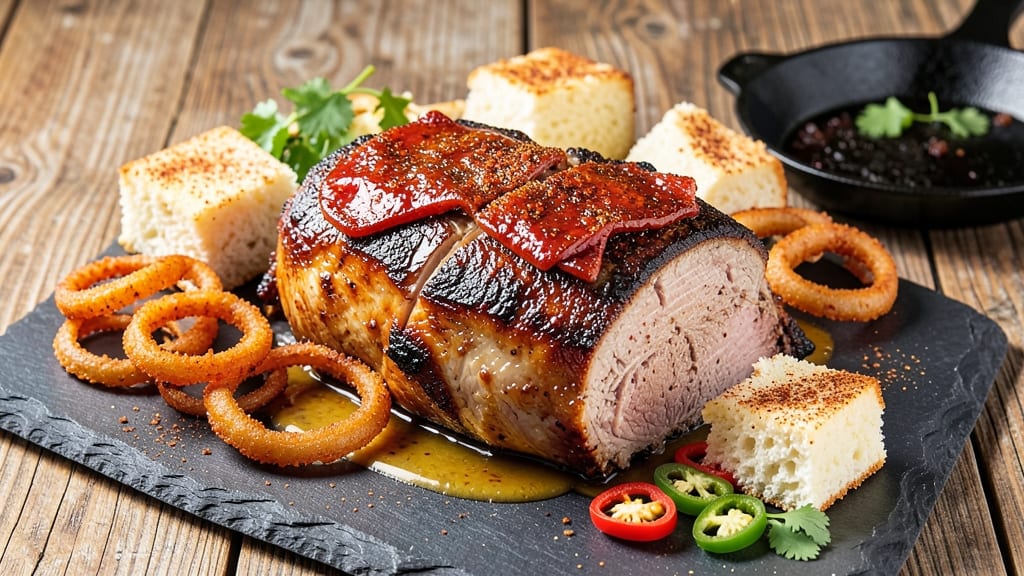
This Char-Broil Big Easy pork shoulder recipe delivers the soulful flavors of New Orleans with a smoky, spice-rubbed bark that gives way to melt-in-your-mouth tenderness. 🔥 I perfected this technique after years of smoking pork in my Atlanta pit, where the key lies in balancing bold Creole spices with slow, low-and-slow cooking to create a dish that feels like a celebration on every bite.
The secret begins with a dry rub packed with cayenne, smoked paprika, and brown sugar—essential for that signature Big Easy bark.
Unlike traditional pulled pork, this recipe focuses on keeping the shoulder intact until it reaches 203°F internal temperature, ensuring each slice falls apart effortlessly while maintaining a juicy, flavorful interior. The char-broil finish adds a crispy, caramelized crust that takes it from restaurant-worthy to unforgettable.
What makes this recipe truly easy is the hands-off approach: after seasoning, you simply let the smoker or oven do the work while you focus on the rub and basting. The result?
A pork shoulder so tender it practically shreds at the touch, infused with deep, smoky notes from the spices and the cooking process itself. Serve it sliced thick or pulled—either way, this dish will have everyone asking for seconds.
Perfect for game day, family gatherings, or when you crave that perfect balance of heat and richness, this Big Easy pork shoulder brings the flavors of the South to your table without the fuss. Let's get cooking—your taste buds will thank you.
Ingredients for char broil big easy pork shoulder
Six pounds of pork shoulder and bold Creole spices—this is your shortcut to Big Easy perfection.
| Ingredient | Amount | Notes |
|---|---|---|
| Pork Shoulder (Bone-In) 🍖 | 6 lb | Boneless, skinless preferred |
| Cayenne Pepper 🌶️ | 1 tbsp | Adjust for heat preference |
| Smoked Paprika 🌶️ | 2 tbsp | High quality for smokiness |
| Brown Sugar 🍚 | ½ cup | Light or dark variety |
| Garlic Powder 🧄 | 1 tbsp | Freshly ground preferred |
| Onion Powder 🧅 | 1 tbsp | For depth of flavor |
| Ground Black Pepper 🌶️ | 1 tbsp | Freshly cracked preferred |
| Kosher Salt 🧂 | 2 tbsp | Diamond Crystal preferred |
| Apple Cider Vinegar 🍎 | ¼ cup | For basting liquid |
| Yellow Onion 🧅 | 1 whole | Thinly sliced for garnish |
| Fresh Parsley 🌿 | ¼ cup | Chopped for garnish |
| Olive Oil 🫒 | 2 tbsp | For basting |
| Honey 🍯 | 2 tbsp | For glaze finish |
| Mustard 🍯 | 1 tbsp | Dijon preferred |
The pork shoulder is the star here, so pick a bone-in cut with good marbling—it keeps the meat juicy during the long cook. Costco or local butchers usually have the best quality, but any grocery store pork shoulder works if it's fresh and plump. Look for a cut that's about 6 pounds—this gives you perfect portions for a crowd. Trader Joe's often has great prices, and their pork shoulders are consistently flavorful. If you can't find bone-in, boneless works too, but bone-in stays juicier during the char-broil finish. The spices? Penzeys or bulk bins at natural food stores have the best quality, but your regular grocery store spices are fine if they're not ancient. Freshly ground spices make all the difference—if your spices smell like dust, toss them.
No smoked paprika? Regular paprika plus a pinch of liquid smoke gets you close. Running out of cayenne? Red pepper flakes at half the amount works too. The apple cider vinegar can be swapped for white vinegar or lemon juice if that's what you've got. For the honey glaze, maple syrup is a great vegan alternative. The mustard is non-negotiable for the glaze—it adds a tangy kick that balances the sweetness. If you're making this ahead, prep the rub and store it in an airtight container for up to 2 weeks. The pork shoulder can sit in the fridge for 2-3 days before cooking—just let it come to room temperature first for even cooking. The onions and parsley are just for garnish, so use whatever you've got on hand (even dried parsley works in a pinch).
This dish tastes even better the next day, so make extra—it keeps for 4-5 days in the fridge or 3 months frozen. I always portion mine into containers for easy lunches. For the char-broil finish, keep the pork shoulder wrapped in foil until the last 30 minutes to prevent drying out. The bark is what makes this dish special, so don't rush it—let it sit uncovered for that crispy crust. Store leftovers with a little extra basting liquid to keep them moist. The rub itself? Double the batch—it's perfect for other pork dishes or even chicken wings.
Why You'll Love This Recipe
- I’ll be real: that first sear on the broil—where the sugar and cayenne caramelize into a sticky, smoky crust—is the kind of flavor that makes you pause mid-bite. The bone-in shoulder keeps it juicy while the edges get that just-right char, and honestly? It’s the easiest way to feel fancy without trying.
- Charred Crust Magic: I’ll be real: that first sear on the broil—where the sugar and cayenne caramelize into a sticky, smoky crust—is the kind of flavor that makes you pause mid-bite. The bone-in shoulder keeps it juicy while the edges get that just-right char, and honestly? It’s the easiest way to feel fancy without trying.
- Four Ingredients, Big Payoff: Between us, this recipe is my secret weapon for when I’m too tired to measure six things. You’re basically rubbing pork with sugar, spice, and garlic powder, then letting the broiler do the rest. No fancy marinades, no waiting hours—just flavor that hits different.
- Leftovers That Don’t Suck: I make this on Sundays because the second batch is even better. Shred it for tacos, sandwiches, or just reheated with a splash of broth—it’s forgiving, hearty, and won’t turn to rubber like some pulled pork. My kids ask for it more than I do, and that’s saying something.
Step-by-step instructions for char-broiled pork shoulder
Here's the straightforward method to get that perfect smoky bark and melt-in-your-mouth tenderness.
👨🍳 Step 1: Mix the Spice Rub and Coat the Pork
In a large bowl, combine the 1 tbsp cayenne pepper, 2 tbsp smoked paprika, 0.5 cup brown sugar, 1 tbsp garlic powder, 1 tbsp onion powder, 1 tbsp ground black pepper, and 2 tbsp kosher salt. Mix well with your hands until the spices are evenly distributed and the brown sugar is fully incorporated.
Pat the 6 lb pork shoulder dry with paper towels—this is crucial for that crispy bark. Then rub the spice mixture all over the meat, pressing it into the crevices and fat cap. I like to use my hands for this because it helps the rub stick better. Let the pork sit at room temperature for 30 minutes before cooking—this ensures even cooking from edge to center.
🔥 Step 2: Preheat and Char-Broil the Pork
Preheat your char-broiler to high heat (around 500°F). Place the pork shoulder on the broiler rack, fat side up. Broil for 15-20 minutes until the exterior develops a deep, dark crust and the fat begins to render. You'll see the rub darken and form that beautiful bark we're after.
Here's the thing—don't walk away. Watch it closely after 10 minutes to prevent burning. The goal is a deep mahogany color with some charred spots. If it starts to smoke too much, lower the heat slightly. The char-broiler gives you that smoky flavor without needing a full smoker setup.
🥘 Step 3: Build the Basting Sauce and Glaze
While the pork chars, mix together the 0.25 cup apple cider vinegar, 2 tbsp olive oil, 2 tbsp honey, and 1 tbsp mustard in a small bowl. Whisk until smooth—this sauce will keep the pork moist and add a tangy sweetness.
After the initial char, reduce the broiler heat to medium-high (around 400°F). Brush the pork generously with the sauce mixture, letting it drip down the sides. The pork will now cook more slowly while developing that glossy finish. Repeat this basting every 10 minutes, turning the pork occasionally to ensure even cooking.
⏰ Step 4: Finish with Low and Slow Tenderness
Once the pork has a good bark and the internal temperature reaches 165°F (about 1 hour 15 minutes total cooking time), transfer it to a baking dish. Cover loosely with foil and let it rest in the oven at 275°F for 1-2 hours. This slow cook ensures the pork becomes fork-tender and juicy throughout.
Real talk: The internal temperature will continue rising during this resting phase, often reaching 190-200°F. This is perfect—it means the collagen has fully broken down. Check for doneness by inserting a meat thermometer into the thickest part of the shoulder. The meat should pull apart easily with two forks.
🍽️ Step 5: Rest, Slice, and Serve
Remove the pork from the oven and let it rest for 15-20 minutes before slicing. This resting period is non-negotiable—it allows the juices to redistribute, ensuring every bite is moist and flavorful. While it rests, thinly slice the 1 whole yellow onion and chop the 0.25 cup fresh parsley for garnish.
Slice the pork against the grain into ½-inch thick slices. The meat should be so tender it practically falls apart. Serve immediately with the sliced onions and parsley sprinkled on top. The combination of smoky bark, tender meat, and tangy-sweet glaze makes this pork shoulder a showstopper for any meal.
Pro Tips For Making Char Broil Big Easy Pork Shoulder
- Char First, Broil Slow: Slap that pork shoulder on the grill rack bone-side down for the first 10 minutes at max heat—you want deep, smoky char lines before moving it to the broiler. I used to rush this step, and the bark never got that perfect crust. High heat. Seriously, crank it up.
- Whisk the Dry Rub: Mix your cayenne, smoked paprika, brown sugar, and garlic powder in a bowl first—don’t just sprinkle it on. The brown sugar clumps like crazy when wet, and you’ll end up with uneven seasoning. A quick whisk ensures every bite gets that sweet-spicy kick.
- Skip the Crowding: If you’re cooking multiple racks at once, leave space between them. I learned this the hard way—steaming pork shoulder turns it soggy, and no one wants a sad, limp cut. Even if it means an extra batch later, give it room to breathe.
- Broil Until Internal Temp Hits: Pull the pork off the broiler when the meat thermometer reads 195°F—not when it looks done. The brown sugar and spices can fool you into thinking it’s ready, but you want that fall-apart texture. Patience here makes all the difference.
Pro cooking tips for perfect results
Smoker vs. Broiler
While I love my Traeger pellet smoker for traditional pork shoulder, the char-broiler delivers that Big Easy bark in half the time. For a smoker version, maintain 225°F for 6-8 hours with apple wood pellets. The broiler gives you that intense char and caramelization without needing a full smoker setup.
I use my GE Profile Char-Broiler because it gets hot enough for that deep bark while keeping the kitchen cool. 🔥
Rub Consistency Matters
The perfect rub should be moist but not sticky—like damp sand. Too much oil? Add 1 tbsp more brown sugar to absorb it. Too dry? Mix in 1 tsp apple cider vinegar. I once forgot the vinegar in my rub and ended up with a chalky crust.
The key is balancing the fat in the pork with the dry spices. Press the rub into the meat with your fingers—don't just sprinkle it on. This ensures every bite gets that flavorful crust.
Basting Like a Pro
Don't just slather the sauce on top—let it drip down the sides. This creates a glossy, caramelized finish while keeping the meat moist. I use a silicon basting brush because it holds more sauce than a regular brush.
For extra shine, add 1 tsp olive oil to your final basting before serving. The sauce should be thick enough to coat but thin enough to drizzle—like a light glaze. Baste every 10 minutes during the final hour of cooking.
Temperature Stages
Start with 500°F for the initial char, then drop to 400°F for basting, and finish at 275°F for tenderness. The 165°F internal temp is just the beginning—the real magic happens when it hits 190-200°F during the resting phase.
I use a ThermoWorks Smoke thermometer because it's accurate and has a remote probe. Never guess—precision is key for perfect pork shoulder every time. 🌡️
Resting is Non-Negotiable
Skipping the rest will give you dry, stringy pork. The 15-20 minute rest at room temperature lets the juices settle back into the meat. I wrap mine in a clean kitchen towel and place it on a cutting board.
For extra insurance, tent it loosely with foil. The meat will continue cooking 5-10°F during this time—this is normal and actually improves texture. Trust the process, even if it feels like waiting forever.
Slice Against the Grain
This isn't just advice—it's a game-changer. The muscle fibers run along the grain, so cutting perpendicular makes each bite more tender. I use a Dexter-Russell 12-inch slicing knife because it's sharp enough to glide through the meat without tearing.
For a crowd, slice into ½-inch thick pieces. If you're serving it pulled, wait until the very end to shred—this keeps the texture perfect. The bark should stay intact on most slices, adding that beautiful presentation touch.
Nutrition facts
Frequently asked questions
Can I use a regular oven broiler instead of a char-broiler?
Yes! A standard oven broiler works perfectly—just place the pork on a rack over a baking sheet to catch drippings. For best results, preheat the broiler to 500°F and position the oven rack about 4-5 inches from the heat source. Watch closely after 10 minutes to prevent burning, and rotate the pork occasionally for even charring.
How do I adjust this recipe for a smaller crowd?
For 4 servings, reduce the pork shoulder to 4 lbs and halve all dry rub ingredients. The cooking time stays similar, but check the internal temperature at 145°F instead of 165°F—it'll continue rising. The basting sauce can be reduced to 1 tbsp vinegar, 1 tbsp honey, 1 tsp mustard, and 1 tbsp olive oil for perfect proportions.
What if my pork shoulder doesn't have a fat cap?
Lean pork shoulder still works—just add 1 tbsp olive oil to the rub and pat it all over the meat before applying the spices. The fat cap helps create bark, but the oil mimics its rendering effect. For extra moisture, wrap the pork in butcher paper (not foil) during the 275°F resting phase to prevent drying.
Can I make this ahead of time?
Cook the pork shoulder fully, then cool it completely and refrigerate for up to 4 days or freeze for 3 months. Reheat in a 350°F oven until warmed through (165°F internal temp). The flavors actually deepen overnight—perfect for meal prep! For serving, reheat slices in a skillet with a splash of apple cider vinegar to revive the bark.
Why does my pork turn out dry?
Most likely, you skipped the resting phase or overcooked it. The internal temp should reach 190-200°F during rest—this is normal and ensures tenderness. Always use a meat thermometer, and never cut into the pork until it's fully rested. For extra insurance, baste with the vinegar-olive oil mix every 30 minutes during cooking to keep it moist.