
Main Courses
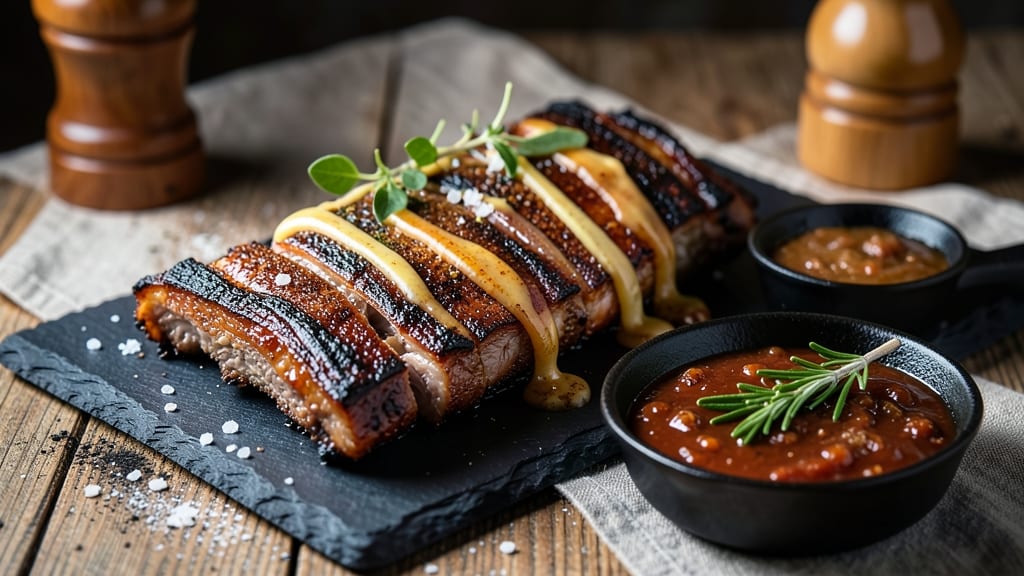
This charcoal-grilled pork ribs recipe delivers the perfect balance of smoky char and juicy pink hearts—just like my grandfather taught me over decades of backyard cookouts. The secret lies in low-and-slow smoking with hickory, where the ribs develop that signature bark while staying tender inside.
I've refined this technique over years, blending French precision with my family's pitmaster traditions to create ribs that fall off the bone without losing moisture.
What sets these ribs apart is the dry rub—equal parts brown sugar, smoked paprika, and cayenne—that creates a caramelized crust while penetrating the meat with deep, complex flavors. The key is maintaining a consistent 225°F temperature throughout the cooking process, which transforms tough cuts into melt-in-your-mouth perfection.
This isn't just another BBQ recipe; it's a method that respects both tradition and modern techniques.
By the time you're done, you'll have ribs with a glossy mahogany crust, layers of smoky aroma, and meat so tender it practically dissolves at the touch of a fork. The natural juices will flow freely, creating a sauce right on your plate that's worth savoring with every bite.
These ribs are worth the time—because great food, like great memories, can't be rushed.
Serve with classic cornbread and a crisp green salad to balance the richness, or pair with a cold local beer to complement the smoky depth. The presentation matters too—pile those ribs high on a platter, garnish with fresh herbs, and you've got a centerpiece that'll impress any crowd.
Let's get to work on these ribs that'll have everyone asking for seconds.
Ingredients for charcoal grilled pork ribs
Six ingredients for the rub, plus charcoal and wood chips to bring out that smoky magic.
| Ingredient | Amount | Notes |
|---|---|---|
| Pork Baby Back Ribs 🥓 | 4 lb | Bone-in, meaty ends included |
| Brown Sugar 🍬 | ½ cup | Packed, light or dark |
| Smoked Paprika 🌶️ | 2 tbsp | High quality for smoky flavor |
| Ground Cayenne Pepper 🌶️ | 1 tsp | Adjust for heat preference |
| Kosher Salt 🧂 | 2 tbsp | Diamond Crystal preferred |
| Black Pepper 🌶️ | 1 tbsp | Freshly ground for best flavor |
| Garlic Powder 🧄 | 1 tbsp | Not garlic salt |
| Onion Powder 🧅 | 1 tbsp | For depth of flavor |
| Hickory Wood Chips 🌳 | 1 package | Unsoaked for smoker |
| Apple Cider Vinegar 🍎 | ¼ cup | For spritzing ribs |
| Yellow Mustard 🥬 | ¼ cup | For final glaze |
| Granulated Sugar 🍬 | ¼ cup | For final glaze |
| Fresh Rosemary 🌿 | ¼ cup | Chopped, for garnish |
| Charcoal Briquettes 🔥 | 5 lb | Lump charcoal preferred |
The ribs are non-negotiable—baby back for tenderness, meaty ends for flavor. Costco or Sam's Club sell them pre-cut, but if you're buying whole slabs, ask your butcher to trim to 2-2.5 lbs each. Look for good marbling, not too much fat. The hickory chips? Traeger or Cookshack brands are reliable, but any quality brand works. Skip the pre-soaked ones—they burn too fast. For the brown sugar, light or dark doesn't matter here, but organic sugar has less processing residue if that matters to you.
No smoked paprika? Regular paprika plus a pinch of liquid smoke works in a pinch, though it's not quite the same. Cayenne too spicy? Swap for half the amount of red pepper flakes. The apple cider vinegar spritz keeps the bark crispy—substitute lemon juice if that's what you've got. For the final glaze, honey works too if you're avoiding sugar, but it burns faster. The mustard adds tang that balances all the sweetness. Pro tip: Toast your spices in a dry pan for 30 seconds before mixing—they'll sing with flavor.
Charcoal burns hotter than you think—use a chimney starter and let it get fully ashed over before adding ribs. The ribs keep beautifully in the fridge for 3 days wrapped tightly, or 3 months frozen. I like to portion them into meal-sized bundles before freezing. Leftovers? Shred and toss with BBQ sauce for sandwiches—they're even better the next day. Store your wood chips in a sealed container in the freezer to keep them dry.
Why You'll Love This Recipe
- Charcoal Magic Simplified: I’ll be real—grilling ribs on charcoal used to scare me. But this recipe? Just slather the ribs with that brown sugar-smoked paprika mix, let the coals do the work, and you’re golden. No fancy rubs, no stress—just ribs that taste like they fell off a smoker.
- Smoky-Sweet Obsession: That cayenne-kick meets the caramelized brown sugar? It’s the kind of flavor that makes people ask for seconds before you even finish serving. The charcoal adds this deep, smoky backbone that turns simple ribs into something unforgettable.
- Weeknight or BBQ King: Honestly, these ribs work for everything. Weeknight dinner when you’re craving something rich but don’t want to slave over it? Check. Sunday cookout when you’re feeding a crowd? Still check. Even my picky teen devours them—no complaints.
- Leftovers That Don’t Suck: Between us, most rib leftovers are sad. Not these. The meat stays tender, the sauce clings, and they reheat like a dream. I’ve turned them into tacos, loaded baked potatoes, and even a hearty salad—no waste, all flavor. Budget-friendly, too.
Step-by-step instructions for charcoal-grilled pork ribs
Here's how to achieve fall-off-the-bone ribs with that perfect smoky bark and tender pink centers.
Prepare the Ribs with Dry Rub
Start by removing the pork baby back ribs from the packaging and patting them dry with paper towels. This step is crucial—any moisture on the surface will prevent the rub from sticking properly and create steam instead of crispy bark. Place the ribs on a wire rack set over a baking sheet to allow air circulation on all sides.
In a small bowl, combine the 0.5 cup brown sugar, 2 tbsp smoked paprika, 1 tsp ground cayenne pepper, 2 tbsp kosher salt, 1 tbsp black pepper, 1 tbsp garlic powder, and 1 tbsp onion powder. Mix well until the spices are evenly distributed and the sugar is fully incorporated. The rub should look like coarse sandpaper—this texture ensures it clings to the ribs and creates that beautiful crust.
Generously coat both sides of the ribs with the dry rub, pressing it firmly into the meat so it adheres well. Don't be shy—you want a thick, even layer. Place the ribs on a tray and let them sit at room temperature for 30 minutes before grilling. This resting period allows the rub to penetrate slightly and the meat to come to room temperature, ensuring even cooking.
Set Up the Charcoal Grill for Low and Slow Cooking
While the ribs rest, prepare your charcoal grill. Divide the 5 lb charcoal briquettes evenly between two sections of the grill—one side for direct heat and one side for indirect heat. I like to use a two-zone setup: place a drip pan filled with water on the indirect side to help maintain moisture and prevent flare-ups.
Add the 1 package hickory wood chips to the hot coals on the direct side. The wood chips will start smoking almost immediately, filling the air with that rich, woodsy aroma. Once you see clean, thin blue smoke (not thick white smoke), the grill is ready. Spread the coals evenly on the direct side, creating a hot zone for searing and leaving the indirect side for slow cooking.
Place the ribs on the grill, bone-side down, over the indirect heat. This position allows the fat to render slowly and baste the meat as it cooks. Close the lid and maintain a temperature of 250-275°F—this low and slow method is key to tender ribs. If the temperature fluctuates, adjust the vents on the grill to stabilize the heat.
Cook Low and Slow Until Fork-Tender
Cook the ribs for 2.5 to 3 hours, checking the temperature periodically. The ribs are done when they reach an internal temperature of 195-203°F at the thickest part of the meat. You'll notice the meat pulling away from the bones slightly, and a meat thermometer should slide in like butter with no resistance.
Here's the thing—don't rush this step. The low temperature breaks down the collagen in the connective tissue, transforming it into gelatin that makes the ribs tender. If the ribs start to dry out, spritz them lightly with the 0.25 cup apple cider vinegar every 45 minutes to keep them moist. This also adds a subtle tang that complements the smoky flavor.
About 30 minutes before the ribs are done, move them to the direct heat side of the grill. This final step creates a beautiful bark on the meat. Watch closely—you want the surface to develop a deep, glossy char without burning. If the bark forms too quickly, move the ribs back to the indirect side.
Apply the Final Glaze and Rest
Once the ribs are fork-tender, remove them from the grill and place them on a cutting board. In a small bowl, whisk together the 0.25 cup yellow mustard, 0.25 cup granulated sugar, and 1 tbsp apple cider vinegar (reserved from earlier) until smooth. This glaze adds a sweet and tangy finish that balances the smoky flavor.
Brush the glaze generously over the top of the ribs, ensuring every surface is coated. Return the ribs to the grill, bone-side down, over the direct heat for 2-3 minutes per side. You'll see the glaze bubble and caramelize, creating a sticky, glossy crust. This is your signal that the ribs are ready to serve.
Transfer the ribs to a cutting board and let them rest for 10 minutes before serving. Tent loosely with foil to keep them warm. During this time, sprinkle the 0.25 cup chopped fresh rosemary over the top for a pop of color and fresh aroma. The ribs should be juicy, tender, and ready to pull apart with minimal effort—each bite delivering that perfect balance of smoky, sweet, and tangy flavors.
Pro Tips For Making Charcoal Grilled Pork Ribs
- USE A CHIMNEY STARTER: Charcoal ribs taste like charcoal ribs because the grill’s hot enough to sear and smoke properly. Skip the lighter fluid—light the coals in a chimney for 15-20 minutes until they’re covered in white ash. That’s your signal to spread them out, not pack them like a fire pit.
- DRY THE RIBS FIRST: I used to slap on the dry rub straight after trimming, but the sugar and spices just slide off. Pat those ribs thoroughly with paper towels—get them bone-dry before adding the brown sugar mix. The crust will stick like it’s supposed to, and you won’t waste half your seasoning.
- DON’T CROWD THE GRILL: Baby backs are forgiving, but charcoal isn’t. If you pile them on, they’ll steam instead of caramelize. Leave 1-2 inches between racks, even if it means two batches. The smoke needs room to work, and you want that crust, not soggy ribs.
- WRAP IN FOIL AT 170°F: The sugar and cayenne make these ribs tender fast, but I learned the hard way—pulling them too early means rubbery meat. Wrap them in heavy-duty foil with a splash of apple juice when they hit 170°F internally, then let them rest. The residual heat finishes them perfectly while you set up sides.
Flavor customization for these flavors
Sweet Heat Balance
Start by adjusting the brown sugar and cayenne pepper ratio to suit your spice tolerance. For a milder kick, reduce the cayenne to ½ tsp and add 1 tsp ground cumin—it deepens the earthy notes without heat.
If you love spice, boost the cayenne to 2 tsp and add ½ tsp chipotle powder for smoky depth. I once made ribs with 1 tbsp gochujang mixed into the rub—trust me, the fermented chili paste adds a funky complexity that pairs perfectly with the smoky hickory. 🌶️
Herb-Infused Variations
Swap out the rosemary garnish for fresh thyme if you're cooking in spring—it brightens the dish with citrusy notes. For a coastal twist, I like tossing chopped lemon thyme and sea salt flakes over the finished ribs, especially when grilling near the ocean breeze.
During summer, add cilantro and lime zest to the glaze for a Mexican-inspired fusion that keeps things fresh. Remember, fresh herbs should be added after cooking to preserve their vibrant flavors.
Smoky Wood Alternatives
While hickory is classic, don't be afraid to experiment with other woods. Cherry wood adds a subtle sweetness that pairs beautifully with the brown sugar in the rub, while mesquite brings an earthy intensity that works well with bold spices.
For a fruitier profile, try apple or peach wood chips—they add a delicate sweetness that complements the glaze. Just remember, fruit woods burn faster, so monitor your grill temperature closely.
I keep a small bag of pecan wood on hand for fall cookouts—it's my secret weapon for adding a buttery richness.
Glaze Customizations
The mustard glaze is versatile—swap the yellow mustard for Dijon for a tangier kick, or use honey instead of sugar for a deeper caramelization. For a spicy-sweet combo, mix ½ cup BBQ sauce with 1 tbsp hot sauce and brush it on during the final minutes.
I've also made a bourbon glaze by reducing ½ cup bourbon with ¼ cup brown sugar until syrupy, then brushing it over the ribs. The alcohol burns off, leaving behind a rich, slightly boozy depth that elevates the dish. 🍷
Protein Swaps
While pork ribs are the star, you can adapt this technique to other meats.
For beef short ribs, increase the cook time to 4-5 hours and use coffee grounds in the rub for a deeper, meatier flavor. Chicken thighs work beautifully too—reduce the rub by half and cook them for 2 hours at 275°F, basting with apple cider vinegar.
The key is maintaining that low-and-slow temperature to keep the meat tender. I once made lamb ribs with this method, adding ground coriander and cardamom to the rub for a Middle Eastern twist that was unforgettable.
Regional Twists
In the Carolinas, ribs often get a vinegar-based sauce with a touch of hot sauce—skip the glaze and serve with a side of white vinegar and hot sauce mix for dipping.
For a Texas-style approach, add chili powder and cumin to the rub and serve with pickled jalapeños on the side. Up north, I've seen ribs glazed with maple syrup and bourbon, especially in Michigan—the sweetness balances the smokiness perfectly.
Each region puts its own spin on the classic, so don't be afraid to adapt the flavors to your local tastes. 🗺️
Nutrition facts
Frequently asked questions
Why do my charcoal ribs turn out dry even with low heat?
Dry ribs usually mean one of two things: either the temperature got too high or the ribs weren't rested properly. Keep your grill between 225-275°F and spritz with apple cider vinegar every 45 minutes to maintain moisture. Also, never skip the 10-minute rest—this lets juices redistribute. Pro tip: Use a meat thermometer to check the internal temp (195-203°F) rather than guessing by time.
Can I use a grill without a built-in thermometer?
For charcoal grills, the two-zone method is your best friend. Place ribs on the cooler side (indirect heat) and keep a drip pan with water nearby to stabilize temps. If the coals burn too fast, add more charcoal gradually. For extra accuracy, touch the ribs—if they feel too hot, move them back. The bark should form gradually, not instantly.
What's the best way to store leftover ribs?
Wrap ribs tightly in foil or butcher paper (not plastic!) and refrigerate for up to 3 days. For longer storage, freeze them in portions for 3 months. The key is to keep air out—this prevents freezer burn. When reheating, warm in a 300°F oven for 15 minutes with a splash of water to restore moisture. Leftovers make amazing sandwiches or tacos!
How do I adjust this recipe for a smaller crowd?
For 2-3 servings, use 2 lbs baby back ribs and halve all dry rub ingredients. Keep the same cook time but reduce charcoal to 2-3 lbs briquettes. The two-zone method still works—just scale down everything proportionally. The glaze amount can stay the same since it's applied last. Perfect for a cozy dinner for two!
What if I don't have apple cider vinegar for spritzing?
No problem! Use lemon juice, white vinegar, or even beer (light lager works best) as substitutes. The acidity keeps the bark crispy and adds subtle flavor. Just don't use olive oil—it'll make the bark soggy. If you're out of all options, skip the spritz and just monitor the ribs closely for dryness.