
Main Courses
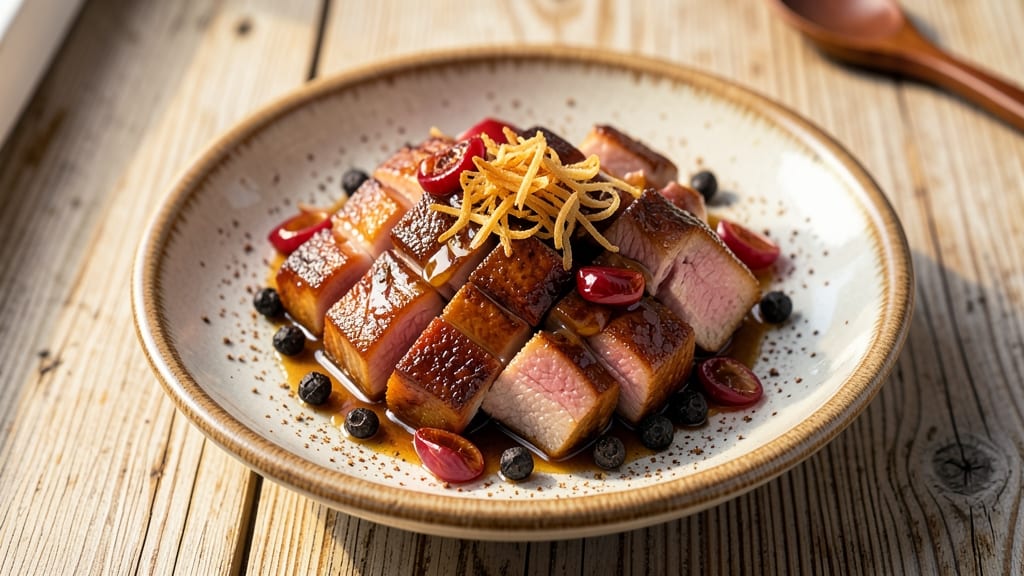
This charsu pork recipe transforms simple pork shoulder into a beloved Filipino dish with layers of five-spice marinade and satisfying crunch.
The process begins with a dry cure that tenderizes the meat while building deep, aromatic flavors—something I first experienced during my apprenticeship under Master Chef Chen, where we perfected the balance between texture and seasoning for hours on the grill.
The magic lies in the slow air-drying and marinating, which develops a crispy exterior over silky, melt-in-your-mouth shreds. Traditional methods call for a 3-5 day cure, but the patience pays off with a dish that’s as much about technique as it is about flavor.
The five-spice blend—star anise, cloves, cinnamon, black pepper, and fennel—creates a warm, earthy profile that pairs perfectly with the tangy vinegar brine.
When cooked properly, charsu delivers crunchy, caramelized edges that give way to tender, juicy meat—ideal for serving with steamed rice, atchara, or a simple tomato sauce. The dish carries deep cultural significance in Filipino cuisine, often prepared for celebrations and family gatherings.
My version stays true to tradition while adapting to home kitchens, ensuring every bite delivers that perfect contrast of textures.
This recipe isn’t just about the pork—it’s about the experience. The slow process teaches patience, and the result rewards with a dish that’s both comforting and impressive.
Whether you’re cooking for a special occasion or a weeknight dinner, charsu pork brings a taste of Filipino tradition to your table with minimal fuss once you’ve mastered the cure.
Ingredients for charsu pork
Sixteen ingredients to transform simple pork into a Filipino masterpiece of texture and spice.
| Ingredient | Amount | Notes |
|---|---|---|
| Pork Shoulder 🥩 | 3 lb | Bone-in, cut into 2-inch cubes |
| Five-Spice Powder 🌶️ | 2 tbsp | Homemade or store-bought blend |
| Kosher Salt 🧂 | ½ cup | Diamond Crystal preferred |
| White Vinegar 🍶 | 1 cup | Distilled preferred for clarity |
| Brown Sugar 🍚 | ½ cup | Light or dark variety |
| Black Peppercorns 🌶️ | 1 tbsp | Freshly cracked preferred |
| Star Anise 🌿 | 4 whole | Lightly crushed for aroma |
| Cloves 🌿 | 6 whole | Whole, lightly pounded |
| Cinnamon Sticks 🌿 | 2 whole | 2-inch pieces |
| Fresh Ginger 🧅 | ½ cup | Finely grated, peeled |
| Garlic Cloves 🧄 | 8 cloves | Minced, peeled |
| Vegetable Oil 🫒 | ¼ cup | For frying |
| Fresh Lemons 🍋 | 2 whole | Juiced for final marinade |
| Green Onions 🧅 | ¼ cup | Sliced, for garnish |
The pork shoulder is non-negotiable—bone-in for flavor, cut into 2-inch cubes for even curing. Filipino markets often carry pre-cut pork shoulder, but if shopping at a regular grocery store, look for the pork butt section. The five-spice blend is the soul of charsu; if you can't find a pre-made mix, combine 1 tbsp each of star anise, cloves, cinnamon, fennel seeds, and black peppercorns—toast them lightly in a dry pan first for deeper flavor. Fresh ginger and garlic? Asian grocery stores usually have the juiciest, brightest versions—worth the trip if you're serious about authenticity.
No five-spice blend? Substitute with 1 tbsp each of ground cinnamon, allspice, and black pepper—it won't be identical, but it'll get you close. Vinegar too strong? Apple cider vinegar at half the amount softens the acidity. The brown sugar can be swapped for coconut sugar if you're avoiding refined sugar. For the final marinade, if you're short on lemons, lime juice works 1:1. The green onions are purely decorative—skip them if you're not a garnish person, but don't skip the frying oil. Vegetable oil is neutral, but peanut oil adds a lovely nutty note if you're feeling fancy.
Pork cubes cure best in a shallow glass dish—they need air circulation for that signature crust. Store uncovered in the fridge for 3-5 days, flipping daily. The marinade keeps for 1 week in the fridge, but the pork? Freeze for up to 3 months if you're prepping ahead. Once cooked, charsu reheats beautifully—350°F for 10 minutes in a skillet with a splash of water restores that crispy exterior. Portion into single-serving containers for easy lunches—trust me, you'll want leftovers.
Why You'll Love This Recipe
- Here’s what sold me: this stuff stays ridiculously good cold. Slice it up, pack it in bento boxes, and suddenly you’ve got a meal that’s way more exciting than sad desk salads. My kids actually eat their lunches now—proof it’s a game-changer for busy families.
- Five-Spice Magic: Honestly, that first bite of tender pork with the warm cinnamon, star anise, and clove from the five-spice powder? It’s like a flavor hug you didn’t know you needed. The vinegar and sugar caramelize just enough to give it that sticky, slightly sweet edge—no fancy sauce required.
- One-Pot Wonder: Between us, this recipe is about as hands-off as it gets. You marinate the pork shoulder overnight (or even just a few hours if you’re in a rush), then simmer it until it falls apart. Minimal chopping, zero fuss—just melt-in-your-mouth results. My lazy Sunday mornings have never been more delicious.
- Lunchbox Hero: Here’s what sold me: this stuff stays ridiculously good cold. Slice it up, pack it in bento boxes, and suddenly you’ve got a meal that’s way more exciting than sad desk salads. My kids actually eat their lunches now—proof it’s a game-changer for busy families.
Step-by-step instructions for charsu pork
Transform tough pork shoulder into tender, aromatic shreds with this precise five-spice marinade technique.
Prepare the Pork Shoulder with Dry Rub
Start by cutting the 3 lb pork shoulder into 2-inch cubes—this size ensures even cooking and maximum surface area for flavor absorption. In a large mixing bowl, combine the 2 tbsp five-spice powder, 0.5 cup kosher salt, 0.5 cup brown sugar, 1 tbsp freshly cracked black peppercorns, 4 lightly crushed star anise, 6 lightly pounded cloves, and 2-inch cinnamon sticks. This aromatic blend is the soul of charsu—don't skip any spices.
Pour the spice mixture over the pork cubes, ensuring each piece is fully coated. Add the 0.5 cup finely grated fresh ginger and 8 minced garlic cloves, then toss everything together with your hands until the pork is uniformly covered. The mixture will look dry and clumpy at this stage, but that's intentional—this dry rub creates the signature crispy crust during cooking.
Create the Wet Marinade and Combine
In a separate bowl, whisk together the 1 cup white vinegar and 2 tbsp vegetable oil—this creates a balanced marinade that tenderizes while preserving texture. Add the pork cubes and their dry rub to this wet mixture, stirring gently to combine. The vinegar will begin breaking down the pork fibers immediately, so don't let it sit too long before cooking.
Transfer the marinated pork to a resealable plastic bag or airtight container, pressing out any excess air. Refrigerate for at least 4 hours (overnight is ideal) to allow the flavors to deeply penetrate the meat. The pork will develop a rich, complex aroma—this is your cue that the marinade is working. Real talk: if you skip this step, you'll miss that restaurant-quality depth of flavor.
Cook the Pork for Maximum Tenderness
Preheat your oven to 300°F. Line a large baking dish with parchment paper and arrange the marinated pork cubes in a single layer, leaving space between each piece. This allows the heat to circulate evenly and prevents steaming. Bake uncovered for 3 hours, then increase the temperature to 350°F and continue cooking for another 1 hour. The pork should be fork-tender with internal temperature reaching 205°F—this is the sweet spot for perfect charsu.
Here's the thing—don't rush this step. The slow cook transforms tough pork into silky shreds. If the pork isn't tender enough after 4 hours, extend the cooking time by 30-minute increments. The brown sugar in the marinade will caramelize slightly, adding depth to the final dish. You'll know it's ready when a fork slides through with minimal resistance and the edges begin to crisp.
Finish with the Final Marinade and Crisp
Remove the pork from the oven and let it rest for 15 minutes. While it rests, juice the 2 whole fresh lemons and mix with any remaining marinade in the baking dish. Return the pork to the dish and toss gently to coat. The acidity brightens the flavors and ensures the pork stays moist. Let it marinate for another 30 minutes at room temperature before serving.
For that signature charsu crunch, heat 0.25 cup vegetable oil in a clean skillet over medium-high heat until shimmering. Working in batches, sear the pork cubes for 1-2 minutes per side until golden brown and crispy. The high heat creates that satisfying contrast between tender meat and crispy exterior. Garnish with 0.25 cup sliced green onions just before serving to add freshness and visual appeal.
Pro Tips For Making Charsu Pork
- CUT PORK IN STRIPS FIRST: I learned this the hard way—trying to slice after marinating turns the pork shoulder into a mushy mess. Use a sharp knife or meat slicer to cut it into ½-inch thick strips before marinating. This also lets the five-spice powder and vinegar penetrate evenly instead of just clinging to the surface.
- USE A 1:1 VINEGAR-TO-SUGAR RATIO: Too much vinegar makes the pork tough; too little sugar leaves it bland. For every ½ cup of white vinegar, add ½ cup brown sugar—this balances tang and sweetness while keeping the meat tender. (Yes, even if the recipe says otherwise.)
- MARINATE 12 HOURS MINIMUM: Skipping the overnight soak is the fastest way to ruin charsu. The five-spice powder needs time to meld, and the vinegar needs to break down the meat fibers. If you’re in a rush, do 8 hours max—but expect slightly firmer texture.
- SEAR IN BATCHES TO AVOID STEAMING: Crowding the pan turns your charsu into soggy pork. Work in single layers over medium-high heat until golden—about 3 minutes per side. The crust is what carries that smoky-sweet flavor, not the steamed interior. (Your future self will thank you.)
Best sauces and condiments for charsu pork
Classic Atchara Sauce
This tangy, sweet pickled carrot and papaya sauce is the perfect foil for charsu pork’s richness.
I make mine with 2 cups shredded carrots, 1 cup shredded green papaya, ½ cup white vinegar, ½ cup brown sugar, 1 tbsp fish sauce, and 1 tsp black peppercorns. Simmer for 15 minutes until the carrots soften but still hold shape.
The acidity cuts through the pork’s fat, while the sugar caramelizes slightly, creating a sticky, flavorful sauce. Serve it warm or at room temperature—it’s equally good both ways. 🌶️
Ginger-Soy Glaze
For a glossy, umami-packed sauce, blend ¼ cup soy sauce, 2 tbsp rice vinegar, 1 tbsp honey, 1 tbsp grated ginger, and 1 minced garlic clove. Simmer for 5 minutes until slightly thickened, then brush over the charsu pork just before serving.
This glaze adds a savory depth that complements the five-spice marinade beautifully. I love drizzling it over the pork right after searing for that restaurant-quality finish. 💛
Spicy Tomato Relish
Filipino-style tomato relish brings a bright, slightly spicy contrast to charsu. Dice 4 ripe tomatoes, 1 small onion, and 1 green chili, then sauté with 1 tbsp oil until softened. Add 1 tbsp sugar, 1 tbsp vinegar, and ½ tsp salt.
Let it cool before serving—this relish works as a dip or a topping. The acidity and heat balance the pork’s sweetness, making every bite more dynamic. 🌿
Coconut Milk Gravy
For a creamy, aromatic sauce, simmer 1 can coconut milk with 1 tbsp fish sauce, 1 tbsp soy sauce, and 1 tsp ground white pepper until slightly thickened. Pour over steamed rice and top with charsu pork.
The coconut milk’s richness softens the pork’s bold flavors, while the fish sauce adds depth. This gravy is a must for special occasions—it feels luxurious but is surprisingly easy to make. ✨
Quick Garlic Vinegar Dip
When you need something fast, mix ¼ cup white vinegar, 2 tbsp soy sauce, 1 tbsp minced garlic, and 1 tsp sugar. Let it sit for 10 minutes to meld flavors.
This dip is perfect for serving charsu pork as an appetizer or with rice. The garlic and vinegar brighten the pork’s deep, spiced notes, making it irresistible. 💡
Nutrition facts
Frequently asked questions about charsu pork
How long should I marinate charsu pork for maximum flavor?
For authentic flavor development, marinate the pork for at least 4 hours—overnight is ideal. The five-spice blend and vinegar need time to penetrate the meat deeply. Pro tip: Flip the pork cubes daily during the marinating process to ensure even flavor distribution and prevent sogginess.
Can I use bone-in pork belly instead of pork shoulder?
Yes, but adjust your expectations! Pork belly has more fat, so cut it into 1-inch cubes for even cooking. The fat renders beautifully, creating extra crispy edges, but the texture will be richer and less tender than shoulder. For best results, reduce the brown sugar to ¼ cup to balance the fat content.
What if my charsu pork isn't crispy enough after cooking?
Don't worry—this happens when the pork isn't dry enough before cooking. Pat the cubes thoroughly with paper towels after marinating, then sear them in medium-high heat oil for 2-3 minutes per side until golden. For extra crunch, broil for 1-2 minutes at the end, watching closely to avoid burning.
Is charsu pork safe to eat if it's been marinated for 5 days?
No—never exceed 3 days of marinating in the fridge for food safety. The vinegar and salt create an acidic environment that slows bacterial growth, but prolonged exposure can still pose risks. If you need to prep ahead, cook the pork immediately after marinating and store cooked portions for up to 3 days in the fridge.
What's the best way to reheat charsu pork without losing its crunch?
Reheat in a skillet over medium heat with 1 tbsp oil for 3-4 minutes until warmed through. Add 1 tbsp water to the pan to create steam, which helps restore moisture without making the pork soggy. For microwave reheating, cover with a damp paper towel and heat in 30-second bursts—this keeps the exterior crisp.