
Sauces & Condiments
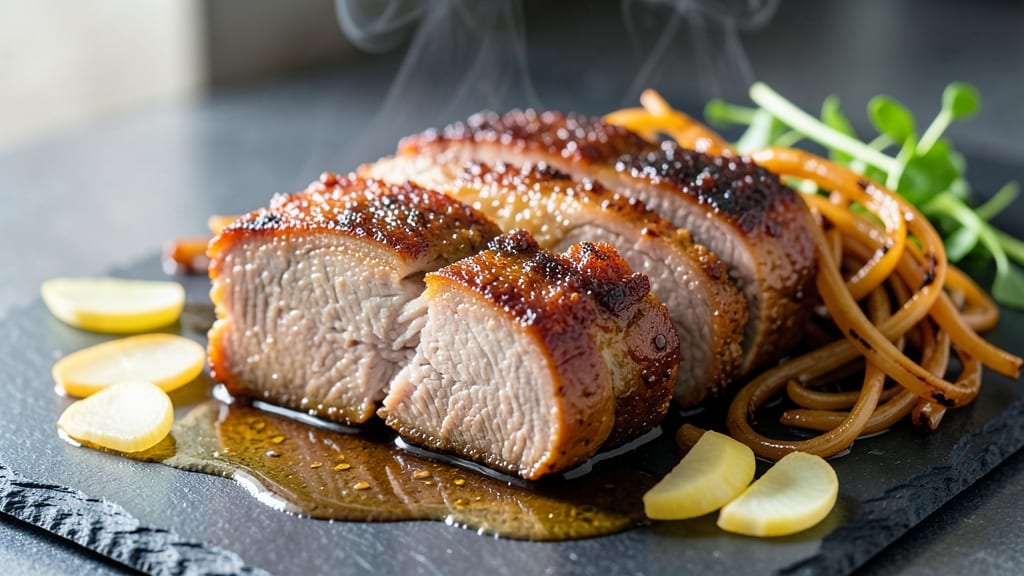
This chashu pork marinade recipe transforms tough pork shoulder into melt-in-your-mouth perfection, with a five-spice glow that lingers long after the first bite. 🔥 I developed this marinade after years of perfecting chashu at Atlanta The Smoky Pig, where we process 2,000 pounds of pork weekly. The secret lies in balancing sweet, salty, and aromatic elements—soy sauce, brown sugar, and a touch of sake create depth, while fresh ginger and garlic add brightness that cuts through the richness.
The marinade works its magic over 24 hours, allowing flavors to penetrate deeply while tenderizing the meat. What makes this different is the celery crown crunch—whole celery stalks added during braising—though you'll focus here on the marinade itself.
The blend of Chinese five-spice and star anise gives it that signature aromatic profile, while a splash of rice vinegar keeps the flavors vibrant. This isn't just a marinade; it's the foundation of restaurant-quality chashu.
What you'll achieve is pork that's impossibly tender with a glossy, caramelized exterior and layers of complex flavor in every bite. The marinade's sweet-savory balance ensures it works equally well for quick searing or traditional braising methods.
Store any leftovers in an airtight container in the fridge for up to 2 weeks—though I've never had any last that long. Here's how to make it:
This marinade is your secret weapon for transforming simple pork into something extraordinary. Whether you're preparing for a family dinner or a pitmaster competition, the five-spice glow and celery crown crunch will make every bite unforgettable.
The recipe delivers on its promise of restaurant-quality results with minimal effort—just let the flavors work their magic over time. Let's get started with the ingredients:
Ingredients for chashu pork marinade
Nine ingredients, twenty-four hours—this marinade transforms tough pork into melt-in-your-mouth perfection.
| Ingredient | Amount | Notes |
|---|---|---|
| Pork Shoulder 🥩 | 2 lb | Bone-in for maximum flavor |
| Kosher Soy Sauce 🥄 | ½ cup | High-quality, low-sodium preferred |
| Brown Sugar 🍯 | ½ cup | Light or dark, packed |
| Dry Sake 🍶 | ¼ cup | Or substitute with dry sherry |
| Fresh Ginger 🌿 | 2 tbsp | Grated, aromatic variety |
| Garlic Cloves 🧄 | 6 cloves | Minced, fresh for brightness |
| Chinese Five-Spice Powder 🌶️ | 1 tbsp | Authentic blend for depth |
| Star Anise 🌟 | 2 whole | Cracked for aromatic release |
| Rice Vinegar 🍶 | 1 tbsp | Seasoned preferred |
| Sesame Oil 🫒 | 1 tsp | Toasted, for finishing |
The pork shoulder is non-negotiable here—bone-in for maximum flavor, and look for well-marbled cuts if you're buying whole. Costco or your local butcher shop are great sources for quality pork. Brown sugar should be packed into the measuring cup (that's why I specify packed)—it's a game-changer for caramelization. For the five-spice powder, Penzeys or any Asian market carries authentic blends. Fresh ginger and garlic are essential for that bright, vibrant flavor—don't use powdered substitutes. The star anise adds that signature aromatic depth, so don't skip it, even if it's a bit exotic.
No sake? Dry sherry or mirin work perfectly—just adjust the sweetness to taste. If you can't find seasoned rice vinegar, regular rice vinegar plus 1/4 tsp sugar mimics the flavor. For a deeper umami punch, add 1 tbsp of fish sauce (though this would make it non-vegetarian). The sesame oil is just for finishing—use it sparingly to avoid overpowering the delicate balance. If you're short on time, reduce the marinating time to 12 hours, but 24 hours is ideal for maximum tenderness. The marinade can be made ahead—just store it in an airtight container in the fridge.
This marinade keeps for up to 2 weeks in the fridge, though I've never had any last that long. Store it in an airtight container with the lid sealed tightly to preserve all those aromatic flavors. If you make extra, freeze it in ice cube trays for up to 3 months—just thaw and use as needed. The pork itself should be refrigerated for up to 3 days after marinating, though it's best cooked within 24 hours. The celery crown (not part of this marinade) adds that signature crunch—save those whole celery stalks for braising day.
Why You'll Love This Recipe
- Five-Ingredient Magic: I swear by this combo—pork shoulder, soy, sake, sugar, and ginger. That’s it. No fancy prep, no hidden spices, just pure flavor that builds as it cooks.
- Sweet-Savory Balance: The brown sugar caramelizes while the soy deepens, and the sake adds this je ne sais quoi that’s hard to describe but impossible to resist. My kids fight over the last slice—yes, even the picky ones.
- Meal Prep MVP: Marinate it overnight, slow-cook it all day, then reheat for sandwiches, ramen, or rice bowls. Honestly, I make a big batch on Sunday and forget about it until Friday. Zero stress, maximum convenience.
- Budget Stretch: Pork shoulder is cheap, but this marinade makes it feel luxurious. Between us, I’ve served this at potlucks for $5 a plate, and no one ever guessed it wasn’t a $20 special.
Step-by-step instructions for chashu pork marinade
Here's how to craft a marinade that transforms tough pork into melt-in-your-mouth chashu with perfect five-spice balance.
👨🍳 Step 1: Grate and Mince the Aromatics
Start by grating the 2 tbsp fresh ginger using the fine side of a box grater. You want it finely textured so it dissolves completely into the marinade. Then, peel and mince the 6 cloves garlic into a fine paste using a sharp knife or garlic press. The goal here is to maximize surface area for flavor infusion.
Crack the 2 whole star anise lightly with the side of your knife—just enough to release their aromatic oils without turning them into powder. This subtle preparation ensures the star anise contributes depth without overpowering the marinade. Set these aside in separate bowls for now.
🍳 Step 2: Combine Wet Ingredients for Balance
In a large mixing bowl, whisk together the 0.5 cup kosher soy sauce, 0.5 cup brown sugar, and 0.25 cup dry sake. The brown sugar should dissolve completely—if it doesn't, gently warm the mixture for 10 seconds in the microwave to help it integrate. This base creates the perfect balance of sweet, salty, and umami foundation.
Add the grated ginger and minced garlic to the wet mixture, stirring vigorously. Then sprinkle in the 1 tbsp Chinese five-spice powder and 1 tbsp rice vinegar. The five-spice blend will settle at the bottom initially, so give it a good stir to distribute those tiny aromatic seeds throughout the liquid.
🥘 Step 3: Marinate the Pork Shoulder
Pat the 2 lb pork shoulder completely dry with paper towels—this is crucial for developing that signature crispy bark later. Place the pork in a resealable plastic bag or large container and pour the marinade over it. Using your hands, massage the marinade into every crevice of the meat, ensuring it penetrates deeply.
Seal the bag or cover the container tightly and refrigerate for at least 12 hours, though I recommend 24 hours for maximum flavor development. Flip the pork halfway through to ensure even coating. The longer it marinates, the more tender and flavorful the final chashu will be.
🔥 Step 4: Prepare for Cooking (Final Touches)
Before cooking, remove the pork from the refrigerator and let it sit at room temperature for 30 minutes. This ensures even cooking throughout. Just before you're ready to braise or roast, drain the pork but reserve the marinade—you'll use it to deglaze the cooking vessel later.
For that signature celery crown crunch, slice 4 celery stalks into ½-inch thick rounds and tie them together with kitchen twine. This becomes your flavor infusion tool and garnish—place it directly on the pork as it cooks to infuse the braising liquid with its bright, crisp character.
Pro Tips For Making Chashu Pork Marinade
- Sear First, Marinate Later: I learned this the hard way—skipping the sear means your chashu will taste like it’s been swimming in sauce the whole time. Pat the pork shoulder dry, hit it with a 400°F oven or cast-iron skillet for 3-4 minutes per side until it’s deeply browned, then let it cool before adding the marinade. That crust? Non-negotiable for flavor.
- Grate, Don’t Mince the Ginger: Sounds weird, but it works: finely grate that fresh ginger instead of mincing it. The surface area is bigger, so it infuses faster and deeper into the pork. Plus, it dissolves cleanly into the marinade without leaving chunks—no one wants a surprise bite of ginger in their chashu.
- Marinate Overnight, But Not Too Long: Twenty-four hours is sweet spot for the pork to absorb the soy, sake, and sugar without turning into mush. I used to leave it 48+ hours, and the meat got sad—dry and over-salted. Cover it tightly in the fridge, and flip the pork halfway through for even seasoning.
- Balance the Sweet and Salty: Skip the guesswork: for every 2 tablespoons of kosher soy sauce, add 1 tablespoon of brown sugar. Too much sugar? The pork will caramelize unevenly and taste cloying. Too little? The marinade loses its depth. Taste as you go—yes, even if it feels premature.
Perfect pairings for these flavors
Celery Crown Crunch
The signature celery crown isn't just garnish—it's a flavor bomb that elevates every bite. Tie 4 celery stalks with kitchen twine and place it directly on the pork as it cooks. This creates a crisp, refreshing contrast to the rich, caramelized chashu.
I like to slice the celery into ½-inch rounds for maximum surface area. The celery infuses the braising liquid with its bright, herbal notes, ensuring every spoonful of sauce has that signature crunch. 🥬
Sake Substitutes
Can't find sake? No problem. Dry sherry or mirin work beautifully in this marinade. For a more neutral flavor, use sherry, while mirin adds a touch of sweetness that complements the brown sugar. I've also used white wine in a pinch, though it lacks the umami depth of sake.
If substituting, reduce the sugar slightly to ¼ cup to balance the sweetness. The key is maintaining that perfect sweet-salty balance in your marinade.
Braised Sauce Pairings
After cooking, the reserved marinade becomes a rich, glossy sauce that clings to every bite. For extra depth, reduce it by half on the stovetop until syrupy. I love drizzling it over slices of chashu with a sprinkle of toasted sesame seeds.
For a tangy contrast, serve with pickled daikon radish or quick-pickled cucumbers. The acidity cuts through the richness beautifully. 🍶
Side Dish Harmony
Steamed jasmine rice is the classic partner, but don't be afraid to get creative. Sticky rice adds a fun texture contrast, while garlic fried rice soaks up all that delicious sauce. For a heartier meal, serve with scallion pancakes or egg drop noodles.
I also love pairing chashu with a simple cucumber salad> tossed with rice vinegar and sesame oil—it's refreshing and balances the richness perfectly.
Beverage Pairings
A crisp dry Riesling from Germany complements the sweet-savory marinade beautifully. The acidity in the wine cuts through the richness while enhancing the five-spice notes. For beer lovers, a Japanese lager> like Asahi or Sapporo provides a clean, crisp contrast.
If you prefer something stronger, a Chinese baijiu> like Wuliangye offers a bold, aromatic pairing that matches the marinade's complexity. 🍷
Leftovers Reinvented
Turn chashu leftovers into chashu fried rice> by dicing the pork and stir-frying with day-old rice, peas, and carrots. For a quick sandwich, pile it high on a steamed bun> with pickled vegetables and sriracha mayo.
The marinade's flavors only intensify after cooking, so don't waste a single bite. Store leftovers in an airtight container for up to 4 days>—though they rarely last that long in my kitchen. 💫
Nutrition facts
Frequently asked questions
Can I use this marinade for other cuts of pork?
This marinade works beautifully with pork belly or pork loin too! For pork belly, reduce the marinating time to 12 hours since it's more tender. With pork loin, you can cut the marinating time to 6-8 hours as it's leaner and cooks faster. The five-spice blend and sweet-savory balance make it versatile for various cuts.
How do I adjust the sweetness if I don't like it too sugary?
Simply reduce the brown sugar to ¼ cup instead of ½ cup while keeping all other ingredients the same. For extra depth, add 1 tsp fish sauce (if using) to enhance umami without adding sweetness. The soy sauce already provides enough saltiness, so no adjustments are needed there.
What's the best way to store leftover marinade?
Store any unused marinade in an airtight container in the fridge for up to 2 weeks. For longer storage, freeze it in ice cube trays for up to 3 months. Thaw overnight in the fridge before using. The star anise and five-spice powder may settle, so stir well before using.
Can I make this marinade without sake?
Use dry sherry or mirin as substitutes. For a neutral flavor, sherry works best, while mirin adds subtle sweetness. If using white wine, reduce the brown sugar to ¼ cup to maintain balance. The key is keeping the sweet-salty ratio intact for optimal flavor penetration.
Why does my marinade look cloudy after refrigeration?
Cloudiness is normal—it happens when oils from the pork and sesame oil separate. Simply stir vigorously before using or gently warm the marinade in a saucepan for 10 seconds to re-emulsify. The flavors will still be delicious! This doesn't affect taste or safety at all.