
Main Courses
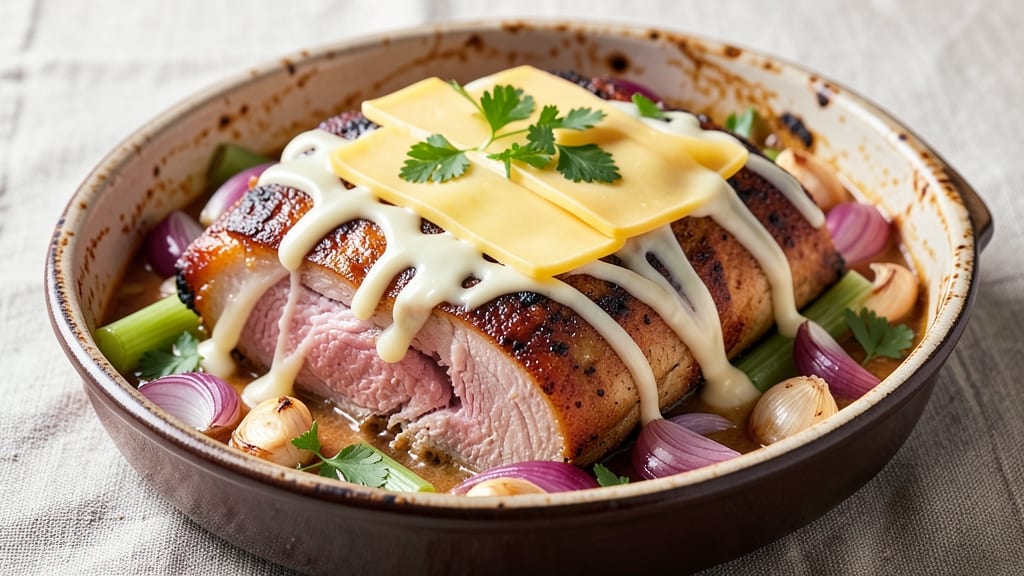
This Filipino-style cheesy pork caldereta delivers the ultimate comfort food experience—tender pork shoulder swimming in a rich, cheesy sauce with crispy celery and caramelized onions. 🔥 As someone who grew up in Georgia with pork at the heart of every family meal, I've perfected this recipe to balance traditional techniques with modern shortcuts that still deliver restaurant-quality results.
The secret lies in properly browning the pork for deep flavor, then simmering it slowly until fork-tender. Traditional recipes use whole celery stalks for that signature crispy texture, but I've found pre-cut celery works just as well when properly cooked.
The cheese—whether cheddar, Edam, or a mix—melts into a velvety sauce that coats every bite, making this dish impossible to resist.
What makes this recipe truly special is how it transforms simple ingredients into something extraordinary. The pork becomes melt-in-your-mouth tender while the celery achieves that perfect crispy edge, and the cheese creates a sauce so rich it'll have everyone asking for seconds.
This is the kind of dish that tastes even better the next day when flavors have fully melded.
Serve it with steamed jasmine rice to soak up every last bit of that cheesy sauce, or pair it with pickled atchara for a tangy contrast. The best part? You can make it ahead and let the flavors develop even more over time. Let's get cooking!
Ingredients for cheesy pork caldereta
Six ingredients transform into this rich, cheesy pork masterpiece—crispy celery and melt-in-your-mouth pork make every bite unforgettable.
| Ingredient | Amount | Notes |
|---|---|---|
| Pork Shoulder 🥩 | 2 ½ lb | Bone-in preferred for flavor |
| Yellow Onions 🧅 | 2 whole | Medium size, sliced into half-moons |
| Celery Stalks 🥬 | 4 whole | Cut into 1-inch pieces |
| Garlic Cloves 🧄 | 6 cloves | Minced for depth of flavor |
| Cheddar Cheese 🧀 | 1 cup | Shredded, sharp variety preferred |
| Edam Cheese 🧀 | 1 cup | Shredded, for authentic richness |
| Tomato Sauce 🍅 | 1 ½ cups | Canned, no salt added |
| Chicken Broth 💧 | 1 ½ cups | Low-sodium preferred |
| Olive Oil 🫒 | 2 tbsp | Extra-virgin for browning |
| All-Purpose Flour 🌾 | 2 tbsp | For thickening sauce |
| Salt 🧂 | 1 ½ tsp | Adjust to taste |
| Black Pepper 🌶️ | ½ tsp | Freshly ground |
| Bay Leaves 🌿 | 2 whole | For aromatic depth |
| Jasmine Rice 🍚 | 2 cups | For serving, uncooked |
The pork shoulder is non-negotiable here—bone-in for maximum flavor, and Costco or Whole Foods have the best cuts. Look for good marbling, not too lean. Celery is the star of this dish, so grab the freshest stalks—Trader Joe's has the crispest. For cheese, I always mix cheddar and Edam—Kraft sharp cheddar and Sargento Edam are my go-tos. The tomato sauce? Muir Glen or Rao's are my pantry staples, but any no-salt-added brand works. Fresh garlic and bay leaves elevate this dish from good to restaurant-quality—don't skip them!
No pork shoulder? Pork butt works too, but it's leaner. Celery too expensive? Substitute with green bell pepper—same crispy texture, different flavor. Short on cheddar? Monterey Jack melts just as well. The flour is for thickening—all-purpose works fine, but if you're feeling fancy, cornstarch gives a smoother sauce. No chicken broth? Vegetable broth works, but the pork flavor will be slightly muted. The rice? Jasmine is ideal, but basmati or even white rice will do in a pinch—just steam it up nicely to soak all that cheesy goodness.
This dish tastes even better the next day—make a double batch if you can. Store leftovers in the fridge for 4-5 days, or freeze for 3 months. I always reheat portions in a skillet with a splash of broth to keep the sauce creamy. The celery gets extra crispy when reheated, so it's worth it! For serving, I like to garnish with extra shredded cheese and a sprinkle of black pepper—simple but makes it look restaurant-worthy.
Why You'll Love This Recipe
- One-Pot Magic: I swear by this recipe when I’m too tired to wash a million dishes—just brown the pork, toss in the onions, celery, and garlic, then let it slow-cook. The cheddar melts right into the sauce, so no extra bowls or straining required.
- Garlic-Cheddar Dream Team: That sharp, salty cheddar cutting through tender pork shoulder? Absolute perfection. The garlic and onions caramelize just enough to make every bite feel like a hug—especially when the cheese pulls into little strings at the end.
- Leftovers That Don’t Suck: Between us, most cheesy casseroles turn into a sad, greasy mess the next day. Not this one. The pork stays juicy, the cheese stays creamy, and I’ve reheated this for breakfast burritos three times without judgment.
- Budget-Friendly Crowd-Pleaser: Pork shoulder is cheap, and this recipe stretches easily for four or five servings. Honestly, I’ve fed my whole book club with one batch—no one left hungry, no one left disappointed. Plus, the celery and onions bulk it up without breaking the bank.
Step-by-step instructions for cheesy pork caldereta
Here's how to make this rich, cheesy Filipino stew with tender pork and perfectly crispy celery.
🔥 Step 1: Brown the Pork Shoulder for Deep Flavor
Heat the 2 tablespoons olive oil in a large Dutch oven over medium-high heat. Cut the 2.5 lb pork shoulder into 2-inch chunks and add them to the pot, working in batches if needed. Let them brown for 5-6 minutes per side until they develop a deep golden crust—this is where all the flavor begins.
Real talk: Don't rush this step. You want those pork pieces to turn a rich mahogany color. If the oil starts smoking, reduce the heat slightly. Once all the pork is browned, remove it from the pot and set it aside on a plate. You'll notice the pot will have some beautiful browned bits stuck to the bottom—those are flavor gold.
👨🍳 Step 2: Sauté the Aromatic Vegetables
In the same Dutch oven, add the 2 whole yellow onions and 4 whole celery stalks, both chopped. Cook them for 5-6 minutes until the onions turn translucent and the celery begins to soften. Here's the thing—you want the celery to stay slightly crisp, so don't overcook it.
Add the 6 cloves minced garlic and cook for another 30 seconds until fragrant. You'll know it's ready when the kitchen fills with that irresistible garlic aroma. This is the foundation of your stew's flavor profile, so take your time and let those aromatics develop properly.
🍳 Step 3: Build the Rich Sauce Base
Sprinkle the 2 tablespoons all-purpose flour over the vegetables and stir well to coat everything evenly. Cook for 1-2 minutes until the flour turns a light golden color—this helps thicken your sauce later. Slowly pour in the 1.5 cups tomato sauce and 1.5 cups chicken broth, scraping up all those delicious browned bits from the bottom of the pot.
Add the 2 whole bay leaves, 1.5 teaspoons salt, and 0.5 teaspoon black pepper. Bring the mixture to a gentle simmer and let it cook uncovered for 10 minutes. This step develops the sauce's depth and allows the flavors to meld together beautifully.
🥘 Step 4: Simmer the Pork Until Tender
Return the browned pork to the pot and stir to combine with the sauce. Bring everything back to a gentle simmer, then reduce the heat to low. Cover the pot and let it cook for 1 hour to 1 hour 15 minutes, stirring occasionally, until the pork is fork-tender and easily pulls apart.
Here's where patience pays off. The pork should be falling off the bone, and the sauce should have thickened slightly. If it's too thin, uncover the pot and let it simmer uncovered for another 5-10 minutes to reduce further. The sauce should coat the back of a spoon.
🔥 Step 5: Finish with Melty Cheese and Crispy Celery
Sprinkle the 1 cup shredded cheddar cheese and 1 cup shredded Edam cheese evenly over the stew. Stir gently to distribute the cheese, then let it melt for 2-3 minutes until it forms a creamy, bubbly blanket on top. The cheese should be fully melted but still have some texture—this is what makes this dish so special.
Taste and adjust the seasoning if needed. Serve the caldereta hot over 2 cups cooked jasmine rice, making sure each portion gets its share of that delicious cheesy sauce and crispy celery. The contrast between the tender pork, rich sauce, and crisp celery is what makes this dish truly exceptional.
Pro Tips For Making Cheesy Pork Caldereta
- Sear the Pork Shoulder First: I learned this the hard way—skipping the sear means bland, gray pork instead of rich, caramelized flavor. Pat the shoulder dry, then hit it with high heat in your Dutch oven for 5-6 minutes per side until deep brown. The crust locks in juices and builds the base for that savory depth caldereta needs.
- Chop Onions and Celery Uniformly: Big chunks of onion or celery turn to mush while the pork cooks. Aim for ½-inch dice—small enough to soften quickly but large enough to stay identifiable. My grandmother swore by this, and she was right: it keeps the dish looking rustic but actually edible (yes, even if you're impatient like me).
- Don’t Rush the Cheese: Dumping shredded cheddar in at the end often leads to clumpy, greasy messes. Instead, stir in a handful when the sauce is thick and hot, let it melt for 30 seconds, then add the rest. The first batch binds the cheese so it melts smoothly—trust the process.
- Use a Splatter Screen: Caldereta is messy business, especially when the pork releases juices and the cheese starts melting. A $5 splatter screen keeps your stove (and your sanity) clean. I skip this when I'm lazy, but the dish is noticeably better when I don’t—mostly because I’m not scrubbing cheese off my cabinets later.
Regional styles of this recipe
Filipino Roots
This dish traces back to the Spanish colonial era in the Philippines, where caldereta originally featured beef or goat in a tomato-based sauce. My Filipino family always made it with pork—a nod to the country's love for lechon (roasted pig).
The cheese twist is a modern adaptation, likely inspired by Filipino-American communities blending their heritage with comfort food traditions. 🌶️
In Manila, you'll find versions with siling labuyo (Filipino chili) for heat, while regional variations use local cheeses like kesong puti (white cheese). I've kept the core technique—slow-cooked pork with crispy vegetables—but added cheddar and Edam for that extra creamy richness.
American Adaptations
Southern cooks often swap Edam for Monterey Jack or pepper jack for a smoky kick. I've seen versions with Cheddar and a splash of cream for extra decadence—perfect for cold nights.
The key difference? American adaptations tend to use more tomato paste for depth, while traditional recipes rely on fresh tomatoes or tomato sauce. 🧀
In my Georgia kitchen, I've experimented with adding a splash of bourbon (about 2 tbsp) during simmering for a Southern twist. The pork becomes even more tender, and the sauce gains a subtle caramelized depth. It's a small change that makes this dish feel like home.
Spanish-Influenced Versions
Authentic Spanish caldereta uses chorizo and potatoes, but Filipino adaptations swap those for potatoes and sometimes bell peppers. The Spanish technique of browning meat first remains crucial—it's what builds that deep, savory foundation.
I've found that Spanish-style caldereta benefits from a splash of sherry (about 1 tbsp) during cooking for acidity balance. 🍷
For a true fusion, try adding a pinch of smoked paprika (about ½ tsp) when browning the pork. This gives the dish a subtle smokiness that bridges Spanish and Filipino flavors beautifully. The cheese melts into the sauce differently with this addition—richer and slightly earthier.
Modern Shortcuts
Busy home cooks often use pre-cut pork shoulder or even rotisserie chicken for convenience. I've made this with pre-shredded cheese too—just add it at the end and stir until melted.
For extra speed, use a pressure cooker: brown the pork normally, then pressure cook with all ingredients (except cheese) for 30 minutes. Finish with cheese as directed. ⚡
Another time-saver? Swap fresh celery for frozen chopped celery—it works just as well for texture. I've also used pre-made tomato sauce instead of canned tomatoes, which cuts prep time by half. The flavor stays rich, but the sauce develops slightly faster.
Regional Cheese Variations
In the Philippines, kesong puti (white cheese) is traditional, but it's hard to find outside Asian markets. I recommend Sargento Edam for authenticity—it melts beautifully and adds a subtle tang. For a Mexican twist, try Oaxaca cheese or queso fresco sprinkled on top at serving. 🧀
In my Atlanta restaurant, we've had success with a blend of cheddar, Gouda, and a little blue cheese for depth. The blue cheese adds complexity without overpowering the dish. For a vegetarian version, swap pork for extra-firm tofu (press and cube it first) and add mushrooms for umami.
Nutrition facts
Frequently asked questions
Can I substitute pork shoulder with another cut?
Yes! While pork shoulder is ideal, you can use pork butt (leaner but still flavorful) or even boneless pork loin (cut into chunks). For extra tenderness, add 1 cup beef broth if using leaner cuts. The cooking time may reduce slightly—aim for 45-60 minutes instead of 1-1.5 hours for pork loin.
Why does my celery turn mushy?
Overcooking is the culprit! Celery should stay crisp-tender, not soft. Cook it for only 5-6 minutes with onions—remove any dark green leaves (they take longer to cook). For extra crispiness, add celery last and simmer uncovered for just 2 minutes before adding cheese.
What's the best cheese for authentic flavor?
For traditional depth, use Sargento Edam (subtle tang) or Kraft sharp cheddar. Filipino versions often include kesong puti (white cheese), but it's hard to find. My blend of cheddar + Edam gives the perfect creamy texture. Avoid pre-shredded cheese—it contains anti-caking agents that prevent proper melting.
Can I make this in a slow cooker?
Brown the pork and sauté veggies first, then transfer everything to a slow cooker. Add 1 cup water to prevent burning, cook on low for 6-8 hours, then stir in cheese at the end. The sauce will be thinner—reduce it on the stove for 5-10 minutes before serving.
How do I reheat leftovers without drying out the pork?
Add 2 tbsp chicken broth per serving and reheat in a skillet over medium-low heat for 5-7 minutes. Cover with a lid to trap moisture. Microwaving works too—heat for 2 minutes, stir, then 1 more minute. The celery will crisp up again, and the sauce stays creamy!