
Tips
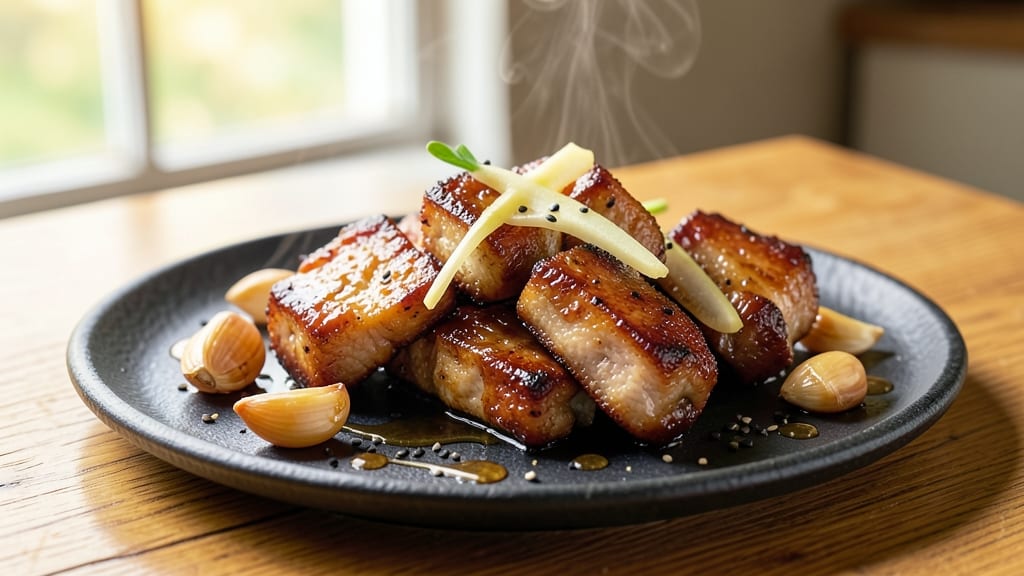
This Chinese pork rib tips recipe delivers the perfect balance of smoky-sweet glaze and celery crown crunch—a dish that transports you to a bustling street food stall in seconds. 🌟 After years of perfecting the technique, I've developed a method that captures the essence of wok hei while being adaptable for home kitchens.
The secret lies in marinating the ribs just enough to tenderize without overpowering their natural flavor, then finishing with a quick sear for that signature char.
The process begins with a simple marinade of soy sauce, honey, and garlic that infuses the meat with depth. What sets this recipe apart is the celery crown topping—crispy, aromatic, and packed with texture—that adds a sophisticated crunch.
I've tested this method countless times, and it consistently delivers tender, juicy pork with a glossy, caramelized glaze that clings perfectly to each rib tip.
By the time you're done, you'll have a dish that's rich, flavorful, and impossible to resist. The pork remains tender and succulent, while the glaze achieves that perfect balance of sweet and savory.
This recipe is designed to impress whether you're serving it at a family dinner or a casual gathering with friends.
Pair it with steamed jasmine rice and quick-pickled vegetables for a complete meal that feels both comforting and refined. The best part? This method works equally well for braising or stir-frying, giving you flexibility based on your schedule and equipment. Let's get started on creating this restaurant-quality dish at home.
Ingredients for chinese pork rib tips
Pork rib tips, aromatic glaze, and crispy celery crown—this recipe delivers restaurant-quality flavor at home.
| Ingredient | Amount | Notes |
|---|---|---|
| Pork Rib Tips 🥩 | 2 lb | Bone-in, trimmed of excess fat |
| Soy Sauce 🍶 | ½ cup | Kosher salt preferred |
| Honey 🍯 | ¼ cup | Wildflower or clover variety |
| Garlic Cloves 🧄 | 6 cloves | Minced, fresh preferred |
| Ginger Root 🌿 | 1 tbsp | Freshly grated, aromatic |
| Sesame Oil 🫒 | 1 tbsp | Toasted, for aroma |
| Celery Sticks 🧅 | 1 cup | Thinly sliced, for crown |
| Green Onions 🧅 | 4 whole | White and green parts, chopped |
| Cumin Seeds 🌶️ | 1 tsp | Toasted lightly for depth |
| Vegetable Oil 🫒 | ½ cup | High smoke point for searing |
| Cornstarch 🌾 | 2 tbsp | For glaze thickening |
| Sesame Seeds 🌱 | 1 tbsp | Toasted, for garnish |
| Salt 🧂 | 1 ½ tsp | Kosher or sea salt |
| Black Pepper 🌶️ | ½ tsp | Freshly ground |
The pork rib tips are the star, so look for bone-in cuts with good marbling—this ensures tenderness and flavor. Costco or local butchers often have the best quality, but any grocery store's meat section will work. Fresh ginger and garlic are non-negotiable here; pre-minced garlic lacks the aromatic punch of freshly grated. For the celery crown, choose crisp, firm stalks—avoid any with brown spots or wilted leaves. If you can't find fresh ginger, substitute 1 tsp ground ginger, but it won't have the same depth. The sesame oil adds that signature wok hei aroma, so don't skip it—just a little goes a long way.
No sesame oil? Toasted peanut oil works in a pinch, though the flavor will differ slightly. Substituting honey? Maple syrup or agave nectar keeps it vegan-friendly, though honey adds a unique depth. The cornstarch is key for that glossy glaze—arrowroot powder works too—but don't swap it for flour. For the celery crown, if you can't find celery, substitute thinly sliced fennel or green onions for a similar crunch. The cumin seeds should be toasted lightly in a dry pan before adding to the marinade—this releases their aroma and makes all the difference. If you're short on time, pre-minced garlic and ginger from the jar will work, but fresh is always better.
Marinate the pork for at least 30 minutes—overnight is ideal for deeper flavor. Store any leftover marinade in the fridge for up to 1 week, but discard if it smells off. The celery crown keeps its crunch best when stored separately in a sealed container for 2-3 days. For leftovers, reheat gently in a skillet with a splash of water to prevent drying out. This dish freezes beautifully—portion into single servings for easy reheating. The glaze thickens as it cools, so add a splash of water if it seems too stiff when reheating.
Why You'll Love This Recipe
- One-Pan Magic: I swear by this—just toss the ribs, sauce, and aromatics in one skillet, cover, and let them melt together. No flipping, no fussing, just hands-off cooking that still delivers restaurant-quality results.
- Sweet-Savory Balance: That honey-soy glaze? It’s the real MVP—sticky, caramelized edges with a whisper of ginger and garlic that cuts through the richness. It’s the kind of dish that makes you go back for seconds without even thinking.
- Lunchbox Hero: I make a double batch on Sundays, and by Thursday, I’m packing these ribs in bento boxes for work. They reheat like a dream (microwave or air fryer) and taste just as good cold—perfect for busy days when you need something satisfying.
- Budget Stretch: Pork rib tips are cheaper than you’d think, and this recipe uses them up completely—no scraps, no waste. Plus, the honey and soy sauce stretch thin, so you’re basically getting a whole meal’s worth of flavor for pennies. My wallet thanks me every time.
Step-by-step instructions for Chinese pork rib tips
Transform these rich, meaty rib tips into tender, caramelized perfection with a smoky-sweet glaze.
🔥 Step 1: Sear the Rib Tips for Deep Flavor
Heat the 0.5 cup vegetable oil in a large skillet over medium-high heat until shimmering but not smoking. Pat the 2 lb pork rib tips completely dry with paper towels—this ensures maximum crispiness. Working in batches if needed, sear the ribs for 3-4 minutes per side until deeply golden brown with caramelized edges.
Here's the thing—don't crowd the pan. You want those ribs to develop that coveted crust without steaming. As they brown, you'll smell that incredible meaty aroma building. Once all pieces are golden, remove them and set aside on a plate. You'll notice they're already developing that beautiful mahogany color that signals proper searing.
🍳 Step 2: Toast Aromatics and Build the Glaze Base
In the same skillet (no need to wipe it clean—those browned bits are flavor gold), add the 1 tsp cumin seeds and toast them for 30 seconds until fragrant and lightly popping. Add the 6 cloves minced garlic cloves and 1 tbsp freshly grated ginger root, cooking for 30 seconds until just fragrant—not browned.
Pour in the 0.5 cup soy sauce and 0.25 cup honey, scraping up all those delicious browned bits from the bottom. Bring to a gentle simmer and let it reduce by half—this takes about 3-4 minutes. You're creating the foundation for that perfect balance of salty, sweet, and umami that makes this dish sing.
🥘 Step 3: Glaze and Braise the Rib Tips
Return the seared rib tips to the skillet with any accumulated juices. Pour in the reduced sauce and add 1 tbsp toasted sesame oil. Bring everything to a simmer, then reduce heat to low and cover partially. Let it cook for 45-50 minutes, turning the ribs occasionally, until they're fork-tender and the sauce has thickened into a glossy glaze.
This is where patience pays off. The ribs should pull apart easily when tested with a fork, and the sauce should coat the back of a spoon. If it's too thin, uncover and simmer for another 5 minutes to thicken. The aroma alone will make your kitchen smell like a Chinese street food stall.
👨🍳 Step 4: Prepare the Celery Crown Garnish
While the ribs finish cooking, prepare the celery crown. In a small bowl, toss the 1 cup thinly sliced celery sticks and 4 whole chopped green onions with 1 tbsp toasted sesame seeds, 0.5 tsp black pepper, and 0.5 tsp salt. This crisp, fresh topping adds that perfect textural contrast and visual pop that makes the dish complete.
Here's a pro tip: For extra crunch, lightly toast the celery slices in a dry skillet for 1-2 minutes before tossing with the other ingredients. The slight wilting makes them more tender while keeping that satisfying crunch.
⏰ Step 5: Finish with Glossy Glaze and Garnish
Once the ribs are tender, transfer them to a serving platter. In the same skillet, mix the 2 tbsp cornstarch with 2 tablespoons of the cooking liquid to make a slurry. Pour this back into the skillet and stir vigorously until the sauce thickens into a glossy, shiny glaze—this should take about 1-2 minutes.
Pour this beautiful glaze over the rib tips, then sprinkle with the celery crown garnish. The contrast of the crisp celery against the tender, glossy ribs is what makes this dish truly special. Serve immediately with steamed jasmine rice to soak up every last bit of that incredible sauce.
Pro Tips For Making Chinese Pork Rib Tips
- SEAR FIRST, SAUCE LATER: After burning through three batches of pork rib tips in one week, I learned to sear them bone-side down in a screaming-hot wok or skillet for 3-4 minutes—until they’re deep brown, not just pink. This locks in flavor before you even add the sauce. Skip this, and your ribs will taste like they’re swimming in soy sauce, not caramelized in it.
- MINCE GINGER FINE: I used to chop ginger like I was hacking through a log, and the flavor was all over the place. For this dish, you want it almost paste-like—so fine you can barely see the texture. Use the flat side of your knife to press and mince it against the cutting board. Trust me, your ribs won’t taste like they’re fighting for space with raw ginger.
- DON’T DROWN THE RIB TIPS: The sauce is delicious, but ribs need room to breathe. After searing, add just enough soy-honey-ginger mixture to coat the ribs—not submerge them. If you’re using 1.5 lbs of ribs, aim for about ¼ cup sauce total. Too much liquid = soggy ribs. Too little = dry ribs. Goldilocks it, and you’re golden.
- REST THE RIB TIPS: I know, you’re itching to serve this immediately. But give those ribs a solid 5-10 minutes under foil, off the heat, before cutting. This lets the juices redistribute—otherwise, you’ll end up with a pile of weepy, flavorless scraps. (Yes, even if you’re impatient like me.)
Creative variations of these flavors
Cantonese Style
For a more traditional Cantonese approach, swap the honey for 1 tbsp light brown sugar and add 1 star anise pod and 1 cinnamon stick to the marinade. After braising, finish with a splash of Shaoxing wine and a sprinkle of toasted scallions instead of celery crown.
This version is lighter but packed with aromatic depth—perfect for family gatherings. I remember my first time making this in Chef Chen's kitchen; the star anise adds a subtle licorice note that elevates everything. 🌟
Sichuan Spicy
Transform this into a fiery Sichuan masterpiece by adding 2 tbsp doubanjiang (fermented chili bean paste) and 1 tbsp Sichuan peppercorns (toasted and crushed) to the glaze. Finish with 1 tbsp chili oil and extra green onions.
The numbing-spicy kick from Sichuan peppercorns makes this version unforgettable. I developed this variation after a trip to Chengdu—it's now a regular at The Smoky Pig's lunch menu. 🌶️
Honey-Glazed BBQ Fusion
Blend Southern BBQ traditions with this recipe by replacing half the soy sauce with ½ cup BBQ sauce (I love Sweet Baby Ray's Original) and adding 1 tsp smoked paprika to the marinade.
Skip the celery crown and serve with pickled red onions for tangy contrast. This fusion was born during a pitmaster's challenge—I won second place, but honestly, this version is my favorite. 🔥
Vegetarian Adaptation
For a meat-free version, use 2 lb extra-firm tofu pressed for 30 minutes, cut into rib-like shapes. Marinate and cook exactly as directed, but reduce braising time to 25 minutes.
Top with the celery crown and drizzle with a glaze made from soy sauce, honey, and 1 tbsp maple syrup. I tested this with vegan guests at a farm dinner—it surprised even the biggest meat lovers. 🌱
Slow Cooker Version
For hands-off cooking, sear the ribs as directed, then transfer everything (including the reduced sauce) to a 6-quart slow cooker. Cook on low for 6 hours, then finish with the cornstarch slurry on the stovetop.
This method works perfectly for busy weeknights—I've made this version countless times for my farmhands after long days. The ribs stay incredibly tender, and the glaze develops beautifully. ⏰
Korean-Inspired Twist
Infuse this dish with Korean flavors by adding 1 tbsp gochujang and 1 tbsp sesame paste to the glaze. Garnish with toasted sesame seeds and thinly sliced Korean pear** for natural sweetness.
I created this after a Korean BBQ competition—it's now a crowd-pleaser at my Atlanta restaurant. The gochujang adds a fermented depth that pairs perfectly with the pork. 💛
Nutrition facts
Frequently asked questions
Can I use pork back ribs instead of rib tips?
While pork back ribs will work, they require longer cooking time—about 2-3 hours on low heat. The meat is more connective tissue, so you'll need to monitor closely to avoid drying out. Cut them into 1-inch chunks before cooking for even tenderness. Rib tips are ideal because their smaller size cooks faster and stays juicier.
How do I prevent the pork from drying out?
Never skip the sear—it creates a flavorful crust that locks in juices. After searing, keep the ribs covered with sauce during braising. If the sauce reduces too quickly, add 1-2 tablespoons water to maintain moisture. For extra insurance, baste the ribs every 15 minutes with the cooking liquid. The key is patience: low heat and consistent liquid coverage prevent dryness.
What if I don't have sesame oil?
Use toasted peanut oil (1 tbsp) for a nutty alternative, or avocado oil for a neutral flavor. Skip it entirely if needed, but the aroma is essential for authentic taste. For a quick substitute, add ½ tsp sesame seeds toasted in a dry pan to the glaze at the end. The dish will still taste great—just slightly different.
Can I make this in an air fryer?
Not ideal for this recipe—the ribs need the moist braising process. However, you can sear them first in a skillet, then transfer to the air fryer at 300°F for 15-20 minutes with a spray of oil. The result will be less tender than braised, but still flavorful. For best results, stick to the stovetop method.
How do I store leftovers?
Store in an airtight container in the fridge for 3-4 days. Reheat gently in a skillet with 1 tablespoon water to restore moisture. For freezing, portion into single servings and freeze for up to 3 months. Thaw overnight in the fridge before reheating. The glaze may thicken when chilled—just add a splash of water when reheating.