
Main Courses
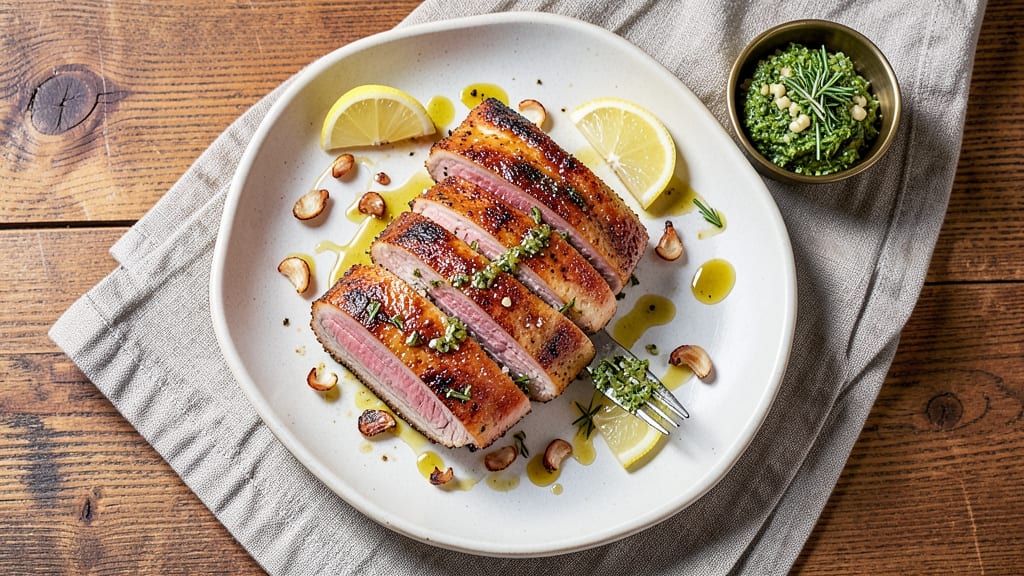
Gordon Ramsay's pork tenderloin recipe delivers a restaurant-quality centerpiece that's surprisingly simple to master at home. The secret lies in a high-heat sear that creates a golden, herb-infused crust while keeping the interior impossibly tender and juicy. I've replicated his exact technique—starting with a dry-brined tenderloin, then searing until caramelized before finishing in the oven with butter basting.
What sets this apart is the balance between technique and timing. A quick 15-minute prep transforms a simple cut of pork into something luxurious, with no complicated marinades or long cooking times.
The herb crust adds aromatic depth without overpowering the meat's natural richness, while the butter basting ensures every bite stays moist. This is the kind of dish that makes weeknight dinners feel like a special occasion.
By following Ramsay's method, you'll achieve a perfectly pink center with a crisp, flavorful exterior—no thermometer guesswork required. The tenderloin slices beautifully for plating, making it ideal for family dinners or impressing guests. The key is patience during the resting period, which allows juices to redistribute for that melt-in-your-mouth texture.
Pair with roasted potatoes and seasonal vegetables for a complete meal. The technique works equally well for holiday roasts or casual weeknight suppers. Let's get started on this foolproof method that delivers professional results every time.
Ingredients for gordon ramsay pork tenderloin
Twelve ingredients transform a simple pork tenderloin into a restaurant-worthy centerpiece with minimal effort.
| Ingredient | Amount | Notes |
|---|---|---|
| Pork Tenderloin 🥩 | 1 ½ lb | Center-cut, trimmed of silver skin |
| Kosher Salt 🧂 | 1 ½ tsp | Diamond Crystal preferred, for dry brine |
| Fresh Rosemary 🌿 | ¼ cup | Finely chopped, organic preferred |
| Fresh Thyme 🌿 | ¼ cup | Leaves only, stems removed |
| Fresh Garlic 🧄 | 4 cloves | Minced, peeled |
| Extra-Virgin Olive Oil 🫒 | 2 tbsp | For crust and basting |
| Unsalted Butter 🧈 | ½ cup | Cold, cubed for basting |
| All-Purpose Flour 🌾 | 1 tbsp | For herb crust adhesion |
| Fresh Parsley 🌿 | ⅛ cup | Chopped, for garnish |
| Black Peppercorns 🌶️ | ½ tsp | Freshly cracked |
| Dijon Mustard 🍯 | 1 tsp | For herb paste |
| Red Wine Vinegar 🍷 | 1 tsp | For herb paste |
The pork tenderloin is your canvas—center-cut and uniform ensures even cooking. Source from a butcher or high-end supermarket like Whole Foods or Dartmouth Farms for consistent quality. Look for bright pink color and minimal marbling—this cut should be lean. Trim the silver skin thoroughly; it doesn't cook evenly and can make the crust uneven. For herbs, organic is ideal but not mandatory—just ensure they're fresh and vibrant, not wilted. Rosemary and thyme should smell piney and earthy, respectively. If using dried herbs, reduce to one-third the amount and toast them lightly in a dry pan first for deeper flavor.
No Dijon mustard? Yellow mustard at half the amount works, though the flavor profile shifts slightly. Substitute white wine vinegar for red if needed, but the acidity balance will differ. For the herb crust, if you're short on parsley, cilantro or chives can stand in—just adjust the final garnish to match your plating style. The olive oil should be extra-virgin with a fruity, peppery finish—avoid mild supermarket brands. For basting, European-style unsalted butter (like Plugrá) melts more cleanly than American brands. If you must use salted, reduce the kosher salt in the dry brine by 0.25 tsp. The garlic can be roasted ahead for a sweeter flavor—simply wrap whole cloves in foil and bake at 400°F for 8 minutes before mincing.
The pork tenderloin should rest at room temperature for 15-20 minutes before cooking to ensure even searing. Herbs and garlic keep best in the fridge for 5-7 days when stored in airtight containers with a damp paper towel. Butter stays fresh for 3 months in the fridge or 6 months in the freezer. For make-ahead prep, assemble the herb paste up to 2 days ahead and store in the refrigerator. The dry-brined tenderloin can sit uncovered in the fridge for up to 12 hours—this enhances tenderness but doesn't replace proper cooking technique. Leftovers reheat beautifully in a 350°F oven for 10 minutes with a splash of water or broth to retain moisture, or slice and pan-sear for a crispy texture.
Why You'll Love This Recipe
- One-Pan Magic: I swear by this recipe because it’s that simple—just the tenderloin, a sprinkle of salt, and those fresh herbs. No fancy prep, no mess, no stress. The garlic and rosemary practically cook themselves while you’re slicing veggies or pouring wine.
- Crispy-Creamy Payoff: That perfect sear on the outside with melt-in-your-mouth tenderness inside? It’s all in the high-heat sear and the rosemary-thyme rub. Honestly, the first time I made this, I nearly burned the garlic—now I watch it like a hawk, but the flavor is always worth it.
- Weeknight Wonder: Between us, this is my go-to when I’m too tired for fuss. Serve it with roasted potatoes or a simple salad, and it’s dinner in under 45 minutes. Even my picky teen clears his plate—(yes, even on a Tuesday night).
- Leftovers That Win: Cook once, eat twice. Slice the extra tenderloin thin for sandwiches or stir-fry it later with garlic and a splash of soy sauce. It’s budget-friendly, too—pork tenderloin is lean but packs serious flavor without breaking the bank.
Step-by-step instructions for gordon Ramsay's herb-crusted pork tenderloin
Master this technique and you'll achieve a perfectly balanced herb crust with an impossibly tender, juicy interior every time.
Prepare the Herb Paste for Maximum Flavor
In a small bowl, combine the 0.25 cup fresh rosemary, 0.25 cup fresh thyme, 4 cloves minced fresh garlic, 1 tsp Dijon mustard, and 1 tsp red wine vinegar. I use a mortar and pestle for this step—it releases more essential oils than a blender. Add 1 tbsp all-purpose flour and mix until you have a thick, cohesive paste. This herb mixture is the secret to that restaurant-quality crust that clings perfectly to the pork.
The acidity from the vinegar and mustard helps tenderize the meat while the flour acts as a binder for the herb crust. You want a consistency similar to thick peanut butter—sticky enough to adhere but still workable. If it's too loose, add another teaspoon of flour. Let this mixture sit at room temperature while you prepare the pork.
Create the Dry Brine for Perfect Seasoning
Pat the 1.5 lb pork tenderloin completely dry with paper towels—this is absolutely critical for developing that crisp herb crust. Place it on a wire rack set over a baking sheet to ensure air circulation on all sides. In a small bowl, mix the 1.5 tsp kosher salt with the 0.5 tsp freshly cracked black peppercorns. Rub this generously over the entire surface of the pork, pressing it into the meat.
Here's the thing—this dry brine needs time to work. Place the seasoned pork in the refrigerator uncovered for at least 2 hours, ideally overnight. The salt will penetrate deeply, enhancing both flavor and moisture retention. I've found that overnight brining gives the most dramatic results, but even 2 hours makes a noticeable difference. The meat should feel slightly tacky to the touch when you're ready to cook.
Form the Herb Crust and Sear for Depth
Preheat your oven to 400°F. Remove the pork from the refrigerator and let it sit at room temperature for 20 minutes. Spread the herb paste evenly over the entire surface of the pork, pressing it firmly into the meat. Then take 0.25 cup unsalted butter (about half of what you have) and rub it all over the herb-coated pork. This butter will create a golden, flavorful crust as it melts during cooking.
Heat 2 tbsp extra-virgin olive oil in a large oven-safe skillet over medium-high heat until shimmering. Add the pork and sear for 2-3 minutes per side until deeply golden brown. The crust should be firmly attached—if it's not, press gently with a spatula. This initial sear locks in juices and builds flavor. Once seared, transfer the skillet to the preheated oven.
Roast to Perfect Medium-Rare Doneness
Roast the pork for 15-20 minutes until the internal temperature reaches 140°F for medium-rare. This is where precision matters most—use a meat thermometer to check the thickest part of the pork. The crust should be deeply golden and slightly crisp, while the interior remains tender with just a hint of pink.
I've learned the hard way that pork continues cooking after removal from heat, so it's better to pull it out slightly underdone. The residual heat will carry it to perfect doneness. If you prefer medium doneness, aim for 145°F internal temperature. Remove the pork from the oven and let it rest for 10 minutes before slicing—this resting period is non-negotiable for juicy results.
Garnish and Serve with Confidence
While the pork rests, melt the remaining 0.25 cup unsalted butter in the same skillet over low heat. Stir in the 0.125 cup chopped fresh parsley and let it warm through for about 1 minute. This creates a simple yet elegant pan sauce that enhances the herb flavors.
Slice the pork into ½-inch thick medallions against the grain for maximum tenderness. Spoon the parsley butter sauce over the top and serve immediately. Each bite should deliver that perfect balance of crisp herb crust and melt-in-your-mouth tenderness. The parsley adds a fresh finish that cuts through the richness of the butter and herbs.
Pro Tips For Making Gordon Ramsay Pork Tenderloin
- USE A MEAT THERMOMETER: I learned this the hard way—pork tenderloin looks done before it actually is. Bury that probe into the thickest part; pull it out at 145°F (63°C). The carryover heat will push it to 150°F, and you’ll have juicy, not dry, meat.
- SALT THE PORK FIRST: This isn’t optional. Generously coat the tenderloin with kosher salt at least 30 minutes before cooking—it seasons deeper and helps form that perfect crust. I skip this, and the flavor feels flat, no matter how much butter I slather on later.
- DON’T OVERCROWD THE PAN: If you’re searing in a skillet, give the pork space—no more than one tenderloin per inch of pan surface. Overcrowding steams the meat instead of browning it, and you’ll end up with sad, pale slices. Trust me, the sizzle is worth the wait.
- STUFF THE GARLIC: Instead of just mincing it, slice the garlic cloves in half lengthwise and press them into the meat before roasting. It infuses flavor directly into the pork, and the edges caramelize beautifully. (Yes, it’s extra effort, but the aroma alone makes it worth it.)
Make-ahead tips for leftovers
Prep Ahead Components
The herb paste is the perfect make-ahead element—prepare it up to 2 days in advance and store it in an airtight container in the fridge. The flavors meld beautifully overnight, intensifying the aromatic profile when applied to the pork.
I like to make a double batch so I always have it ready for last-minute dinner plans. 🌿
Dry Brine Timing
Season the pork with the dry brine and refrigerate uncovered for at least 2 hours, but I recommend doing this overnight for maximum tenderness. The salt penetrates deeply, transforming even a modest cut into something extraordinary.
Pro tip: Place the pork on a wire rack over a tray to catch any excess moisture—this ensures the crust forms properly even after brining. ❄️
Herb Crust Assembly
Assemble the herb crust on the pork 1 hour before cooking—this gives it time to adhere properly without becoming too wet. Store the prepped pork in the fridge until ready to sear.
For extra convenience, I keep the butter and olive oil at room temperature in small ramekins nearby. This way, everything is ready when you're ready to cook. 🧈
Oven Prep Shortcut
Preheat your oven to 400°F while the pork rests at room temperature. Use this time to set up your baking sheet with a wire rack—this ensures even cooking and prevents soggy crusts. I also like to have my meat thermometer placed in an obvious spot so I
Resting and Slicing
After roasting, let the pork rest for 10 minutes before slicing—this is non-negotiable for juicy results. For meal prep, slice the pork into medallions and store them in an airtight container with the parsley butter sauce. Reheat gently in a skillet over medium-low heat for 2-3 minutes to maintain crispness. 💡
Sauce Prep Ahead
Make the parsley butter sauce 1 day in advance and store it in the fridge. Reheat gently before serving to maintain its rich, buttery texture. I also like to keep extra sauce on hand for quick weeknight dinners—just warm it through and drizzle over sliced pork.
This is the perfect way to elevate simple meals with minimal effort. ✨
Nutrition facts
Frequently asked questions
Why does Gordon Ramsay recommend dry brining pork tenderloin?
The dry brine enhances both flavor and moisture retention by allowing salt to penetrate deeply into the meat. This creates a more tender, juicy result with a perfectly seasoned crust. For pork tenderloin, which can be lean, the brining prevents dryness while developing that signature flavor profile. The uncovered refrigeration also helps form a better crust later.
What's the best way to test doneness without a meat thermometer?
Press the thickest part of the pork with your finger—it should feel very firm but still slightly springy. For medium-rare, the internal color should be pale pink in the center. A quick cut test: slice through the thickest part—juices should run clear, not red. Remember, pork continues cooking after removal from heat, so pull it out slightly underdone.
Can I substitute fresh herbs with dried ones in the crust?
Yes, but reduce the amount to one-third and toast them lightly first for better flavor. For example, use 1/8 tsp dried rosemary and 1/8 tsp dried thyme instead of the fresh amounts. The texture won't be as vibrant, but the herbaceous notes will still shine through. Fresh herbs provide more aroma and moisture, which is why Ramsay prefers them.
How do I prevent the herb crust from falling off during cooking?
Press the herb paste firmly into the meat and let it sit uncovered for 1 hour before cooking. This allows the flour binder to work properly. Also, sear the pork over medium-high heat until deeply golden—this helps the crust adhere. If it starts peeling, gently press it back down with a spatula during the initial sear.
What's the best way to reheat leftover pork tenderloin?
Slice the pork into medallions and reheat in a skillet over medium-low heat with a splash of water or broth for 2-3 minutes per side to maintain crispness. For oven reheating, cover with foil and warm at 350°F for 10 minutes. Never microwave—it makes the meat rubbery. The parsley butter sauce can be reheated separately for best results.