
Main Courses
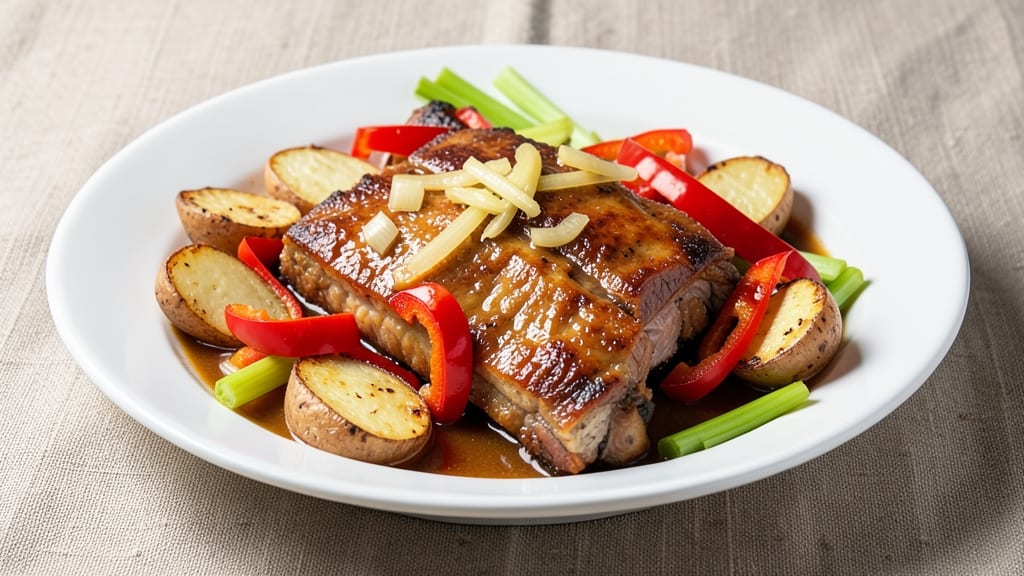
This Filipino kalderetang baboy recipe with tender pork ribs caldereta transforms tough pork ribs into melt-in-your-mouth tender bites braised in a rich, tangy tomato-celery gravy—just like my grandmother used to make.
The slow cooking process breaks down the meat while absorbing all those bold flavors, creating a dish that's both comforting and impressive. What makes this recipe special is how it balances sweet, sour, and savory notes in every bite, with potatoes and bell peppers adding hearty texture.
The beauty of this dish lies in its simplicity and depth. You'll start with pork ribs, simmered until fork-tender in a sauce made from tomatoes, celery, and a touch of vinegar for that signature tang.
The key is patience—letting the flavors meld over time creates a sauce that's rich, velvety, and packed with umami. It's the kind of meal that tastes even better the next day, making it perfect for meal prep or a Sunday dinner that feeds a crowd.
By the time you're done, you'll have a steaming pot of tender pork ribs swimming in a glossy, aromatic sauce with perfectly cooked vegetables. The combination of tender meat, creamy sauce, and crisp vegetables makes this dish irresistibly comforting.
Serve it over steamed rice to soak up every last bit of that flavorful gravy—it's the ultimate Filipino comfort food experience.
This recipe is incredibly versatile too. You can make it in a Dutch oven on the stove, or adapt it for your slow cooker for hands-off cooking. Add a splash of soy sauce for extra umami, or a pinch of sugar to balance the acidity.
The possibilities are endless, but the foundation remains the same—rich, satisfying, and full of love, just like my grandmother's kitchen always was.
Ingredients for kalderetang baboy recipe filipino pork ribs caldereta
Six hearty ingredients and a few pantry staples transform tough pork ribs into melt-in-your-mouth comfort food.
| Ingredient | Amount | Notes |
|---|---|---|
| Pork Ribs 🥩 | 3 lb | Bone-in, cut into 2-inch pieces |
| Yellow Onions 🧅 | 2 whole | Medium-sized, chopped |
| Celery Stalk 🧅 | 3 whole | Chopped, about 2 cups |
| Garlic Cloves 🧄 | 6 cloves | Minced, for depth |
| Red Bell Peppers 🌶️ | 2 whole | Sliced into strips |
| Russet Potatoes 🥔 | 2 lb | Peeled, cut into chunks |
| Canned Tomato Sauce 🍅 | 2 cups | San Marzano preferred |
| White Vinegar 💧 | ¼ cup | For signature tang |
| Soy Sauce 🧂 | ¼ cup | For umami depth |
| Sugar 🍚 | ½ tsp | Balances acidity |
| Bay Leaves 🌿 | 2 whole | Fresh if possible |
| Black Peppercorns 🌶️ | 1 tsp | Crushed, for warmth |
| Olive Oil 🫒 | ½ cup | For searing ribs |
| Salt 🧂 | 1 ½ tbsp | Kosher or sea salt |
The pork ribs are the star—bone-in cuts give the most flavor, and they're often sold pre-cut at Filipino markets or Costco. Look for meat with good marbling, not too lean. If you can't find bone-in, pork shoulder cut into chunks works too. The celery and onions form the aromatic base—fresh, crisp stalks are key here. I always grab extra because they get used in so many dishes. For the tomatoes, San Marzano cans are worth the splurge—they're sweeter and less acidic, which matters when you're balancing all those flavors.
No yellow bell peppers? Green or orange work fine—just adjust the color in your mind. Vinegar substitute? White wine or apple cider vinegar at the same amount. The soy sauce is non-negotiable for that umami punch, but if you're watching sodium, reduce it by half and add a splash of coconut aminos. Sugar balances the tang—brown sugar works too, but white dissolves better. For the bay leaves, dried is fine, but fresh adds a brighter flavor. And if you're making this ahead, double the sauce—it only gets better as it sits.
This dish tastes even better the next day—make a double batch if you can. Store leftovers in the fridge for up to 5 days or freeze for 3 months. The sauce thickens as it cools, so add a splash of water or broth when reheating. I always serve it over steamed rice—jasmine rice works perfectly—and garnish with fresh cilantro if you've got it. The leftovers reheat beautifully, making this the ultimate meal prep dish.
Why You'll Love This Recipe
- One-Pot Magic: I swear by this recipe because it’s literally one pan, one sauce, and done. No fancy layers, no last-minute chopping—just brown the ribs, toss in the onions and peppers, then let the garlic and tomato sauce work their magic while you sip coffee.
- Crispy-Tender Ribs: That first bite? Chef’s kiss. The ribs get this perfect balance—crispy edges from the sear, then fall-apart tender when simmered in the rich, slightly tangy sauce. Honestly, the smell alone makes my kitchen feel like a Filipino comfort spot.
- Leftovers That Shine: Between us, this dish begs for seconds—and thirds. The sauce thickens beautifully overnight, so the next day, it’s even better. I freeze portions too; reheating turns into a quick, hearty meal when I’m too tired to cook.
- Budget-Friendly Crowd-Pleaser: Pork ribs are affordable, and the veggies stretch the flavor without breaking the bank. I’ve fed six people for under $20, and no one ever complains. (Yes, even on a Tuesday night.) Plus, the leftovers stretch for lunches—win-win.
Step-by-step instructions for kalderetang baboy
Here's how to create this rich, comforting Filipino stew with tender ribs and aromatic vegetables.
Sear the Pork Ribs for Maximum Flavor
Pat the 3 lb pork ribs dry with paper towels and season generously with 1.5 tbsp salt and 1 tsp crushed black peppercorns. Heat 0.5 cup olive oil in a large Dutch oven over medium-high heat until shimmering. Working in batches if needed, sear the ribs for 4-5 minutes per side until deeply golden brown. This step develops the Maillard reaction, creating that deep, caramelized flavor that forms the base of our sauce.
Real talk: Don't rush this. You'll know it's ready when the ribs release easily from the pan. Transfer them to a plate and set aside. We'll return them to the pot later once all the aromatics have built flavor. If your ribs are thick, you might need to sear them in two batches to avoid overcrowding the pan.
Build the Aromatic Base
In the same Dutch oven, add 2 whole chopped yellow onions and 3 whole chopped celery stalks (about 2 cups). Cook over medium heat for 5-6 minutes until the onions soften and the celery becomes tender. Add 6 minced garlic cloves and 2 whole sliced red bell peppers, cooking for another 3-4 minutes until the garlic is fragrant and the peppers begin to soften.
Here's the thing—don't let the garlic burn. It should smell amazing but not bitter. If it starts to darken too quickly, reduce the heat slightly. The vegetables should be softened but not mushy at this stage. This aromatic base forms the flavor foundation for our entire dish, so take your time getting it right.
Create the Tangy Tomato-Celery Gravy
Pour in the 2 cups canned tomato sauce, 0.25 cup white vinegar, and 0.25 cup soy sauce. Stir well to combine, then add 2 whole bay leaves and 0.5 tsp sugar. Bring the mixture to a gentle simmer over medium heat, allowing it to cook for 5-7 minutes until slightly thickened. The vinegar will add that signature tang while the soy sauce provides umami depth.
This is where the magic happens. The acidity from the vinegar will help tenderize the ribs further as they braise. Taste the sauce at this point—you should notice a balance between sweet, tangy, and savory. If it needs more salt, add a pinch now. The sauce should coat the back of a spoon but still be pourable.
Braise the Ribs with Potatoes
Return the seared ribs to the Dutch oven, nestling them into the sauce. Add 2 lb peeled, chunked russet potatoes around the ribs. Pour in enough water to come about halfway up the ribs (approximately 2 cups). Bring to a gentle simmer, then reduce heat to low, cover, and let it cook for 1 hour 30 minutes to 2 hours. The ribs are done when they're fork-tender and the potatoes are easily pierced with a knife.
I know it's tempting to check on this frequently, but resist the urge. Every time you lift the lid, you lose heat and moisture. The ribs should be falling off the bone at this point, and the sauce should have thickened into a rich, velvety consistency. If the sauce reduces too much before the ribs are tender, add a splash of water or broth to maintain the proper balance.
Finish and Serve with Perfect Texture
Once the ribs and potatoes are tender, uncover the pot and increase the heat to medium. Simmer for another 10-15 minutes to allow the sauce to reduce slightly and develop more depth of flavor. Remove the 2 whole bay leaves before serving. The sauce should now coat the back of a spoon and have a glossy sheen.
Serve the kalderetang baboy hot, family-style, with steamed rice to soak up that delicious sauce. Each bite should deliver tender, fall-off-the-bone ribs, perfectly cooked potatoes, and a sauce that's perfectly balanced between sweet, tangy, and savory. This dish tastes even better the next day as the flavors continue to meld together.
Pro Tips For Making Kalderetang Baboy Recipe Filipino Pork Ribs Caldereta
- Brown the Ribs First: Skip the urge to toss everything in the pot at once—sear the pork ribs in batches over medium-high heat until they’re deeply golden. This step locks in flavor and prevents the stew from turning mushy later. (Yes, even if you’re impatient like me, resist the urge to rush this.)
- Slice Onions Thinly: Don’t chop the yellow onions into big chunks—they’ll turn to mush. Thinly slice them (almost translucent) so they soften quickly and blend into the sauce without clumping. I learned this the hard way after serving a caldereta with onion lumps.
- Simmer, Don’t Boil: Once the ribs are tender, lower the heat to a gentle simmer—just enough to keep tiny bubbles breaking the surface. Boiling will toughen the meat and scatter the sauce. Cover the pot and let it do its work quietly.
- Save the Pepper Juice: After roasting or sautéing the red bell peppers, strain out the juices and add them back to the pot. That liquid is packed with sweetness and depth—don’t waste it. (I used to toss it, then realized it made a real difference.)
Troubleshooting perfect results
Ribs Stay Tough
If your ribs aren't tender after braising, they likely need more time in the liquid. The key is patience—ribs should cook until they're fork-tender, which can take up to 2.5 hours for thicker cuts.
I've found that adding 1 extra cup of water or broth halfway through helps keep the meat moist. Also, make sure your ribs are bone-in—the marrow adds flavor and moisture during cooking.
If they're still tough, try increasing the simmer time by 30 minutes and check for doneness again. 💪
Sauce Too Thin
A watery sauce usually means too much liquid was added or the dish wasn't reduced enough. Start by simmering the sauce uncovered for 10-15 minutes to evaporate excess moisture. If it's still thin, remove the ribs and potatoes, then reduce the sauce over medium-high heat until it thickens.
For extra body, stir in 1 tbsp cornstarch mixed with 2 tbsp water and simmer for another 2-3 minutes. The sauce should coat the back of a spoon but remain pourable. 🍲
Vegetables Too Soft
Potatoes and bell peppers that turn mushy likely cooked too long. Add them to the pot 30-45 minutes before the ribs are done—they should be tender but still hold their shape. If they're already overcooked, remove them and set aside.
For future attempts, I recommend adding 1 extra bay leaf to help preserve texture. You can also try parboiling the potatoes for 5 minutes before adding them to the braise. 🥔
Flavor Too Mild
If your kalderetang baboy lacks depth, the sauce needs more balance. Add 1 extra tbsp soy sauce for umami, 1 tsp sugar to counter acidity, or ½ tsp black pepper for warmth. For extra tang, stir in 1 tbsp more white vinegar and let it simmer for 5 minutes.
If the ribs taste bland, sear them again briefly in a hot pan with 1 tbsp butter before serving. The key is layering flavors—don't be afraid to taste and adjust! 🌶️
Pot Too Small
If your Dutch oven is overcrowded, the ribs won't brown properly, and the sauce may steam instead of reduce. For 3 lbs of ribs, a 6-7 quart Dutch oven is ideal. If you're using a smaller pot, cook the ribs in batches—sear them first, then braise in stages.
For example, cook half the ribs first, then remove them and add the rest. This ensures even cooking and better flavor development. 🔥
Slow Cooker Adaptation
For slow cooker versions, brown the ribs first, then transfer them to the slow cooker with all ingredients. Cook on low for 8 hours or high for 5-6 hours. The ribs should be tender, but the sauce may need thickening.
Remove the ribs and potatoes, then simmer the sauce on the stovetop for 10 minutes to reduce. Add the cornstarch slurry if needed. Slow cookers work great but require extra sauce reduction at the end. ⏰
Nutrition facts
Frequently asked questions
Can I use regular pork shoulder instead of pork ribs?
Yes, you can substitute pork shoulder! Cut it into 2-inch chunks and follow the same braising method. The meat will become incredibly tender, though it may have slightly less natural fat than ribs. For extra flavor, marinate the pork shoulder in soy sauce and vinegar for 30 minutes before cooking. This works especially well for slow cooker versions.
How do I make this dish less acidic?
To reduce the tang, cut the white vinegar to 2 tablespoons instead of ¼ cup and add 1 extra tablespoon of sugar to balance the acidity. For a milder flavor, you can also replace the vinegar with ¼ cup apple cider vinegar or even 2 tablespoons lemon juice. Taste as you go—this dish should have a bright tang, not overpowering sourness.
What's the best way to reheat leftovers?
Reheat kalderetang baboy gently to preserve texture. Place the dish in a pot with 2 tablespoons water or broth and simmer on low heat for 10-15 minutes, uncovered. Never microwave directly—this makes the sauce watery. For crispier ribs, transfer them to a skillet after reheating and sear for 2 minutes per side. The sauce will thicken as it reheats, so add a splash of water if needed.
Can I prepare this dish ahead of time?
This dish tastes even better the next day! Make it 1-2 days in advance and store in an airtight container in the fridge. The flavors deepen as they sit. When ready to serve, reheat gently with a splash of water or broth. For meal prep, double the sauce and freeze portions separately—just thaw and reheat. The ribs will be even more tender after resting.
What sides pair best with kalderetang baboy?
Steamed jasmine rice is traditional, but you can also serve with garlic bread, crusty rolls, or roasted vegetables. For a Filipino touch, add sautéed string beans or atchara (pickled papaya) for contrast. The hearty sauce works well with starchy sides that can soak up all the flavor.