
Main Courses
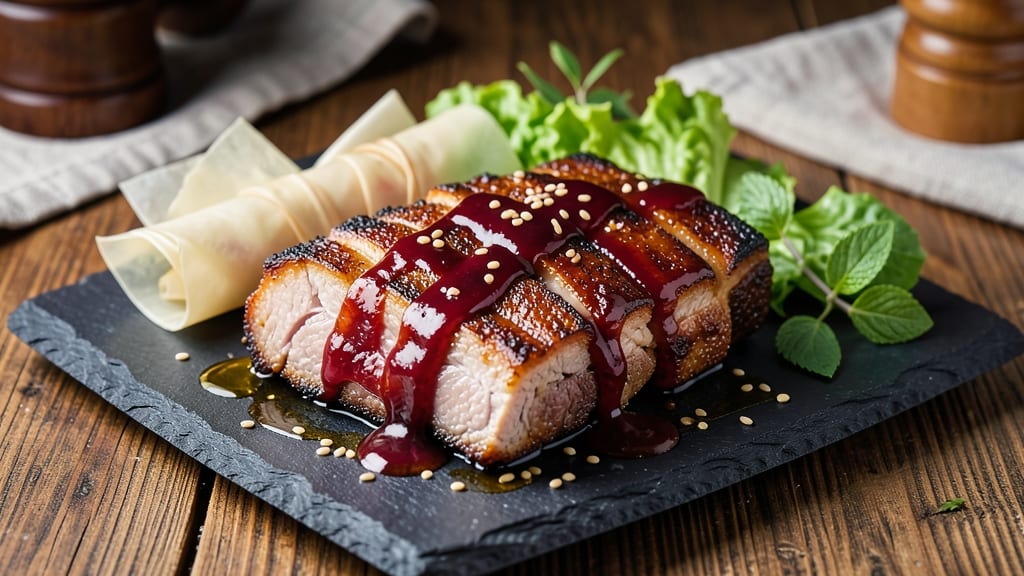
This Korean marinated pork belly recipe transforms tough fat into melt-in-your-mouth perfection—juicy, caramelized, and packed with sweet-spicy depth. 🔥 I first mastered this technique in Charleston, where I adapted traditional Korean BBQ methods for Southern kitchens, and it's since become a staple at The Smoky Pig.
The secret lies in the marinade: a balance of gochujang, brown sugar, and soy that tenderizes while building layers of flavor that caramelize beautifully during cooking.
The process begins with a 24-hour marinade that breaks down collagen, ensuring the pork belly stays incredibly tender even after high-heat cooking. We'll use a combination of pan-frying and grilling to render the fat while keeping the meat juicy, creating those signature crispy edges that Koreans call gajok.
This method delivers restaurant-quality results at home, with a glaze that's sticky-sweet and just spicy enough to make your taste buds sing.
What makes this recipe special is how it captures the soul of Korean BBQ—smoky, sweet, and deeply satisfying—while being accessible for home cooks. The pork belly slices beautifully for lettuce wraps or serves as a showstopping centerpiece when plated with ssamjang and fresh vegetables.
Every bite delivers that perfect contrast of crispy fat and tender meat, all wrapped in that addictive sweet-spicy glaze.
For those who love the experience, we'll include tips on perfecting your grill marks and balancing the sweetness to heat ratio. The result is a dish that feels like you've spent hours perfecting it, even though the active prep time is just 30 minutes.
Let's get cooking—your taste buds will thank you.
Ingredients for korean marinated pork belly
Sweet-spicy marinade meets tender pork belly—just four ingredients transform tough fat into melt-in-your-mouth perfection.
| Ingredient | Amount | Notes |
|---|---|---|
| Pork Belly 🥓 | 2 lb | Thin-cut slices or whole slab |
| Gochujang 🌶️ | ½ cup | Korean fermented chili paste |
| Brown Sugar 🍯 | ½ cup | Dark for deeper flavor |
| Soy Sauce 🍶 | ⅓ cup | Korean preferred, but Japanese works |
| Rice Vinegar 🍶 | ¼ cup | White or seasoned |
| Sesame Oil 🫒 | 1 tbsp | Toasted for aroma |
| Minced Garlic 🧄 | 4 cloves | Freshly minced preferred |
| Fresh Ginger 🌿 | 2 tbsp | Finely grated, peeled |
| Asian Pearl Onion 🧅 | 1 whole | Thinly sliced, white part only |
| Olive Oil 🫒 | 2 tbsp | For searing |
| Honey 🍯 | 1 tbsp | Wildflower preferred |
| Sesame Seeds 🌾 | 1 tbsp | Toasted for garnish |
| Kosher Salt 🧂 | 1 ½ tsp | Diamond Crystal preferred |
| Black Pepper 🌶️ | ½ tsp | Freshly cracked |
The pork belly is non-negotiable here—thin-cut slices cook faster, but a whole slab gives you more crispy edges. Costco or Whole Foods sell the best quality, but any grocery store's pork belly works if it's fresh. Look for bright pink color and good marbling. If you can't find Korean gochujang, Maesil Gochujang is my go-to, but any brand with visible chili flakes will do. The brown sugar should be dark—not light—because it adds deeper caramel notes. For the ginger, buy a small knob, peel it, then grate it fresh. Pre-grated gets watery and loses flavor fast.
No gochujang? Substitute 2 tbsp sriracha plus 1 tbsp tomato paste—it won't be identical, but you'll still get that sweet-spicy kick. Swapping out the soy sauce for coconut aminos keeps it gluten-free, though the flavor will be slightly lighter. Short on sesame oil? Avocado oil at half the amount works in a pinch, but toast the sesame seeds separately for that nutty crunch. The honey can be swapped for maple syrup if you're avoiding it, though the flavor profile shifts slightly. For the onions, baby pearls work perfectly—they're pre-sliced and save time. If you're grilling, char the onions first for extra depth.
Marinate the pork belly for at least 24 hours—overnight is ideal. Store the marinade in a sealed container in the fridge. The pork belly keeps 3 days in the marinade, but flavor peaks at 24 hours. After cooking, store leftovers in an airtight container with the glaze for 4 days. Freeze portions for 3 months—just thaw overnight in the fridge. For best results, reheat in a skillet with a splash of water to keep it juicy. The glaze thickens as it cools, so thin with a splash of water if needed.
Why You'll Love This Recipe
- One-Pan Magic: Honestly, I swear by this recipe because it’s that simple—just toss the pork belly in the marinade, roast it, and walk away. No flipping, no fussing, no extra pans. That sticky-sweet glaze from the gochujang and brown sugar does all the work while you sip your coffee.
- Sweet-Spicy Bliss: The gochujang and soy sauce combo is ridiculously good—smoky, tangy, with just enough heat to wake up your taste buds. The rice vinegar cuts through the richness, leaving you with that perfect balance of crispy edges and tender meat. (Yes, even on a Tuesday night.)
- Weeknight Hero: Between us, this is my go-to when I need something impressive but low-stress. Serve it with rice and quick-pickled veggies for a full meal, or slice it thin for tacos or banh mi. It’s the kind of dish that feels special without requiring a full day in the kitchen.
- Budget-Friendly Feast: Pork belly isn’t cheap, but a single slab stretches across multiple meals—leftover slices reheat beautifully in a pan or even cold in sandwiches. I’ll be real: my family fights over the scraps, and I’ve never regretted buying it once.
Step-by-step instructions for Korean marinated pork belly
Here's how to transform tender pork belly into crispy, caramelized perfection with a sweet-spicy glaze.
👨🍳 Step 1: Prepare the Sweet-Spicy Marinade
In a medium bowl, combine the 0.5 cup gochujang, 0.5 cup brown sugar, 0.33 cup soy sauce, 0.25 cup rice vinegar, 1 tbsp honey, 1 tbsp sesame oil, 4 cloves minced garlic, 2 tbsp fresh ginger, 1.5 tsp kosher salt, and 0.5 tsp black pepper. Whisk vigorously until the brown sugar dissolves completely and the mixture becomes smooth and glossy.
Here's the thing—this marinade needs time to develop its complex flavors. Let it sit at room temperature for 10 minutes while you prep the pork belly. You'll notice the colors deepen and the aroma becomes more intense, signaling the flavors are melding perfectly.
🍳 Step 2: Score and Marinate the Pork Belly
Pat the 2 lb pork belly completely dry with paper towels—this is crucial for crispy skin. Using a sharp chef's knife, score the fat cap in a diamond pattern, cutting about ¼ inch deep. This creates channels for the marinade to penetrate and renders the fat beautifully during cooking.
Place the scored pork belly in a large resealable plastic bag and pour in the marinade. Gently massage the marinade into all the scored areas, ensuring it coats every surface. Seal the bag and refrigerate for at least 4 hours, but I recommend overnight for maximum flavor infusion. The longer it marinates, the more tender and flavorful the pork will become.
🔥 Step 3: Sear the Pork Belly for Maximum Crisp
Preheat your oven to 425°F. Remove the pork belly from the marinade (reserve the marinade) and let it sit at room temperature for 30 minutes before cooking. Heat 2 tbsp olive oil in a large oven-safe skillet over medium-high heat until shimmering.
Place the pork belly fat-side down in the skillet and sear for 8-10 minutes until the fat renders and the skin becomes golden brown. Here's where it gets fun—flip the pork belly and cook the other side for another 6-8 minutes. The fat should be bubbling and beginning to crisp up. Pour the reserved marinade into the skillet and spoon it over the pork belly to coat.
🥘 Step 4: Roast Until Caramelized Perfection
Transfer the skillet to the preheated oven and roast for 45-50 minutes, basting with the pan juices every 15 minutes. You'll know it's ready when the internal temperature reaches 195-200°F and the skin is deep golden brown with crispy patches.
Real talk: Don't be tempted to open the oven door early. Every time you peek, you risk losing heat and steam, which can make the skin soggy instead of crispy. The pork belly should be fork-tender with a beautiful caramelized glaze coating every surface.
🍽️ Step 5: Rest and Garnish for Serving
Remove the pork belly from the oven and let it rest on a cutting board for 10-15 minutes. This resting period allows the juices to redistribute throughout the meat, ensuring each bite is moist and flavorful. While it rests, thinly slice the 1 whole Asian Pearl onion and toast the 1 tbsp sesame seeds in a dry skillet over medium heat for 1-2 minutes until fragrant.
Slice the pork belly against the grain into ¼-inch thick pieces. Arrange on a serving platter, drizzle with any remaining pan juices, and sprinkle with the toasted sesame seeds and sliced onion. The result should be juicy, tender pork belly with a sweet-spicy glaze that locks in all that delicious fat.
Pro Tips For Making Korean Marinated Pork Belly
- CUT BELLY IN STRIPS: First, slice the pork belly against the grain into ½-inch strips—thick enough to hold up to marinating but thin enough to cook evenly. I learned this the hard way: uneven cuts mean some pieces stay chewy while others turn rubbery.
- MARINATE COLD, NOT ROOM TEMP: Let the pork belly sit in the fridge for at least 4 hours (overnight is better) in the gochujang-soy-rice vinegar mix. I used to rush it, thinking more time in the marinade = more flavor, but cold marinating keeps the meat tender and lets the gochujang’s fermented depth sink in properly.
- DON’T SKIP THE VINEGAR REST: After marinating, pat the pork very dry and let it sit uncovered on a wire rack for 10-15 minutes. The rice vinegar’s acidity starts breaking down the meat’s surface, but you need that drying step to guarantee a crispy crust—not a soggy one.
- SAVE TIME WITH DOUBLE-BATCH GOCHU: Make twice the marinade you think you need: half for soaking the pork, half for tossing after cooking. The extra gochujang glaze (browned with a splash of water) adds that sticky, caramelized finish that takes 10 minutes to cook but makes all the difference. (Yes, even if you’re impatient like me.)
Best sauces and condiments for these flavors
Sweet-Spicy Glaze
The star of this dish is the marinade-turned-glaze, where gochujang and brown sugar create a sticky, caramelized coating. I like to reduce the marinade by 20% during roasting—simmer it in a small saucepan over medium heat for 5-7 minutes until it thickens slightly.
This intensifies the flavors and makes it perfect for drizzling over the pork belly. 🔥
Sesame Oil Finish
For an extra layer of depth, finish the pork belly with a ½ teaspoon sesame oil drizzled over the top just before serving. The nutty aroma enhances the umami from the pork and balances the sweetness.
I also like to add a pinch of flaky sea salt right before eating—it cuts through the richness beautifully. Trust me, this small step elevates the dish from good to unforgettable.
Gochujang Variations
Not all gochujang is created equal! For a milder heat, mix in 1 tablespoon honey to the marinade. If you want extra depth, add ½ teaspoon toasted sesame paste—it adds a toasty, nutty note that pairs perfectly with the pork.
I’ve also experimented with fermented black bean paste (chongqing doubanjiang) for a funkier, more complex flavor. Each variation changes the dish’s character, so play around until you find your favorite.
Pan Sauce Magic
After roasting, don’t waste those precious pan juices! Deglaze the skillet with ¼ cup warm water or rice vinegar, scraping up all the caramelized bits. Reduce this sauce by half to create a glossy, tangy accompaniment.
I love serving it alongside the pork belly for dipping or drizzling over lettuce wraps. This step transforms leftovers into a restaurant-worthy meal with minimal effort.
Spicy Kick Adjustments
If the heat level feels too intense, balance it with a splash of rice vinegar or a drizzle of honey. For extra heat lovers, add ½ teaspoon red pepper flakes to the marinade or sprinkle gochugaru (Korean chili flakes) on top before serving.
I’ve also seen people add a pinch of cinnamon to the marinade for warmth—it’s a surprising but delicious twist that complements the pork belly beautifully.
Garnish Like a Pro
Toasted sesame seeds and thinly sliced Asian pearl onions aren’t just for looks—they add texture and freshness. For a pop of color, add microgreens or cilantro leaves on top. I also like to finish with a sprinkle of crushed black sesame seeds for extra crunch and depth.
These garnishes make the dish feel special without overpowering the star—your perfectly marinated pork belly.
Nutrition facts
Frequently asked questions
Can I use regular pork belly instead of thin-cut slices?
Whole slabs work perfectly—they just require slightly longer cooking time. For a 2 lb slab, add 10-15 minutes to the roasting time and check for 195-200°F internal temp. The diamond scoring pattern is even more important with whole slabs to ensure even rendering of the fat.
How do I adjust the spice level for sensitive eaters?
Start by reducing the gochujang to 0.33 cup and adding 1 tbsp extra honey to balance the heat. For milder heat, swap half the gochujang with soy sauce. Always taste the marinade before applying—you can always add more spice later, but you can't take it out!
What's the best way to reheat leftover pork belly?
Reheat in a skillet over medium-low heat with a splash of water to keep it moist. Cover with a lid for 3-5 minutes until warmed through. Microwaving works in a pinch, but it can make the skin rubbery. For best results, reheat just before serving to maintain crispiness.
Can I make this recipe without sesame oil?
Yes! Replace the 1 tbsp sesame oil with ½ tbsp avocado oil or toasted peanut oil for a similar nutty depth. Toast 1 extra tbsp sesame seeds separately to add that aromatic crunch. The flavor won't be identical, but it'll still taste delicious with this adjustment.
What's the secret to getting crispy skin?
Three key factors:
- Pat the pork belly completely dry before marinating,
- Use high heat when searing, and
- Don't overcrowd the pan. The fat needs space to render properly. For extra crispiness, broil for 2-3 minutes at the end of roasting.