
Main Courses
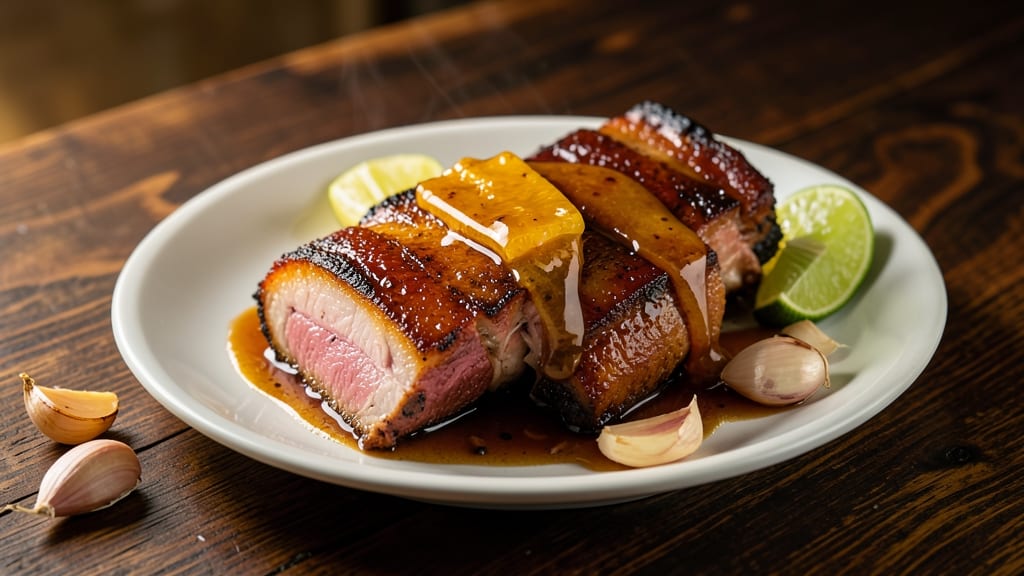
This pork pata hamonado recipe with pineapple juice transforms tough pork into melt-in-your-mouth sweet-smoky shreds—all in one pot. 🌟 The secret lies in the pineapple juice, which tenderizes the meat while adding a bright, tangy contrast to the rich, caramelized flavors.
I first discovered this technique while adapting my grandmother's handwritten notes, and it's become a staple in my kitchen for its simplicity and bold results.
The beauty of this recipe is in its balance: the sweetness of the pineapple juice and brown sugar caramelizes beautifully with the smoky flavors from the soy sauce and calamansi (or lime). The pork cooks low and slow, ensuring it shreds effortlessly while absorbing all those delicious flavors.
No fancy equipment needed—just a heavy pot and patience. My grandmother always said, "Good food takes time, but the best part is the waiting."
By the time you're done, you'll have perfectly tender, caramelized pork that falls apart at the touch of a fork. The sauce clings to every strand, offering a perfect mix of sweet, smoky, and tangy notes.
This dish is hearty enough to stand alone but pairs beautifully with garlic rice, atchara (pickled papaya), or steamed greens. It's the kind of meal that feels like a hug—comforting, flavorful, and impossible to resist.
Whether you're feeding a family or just craving a taste of home, this recipe delivers restaurant-quality results with minimal effort. The key is letting the flavors meld during the cooking process, so don't rush it. Trust me, the wait is worth every bite. Let's get cooking!
Ingredients for pork pata hamonado recipe with pineapple juice
Sweet-smoky pork that melts in your mouth—just 13 ingredients, all pantry-friendly.
| Ingredient | Amount | Notes |
|---|---|---|
| Pork Shoulder (Pata) 🐖 | 3 lb | Bone-in, cut into 2-inch chunks |
| Pineapple Juice 🍍 | 1 ½ cups | Freshly squeezed, no pulp |
| Brown Sugar 🍚 | ½ cup | Packed, light or dark variety |
| Soy Sauce 🥢 | ½ cup | Regular or dark soy sauce |
| Calamansi Juice 🍋 | ¼ cup | Or substitute lime juice |
| Garlic Cloves 🧄 | 6 cloves | Minced, for depth of flavor |
| Fresh Ginger 🌿 | 2 tbsp | Finely grated, fresh preferred |
| Black Peppercorns 🌶️ | 1 tsp | Crushed, freshly ground |
| Bay Leaves 🌿 | 2 whole | Dried, for aromatic depth |
| Olive Oil 🫒 | 2 tbsp | Extra-virgin, for searing |
| Water 💧 | 1 ½ cups | For braising liquid |
| Salt 🧂 | 1 ½ tsp | Kosher or sea salt |
| Cinnamon Stick 🌿 | 1 whole | Optional, for warmth |
The pork shoulder is the star here—bone-in cuts stay juicier, but boneless works too if you're in a hurry. I always grab mine from Costco when it's on sale, but any butcher will cut it for you. Look for good marbling—those little white streaks mean more flavor. For the pineapple juice, fresh is best, but canned works in a pinch (just strain out the pulp). My grandmother swore by calamansi, but lime juice works perfectly if you can't find it—just double the amount for tang. The brown sugar caramelizes beautifully with the soy sauce, creating that signature sweet-smoky crust.
No soy sauce? Coconut aminos or even extra Worcestershire sauce (check for anchovies if vegan) gets you close. Fresh ginger losing its zip? Powdered ginger at half the amount is a decent swap. The bay leaves and cinnamon stick are non-negotiable for that restaurant-quality depth—don't skip them! If you're short on time, pre-minced garlic from the jar works, but fresh always tastes better. The olive oil is just for searing—use whatever you've got, but extra-virgin adds the best flavor. For the water, broth would deepen the flavor if you're feeling fancy.
This dish tastes even better the next day—plan ahead. Store leftovers in the fridge for 4-5 days or freeze for 3 months. I like to portion mine into containers so I can grab a serving for lunch without reheating the whole batch. The sauce thickens as it cools, so add a splash of water when reheating. For serving, garlic rice or steamed greens cut through the richness perfectly. And trust me, the smell alone will have everyone gathering in the kitchen.
Why You'll Love This Recipe
- Pantry Magic: I swear by this one—just a few staples (brown sugar, soy sauce, that tangy calamansi) and you’ve got a showstopper. No fancy ingredients, no last-minute grocery runs. The pineapple juice alone does half the work—caramelizing the edges while keeping the meat juicy.
- Sweet-Savory Balance: Between us, this combo is chef’s kiss: the sticky-sweet brown sugar glaze, the sharp kick of calamansi, and the umami punch from soy sauce. The pork shoulder stays tender but develops this irresistible crust—like a cross between a glaze and a slow-cooked masterpiece.
- Leftovers? Please.: This recipe practically begs for seconds, and the good news? It reheats like a dream. I’ve served it cold the next day in rice bowls, crisped up slices for breakfast, or even tossed chunks into fried rice. (Yes, even on a Tuesday night.)
- Budget Hero: Pork shoulder is affordable, and a single cut feeds a crowd—think family gatherings, potlucks, or just feeding your crew after a long week. Honestly, I’ve made this for 10 people with minimal cost, and no one ever guessed it wasn’t a restaurant dish.
Step-by-step instructions for pork pata hamonado with pineapple
This one-pot method delivers melt-in-your-mouth pork with a perfect balance of sweet and smoky flavors.
🔥 Step 1: Sear the Pork for Maximum Flavor
Heat a large Dutch oven or heavy pot over medium-high heat until hot. Add the 2 tablespoons olive oil and swirl to coat the bottom. Working in batches if needed, add the 3 lb pork shoulder (pata) in 2-inch chunks, leaving space between pieces. Let them sear undisturbed for 3-4 minutes per side until deep golden brown forms on all sides.
Here's the thing—don't rush this step. You want those browned bits (fond) to form—they'll dissolve into the braising liquid later and create insane depth of flavor. If your pot gets crowded, work in batches and keep the seared pork warm in a clean bowl while you finish the rest.
👨🍳 Step 2: Build the Sweet-Smoky Braising Liquid
Once all pork is seared, remove it from the pot and set it aside. Add the 6 cloves minced garlic cloves and 2 tablespoons finely grated fresh ginger to the same pot, stirring for 30 seconds until fragrant. Be careful not to burn them—they'll darken quickly.
Pour in the 1.5 cups pineapple juice, 0.5 cup soy sauce, 0.25 cup calamansi juice, and 0.5 cup packed brown sugar. Stir to combine, then add the 1.5 cups water, 1.5 teaspoons salt, 1 teaspoon crushed black peppercorns, 2 whole bay leaves, and 1 whole cinnamon stick. Bring to a gentle simmer over medium heat.
🥘 Step 3: Braise Until Fork-Tender
Return the seared pork to the pot, turning to coat in the braising liquid. Bring everything back to a simmer, then reduce heat to low. Cover tightly with a lid and let it cook for 1 hour. After the initial hour, check the liquid level—it should be about halfway up the pork pieces.
Here's where patience pays off: continue cooking for another 2-3 hours until the pork is fork-tender and easily pulls apart. The pork is done when a knife slides in and out like butter with no resistance. If the liquid reduces too much before the pork is tender, add ¼ cup hot water every 30 minutes to maintain moisture.
⏰ Step 4: Shred and Finish with Pineapple Glaze
Once the pork is tender, remove it from the pot and transfer to a cutting board. Let it rest for 10 minutes while you reduce the braising liquid. Skim off any excess fat from the surface, then increase heat to medium-high and simmer uncovered for 5-7 minutes until the liquid reduces by about half and thickens slightly.
Shred the pork using two forks, discarding the bay leaves and cinnamon stick. Return the shredded pork to the pot and stir to coat in the reduced sauce. Taste and adjust seasoning if needed—you might want to add a splash more pineapple juice or a pinch of salt to balance the flavors. The final sauce should be glossy and cling beautifully to each tender strand.
Pro Tips For Making Pork Pata Hamonado Recipe With Pineapple Juice
- Brown Sugar First: Toss the pork shoulder in brown sugar before adding any liquids—this ensures it caramelizes into a sticky crust instead of dissolving into the sauce. I used to add it later and wondered why my hamonado never got that glossy, deep color.
- Simmer Pineapple Slow: Reduce pineapple juice to a thick syrup (about half the volume) before pouring it over the pork—this concentrates the sweetness and prevents the sauce from tasting watery. After burning through three batches, I finally got why the pros always do this step.
- No Crowd the Pan: If you’re braising, resist the urge to stack pork pieces—give them space to sear and render fat properly. My first attempt looked like a meat tower, and the result was greasy instead of tender. Spread it out like a proper feast.
- Calamansi Last: Stir in calamansi juice after the pork has cooked and the sauce has thickened—adding it early makes the sauce turn bitter. I learned this the hard way when I rushed and ended up with a sour mess instead of that bright, tangy finish.
Common mistakes when making your pork pata hamonado recipe with pineapple juice
Over-Marinating the Pork
The pineapple juice is your secret weapon for tenderizing, but too much time in it can actually make the pork mushy. I’ve seen people leave the pork soaking overnight, thinking more time equals better flavor—but that’s a mistake.
The acid in pineapple breaks down proteins, and after about 4-6 hours, you’ll start losing texture. For this recipe, stick to marinating the pork for no more than 2 hours before searing.
If you’re short on time, skip the marinade entirely and just use the pineapple juice in the braising liquid. 🌶️
Skipping the Sear
Some recipes for pata hamonado might seem to skip the searing step, but that’s a big no-no. Searing creates the deep, caramelized crust that holds all the flavors together. If you skip it, your pork will end up bland and watery. I’ve tried it—trust me, it’s not worth it.
Heat your Dutch oven until it’s smoking hot, add the oil, and let those pork chunks get a deep golden brown on all sides. This step takes just a few minutes but makes all the difference. ⚡
Ignoring the Braising Liquid Level
One of the most common mistakes is letting the braising liquid evaporate too quickly, which can dry out the pork. The liquid should always be at least halfway up the pork pieces.
If it reduces too much before the meat is tender, add ¼ cup hot water every 30 minutes to keep it moist. I’ve seen people walk away from the stove and come back to find their pork sitting in a dry pan—don’t let that be you!
Keep an eye on it, and you’ll end up with perfectly tender, juicy pork every time. 💧
Rushing the Cooking Time
Pork pata hamonado isn’t a dish you can rush. It needs time to break down and absorb all those sweet, smoky flavors. I’ve tried cutting the cooking time short, and the results were always tough or dry.
The pork should cook for a total of 3-4 hours on low heat, covered. If you’re in a hurry, you might as well order takeout—this dish is worth the wait. Patience is key here, and the payoff is melt-in-your-mouth perfection. ⏰
Using the Wrong Cut of Pork
Not all pork cuts are created equal, and using the wrong one can ruin your dish. Pork shoulder (pata) is the traditional cut for this recipe because it’s fatty and connective-tissue-rich, which breaks down beautifully during braising.
If you accidentally grab pork loin or tenderloin, you’ll end up with dry, chewy meat. Stick to the bone-in pork shoulder for the best results—it’s worth the extra effort to find it at your local butcher or grocery store. 🐖
Overlooking the Resting Time
After all that braising, you might be eager to dig in right away—but resting the pork for 10 minutes before shredding is crucial. This step lets the juices redistribute throughout the meat, so they don’t end up on your plate instead of inside the pork.
I’ve seen people skip this step, and the results are always disappointing. Give it that little break, and you’ll be rewarded with juicy, flavorful bites every time. 💫
Nutrition facts
Frequently asked questions
Can I substitute regular pork shoulder for pork pata?
Pork shoulder works perfectly—just look for a cut with good marbling and connective tissue. The key is using a bone-in cut when possible, as the bones add incredible flavor to the braising liquid. If you can't find bone-in, boneless pork shoulder will still work beautifully, though it may cook slightly faster.
How do I know when the pork is fully tender?
Your pork is done when it shreds easily with two forks and a knife slides in like butter with no resistance. For bone-in cuts, check the meat near the bone—it should pull apart cleanly. If you're unsure, cut into the thickest piece: if it's fork-tender, it's ready.
What if I don't have calamansi juice?
No problem! Use lime juice instead—just double the amount (about ½ cup) for similar tang. For extra brightness, add a splash of orange juice or even a pinch of citric acid (½ tsp). The pineapple juice already provides sweetness, so the acidity is crucial for balance.
Can I make this in a slow cooker?
Yes, but with adjustments! Sear the pork first, then transfer everything to a slow cooker and cook on low for 6-8 hours or high for 4-5 hours. Add ½ cup water if it gets too dry. The slow cooker won't give you the same caramelized crust, but it's still delicious and hands-off.
What's the best way to serve this dish?
This sweet-smoky pork pairs perfectly with garlic rice, steamed greens, or pickled vegetables like atchara. For a complete meal, serve with white rice and a side salad. The acidity from pickled veggies cuts through the richness beautifully. My grandmother always served it with a simple cucumber salad—refreshing and light.