
Main Courses
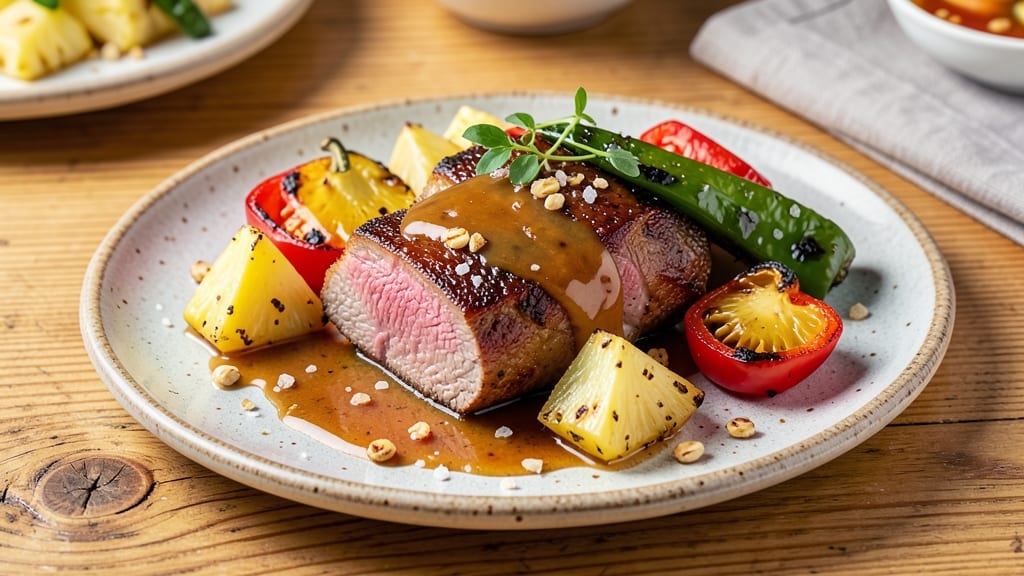
This pork pineapple peppers recipe delivers the perfect balance of sweet, tangy, and savory flavors with crispy edges that stay crispy through every bite. 🔥 After years of perfecting stir-fry techniques at The Smoky Pig, I've created a dish that transforms simple ingredients into something restaurant-worthy.
The secret lies in high-heat searing for that ideal texture while keeping the pork juicy inside.
What sets this dish apart is the harmony of flavors—juicy pork tenderloin, caramelized pineapple chunks, and vibrant bell peppers create a symphony of tastes that's both familiar and exciting.
I use a quick marinade of soy sauce, brown sugar, and garlic to prep the pork, while the peppers and pineapple get a light toss in sesame oil before hitting the pan. This method ensures maximum flavor infusion without overpowering the natural sweetness of the ingredients.
The result is a stir-fry that's crispy on the outside, tender on the inside, and packed with bright, fresh flavors that make every bite satisfying.
The pork develops a beautiful caramelized crust from the high-heat cooking, while the pineapple adds just the right amount of sweetness to balance the savory elements. This dish comes together in under 30 minutes but feels like a special occasion meal - perfect for weeknight dinners or weekend gatherings.
Serve it over steamed jasmine rice or with a side of cucumber salad to round out the meal. The combination of textures and flavors makes this pork pineapple peppers stir-fry a crowd-pleaser that's sure to become a regular on your dinner rotation. Let's get cooking!
Ingredients for pork pineapple peppers
Simple ingredients that transform into a restaurant-worthy stir-fry with crispy edges and vibrant flavors.
| Ingredient | Amount | Notes |
|---|---|---|
| Pork Tenderloin 🥩 | 1 ¼ lb | Center-cut, trimmed of fat |
| Fresh Pineapple Chunks 🍍 | 1 ½ cups | Fresh or canned in juice, drained |
| Bell Peppers 🧅 | 2 whole | Assorted colors, sliced into strips |
| Soy Sauce 🍶 | ⅓ cup | Low-sodium preferred |
| Brown Sugar 🍚 | ¼ cup | Packed, light or dark |
| Garlic Cloves 🧄 | 4 cloves | Minced, fresh preferred |
| Sesame Oil 🫒 | 1 tbsp | Toasted, for flavor |
| Vegetable Oil 🫒 | 2 tbsp | High smoke point |
| Rice Vinegar 🍶 | 1 tbsp | White or seasoned |
| Sesame Seeds 🌾 | 1 tbsp | Toasted, for garnish |
| Salt 🧂 | ½ tsp | Kosher or sea salt |
| Black Pepper 🌶️ | ¼ tsp | Freshly ground |
| Green Onions 🧅 | 3 whole | Sliced, for garnish |
| Jasmine Rice 🍚 | 1 ½ cups | Uncooked, for serving |
The pork tenderloin is your star—center-cut, trimmed of fat for perfect searing. I always grab mine from Whole Foods or the butcher counter at Kroger—look for a piece that's firm to the touch with no grayish areas. Fresh pineapple is ideal, but canned in juice (drained) works in a pinch. The bell peppers? Assorted colors add visual appeal, but red and yellow are sweetest. Slice them into even strips so they cook at the same rate as the pork. For the brown sugar, light or dark both work, but light caramelizes more beautifully.
No sesame oil? Toasted vegetable oil at half the amount gets you close. Short on rice vinegar? Apple cider vinegar works too—just reduce the amount slightly since it's more acidic. The soy sauce should be low-sodium to balance the sweetness without overpowering. For the garlic, fresh is non-negotiable—pre-minced from jars lacks depth. If you're prepping ahead, marinate the pork in the soy sauce, brown sugar, and garlic up to 4 hours before cooking. The peppers and pineapple can sit in the sesame oil for 30 minutes before hitting the pan—just don't overcrowd.
This stir-fry reheats beautifully—2 minutes in a skillet over medium heat is all it takes. Store leftovers in an airtight container for 3-4 days in the fridge. The rice? Cook it fresh for best texture, but you can reheat portions in the microwave with a splash of water. For extra crispiness, broil the pork for 2 minutes at the end if you're reheating. Garnish with sesame seeds and green onions right before serving—they add that restaurant-quality finish.
Why You'll Love This Recipe
- Sweet-Savory Balance: The brown sugar and soy sauce caramelize into a glossy glaze that clings to the pork like magic—sticky, slightly sweet, with just enough tang to cut through the richness. My kids still fight over the last bite, even though I swear I make it the same every time.
- One-Pan Magic: Pork, peppers, and pineapple all hit the same sheet pan—no fancy layers, no last-minute scrambling. Honestly, I’ve burned a few things in my life, but this recipe forgives mistakes. The peppers soften perfectly while the pork stays juicy, and cleanup? One spatula, one wipe-down.
- Lunchbox Hero: Between us, this is my secret weapon for packed lunches. The pork stays tender for days, and the pineapple’s acidity keeps the flavors bright—no sad, dry leftovers here. I’ll pack it in tortillas, over rice, or straight from the pan with crackers. My coworkers keep asking for the recipe.
- Budget Bright Spot: Pork tenderloin stretches far, and the pineapple’s sweetness makes it feel fancy without breaking the bank. I’ll often double the batch, freeze half, and pull it out when I’m too tired to think. That brown sugar glaze? It’s the kind of flavor that makes cheap cuts taste like a splurge.
Step-by-step instructions for pork pineapple peppers stir-fry
Here's how to balance sweet, tangy, and savory flavors with perfectly crispy edges every time.
🍳 Step 1: Prepare the Pork for Optimal Texture
Slice the 1.25 lb pork tenderloin into ½-inch thick strips against the grain for maximum tenderness. I use a sharp chef's knife and cut through the muscle fibers to ensure the meat stays juicy. Pat the strips dry with paper towels—this helps create that crispy exterior we're after.
In a small bowl, combine 0.33 cup soy sauce, 0.25 cup brown sugar, 1 tbsp rice vinegar, 0.5 tsp salt, and 0.25 tsp black pepper. Mix well until the sugar dissolves completely. This marinade will tenderize the pork while adding depth of flavor. Add the pork strips to the marinade and let them sit for at least 15 minutes at room temperature—this ensures even cooking and maximum flavor penetration.
🍳 Step 2: Cook the Jasmine Rice to Perfection
Rinse the 1.5 cups jasmine rice thoroughly under cold water until the water runs clear. This removes excess starch that can make the rice gummy. Drain well and transfer to a pot with 2 cups water (or follow your preferred rice-to-water ratio). Bring to a boil, then reduce heat to low, cover, and simmer for 15 minutes. Turn off the heat and let it steam, covered, for another 10 minutes. Fluff with a fork before serving—this light, fluffy texture pairs beautifully with our stir-fry.
While the rice cooks, slice the 2 whole bell peppers into ¼-inch strips and cut the 3 whole green onions into 1-inch pieces. Peel and mince the 4 cloves garlic. Keep these prepped ingredients nearby—they'll cook quickly and should go straight from prep to pan.
🔥 Step 3: Stir-Fry the Pork Until Crispy
Heat a large skillet or wok over medium-high heat until hot. Add 2 tbsp vegetable oil and swirl to coat the pan evenly. Working in batches if needed, add the marinated pork strips and cook undisturbed for 2-3 minutes per side until golden brown and crispy. The pork should release easily from the pan—this indicates it's ready to remove.
Transfer the crispy pork to a plate and set aside. The residual heat in the pan will help cook the vegetables without overcooking the pork. Don't skip this step—those crispy edges are what make this dish special. If the pork releases too easily before reaching golden brown, it's not ready yet. Patience here ensures perfect texture.
🍳 Step 4: Cook the Vegetables and Combine
In the same skillet, add 1 tbsp sesame oil and swirl to coat. Add the sliced bell peppers and green onions, along with the minced garlic. Stir-fry for 3-4 minutes until the peppers soften slightly but still retain their vibrant color. The garlic should be fragrant but not browned—this ensures it adds aroma without bitterness.
Return the pork to the skillet and add the 1.5 cups fresh pineapple chunks. Stir everything together and cook for another 2 minutes until the pineapple releases its natural juices. The combination of sweet pineapple and savory pork creates a perfect balance of flavors. Taste and adjust seasoning if needed—you might want to add a splash more soy sauce if the dish needs more umami.
🥘 Step 5: Finish with Sesame Seeds and Serve
Remove the stir-fry from heat and drizzle with 1 tbsp toasted sesame oil. Sprinkle with 1 tbsp sesame seeds and toss gently to distribute evenly. The sesame seeds add a nutty crunch that contrasts beautifully with the tender pork and crispy peppers.
Serve the stir-fry immediately over the fluffy jasmine rice. The contrast of textures—crispy pork, tender vegetables, and soft rice—makes every bite satisfying. Garnish with extra sliced green onions if desired, and enjoy while the pork is still warm and crispy. This dish tastes even better the next day, so leftovers make great lunches!
Pro Tips For Making Pork Pineapple Peppers
- SEAR THE PORK FIRST: I learned this the hard way—skipping the sear means your pork ends up soggy instead of caramelized. Hit the tenderloin with high heat for 3-4 minutes per side in a hot pan with 1 tablespoon of oil before adding anything else. The crust locks in flavor and keeps the meat juicy when it finishes in the sauce.
- CUT PINEAPPLE SMALL: Big chunks take forever to soften and can turn mushy. Dice the pineapple into ½-inch pieces—small enough to cook through quickly but still recognizable. If using frozen, thaw and pat dry first; excess moisture dilutes the sauce.
- SWEAT PEPPERS LOW: After burning three batches, I finally figured out: bell peppers need patience. Cook them on medium-low heat for 5-6 minutes until just softened, not browned. Overheating turns them bitter—you want them tender but still bright in color.
- DEGLAZE WITH SOY SAUCE: Don’t just dump the sauce in—let the pork brown first, then splash in 2 tablespoons of soy sauce to deglaze. Scrape up those fond bits; they’re packed with flavor. Add the rest of the soy sauce and brown sugar later, but this step guarantees a richer base. (Yes, even if you’re impatient like me.)
Pro cooking tips for great pork pineapple peppers
High-Heat Searing Secrets
For that signature crispy texture, your pan needs to be screaming hot—think medium-high heat until it's so hot a drop of water sizzles instantly. I use a 12-inch cast iron skillet from Lodge because it retains heat like a dream and creates those perfect caramelized edges.
Let the pork strips sit undisturbed for 2-3 minutes per side—this is where the Maillard reaction works its magic, developing deep flavor and that coveted crunch. 🔥
Marinade Timing Matters
Never skip the 15-minute marinade at room temperature before cooking. Cold pork releases less moisture, leading to uneven cooking and potential dryness. I like to marinate mine in a shallow dish rather than a sealed bag—it helps the soy sauce and brown sugar penetrate more evenly.
Pro tip: If you're prepping ahead, marinate for up to 4 hours in the fridge, but bring it back to room temp for 20 minutes before cooking for consistent results.
Vegetable Prep Precision
Bell peppers and green onions cook at different rates, so slice them uniformly—¼-inch strips for peppers and 1-inch pieces for onions. The goal is to soften them just enough to become tender-crisp without turning mushy.
I always add garlic last to the pan because it burns quickly, and you want that aromatic punch without bitterness. Toast the sesame seeds separately for 30 seconds in a dry pan before adding them—they'll release their nutty aroma and taste even more vibrant. ✨
Batch Cooking for Crowds
When doubling the recipe for gatherings, cook the pork in two batches—overcrowding the pan steams the meat instead of searing it. Keep the first batch warm in a 200°F oven while you finish the second.
For the vegetables, I divide them into two portions and cook them separately before combining with the pork. This keeps everything vibrant and ensures no one gets a soggy bite. Trust me, your guests will notice the difference!
Flavor Boost Shortcuts
No fresh pineapple? Use canned pineapple in juice—just drain it well and pat dry to prevent steaming. For extra depth, add 1 tsp fish sauce to the marinade (it enhances umami without overpowering).
I also keep a bottle of Chinkiang black vinegar on hand—its bold flavor adds complexity when used in place of rice vinegar. These little swaps can elevate a good stir-fry to great without much extra effort. 💡
Reheating Like a Pro
Leftovers are even better the next day! To revive that crispy texture, reheat in a skillet over medium heat for 2-3 minutes with a splash of water or broth. For extra crunch, broil for 2 minutes at the end.
Store in an airtight container with parchment paper between layers to prevent sticking. I like to reheat portions just before serving so the pork stays crispy—no one wants sad, soggy stir-fry! 💪
Nutrition facts
Frequently asked questions
Can I use chicken instead of pork in this recipe?
Chicken breast works beautifully, but use 1 lb boneless, skinless chicken cut into ½-inch strips. Marinate it for 20-30 minutes (chicken absorbs flavors faster) and cook it over slightly lower heat (medium) for 4-5 minutes per side to prevent drying. The texture will be slightly different but still delicious.
What if I don't have sesame oil?
No problem! Use 1 tbsp toasted vegetable oil or avocado oil instead. For extra flavor, add ½ tsp toasted sesame seeds directly to the stir-fry during the final step. The dish will still taste amazing—just slightly less aromatic.
How do I make this dish spicier?
Add ½ tsp chili flakes or 1 tbsp sriracha to the marinade, or stir in 1-2 thinly sliced jalapeños with the peppers. For heat lovers, try 1 tsp gochujang (Korean chili paste) mixed into the soy sauce. Start with less and adjust to taste—pineapple's sweetness balances heat beautifully.
Can I make this recipe ahead of time?
Yes! Prep all components separately: marinate the pork, slice the peppers, and cook the rice. Store everything in airtight containers in the fridge for up to 2 days. When ready to serve, reheat the pork and veggies in a skillet for 3-4 minutes over medium heat with a splash of water. The rice reheats best in the microwave with a damp paper towel.
What's the best way to serve this dish?
Over jasmine rice is classic, but you could also serve it with steamed white rice, quinoa, or even coconut rice for a tropical twist. For extra presentation, garnish with cilantro, lime wedges, or a drizzle of sweet chili sauce. It's also delicious wrapped in warm tortillas with a side of lime crema!