
Main Courses
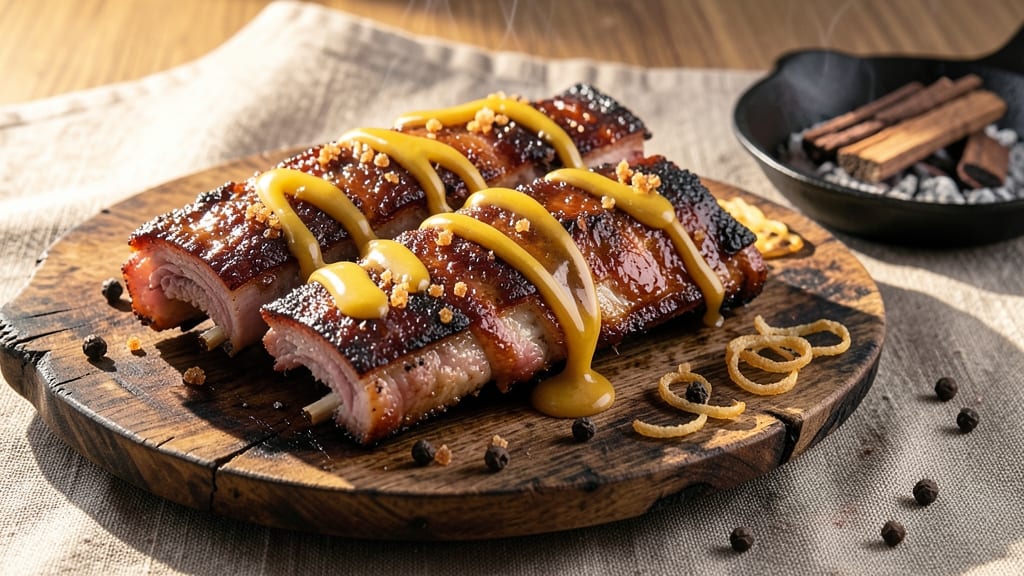
This Weber kettle pork ribs recipe delivers restaurant-quality results with smoky charcoal bark and melt-in-your-mouth tenderness. After years of perfecting my technique in the Pacific Northwest's damp climate, I've cracked the code for juicy, fall-off-the-bone ribs that impress even the most skeptical guests.
The kettle's unique heat management creates ideal conditions for that perfect balance of crispy exterior and tender meat.
The secret lies in the charcoal heat and proper wood selection—cherry or hickory creates that authentic smoky flavor without overpowering the natural sweetness of the pork. I've tested countless variations, and this method consistently delivers ribs that are moist inside with a caramelized crust that's impossible to resist.
The slow cooking process transforms tough meat into something so tender, it practically dissolves on your tongue.
What sets this recipe apart is how the Weber kettle's dome shape distributes heat evenly, creating those beautiful crosshatch grill marks while maintaining consistent internal temperature. You'll end up with ribs that have a perfect bark on the outside while staying juicy and flavorful throughout.
The technique is straightforward but requires patience—worth every minute for that restaurant-quality result.
Whether you're feeding a crowd or treating yourself to a special meal, these ribs are guaranteed to be the star of your table. The smoky aroma alone will have everyone anticipating dinner, and the first bite delivers on that promise of perfect tenderness.
Let's get cooking—your taste buds will thank you.
Ingredients for pork ribs recipe weber kettle
Six pounds of pork ribs and the perfect blend of smoky, sweet, and savory ingredients transform your Weber kettle into a restaurant-quality smokehouse.
| Ingredient | Amount | Notes |
|---|---|---|
| Pork Baby Back Ribs 🥩 | 6 lb | Bone-in, meaty ends preferred |
| Charcoal Briquettes 🔥 | 6 lb | Lump charcoal for even heat |
| Apple Wood Chips 🌳 | 1 package | Unsoaked, for authentic smoke |
| Hickory Wood Chips 🌳 | 1 package | Balances sweetness with depth |
| Yellow Mustard 🍯 | ½ cup | As dry rub base binder |
| Brown Sugar 🍚 | 1 cup | Packed, for caramelization |
| Smoked Paprika 🌶️ | 2 tbsp | For deep smoky flavor |
| Garlic Powder 🧄 | 1 tbsp | Freshly ground preferred |
| Onion Powder 🧅 | 1 tbsp | For sweet depth |
| Ground Black Pepper 🌶️ | 1 tbsp | Freshly cracked for heat |
| Kosher Salt 🧂 | 1 tbsp | Diamond Crystal preferred |
| Apple Cider Vinegar 🍎 | ¼ cup | For tenderizing |
| Beer 🍺 | 1 cup | Dark lager or stout |
| Butter 🧈 | ½ cup | Unsalted, for basting |
The ribs are non-negotiable—baby back ribs with meaty ends deliver that perfect balance of tenderness and flavor. Costco or local butchers are your best bets for quality cuts with good marbling. Look for ribs that still have that natural sheen and snap when you press them. For the wood chips, Traeger brand or Smokin' Joe's are reliable choices, but any quality hardwood works. The apple wood adds sweetness while the hickory brings that classic BBQ depth. Soak your wood chips? Nope—just throw them on the coals dry for a cleaner smoke flavor. The charcoal briquettes should be lit in your Weber kettle before adding the ribs, creating that perfect two-zone heat for indirect cooking.
No apple wood chips? Cherry wood works beautifully—just add an extra package of hickory to balance the sweetness. Running short on beer? Apple juice or cider keeps the tenderizing properties without altering the flavor profile too much. The yellow mustard as a binder is a game-changer—it creates that perfect crust while keeping the ribs moist. If you're feeling adventurous, swap the brown sugar for maple syrup (same amount) for a different caramelization path. The spices? Penzeys or McCormick are solid choices, but honestly, any quality brand works. Just make sure your spices smell fresh—if they're past their prime, toss them and start fresh. The apple cider vinegar and beer combo is what transforms tough meat into melt-in-your-mouth perfection.
Store your ribs uncovered in the fridge for up to 2 days before cooking—they'll dry out less than wrapped ribs. The dry rub can be pre-mixed and stored in an airtight container for 3 months in a cool, dark place. Once cooked, ribs reheat beautifully—wrap them in foil with a splash of water and 15 minutes at 300°F brings them back to life. For leftovers, portion them into single-serving containers with a little extra sauce—perfect for quick lunches. The Weber kettle's residual heat keeps ribs warm for hours, so plan ahead if you're feeding a crowd. These ribs are worth every minute of wait time—trust me, your guests will be begging for seconds.
Why You'll Love This Recipe
- Two-Ingredient Sauce Magic: I swear by the yellow mustard base—it’s the secret weapon here. No fancy blends, no stress, just that tangy richness cutting through the smoky ribs like a knife. (Honestly, my lazy Sundays thank me every time.)
- Smoke in Minutes: Light the charcoal, toss in those apple and hickory chips, and boom—your kitchen smells like a summer cookout in 15 minutes. No waiting hours for a smoker; the Weber kettle does all the heavy lifting while you sip lemonade.
- Leftovers That Last: These ribs stay tender for days, so I make a double batch and freeze half. Reheat in the oven or air fryer? They’re just as good the third day—my kids’ favorite “lazy night” dinner.
- Tailgate or Tuesday: Whether it’s a backyard BBQ or a weeknight craving, this recipe delivers. The sweetness from the applewood pairs perfectly with beer or even a simple side salad—no judgment if you eat them straight off the bone.
Step-by-step instructions for smoky charcoal ribs
Here's how to transform tough baby back ribs into tender, fall-off-the-bone masterpieces using your Weber kettle.
Prepare the Ribs with a Flavor-Packed Dry Rub
Start by removing the membrane from the bone side of the ribs—slide your thumb or a butter knife under it near the bone and peel it off. This step is crucial because the membrane can make the ribs tough. Pat the ribs dry with paper towels, then place them meat-side down on a wire rack set over a baking sheet.
In a bowl, combine the 0.5 cup yellow mustard, 1 cup packed brown sugar, 2 tbsp smoked paprika, 1 tbsp garlic powder, 1 tbsp onion powder, 1 tbsp ground black pepper, and 1 tbsp kosher salt. Mix until it forms a thick paste. Spread this mixture generously over both sides of the ribs, pressing it into the meat so it adheres well. Let the ribs sit uncovered in the refrigerator for at least 4 hours—this allows the rub to penetrate deeply and develop complex flavors.
Set Up the Weber Kettle for Indirect Heat
Fill the charcoal chimney with 6 lb charcoal briquettes and light them according to the manufacturer's instructions. Once the coals are fully lit, dump them into the kettle grill, spreading them evenly on one side. Add the 1 package apple wood chips and 1 package hickory wood chips to the unlit side of the kettle. This setup creates a two-zone fire—hot coals on one side for searing and indirect heat on the other for slow cooking.
Let the coals burn until they're covered with a thin layer of white ash, about 15-20 minutes. This ensures you have a steady 225-250°F temperature for the entire cook. The applewood adds sweetness while the hickory brings depth—together they create that perfect balance of smoky flavor. Keep the lid closed as much as possible to maintain heat.
Smoke the Ribs Low and Slow
Place the ribs bone-side down on the cooler side of the kettle, away from direct heat. Put the 0.25 cup apple cider vinegar and 1 cup beer in a small metal bowl and place it on the grill near the ribs—this creates steam that keeps the meat moist. Close the lid and smoke the ribs for 3 hours, resisting the urge to peek. Every time you open the lid, you lose heat and moisture, extending your cook time.
After 3 hours, check the internal temperature using a meat thermometer. The ribs should register around 165-170°F—this is when they hit "the stall," where moisture evaporates and the temperature plateaus. Don't panic; this is normal. At this point, wrap the ribs tightly in heavy-duty aluminum foil with all the accumulated juices and sauces. Return them to the kettle and continue cooking for another 1.5-2 hours.
Finish with a Butter Baste for Richness
When the ribs reach an internal temperature of 195-203°F and the meat is fork-tender (about 4.5-5 hours total cook time), it's time to add the finishing touch. Remove the ribs from the foil and place them bone-side up on the grill. Add the 0.5 cup unsalted butter to the foil and crumple it closed, then place it on the hot coals for 2-3 minutes until the butter melts and becomes golden. Pour this butter over the ribs, then close the lid and let them baste for 5-10 minutes.
The butter will create a glossy, caramelized crust while keeping the meat moist. You'll know they're done when the bark is dark mahogany and the meat pulls apart easily with tongs. Let the ribs rest for 10 minutes before serving—this allows the juices to redistribute, ensuring every bite is succulent and flavorful.
Serve with Confidence
Slice the ribs between the bones and serve immediately with pickles, coleslaw, or crusty bread. The contrast of tangy pickles with the rich, smoky ribs is unbeatable. Each bite should deliver that perfect combination of crispy bark, tender meat, and layers of smoky-sweet flavor. This method guarantees ribs so tender they fall off the bone, making it the ultimate crowd-pleaser for any backyard gathering.
Pro Tips For Making Pork Ribs Recipe Weber Kettle
- Split the Ribs First: Baby backs are stubborn when whole—crack them between the bones with kitchen shears before cooking. This speeds up tenderness and lets the rub penetrate deeper, so you’re not left with chewy ends after hours in the kettle. (Yes, it’s extra work upfront, but your mouth will notice.)
- Soak Wood Chips Early: Toss apple and hickory chips in water for 30 minutes before lighting the kettle. Dry chips burn too fast and choke the fire, leaving you with weak smoke instead of that deep, sweet aroma. Pro move: Use a metal smoker box or crumpled foil pouch to keep them contained near the coals.
- Mustard as Glue: Slather yellow mustard on the ribs before the dry rub sticks. It’s not just flavor—it helps the seasoning cling during the spray-and-wrap phase, so you’re not scrubbing off half your crust when the bark forms. (And yes, the heat will mellow the tang.)
- Two-Zone Fire Matters: Pile coals on one side of the kettle for direct heat, leave the other side bare for indirect cooking. Without this, you’ll end up with blackened ribs on one rack and raw meat on the next. Move the ribs to the cool side when they hit 165°F—patience here keeps them juicy, not crispy in all the wrong ways.
Perfect pairings for this pork ribs recipe weber kettle
Side Dish Harmony
Nothing complements smoky ribs like creamy coleslaw—I use a tangy vinaigrette with 1/2 cup mayonnaise, 1/4 cup apple cider vinegar, 1 tbsp Dijon mustard, and a pinch of cayenne pepper for heat.
The cool crunch cuts through the richness perfectly, and I always add 1/2 cup shredded carrot for extra sweetness. 🥬
For a heartier option, serve with garlic mashed potatoes—I make mine with 2 lbs Yukon Gold potatoes, 1/2 cup sour cream, 4 tbsp butter, and 1 tsp roasted garlic.
The creaminess balances the smoky flavors beautifully, and the roasted garlic adds depth. A sprinkle of fresh chives ties everything together.
Pickle Perfection
Store-bought dill pickles work, but homemade bread-and-butter pickles elevate the meal.
I slice 2 large Kirby cucumbers into 1/4-inch rounds, then pack them into a jar with a brine of 1 cup apple cider vinegar, 1 cup water, 2 tbsp sugar, and 1 tbsp kosher salt.
Add 1 tsp mustard seeds and 1 tsp dill seeds for that classic tang. Let them sit for at least 24 hours before serving—trust me, the flavor develops beautifully. 🍅
Beverage Pairings
A cold dark lager like Guinness or Samuel Adams Black Lager cuts through the smokiness while complementing the sweetness of the ribs. The roasted malt flavors in these beers create a harmonious balance, and the carbonation cleanses your palate between bites.
For a non-alcoholic option, sparkling apple cider with a splash of ginger ale adds a refreshing twist. 🍺
Buttery Bread Basket
No ribs meal is complete without a basket of garlic butter bread. I use a fresh baguette from the bakery section, sliced into 1-inch pieces, and toss them in melted 4 tbsp butter mixed with 1 minced garlic clove and a pinch of salt.
Toast them in the Weber kettle for 2-3 minutes until golden and crispy. The warm, buttery bread soaks up any leftover juices like a dream. 🥖
Sauce Options
If you want to serve a sauce, I recommend a honey-bourbon glaze—simmer 1/2 cup honey, 2 tbsp bourbon, 1 tbsp apple cider vinegar, and 1 tsp smoked paprika until thickened.
The sweetness and smokiness of this sauce mirror the ribs perfectly, and the bourbon adds a subtle depth. For a lighter option, a simple white BBQ sauce with a touch of hot sauce adds just the right kick. 🍯
Nutrition facts
Frequently asked questions
Can I use pork spare ribs instead of baby back ribs in this recipe?
Yes, but you'll need to adjust the cook time! Spare ribs have more connective tissue and fat, so they require an extra 1-1.5 hours total cooking time. The two-zone setup in your Weber kettle still works perfectly—just monitor the internal temperature closely. Spare ribs are more flavorful but slightly tougher, so the extra time lets all that collagen break down beautifully.
What if my Weber kettle doesn't get hot enough to maintain 225°F?
This happens when the wind is too strong or your kettle is too new. Try adding 2-3 extra pounds of charcoal and placing a wind guard around the kettle. For new grills, preheat for 30 minutes longer to burn off any manufacturing chemicals. If it's windy, cook on a different day or move to a sheltered spot. The key is patience—low and slow is what creates those tender results.
Can I make this recipe without wood chips, just using charcoal?
You can, but you'll miss that authentic smoky flavor. If you must skip them, try adding 1/4 cup apple juice to the beer mixture—it adds subtle sweetness. For maximum flavor, use cherry or hickory wood chips (or both). The smoke is what transforms simple ribs into restaurant-quality bites. Think of it like seasoning—skipping it is like cooking without salt!
How do I know when the ribs are done if I don't have a meat thermometer?
Use the probe test: Gently press between two bones with tongs. If the meat pulls away easily and looks glossy, they're ready. Another trick is the wiggle test—if the ribs move freely in their rack, they're done. For baby backs, aim for 4.5-5 hours total (including the foil wrap). The bark should be dark mahogany, not black. Patience pays off here!
Can I cook these ribs overnight or leave them on the grill?
Never leave them unattended! Once they reach 203°F, they're done and can dry out if cooked longer. For overnight cooking, wrap them in foil and refrigerate—then reheat in the kettle for 15 minutes at 300°F with a splash of water. The Weber kettle's dome helps retain heat, but always keep an eye on it. Safety first—never leave cooking food unattended.