
Main Courses
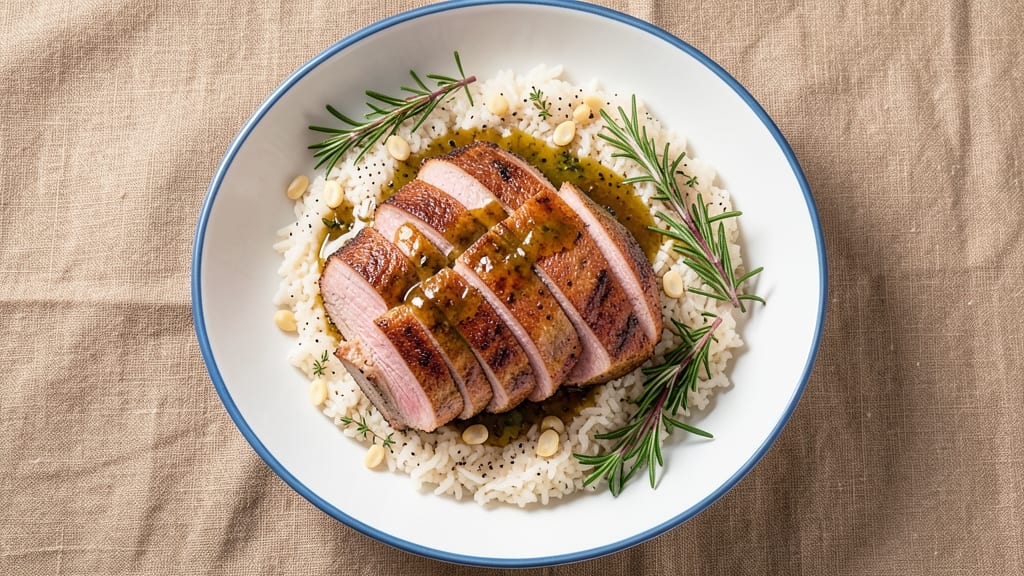
This pork tenderloin and rice recipe delivers a restaurant-quality one-pan meal with minimal effort—juicy, herb-infused pork paired with perfectly seasoned rice. The secret lies in a simple marinade that keeps the meat tender and flavorful, while the rice cooks alongside, absorbing all the aromatic goodness.
No fancy techniques required, just a cast-iron skillet and 45 minutes of hands-off time.
The recipe begins with searing the pork tenderloin to lock in juices before finishing it in the oven until it reaches 145°F—guaranteed to be moist and perfectly cooked.
Meanwhile, long-grain rice simmers in the same pan, infused with garlic, herbs, and just enough broth to create a fragrant, slightly sticky side. The result? A dish that’s elegant enough for company but simple enough for a weeknight.
What makes this recipe stand out is how effortlessly it comes together—no chopping onions or stirring constantly. The pork’s crusty exterior gives way to tender, flavorful meat, while the rice stays light and aromatic.
Serve with a squeeze of lemon or a sprinkle of fresh parsley for a bright finish that ties everything together.
Perfect for feeding a family or hosting dinner guests, this one-pan meal requires just 10 ingredients and delivers a satisfying, well-balanced plate. The best part? Leftovers reheat beautifully, making it ideal for meal prep. Let’s get cooking!
Ingredients for pork tenderloin and rice
Ten ingredients, one pan, restaurant-quality pork tenderloin and aromatic rice for a stress-free weeknight feast.
| Ingredient | Amount | Notes |
|---|---|---|
| Pork Tenderloin 🥩 | 1 ½ lb | Center-cut, trimmed of fat |
| Long-Grain White Rice 🍚 | 1 ½ cups | Uncooked, like jasmine or basmati |
| Chicken Broth 💧 | 2 cups | Low-sodium preferred |
| Fresh Rosemary 🌿 | ¼ cup | Finely chopped, stems removed |
| Fresh Thyme 🌿 | ¼ cup | Leaves only, stems discarded |
| Garlic Cloves 🧄 | 6 cloves | Minced, for marinade and rice |
| Extra-Virgin Olive Oil 🫒 | ½ cup | For searing and rice |
| Lemon Juice 🍋 | 2 tbsp | Freshly squeezed |
| Diamond Crystal Kosher Salt 🧂 | 1 ½ tsp | For seasoning, divided use |
| Ground Black Pepper 🌶️ | 1 tsp | Freshly cracked |
| Fresh Parsley 🌿 | ⅛ cup | Chopped, for garnish |
The pork tenderloin is the star—center-cut ensures tenderness, while trimming excess fat guarantees a clean sear. For the best quality, source from a trusted butcher or Whole Foods meat counter, where they often carry pre-trimmed cuts. Fresh herbs like rosemary and thyme elevate the dish; opt for organic varieties if possible, as their flavor is more pronounced. The garlic should be freshly minced for maximum aroma, and store-bought minced garlic lacks the same punch. For the rice, jasmine or basmati varieties hold up best to the one-pan cooking method, maintaining their distinct grains.
No fresh rosemary? Dried works at one-third the amount, but the texture will differ. Substitute thyme with oregano or marjoram if needed, though rosemary’s piney notes are irreplaceable. Short on chicken broth? Vegetable broth or water with a bouillon cube suffices, though flavor depth may vary. The olive oil should be extra-virgin—lower grades can impart bitterness. For a brighter finish, swap lemon juice for lime juice, though lemon’s acidity balances the dish better. If using pre-minced garlic, toast it first in the pan to deepen its flavor.
Marinate the pork for at least 30 minutes to tenderize, but no longer than 2 hours to prevent over-marinating. Store fresh herbs wrapped in damp paper towels in the fridge for up to 5 days—they’ll stay vibrant longer. The cooked pork and rice reheat beautifully; portion into containers for 3-4 days of meal prep. For longer storage, freeze the pork and rice separately for up to 3 months. Garnish with fresh parsley just before serving to maintain its vibrant color.
Why You'll Love This Recipe
- One-Pan Magic: I swear by this for nights when I’m too tired to wash another dish. Sear the pork, toss in the rice and broth, and let the oven do the rest—no chopping boards or crowded counters.
- Herb-Packed Punch: That rosemary and thyme? They turn simple pork into something ridiculously good. The pork stays juicy while the rice soaks up all the fragrant, savory broth—like a hug in a bowl.
- Meal Prep MVP: Between us, this is my go-to for lunches. Cook a big batch, and you’ve got four days of easy, satisfying meals. The flavors even get better the next day—honestly, I’ll eat leftovers before takeout.
- Budget-Friendly Feast: Pork tenderloin stretches far here, and rice keeps costs low. A single tenderloin feeds four, and the broth stretches the rice perfectly—no wasted ingredients, just pure, filling flavor.
Step-by-step instructions for herb-infused one-pan feast
This method delivers perfectly tender pork with aromatic rice in a single pan—minimal prep, maximum flavor.
Prepare the Herb Marinade and Season the Pork
In a small bowl, combine the 0.25 cup fresh rosemary, 0.25 cup fresh thyme, 6 cloves garlic cloves, 2 tbsp lemon juice, 0.5 cup extra-virgin olive oil, 1 tsp ground black pepper, and 0.75 tsp diamond crystal kosher salt. Whisk until fully emulsified—the oil should take on a vibrant green hue from the herbs. This marinade will infuse the pork with bright, aromatic flavors while keeping it tender.
Pat the 1.5 lb pork tenderloin dry with paper towels—this ensures a better sear. Rub the marinade generously over all sides of the pork, pressing it into the meat. Let it sit at room temperature for 15-20 minutes while you prepare the rice. The room-temperature marinade penetrates more evenly, guaranteeing juicy results.
Sear the Pork for Maximum Flavor
Heat a large, oven-safe skillet (preferably cast iron) over medium-high heat until it's smoking hot. Add the pork tenderloin and sear for 3-4 minutes per side until it develops a deep golden-brown crust. The crust isn't just for looks—it locks in moisture and adds layers of flavor. Press down gently on the pork during the first minute to prevent curling, which ensures even contact with the pan.
Once seared, remove the pork from the skillet and set it aside on a plate. You'll notice the marinade has caramelized slightly on the surface—that's the foundation of your dish's complex flavor profile. Don't wipe out the skillet; those browned bits will form the base for your rice.
Cook the Rice in the Pork's Flavorful Juices
Add the 1.5 cups long-grain white rice to the same skillet, stirring to coat it in the pork's rendered juices and caramelized marinade. Pour in the 2 cups chicken broth and bring to a gentle boil. The rice should sizzle and release its starches, creating a flavorful base. Reduce heat to low and cover the skillet tightly with a lid or foil.
Simmer for 15 minutes without peeking—this steam cooking method ensures perfectly fluffy grains. After 15 minutes, remove the lid and check the rice. If the liquid has been fully absorbed, you're ready for the final step. If not, cover and cook for another 2-3 minutes. The rice should be tender but still have a slight bite—this ensures it won't turn mushy when combined with the pork.
Finish the Pork and Combine with Rice
Return the skillet to medium heat and place the pork tenderloin back in the center of the rice. The residual heat will gently finish cooking the pork while absorbing the rice's flavors. Cover the skillet again and cook for an additional 8-10 minutes, or until the pork reaches an internal temperature of 145°F when measured with a meat thermometer. This temperature guarantees tender, juicy meat without overcooking.
Once done, remove the pork from the skillet and let it rest for 5 minutes on a cutting board. This resting period allows the juices to redistribute throughout the meat, ensuring each slice remains moist. Meanwhile, fluff the rice gently with a fork and stir in the remaining 0.75 tsp diamond crystal kosher salt. The rice should be fragrant with the herbs and have a light, fluffy texture.
Serve with Fresh Garnish
Slice the pork tenderloin into ½-inch thick medallions against the grain for maximum tenderness. Arrange the slices over the herb-infused rice and garnish with the 0.125 cup fresh parsley. The bright green parsley provides a fresh contrast to the rich, herbed pork and rice. Serve immediately while the pork is still warm and the rice retains its perfect texture.
This one-pan method delivers restaurant-quality results with minimal effort. The pork remains juicy and flavorful, while the rice absorbs all the aromatic herbs and caramelized pork juices. Each bite combines tender meat with fragrant, perfectly cooked grains—a true one-pan feast.
Pro Tips For Making Pork Tenderloin And Rice
- Sear First, Braise After: The pork’s natural juices will vanish if you skip this. Hit the tenderloin with a hot pan—just 2 minutes per side—until it’s golden, then pull it out and let it rest while you build the broth. I used to braise it straight away, and the meat always ended up dry.
- Pat That Pork Dry: Wet pork sticks to the pan like glue, and that’s how you ruin a crust. Grab paper towels and really work the surface—especially if the meat feels slick from the butcher’s wrap. Trust me, the difference in browning is night and day.
- Don’t Overcrowd the Rice: If you dump all the rice in at once, it’ll steam instead of toast. Toast it in batches—about ¼ cup at a time—until it’s translucent and smells nutty. I learned this the hard way when my rice turned out gummy and sad.
- Infuse the Broth Early: Toss the rosemary and thyme into the broth before adding the rice. The flavors will meld better, and you won’t have to worry about burning the herbs later. Sounds simple, but I used to add them at the end and wonder why the dish tasted flat.
Health benefits of pork tenderloin and rice
Lean Protein Power
Pork tenderloin is one of the leanest cuts of pork available, with just 3 grams of fat per 3-ounce serving—about half the fat of a typical pork chop. This makes it an excellent choice for a balanced meal, especially when paired with whole grains like rice.
The herb marinade adds flavor without extra calories, keeping this dish both satisfying and nutritious. 💪
Rich in Essential Vitamins
This recipe delivers a nutrient punch from both the pork and rice components. The pork provides vitamin B6 (critical for metabolism) and niacin (supports energy production), while the rice contributes manganese (supports bone health) and magnesium (aids muscle function).
The fresh herbs add vitamin K and vitamin C, boosting the dish's overall nutritional value.
Balanced Carbohydrates
The long-grain white rice serves as a complex carbohydrate source, providing sustained energy to complement the protein-rich pork. Unlike refined carbs, this rice maintains its fiber content when cooked properly, aiding digestion and helping you feel full longer.
The one-pan method preserves these nutrients by avoiding overcooking or excessive water rinsing.
Heart-Healthy Fats
The extra-virgin olive oil used in both the marinade and rice adds monounsaturated fats, which support heart health by improving cholesterol levels. These healthy fats also enhance the absorption of fat-soluble vitamins from the herbs.
The lemon juice in the marinade further contributes antioxidants, helping protect your cells from oxidative stress. 🍋
Low-Calorie Comfort
At just around 350 calories per serving, this dish delivers substantial protein and fiber without excessive calories. The herb-infused rice reduces the need for butter or heavy sauces, keeping the meal light yet satisfying.
This makes it perfect for those watching their calorie intake while still enjoying a flavorful, restaurant-quality meal.
Meal Prep Friendly
The combination of pork and rice reheats beautifully, making this an ideal meal prep option. The herbs and lemon juice help preserve freshness, while the balanced macronutrients provide sustained energy for busy days.
Portion into containers for 3-4 days of easy lunches, or freeze components separately for up to 3 months without significant quality loss. ✨
Nutrition facts
Frequently asked questions
Can I substitute brown rice for white rice in this recipe?
Yes, but you'll need to adjust the cooking time. Brown rice takes about 50% longer to cook than white rice—start checking for doneness after 25 minutes instead of 15 minutes. The flavor will be nuttier, but the texture will be denser. For best results, use 1.25 cups brown rice with 2.5 cups broth to account for its higher absorption rate.
How do I keep the pork tenderloin from drying out?
Never skip the resting time after cooking—let it rest for 5 minutes before slicing. Also, avoid overcooking: remove the pork when it reaches 145°F internal temperature. The one-pan method works because the rice steams the pork gently in its own juices. For extra moisture, brush the pork with a little olive oil before searing.
Can I make this recipe ahead of time?
Cook the pork and rice separately, then refrigerate in airtight containers for 3-4 days. Reheat in the microwave with a splash of water or in a skillet with a little broth to restore moisture. For longer storage, freeze the components separately for up to 3 months. The pork reheats best in the oven at 350°F for 10-15 minutes.
What's the best way to slice pork tenderloin for maximum tenderness?
Slice against the grain—look for the muscle fibers running lengthwise and cut perpendicular to them. Use a sharp knife and slice into ½-inch thick medallions. This shortens the muscle fibers, making each bite more tender. For even slices, freeze the pork for 15 minutes before slicing to firm it up slightly.
Can I use a different herb blend for the marinade?
Certainly! Try oregano and basil for Italian flavors or cilantro and lime for a Mexican twist. For a smoky profile, add 1 tsp smoked paprika to the marinade. Just maintain the same ratio of herbs to oil—½ cup total herbs for ½ cup olive oil. The key is balancing fresh and dried herbs properly (use ⅓ the amount of dried herbs if substituting).