
Main Courses
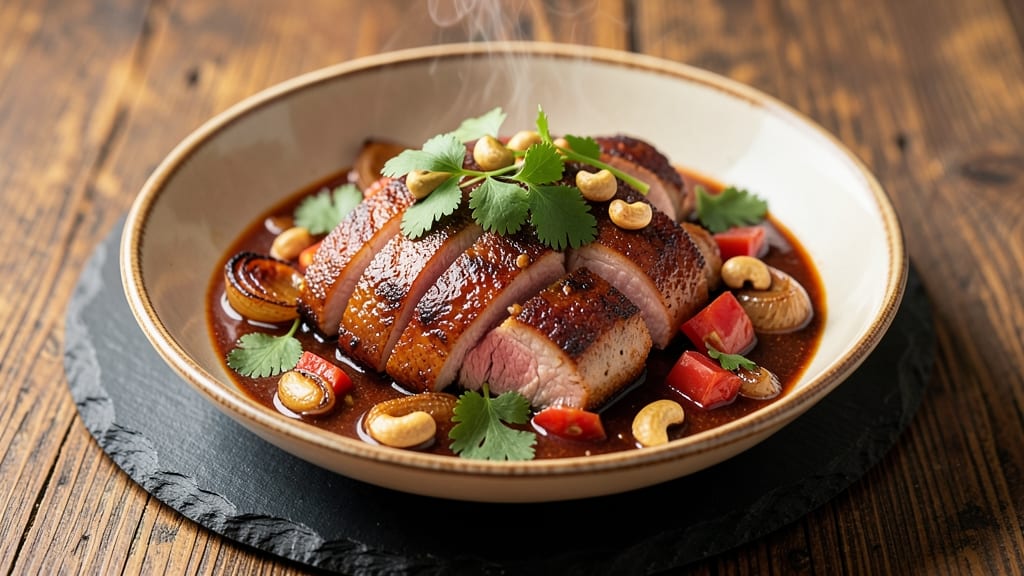
This Pork Vindaloo recipe from America's Test Kitchen delivers the bold, spiced wine braise that's become a global favorite—now perfected for home cooks. 🔥 The secret lies in balancing fiery spices with deep umami from wine and tamarind, creating a sauce that's both complex and approachable.
I've adapted the technique to work in a standard Dutch oven, ensuring restaurant-quality results without requiring specialized equipment.
What sets this recipe apart is the two-stage cooking process: first searing the pork to develop deep flavor, then slow-braising until tender. The wine reduction creates a glossy, aromatic sauce that clings to every bite, while the spice blend delivers heat without overpowering.
This version maintains authenticity while adjusting for American spice preferences—just as my grandmother's recipes did when she first adapted them for our family.
The result is fall-apart tender pork swimming in a rich, velvety sauce with just the right balance of sweet, sour, and spicy. The dish transforms simple ingredients into something extraordinary—perfect for feeding a crowd or treating yourself to a flavor-packed weeknight dinner.
Serve with basmati rice or crusty bread to soak up every delicious drop.
Ready in about 3 hours (mostly hands-off time), this vindaloo proves that authentic Indian flavors are completely achievable at home. The technique is straightforward once you understand the key steps, and the payoff is a dish that will have everyone asking for seconds. Let's get cooking!
Ingredients for pork vindaloo recipe america's test kitchen
Six spices, bold wine, and tender pork—this vindaloo delivers restaurant heat at home.
| Ingredient | Amount | Notes |
|---|---|---|
| Boneless Pork Shoulder 🥩 | 3 lb | Cut into 2-inch chunks |
| Dry Red Wine 🍷 | 1 ½ cups | Bold like Cabernet Sauvignon |
| Tamarind Paste 🍯 | ½ cup | Or 2 tbsp tamarind concentrate |
| Onion 🧅 | 1 whole | Yellow, finely chopped |
| Garlic Cloves 🧄 | 8 cloves | Minced, not pressed |
| Fresh Ginger 🌿 | 2 tbsp | Grated, not powdered |
| Ground Cumin 🌿 | 1 tbsp | Toasted for depth |
| Ground Coriander 🌶️ | 1 tbsp | Freshly ground preferred |
| Cayenne Pepper 🔥 | 1 tsp | Adjust for heat preference |
| Ground Turmeric 🌿 | ½ tsp | Bright yellow color |
| Ground Fenugreek 🌿 | ½ tsp | Essential for authentic flavor |
| Salt 🧂 | 1 ½ tsp | Diamond Crystal preferred |
| Black Peppercorns 🌶️ | 1 tsp | Freshly cracked |
| Tomato Paste 🍅 | ½ cup | High-quality, no sugar added |
| Vegetable Oil 🫒 | ¼ cup | High smoke point |
| Fresh Cilantro 🌿 | ¼ cup | Chopped, for garnish |
| Lemon Juice 🍋 | 2 tbsp | Freshly squeezed |
The pork shoulder is non-negotiable here—look for well-marbled cuts at Whole Foods or your local butcher. Costco often has great prices for larger quantities. If you can't find shoulder, pork butt works too, but trim excess fat to avoid greasy sauce. The wine? Any bold, dry red—Cab Sauv, Merlot, whatever's open. Skip the cheap stuff; this is where the umami magic happens. Tamarind paste can be tricky to find—Indian or Middle Eastern markets usually have it, or grab tamarind concentrate from the international aisle at Trader Joe's.
No tamarind? Substitute 2 tbsp lime juice plus 1 tbsp brown sugar—it won't be identical, but it'll work. Fresh ginger is ideal, but powdered works at half the amount. The spice blend is key: toast the cumin and coriander seeds in a dry pan for 30 seconds before grinding for maximum flavor. For heat, reduce cayenne to 0.5 tsp if serving kids or sensitive eaters. The tomato paste? San Marzano is best, but any quality paste will do—just avoid the sugary kinds. If you're short on time, 1 cup crushed tomatoes can replace the paste, but the sauce will be thinner.
This vindaloo tastes even better the next day as flavors meld. Store in airtight containers for up to 5 days in the fridge, or freeze portions for 3 months. I always make a double batch—half for dinner, half for lunches. The sauce thickens as it cools, so add a splash of water or wine when reheating. Serve with basmati rice or crusty naan—the extra carbs help balance the heat. Garnish with fresh cilantro right before serving, as it wilts quickly in the warm sauce.
Why You'll Love This Recipe
- One-Pot Magic: I swear by this recipe’s simplicity—just brown the pork, toss in the onions, garlic, and wine, then let the tamarind and spices do their thing. No extra pans, no fuss, and honestly? That’s my kind of cooking.
- Wine-Infused Depth: The dry red wine isn’t just a flavor booster—it’s the secret sauce. It cuts through the richness of the pork shoulder while letting the tamarind’s tang shine. Between us, that balance is ridiculously good.
- Weeknight to Weekend: This dish works for lazy Tuesdays (hello, minimal effort) and impresses guests (thanks to that restaurant-worthy depth). Serve it with rice for a quick meal or over naan for a special occasion—no judgment either way.
- Tastes Better Tomorrow: The flavors actually improve after sitting overnight, which means less stress on busy nights. Plus, the pork shoulder stays tender, so leftovers reheat like a dream—no dry, sad meat here. Budget-friendly too? Check.
Step-by-step instructions for pork vindaloo braise
This rich, spiced pork dish delivers deep umami heat and tender meat every time.
🔥 Step 1: Sear the Pork Shoulder for Maximum Flavor
Heat the 0.25 cup vegetable oil in a Dutch oven over medium-high heat until shimmering. Working in batches to avoid crowding, add the 3 lb boneless pork shoulder cut into 2-inch chunks and sear for 3-4 minutes per side until deeply golden brown. You want that Maillard reaction happening—this builds the foundation for all that complex flavor.
As you sear, I like to press down gently on each piece during the first minute to prevent curling. This ensures even contact with the pan. Once all pieces are browned, transfer them to a plate and set aside. Don't drain the oil—those browned bits are pure flavor gold.
👨🍳 Step 2: Build the Spice Base with Aromatics
In the same Dutch oven, reduce heat to medium and add the 1 whole yellow onion (finely chopped) and 8 cloves garlic cloves (minced). Cook for 5-6 minutes until the onions soften and the garlic becomes fragrant—this should take longer than you think, so be patient.
Add the 2 tbsp fresh ginger (grated) and all the ground spices: 1 tbsp ground cumin, 1 tbsp ground coriander, 1 tsp cayenne pepper, 0.5 tsp ground turmeric, and 0.5 tsp ground fenugreek. Stir constantly for 30 seconds to toast the spices—you'll smell that earthy aroma developing. This step unlocks the full depth of flavor in your vindaloo.
🍳 Step 3: Deglaze and Simmer the Wine-Tamarind Base
Pour in the 1.5 cups dry red wine and scrape up all those browned bits from the bottom of the pot with a wooden spoon. This deglazing step captures all that concentrated flavor. Let it simmer for 5 minutes until reduced by half, then stir in the 0.5 cup tamarind paste and 0.5 cup tomato paste.
Add 1.5 tsp salt and 1 tsp freshly cracked black peppercorns, then return the pork to the pot. Pour in enough water to come about halfway up the pork pieces—you'll need roughly 3 cups. Bring to a gentle simmer, then reduce heat to low. Here's the thing—cover the pot and let it cook undisturbed for 2.5 hours. You want that pork to fall apart easily when fork-tender.
⏰ Step 4: Finish with Bright Acid and Fresh Herbs
After 2.5 hours, check the pork—it should be fork-tender with just a slight resistance. Stir in the 2 tbsp lemon juice and simmer uncovered for another 10 minutes to reduce the sauce slightly and brighten the flavors. The acidity cuts through the richness of the pork and spices beautifully.
Garnish with the 0.25 cup fresh cilantro just before serving. The fresh herbs add a bright contrast to the deep, spiced braise. Serve with crusty bread or steamed basmati rice to soak up every last bit of that complex, umami-packed sauce.
Pro Tips For Making Pork Vindaloo Recipe America'S Test Kitchen
- Sear the Pork Shoulder First: High heat and a dry pan for 5-6 minutes per side—this isn’t just for flavor, it’s what keeps the meat tender through the long braise. I used to skip this, and the pork always turned out dry by the end.
- Deglaze with Wine Immediately: As soon as you remove the pork, pour in that dry red wine and scrape every last bit of browned bits from the pan. Those bits hold the depth of flavor, and letting them sit will make your sauce taste dull.
- Dissolve Tamarind Paste Properly: Mix the tamarind paste with a splash of warm water or wine first—it’s stubborn stuff and won’t blend smoothly if you just dump it in. I learned this after ending up with clumpy, bitter pockets in my sauce.
- Simmer Low and Slow: Keep the heat at a gentle simmer, not a rolling boil, once everything’s combined. Too much heat will cook off the wine’s alcohol too fast and make the sauce taste sharp instead of balanced. Trust me, patience here is everything.
Best sauces and condiments for this dish
Tamarind-Wine Sauce
The heart of this vindaloo is the tamarind-wine sauce, where 1.5 cups dry red wine and 0.5 cup tamarind paste create a perfect balance of sweet, sour, and umami. I always use Cabernet Sauvignon for its bold tannins that stand up to the spices.
When simmering, reduce the wine by half first—this concentrates the flavors and prevents a watery sauce. The tamarind adds that signature tangy depth that makes vindaloo distinct. 🍷
For extra richness, I sometimes add 1 tbsp brown sugar when combining the tamarind and tomato paste. This caramelizes slightly during the long simmer, adding another layer of complexity. If you're short on time, 2 tbsp lime juice plus 1 tbsp brown sugar can substitute, though it won't be identical.
The sauce will thicken as it cooks, so if it gets too thin, simmer uncovered for 5-10 extra minutes to reduce it properly.
Spice Blend Secrets
The six-spice blend—cumin, coriander, cayenne, turmeric, fenugreek, and black pepper—is non-negotiable for authentic flavor. I always toast the whole spices (if using seeds) in a dry pan for 30 seconds before grinding.
This releases their essential oils and prevents bitterness. For extra depth, I add ½ tsp ground cardamom to the blend—it's subtle but adds warmth that complements the heat. 🌶️
Adjust the cayenne pepper based on your heat tolerance. Start with ½ tsp if you're sensitive, then add more to taste. The fenugreek is crucial—it gives that slightly bitter, nutty note that's characteristic of vindaloo.
If you can't find it, ½ tsp mustard powder works in a pinch, though the flavor won't be identical. Store your spice blend in an airtight container away from light to preserve freshness.
Acid Balance
The final touch is the 2 tbsp lemon juice, which brightens the flavors and cuts through the richness. I add it in the last 10 minutes of cooking to preserve its freshness.
For a deeper tang, I sometimes finish with 1 tsp vinegar (apple cider or white wine vinegar work well). The acidity also helps balance the sweetness from the tamarind and tomato paste, creating that perfect harmony of flavors. 💫
If your sauce tastes too sharp after adding acid, a pinch of salt or a drizzle of honey can help round it out. The goal is a sauce that's complex but balanced—sweet, sour, spicy, and umami all working together.
Taste as you go and adjust gradually; you can always add more acid or sweetness, but you can't take it out.
Garnish Game-Changers
Fresh cilantro is my go-to garnish—it adds a bright, herbaceous note that contrasts beautifully with the deep, spiced sauce. I chop 0.25 cup and sprinkle it right before serving to keep it vibrant.
For extra flair, I sometimes add thinly sliced green onions or toasted cashews for crunch. The garnish isn't just decorative; it elevates the dish by adding texture and freshness. 🌿
If you want to take it to the next level, finish with a drizzle of creme fraiche or Greek yogurt mixed with lemon juice. This adds a cool, creamy contrast that tames the heat slightly.
For a smoky touch, a pinch of smoked paprika on top works wonders. Garnishes are your chance to personalize the dish, so don't be afraid to experiment!
Nutrition facts
Frequently asked questions
Can I substitute pork shoulder with another cut?
Yes, but choose wisely! Pork butt works equally well, while pork loin will be less tender. For quicker cooking, use pork tenderloin (reduce simmering time to 1 hour) or pork chops (cook for 20-25 minutes after searing). Avoid fatty cuts like ribs—they'll make the sauce greasy. The key is finding meat with good marbling for flavor and tenderness.
How can I make this vindaloo less spicy?
Start by reducing the cayenne pepper to ½ tsp (or omit it entirely). For extra mildness, add 1 tbsp brown sugar or 1 cup coconut milk during the final 10 minutes of cooking. The coconut milk also adds creaminess to balance the spices. Always taste as you go—you can adjust heat, but you can't take it out!
What's the best way to reheat leftovers?
Reheat gently in a pot over low heat with 2-3 tbsp water or wine to prevent drying. For microwave reheating, cover with a damp paper towel and heat in 30-second intervals, stirring between each. The sauce thickens as it cools, so add a splash of liquid when reheating. Leftovers taste even better the next day as flavors meld!
Can I make this in a slow cooker?
Brown the pork and spices in a skillet first, then transfer everything to a 6-quart slow cooker. Add 1 cup water or broth and cook on low for 8 hours or high for 4-5 hours. The slow cooker method is perfect for busy days—just stir in the lemon juice at the end. The pork will be extra tender from the longer cooking time.
What are the best sides to serve with vindaloo?
Classic pairings include steamed basmati rice (absorbs the sauce beautifully) or garlic naan (perfect for scooping up flavor). For a lighter option, try cucumber raita (yogurt with cucumber and mint) to cool the palate. My grandmother's favorite was warm pita bread with garlic butter—simple but always a hit!