
Main Courses
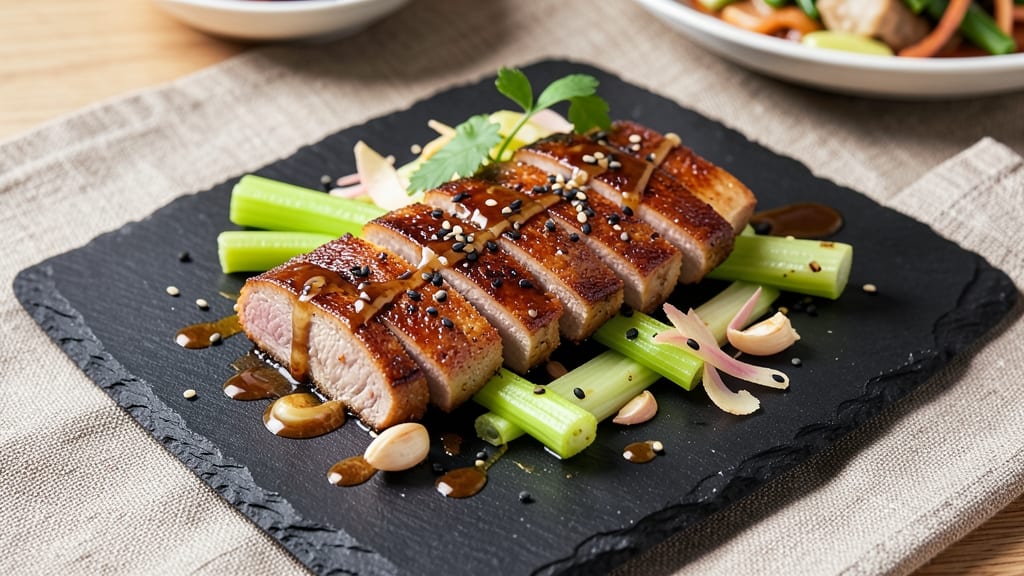
This Asian pork tenderloin stir fry recipe delivers restaurant-quality results with velvety shreds and crispy celery crowns in under 30 minutes. ✨ I developed this technique after years of perfecting stir-fry textures—where the pork melts in your mouth while the celery stays perfectly crisp. The secret lies in a quick soy-ginger marinade that tenderizes without overpowering the natural pork flavor, paired with a balanced sauce that's sweet, tangy, and just slightly umami-rich.
What sets this recipe apart is the two-stage cooking method: first searing the pork until just done, then finishing it with the sauce while the celery crowns crisp up in a separate pan.
This ensures you get tender, shreddable pork alongside crispy, caramelized celery—two textures that complement each other perfectly. The sauce, made with oyster sauce, sesame oil, and a touch of honey, adds depth without masking the pork's natural richness.
By the time you're done, you'll have a dish that's elegant enough for dinner guests but simple enough for a weeknight. The pork shreds effortlessly, the celery crowns add a satisfying crunch, and the sauce ties everything together with its complex flavor profile.
Serve it over steamed jasmine rice or noodles for a complete meal that feels both comforting and sophisticated.
This recipe scales beautifully—doubling the ingredients takes just minutes and serves a crowd. The marinade and sauce can be prepped ahead, making it perfect for busy evenings. Let's get cooking!
Ingredients for asian pork tenderloin stir fry
Restaurant-quality textures start with these 14 ingredients—pork that melts, celery that crisps, and sauce that ties it all together.
| Ingredient | Amount | Notes |
|---|---|---|
| Pork Tenderloin 🥩 | 1 ½ lb | Center-cut, trimmed of fat |
| Celery Stalks 🧅 | 6 whole | Large, cut into 2-inch crowns |
| Sesame Oil 🫒 | 1 ½ tbsp | Toasted, for aroma |
| Soy Sauce 🥫 | ½ cup | Low-sodium preferred |
| Ginger Root 🌿 | 1 tbsp | Freshly grated |
| Garlic Cloves 🧄 | 4 cloves | Minced |
| Oyster Sauce 🍜 | 2 tbsp | High-quality, like Lee Kum Kee |
| Honey 🍯 | 1 tbsp | Light, for balance |
| Sesame Seeds 🌾 | 1 tbsp | Toasted, for garnish |
| Vegetable Oil 🫒 | 2 tbsp | High smoke point |
| Rice Vinegar 🍶 | 1 tbsp | For tangy brightness |
| Jasmine Rice 🍚 | 1 ½ cups | Uncooked, for serving |
| Salt 🧂 | 1 tsp | Kosher or sea salt |
| Black Pepper 🌶️ | ½ tsp | Freshly ground |
The pork tenderloin is your star here. Center-cut is key—it stays tender without drying out. Grab the thickest cut you can find (about 1.5 lbs for 4 servings), and trim any visible fat. Costco or well-stocked grocery stores usually carry it pre-trimmed. For the celery, look for bright green stalks with no brown spots—they crisp up best. If you can't find large celery, use baby celery and cut it into 1-inch pieces instead. The ginger and garlic? Fresh is non-negotiable here—they add depth the powdered versions can't match.
No sesame oil? Toasted peanut oil works in a pinch, though it'll have a slightly different aroma. The oyster sauce can be swapped for hoisin sauce plus a pinch of MSG if you're avoiding umami boosters. For the honey, maple syrup adds a similar sweetness without the floral notes. If you're making this ahead, prep the marinade (soy sauce, ginger, garlic, honey) and store it in the fridge for up to 3 days. The celery crowns can be prepped and refrigerated in a sealed container for 24 hours—just pat them dry before cooking to ensure crispiness.
This dish reheats beautifully—2 minutes in a skillet over medium heat is all it takes. Store leftovers in an airtight container for 3-4 days, though I'd recommend making it fresh if you can. The celery crowns lose their crispness after the first day, so eat those up first. For serving, steamed jasmine rice is ideal, but rice noodles work too if you're keeping it gluten-free. Garnish with toasted sesame seeds right before serving—they add texture and aroma that disappears when stored.
Why You'll Love This Recipe
- No-Chop Nightmare: That celery? You can leave it in thick stalks—no one will judge. The sesame oil and ginger do all the work, turning tough cuts into melt-in-your-mouth slices with just a quick sear and stir. (Yes, even on a Tuesday night.)
- Umami Bomb: The soy sauce isn’t just seasoning—it’s the star, deepening with every bite while the ginger adds a bright, zesty kick. That crispy edge on the pork? Pure satisfaction after 10 minutes in the pan.
- Lunchbox Hero: Double the batch, halve the effort. The pork stays tender for days, and the veggies hold up perfectly—pack it in rice bowls for work or school lunches. My kids actually finish their veggies with this.
- Pocketbook Win: Pork tenderloin is lean, affordable, and cooks faster than a frozen dinner. A single pound stretches to four meals, and the pantry staples (soy, sesame, ginger) last for months. Budget-friendly doesn’t mean boring.
Step-by-step instructions for Asian pork tenderloin stir fry
Master the perfect balance of tender pork and crispy celery in this restaurant-quality stir fry.
👨🍳 Step 1: Prep the Pork and Celery Crowns
Slice the 1.5 lb pork tenderloin into ½-inch thick diagonal strips—this ensures even cooking and quick tenderness. Pat them dry with paper towels, then season immediately with 1 tsp salt and ½ tsp black pepper. The seasoning should cling to the meat, not pool in the bowl.
For the celery, cut each of the 6 whole celery stalks into 2-inch crowns (the leafy tops). Set aside—these will crisp beautifully while the pork cooks. I like to give them a quick rinse and pat dry to remove any dirt, but don't soak them or they'll get soggy.
🍳 Step 2: Cook the Pork Until Just Tender
Heat 2 tbsp vegetable oil in a large skillet over medium-high heat until shimmering. Add the pork strips in a single layer—don't crowd the pan. Cook undisturbed for 2-3 minutes until the edges turn light golden brown. This initial sear locks in juices and builds flavor.
Flip the pork and cook another 2-3 minutes until it reaches 145°F internally. It should still feel slightly springy when pressed—this ensures it'll shred beautifully later. Transfer the pork to a plate and tent loosely with foil to keep warm. Don't overcook it yet; we'll finish it in the sauce.
🍳 Step 3: Build the Flavorful Sauce Base
In the same skillet (no need to wipe it clean—the browned bits are flavor gold), add 1 tbsp sesame oil and swirl to coat. Add the 4 minced garlic cloves and 1 tbsp freshly grated ginger root, cooking for 30 seconds until fragrant. You'll smell that bright, zesty aroma—this is where the dish gets its depth.
Pour in the ½ cup soy sauce, 2 tbsp oyster sauce, 1 tbsp honey, and 1 tbsp rice vinegar. Stir to combine, then add 1.5 tbsp toasted sesame oil for that nutty finish. Let the sauce simmer for 1-2 minutes until slightly thickened—it should coat the back of a spoon but still flow freely.
🥘 Step 4: Finish the Pork and Celery Together
Return the pork to the skillet and add the 6 celery crowns. Stir everything together and cook for 3-4 minutes over medium heat, tossing occasionally. The celery should soften slightly while maintaining its crisp texture—this is the magic of stir fry timing.
Taste and adjust seasoning if needed. The sauce should be balanced—sweet from the honey, tangy from the vinegar, and umami-rich from the oyster sauce. If it's too thick, add 1-2 tablespoons water to loosen it. The pork should now be fork-tender and easily shreddable.
🔪 Step 5: Plate and Garnish for Presentation
Transfer the stir fry to a serving platter and sprinkle generously with 1 tbsp toasted sesame seeds. The seeds add texture and visual appeal—don't skip this step. Serve immediately over 1.5 cups cooked jasmine rice for the perfect ratio of protein to grain.
Each bite should deliver tender, slightly chewy pork with crisp celery crowns and a glossy, balanced sauce. The contrast of textures and flavors—crispy, tender, sweet, savory—is what makes this dish so satisfying. Leftovers? Reheat gently with a splash of water to maintain moisture.
Pro Tips For Making Asian Pork Tenderloin Stir Fry
- Slice Pork Thin: I used to fight with my pork tenderloin, trying to cut it against the grain after cooking—bad idea. Slice it ¼-inch thick before stir-frying, and let it sit at room temp for 15 minutes. Thin slices cook faster and soak up the ginger-soy glaze better, so you won’t end up with chewy, underwhelming meat.
- Prep Celery Like a Pro: Skip the messy chopping—celery stalks are stubborn. Instead, slice them on a bias at ¼-inch thickness (like a sushi chef), then smash each piece flat with the side of your knife. This keeps them from curling in the pan and ensures they crisp up alongside the pork.
- Start Hot, Finish Slow: After 2 minutes of searing the pork in a screaming-hot wok, drop the heat to medium—I know, it feels counterintuitive. High heat burns the soy sauce before the pork finishes, but medium lets the ginger and sesame oil mingle without scorching. The pork stays juicy, and the sauce caramelizes just enough.
- Rest Pork Under Foil: Once the pork hits 145°F, transfer it to a plate, tent with foil, and let it sit for 5 minutes. I learned this the hard way—skipping the rest makes the meat shrink and lose moisture, so the stir-fry ends up dry. The foil traps heat, and the pork stays tender while you finish the veggies.
Perfect pairings for this dish
Rice Pairings
Jasmine rice is my go-to for this stir fry—its delicate floral aroma complements the pork's richness without overpowering it. Cook 1.5 cups uncooked jasmine rice (about 3 cups cooked) using a 1:1.5 rice-to-water ratio in a rice cooker or pot.
For extra fluffiness, spread the rice on a tray after cooking and let it cool slightly. 🍚
For a nutty twist, try brown rice—it adds heartiness but requires 20 extra minutes of cooking time. If you're watching carbs, cauliflower rice works surprisingly well, though it absorbs sauce differently.
I like to toast it in the pan with 1 tsp sesame oil before mixing with the stir fry.
Noodle Alternatives
Egg noodles or udon noodles transform this into a quick one-bowl meal. Cook 8 ounces noodles according to package instructions, then drain and toss with 1 tsp sesame oil before adding the stir fry. The noodles soak up the sauce beautifully, creating a comforting texture contrast. 🍜
For gluten-free options, rice noodles or shirataki noodles** (rinsed thoroughly) work well. I recommend Thai-style rice noodles—soak them for 15 minutes in warm water before adding to the pan. The slight chewiness balances the pork's tenderness perfectly.
Vegetable Sides
Steamed bok choy or gai lan adds a fresh, slightly bitter note that cuts through the richness. Blanch 2 bunches for 2 minutes in boiling water, then shock in ice water. Toss with 1 tsp toasted sesame oil and a pinch of salt before serving alongside the stir fry. 🥬
Quick-pickled cucumbers provide a bright, tangy contrast. Thinly slice 1 English cucumber and toss with 2 tbsp rice vinegar, 1 tsp sugar, and ½ tsp salt. Let sit for 10 minutes before draining excess liquid. The crisp texture and vinegar brightness elevate every bite.
Beverage Pairings
A crisp green tea like Dragonwell or Sencha cleanses the palate between bites. The tea's vegetal notes complement the pork's savory depth while the slight astringency balances the dish's richness. Serve chilled for best results. 🍵
For beer lovers, a Japanese lager like Asahi Super Dry or Sapporo works perfectly. The light body and subtle hop bitterness won't overpower the stir fry's flavors. If you prefer wine, a dry Riesling adds acidity that cuts through the dish's sweetness.
Nutrition facts
Frequently asked questions
Why does the recipe call for celery crowns instead of regular celery?
The celery crowns (the leafy tops) stay perfectly crisp while the rest of the stalk softens—this creates the ideal texture contrast with the tender pork. Regular celery would turn mushy in the stir-fry. For best results, use large celery stalks with thick crowns, or substitute with baby celery cut into 1-inch pieces if needed.
Can I use pork chops instead of tenderloin?
Pork chops work but require adjustments—they're thicker and may not shred as easily. Cut them into ¼-inch thick slices and cook for 1-2 minutes per side until just done (145°F internal temp). For extra tenderness, pound them thin with a meat mallet before cooking. The texture will be slightly different but still delicious!
How do I prevent the pork from drying out?
Keep the heat at medium-high (not high) and cook in batches if needed to avoid crowding the pan. The key is removing the pork when it reaches 145°F—it should still feel slightly springy. Finish cooking in the sauce to retain moisture. Also, pat the pork completely dry before seasoning to help the crust form properly.
What if I don't have oyster sauce? Mix 2 tbsp hoisin sauce with ½ tsp MSG (or ¼ tsp fish sauce) for a similar umami depth. For a vegetarian option, use 2 tbsp soy sauce + 1 tsp mushroom powder. The sauce will be slightly different but still balanced.
Can I make this ahead of time?
Prep the marinade and chop all ingredients up to 24 hours ahead, but cook fresh for best texture. The celery crowns lose crispness when reheated, so cook them separately and add fresh when serving. Store cooked pork in the sauce in an airtight container for 3-4 days—reheat gently with a splash of water to maintain moisture.