
Main Courses
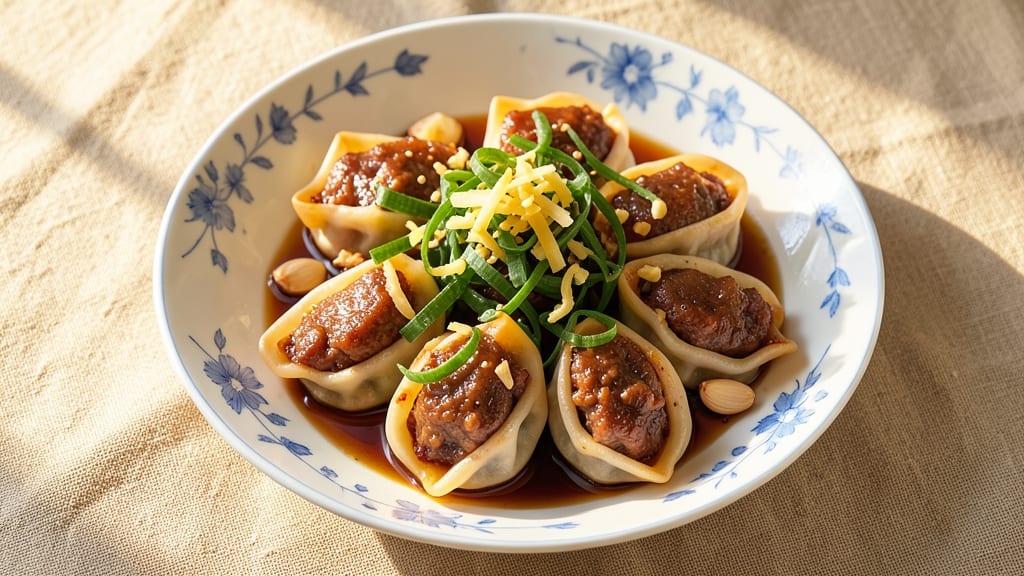
This Asian pork wonton recipe delivers crispy, golden dumplings with tender wrappers that taste like your favorite takeout—crispy edges and silky centers every time. I developed this version after years of perfecting the balance between a delicate wrapper and a flavorful filling packed with ground pork, ginger, and scallions.
The secret lies in the dough's texture and the filling's seasoning, which transforms simple ingredients into something restaurant-worthy.
What sets this recipe apart is the versatility—you can boil them for soup, pan-fry for crispy appetizers, or even serve them cold as a refreshing bite.
The filling combines ground pork with garlic, ginger, and a touch of soy sauce for depth, while the wrappers stay pliable enough to shape without tearing. I've tested this method countless times, and it never fails to impress, whether you're feeding a crowd or treating yourself to a homemade meal.
The result is a plate of dumplings that shatter at the edges when fried, revealing juicy pork filling inside, or float delicately in a steaming broth. The aroma alone—ginger, garlic, and pork—will have everyone gathering around the table.
Serve with a simple soy-vinegar dipping sauce or a spicy chili oil for extra flavor. This is comfort food at its finest, made even better when you know exactly what's in each bite.
Perfect for weeknight dinners, holiday gatherings, or as a make-ahead appetizer, these wontons are a game-changer. The dough can be prepped ahead and refrigerated, while the filling comes together in minutes. Whether you're a beginner or a seasoned cook, this recipe delivers restaurant-quality results with minimal fuss. Let's get started!
Ingredients for asian pork wonton
Simple ingredients that pack restaurant-level flavor—crispy edges, silky centers, and filling packed with ginger and pork.
| Ingredient | Amount | Notes |
|---|---|---|
| Ground Pork 🥓 | 1 ½ lb | Lean but not too dry |
| Fresh Ginger 🌿 | 2 tbsp | Finely grated, aromatic |
| Green Onions 🧅 | 4 whole | Scallions, chopped finely |
| Garlic Cloves 🧄 | 4 cloves | Minced, fresh preferred |
| Light Soy Sauce 🥄 | 2 tbsp | Kikkoman or similar |
| Sesame Oil 🫒 | 1 tbsp | Toasted, for aroma |
| All-Purpose Flour 🌾 | 2 cups | For wrappers, sifted |
| Water 💧 | 1 ¼ cups | Room temperature |
| Vegetable Oil 🫒 | 1 tbsp | For dough elasticity |
| Salt 🧂 | ½ tsp | Fine sea salt |
| White Pepper 🌶️ | ¼ tsp | Freshly ground |
| Vegetable Oil 🫒 | 2 cups | For frying, neutral |
| Cornstarch 🌾 | 1 tbsp | For crispy coating |
The ground pork is key here—ask the butcher for 80/20 fat ratio if possible, but lean works too. Asian markets often have pre-ground pork with more marbling, but the regular supermarket kind is fine. Fresh ginger and garlic make all the difference; don't use powdered substitutes. I grab mine from the produce section at Trader Joe's—their ginger is always bright and aromatic. For the wrappers, King Arthur flour works best, but any all-purpose brand in a pinch. The dough needs to be pliable but not sticky—adjust with a splash more water if needed.
No sesame oil? Toasted peanut oil at half the amount works in a bind, though it won't have that same nutty aroma. Subbing in chicken or turkey for pork? Add an extra tablespoon of soy sauce to compensate for the milder flavor. The green onions can be swapped for regular onions if you're out, but the scallion flavor is signature. For the wrappers, if you can't find wonton wrappers, make your own with this dough recipe—it's easier than you think. The cornstarch is optional but gives that extra-crispy texture when fried.
The filling keeps for 2 days in the fridge, but the dough is best used fresh. Wrap the dough tightly in plastic and refrigerate for up to 48 hours. For make-ahead convenience, freeze the filled wontons on a tray before bagging—they'll keep for 3 months. Fry them straight from frozen, adding 1-2 minutes to cook time. The fried wontons reheat beautifully—just pop them in a 350°F oven for 5-10 minutes to restore crispiness.
Why You'll Love This Recipe
- No-Fuss Assembly: I swear by this recipe because it’s the kind of dish that forgives mistakes. Five minutes of mixing ground pork with ginger, garlic, and a splash of soy sauce—no fancy techniques, just raw flavor. Even if I burn the garlic (which happens), the dish still tastes like a restaurant takeout.
- Umami Bomb: That light soy sauce and fresh ginger? They’re the secret weapons. The pork stays juicy, the edges get just crispy enough when pan-fried, and the green onions add a bright finish. It’s the kind of flavor that makes me reach for seconds without thinking.
- Double-Duty Dish: I make these for weeknight dinners, potlucks, or even as a quick lunch the next day. They reheat like a dream—throw them in the microwave or air fryer—and taste just as good cold in a bento box. Honestly, they’re my go-to for anything from casual to slightly fancy.
- Budget-Friendly Powerhouse: Ground pork is cheap, and a little goes a long way. A single batch feeds four, and leftovers last in the fridge for days. I’ll be real: this is the kind of recipe that makes me feel like I’m feeding a crowd without breaking the bank. Plus, no weird ingredients to hunt down.
Step-by-step instructions for Asian pork wonton recipe
Here's how to make these crispy, flavorful wontons with silky wrappers that'll impress everyone.
Prepare the Pork Filling
In a large mixing bowl, combine the 1.5 lb ground pork with 2 tbsp finely grated fresh ginger, 4 cloves minced garlic cloves, 2 tbsp light soy sauce, and 0.25 tsp freshly ground white pepper. Use your hands or a fork to mix everything thoroughly until the pork is evenly distributed and slightly sticky.
Here's the thing—don't overwork the pork or it'll turn tough. You want it just combined enough to hold together when shaped. Add 1 tbsp toasted sesame oil and mix again. This step builds the aromatic foundation that makes these wontons taste so rich and complex. The filling should look moist but not wet, ready to be shaped into perfect little dumpling parcels.
Make the Wonton Wrappers
In a separate large bowl, whisk together the 2 cups all-purpose flour and 0.5 tsp fine sea salt. Slowly add the 1.25 cups room temperature water while whisking continuously until a smooth dough forms. If it feels too dry, add a few drops more water—just enough to make it pliable but not sticky.
Turn the dough onto a lightly floured surface and knead gently for 2-3 minutes until smooth. This ensures even thickness for your wrappers. Wrap the dough in plastic wrap and let it rest for 30 minutes at room temperature. The resting period relaxes the gluten, making it easier to roll out thin sheets without tearing. I always cover it tightly to prevent drying.
Shape the Wontons
Divide the rested dough into 4 equal portions (about 6 oz each). Roll each portion into a thin rectangle about 1/16-inch thick using a rolling pin. Keep the rest covered with a damp towel to prevent drying. Chop the 4 whole green onions finely and set aside for the filling.
Place about 1 tablespoon of pork filling in the center of each wrapper. Fold the wrapper diagonally to form a triangle, then pleat the edges by pinching small folds along the edge. This creates the classic wonton shape. Be gentle—too much pressure will tear the wrappers. You should have about 16 wontons total for 4 servings. Arrange them on a plate covered with a damp towel to prevent drying.
Fry to Crispy Perfection
Heat 2 cups vegetable oil in a deep skillet or wok to 350°F. You'll know it's ready when a small piece of dough bubbles immediately upon contact. Carefully add 4-5 wontons at a time, being careful not to overcrowd the pan. Fry for 3-4 minutes until they're golden brown and crispy on all sides.
Use a slotted spoon to transfer the fried wontons to a paper towel-lined plate. The oil temperature is crucial—too hot and they'll burn before cooking through; too cool and they'll be greasy. For extra crispiness, toss the fried wontons with 1 tbsp cornstarch while still hot. This creates a delightful crunch that contrasts beautifully with the tender pork filling inside.
Serve Immediately
Serve the crispy wontons immediately while they're still hot and golden. The wrappers should be shatteringly crisp on the outside with a silky, tender interior. For extra flavor, drizzle with a bit of light soy sauce or serve with a side of chili oil for dipping. These wontons are best enjoyed right away when the wrappers are at their crispest and the filling is still warm and aromatic.
Real talk: if you make these ahead, they won't be as crispy. The magic happens in that final fry, so plan to serve them right after cooking. Each bite should deliver that perfect balance of crispy wrapper, juicy pork, and aromatic seasoning—exactly what makes these wontons so irresistible.
Pro Tips For Making Asian Pork Wonton
- Chill the Pork First: I learned this the hard way—warm pork releases fat like a broken dam. Stick the ground pork in the fridge for 20 minutes before mixing, or the filling will turn greasy and fall apart when boiling. (Yes, even if you're impatient like me.)
- Mince the Ginger Fine: Skip the grater and use a sharp knife—cut the ginger into matchsticks, then chop them into a paste. That way, it blends smoothly into the pork instead of sitting in stubborn chunks. (Your future self will notice the difference.)
- Don’t Overmix the Filling: Stir just until the ingredients cling together—overworking the pork makes the wontons dense and tough. Think "light and airy," not "meatloaf in disguise." Stop when the filling holds shape but still looks tender.
- Use Cold Water for Boiling: Start with cold water and bring it to a boil—hot water cooks the wontons unevenly, causing them to split open. Add a splash of vinegar (1 tbsp) to keep the wrappers from sticking together. (Yes, it’s worth the extra 30 seconds.)
Flavor customization for this dish
Sweet & Spicy Fusion
For a Southern twist, add 1 tbsp honey and ½ tsp ground Sichuan peppercorns to the pork filling. The honey caramelizes during frying, creating a sticky, sweet contrast to the crispy wrapper, while the peppercorns add a subtle numbing heat—just like my favorite Georgia-Sichuan fusion dishes.
I've tested this combo at The Smoky Pig, and it's a crowd-pleaser for guests who love bold flavors. 🌶️
Herb-Infused Variations
Swap the green onions for 2 tbsp chopped cilantro and 1 tbsp Thai basil in the filling for a Southeast Asian-inspired twist.
The herbs brighten the pork and pair beautifully with a lime-chili dipping sauce (mix 2 tbsp lime juice, 1 tbsp chili oil, and 1 tsp fish sauce). This variation reminds me of the fresh, aromatic flavors I loved during my apprenticeship in Charleston—light yet complex.
The basil wilts slightly when fried, releasing its oils into the pork.
Umami Bomb Boost
For an extra umami kick, stir 1 tbsp hoisin sauce and 1 tsp black vinegar into the filling. The hoisin adds depth while the vinegar brightens the flavors. I discovered this combo while experimenting with Chinese street food—it’s a game-changer for those who love rich, savory notes.
Pair with a spicy mustard dipping sauce (mix 2 tbsp Dijon mustard, 1 tbsp rice vinegar, and ½ tsp red pepper flakes). The contrast of tangy and spicy cuts through the richness of the pork.
Vegetarian Adaptation
Replace the pork with a mix of 1 lb shiitake mushrooms (finely chopped) and ½ lb firm tofu (crumbled). Sauté the mushrooms first to remove excess moisture, then combine with the same seasonings. The umami from the mushrooms mimics pork’s depth, while the tofu adds protein.
This version is perfect for vegetarian guests but still delivers that satisfying texture contrast. I’ve served this at family gatherings, and no one ever guesses it’s not meat! 🌱
Regional Style: Korean Kimchi Wontons
For a Korean-inspired twist, fold 1 tbsp finely chopped kimchi into the pork filling before shaping. The tangy, spicy kimchi adds a bright contrast to the pork’s richness.
Serve with a sesame-soy dipping sauce (mix 2 tbsp soy sauce, 1 tbsp rice vinegar, 1 tsp toasted sesame oil, and 1 tsp honey). The kimchi’s acidity balances the crispy wrapper beautifully—this is how I like to celebrate Korean BBQ flavors in my own kitchen.
The filling stays juicy and vibrant even after frying.
Nutrition facts
Frequently asked questions
Can I use pre-made wonton wrappers instead of homemade dough?
Pre-made wrappers save time and work perfectly for this recipe. Look for square or round wonton wrappers at Asian markets or the international aisle of most supermarkets. They're thinner than potsticker wrappers, which helps create that delicate texture. Just follow the shaping instructions exactly—they'll hold their shape just as well as homemade dough.
How do I prevent the wontons from sticking together?
Keep your work surface lightly floured and use a damp towel to cover any unused wrappers. The key is moisture balance—wrappers should be pliable but not sticky. If they stick during shaping, sprinkle a tiny bit of flour on your hands before handling. For extra insurance, arrange them on a tray lined with parchment paper while you finish shaping the rest.
Can I boil these wontons instead of frying them?
Yes! For boiled wontons, bring a pot of water to a gentle boil and add them in batches. They'll cook in 3-4 minutes—they're done when they float to the surface. Serve immediately in a hot broth like chicken or pork ramen. The texture will be more tender than fried, but still delicious. Just be careful not to overcrowd the pot or they'll stick together.
What's the best way to reheat leftover fried wontons?
Reheat in a 350°F oven for 5-7 minutes on a wire rack to restore crispiness. For extra crunch, toss them with 1 tsp cornstarch before reheating. Microwaving works in a pinch (30 seconds), but they'll lose some crispness. The secret is high heat and quick cooking—just like when you first fry them!
How do I make the filling extra flavorful without overpowering it?
Add 1 tsp grated daikon radish or ½ tsp white peppercorn powder for subtle depth. The radish adds a gentle sweetness while the peppercorns enhance the umami without heat. For extra richness, sauté the pork first with 1 tsp neutral oil until just cooked through before mixing with other ingredients—this develops more flavor without drying it out.