
Main Courses
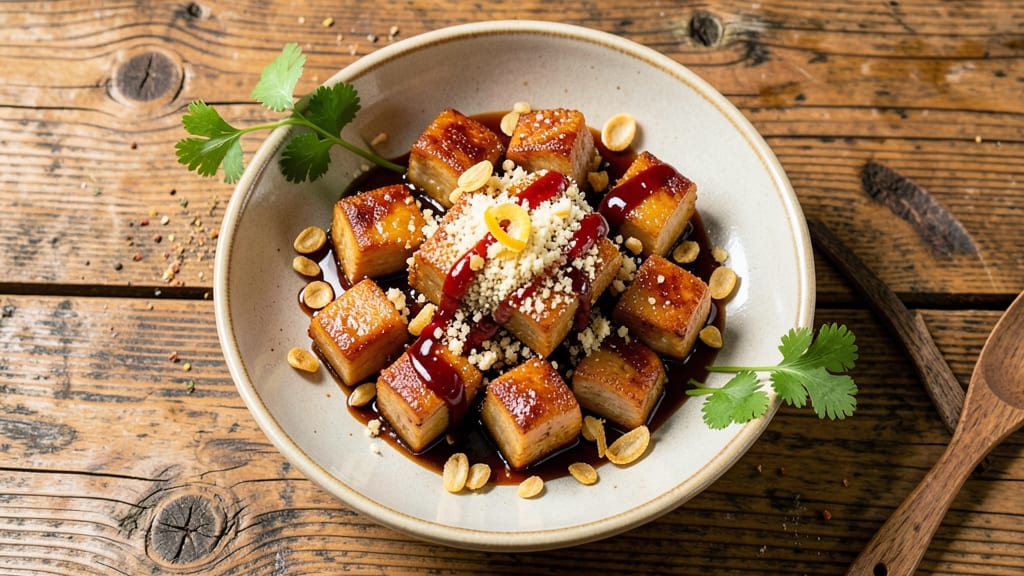
This Asian sticky pork belly recipe delivers the perfect balance of crispy edges and luscious caramelized glaze that'll have you reaching for seconds. After years of perfecting the technique—especially that crispy skin and tender interior—I've cracked the code for restaurant-quality results at home. The secret lies in a slow braise followed by a high-heat finish to create that signature sticky glaze.
What sets this recipe apart is the marinade—a blend of five-spice powder, soy sauce, and a touch of honey—that infuses the pork with deep, aromatic flavors. We'll braise it low and slow, then finish with a quick sear to render that irresistible fat cap while keeping the meat juicy.
The glaze? A reduction of oyster sauce, brown sugar, and a splash of rice vinegar that caramelizes into a glossy, clingy finish.
By the time you're done, you'll have pork belly so crispy on the outside it shatters like glass, with tender, melt-in-your-mouth meat inside, all coated in that addictive sticky glaze.
The aroma alone will have everyone gathering around your table—this is the kind of dish that transforms a simple meal into an unforgettable experience.
Serve it sliced thin over steamed jasmine rice with quick-pickled vegetables for brightness, or wrap it in fresh lettuce leaves for handheld bites. The contrast of textures and flavors makes every bite worth savoring. Let's get cooking—this pork belly is about to become your new signature dish.
Ingredients for asian sticky pork belly
Pork belly, aromatic spices, and a sticky glaze—this trio creates restaurant-quality flavor at home.
| Ingredient | Amount | Notes |
|---|---|---|
| Pork Belly 🥓 | 2 lb | Skin-on, cut into 1-inch pieces |
| Five-Spice Powder 🌶️ | 1 tbsp | For aromatic depth |
| Soy Sauce 🥄 | ½ cup | Kosher or tamari preferred |
| Honey 🍯 | 2 tbsp | For natural sweetness |
| Oyster Sauce 🍲 | ¼ cup | For umami richness |
| Brown Sugar 🍚 | ½ cup | Packed, for caramelization |
| Rice Vinegar 🍶 | 2 tbsp | For tangy balance |
| Garlic Cloves 🧄 | 6 cloves | Minced for marinade |
| Fresh Ginger 🌿 | ½ cup | Julienned for marinade |
| Jasmine Rice 🌾 | 2 cups | Uncooked, for serving |
| Vegetable Oil 🫒 | 2 tbsp | High smoke point for searing |
| Salt 🧂 | 1 ½ tsp | Kosher or sea salt |
| Black Pepper 🌶️ | ½ tsp | Freshly ground |
The pork belly is non-negotiable—skin-on is essential for that crispy finish. Look for thick-cut pieces with good marbling at Whole Foods or your local butcher. If you can't find it pre-cut, ask for it to be cubed into 1-inch pieces—this ensures even cooking. The five-spice powder? Penzeys has the best blend, but any good grocery store carries it. Fresh ginger and garlic should smell vibrant, not musty. I always grab extra because they're used in so many dishes—Trader Joe's has great pre-peeled ginger if you're short on time.
No oyster sauce? Soy sauce plus a splash of fish sauce works in a pinch, but the umami depth won't be the same. Brown sugar substitutes? Coconut sugar or white sugar both work, but brown sugar's molasses gives that caramelized color. The honey can be swapped for maple syrup if you're avoiding it. For the rice vinegar, white vinegar at half the amount is fine, but you'll lose some complexity. If you're making this ahead, marinate the pork for up to 24 hours—the flavors get even deeper.
This dish reheats beautifully—350°F for 15 minutes to revive the crisp. The glaze thickens as it cools, so add a splash of water if it gets too stiff. Store the pork belly in the fridge for 3-4 days or freeze for 3 months. I always make extra because it disappears fast—Costco sells pork belly in bulk if you want to stock up. The rice keeps for 1 week in an airtight container, and the marinade ingredients stay fresh for months if stored properly.
Why You'll Love This Recipe
- One-Pan Magic: The pork belly practically cooks itself—just score the fat, toss it on a sheet pan with five-spice and soy, and walk away. I’ve made this while watching movies; the crispy edges and sticky glaze do all the work.
- Sweet-Savory Balance: That honey-soy glaze? It’s the kind of flavor that lingers. The five-spice adds warmth, the oyster sauce brings umami depth, and the caramelized crust—oh, it’s dangerously good. My kids fight over the last bite.
- Meal Prep MVP: Make a double batch and store it in the fridge for up to five days. Reheat those slices in a pan for breakfast tacos or cold in rice bowls—it’s my go-to for lazy mornings or quick lunches. (Yes, even on a Tuesday night.)
- Budget-Friendly Feast: Pork belly stretches further than you’d think, especially when sliced thin. A single slab feeds four, and the leftovers reheat like a dream. Honestly, it’s the most practical way to treat yourself without breaking the bank.
Step-by-step instructions for Asian sticky pork belly
Here's how to create that perfect balance of crispy pork belly and glossy, caramelized glaze.
Prepare the Pork Belly and Marinade
Pat the 2 lb pork belly dry with paper towels—this helps the marinade cling better and promotes crispiness. Cut it into 1-inch pieces and place them in a large bowl. In a separate bowl, whisk together the 0.5 cup soy sauce, 2 tbsp honey, 0.25 cup oyster sauce, 0.5 cup brown sugar, 2 tbsp rice vinegar, 1 tbsp five-spice powder, 0.5 tsp black pepper, 6 minced garlic cloves, and 0.5 cup julienned fresh ginger. Pour this marinade over the pork belly and toss to coat evenly.
Cover the bowl with plastic wrap and refrigerate for at least 4 hours, or overnight if possible. This long marinating time ensures the pork belly absorbs all the flavors and becomes tender. The five-spice powder and ginger will infuse the meat with aromatic depth, while the honey and brown sugar start caramelizing the edges.
Sear the Pork Belly for Crispy Edges
Remove the pork belly from the refrigerator and let it sit at room temperature for 30 minutes before cooking. This helps it cook more evenly. Heat 2 tbsp vegetable oil in a large skillet over medium-high heat until shimmering. Working in batches if needed, add the pork belly pieces in a single layer, ensuring they don't overcrowd the pan.
Sear for 4-5 minutes per side until the edges are deep golden brown and the fat begins to render out. The pork belly should release easily from the pan—if it sticks, it's not ready yet. Transfer the seared pork to a plate and set aside. The rendered fat in the pan will become the base for your glaze, so don't wipe it out.
Simmer the Glaze to Perfection
Return the skillet to medium heat and add the reserved marinade from the bowl. Scrape up any browned bits from the bottom of the pan—they're packed with flavor. Bring the mixture to a gentle simmer and reduce it by half, which should take about 8-10 minutes. The glaze should thicken slightly and develop a glossy, caramelized appearance.
Once the glaze has reduced, return the seared pork belly to the skillet and spoon the glaze over the top. Cover the skillet with a lid and let it cook for another 5-7 minutes on low heat. This step ensures the pork belly finishes cooking evenly while absorbing the sticky, flavorful glaze. The pork should be tender enough to pierce with a fork, but still hold its shape.
Serve with Jasmine Rice
While the pork belly is simmering in the glaze, prepare the 2 cups jasmine rice according to package instructions. Fluffy, well-seasoned rice is the perfect base for this dish. Once the rice is cooked, transfer it to a serving platter and arrange the sticky pork belly pieces on top. Spoon any remaining glaze from the skillet over the pork belly to ensure every bite is coated.
Let the pork belly rest for 5 minutes before serving. This allows the juices to redistribute, making each bite even more tender and flavorful. The contrast of crispy edges and sticky, caramelized glaze paired with fragrant jasmine rice creates a dish that's both comforting and exciting. Enjoy immediately while the pork belly is at its best!
Pro Tips For Making Asian Sticky Pork Belly
- CRACK THE BELLY FIRST: Skip the pre-cooked shortcut—score the fat cap in a crosshatch pattern with a sharp knife before cooking. This lets the five-spice powder and honey penetrate deeper, giving you that signature caramelized crust and tender meat underneath. (Yes, it’s extra work, but the difference in texture is night and day.)
- USE DARK SOY SAUCE: Light soy sauce turns the glaze watery. Reach for dark soy sauce instead—it’s thicker, sweeter, and adds that glossy sheen without overpowering the pork’s richness. Mix it with the honey after the pork has rendered its fat, so the sauce sticks like glue.
- DON’T RUSH THE HONEY: After the pork belly browns, pull the pan off heat before adding honey. The residual heat will simmer the sauce into a sticky glaze without burning it into bitter syrup. (I learned this the hard way—three batches of charred honey will do that to you.)
- REST THE PORK: Let the cooked pork belly rest for 5–10 minutes under foil before slicing. This traps the juices and lets the five-spice powder settle into the meat. Cutting too soon means a dry, crumbly mess—no one wants that after all that work. (Your future self will thank you.)
Wine and beer pairings for these flavors
Rice Wine Harmony
For this dish, I always reach for a dry Chinese rice wine like Shaoxing wine—it mirrors the umami depth of the oyster sauce while cutting through the richness of the pork belly.
A ½ cup poured into the braising liquid during the final simmering stage elevates the dish to new heights. The wine's subtle floral notes complement the five-spice marinade beautifully. If you can't find Shaoxing, a dry sherry works in a pinch, though it lacks the same complexity. 🍷
Light Beer Balance
A crisp Japanese lager like Asahi Super Dry or Sapporo is my go-to beer pairing—its clean, slightly effervescent profile cleanses the palate between bites of sticky pork. The beer's mild bitterness also helps balance the dish's sweet-savory glaze.
For a local option, try a wheat beer with citrus notes, like Blue Moon, to mirror the rice vinegar in the recipe. Avoid heavy IPAs or stouts, as they'll overpower the delicate flavors.
Sake Elevation
Warm dry sake (around 150°F) poured over the finished dish at the table adds an authentic touch. The alcohol evaporates quickly, leaving behind a subtle umami aroma that enhances the pork's natural flavors. I like using Hakkaisan Junmai Daiginjo—its clean finish and gentle sweetness make it perfect.
For a non-alcoholic version, use sake lees (kasu) mixed with a splash of water to drizzle over the pork. This adds depth without altering the dish's texture.
Cocktail Pairings
For a festive touch, serve a Lychee Martini alongside the pork belly. Muddle 4 lychees with 2 oz vodka, 1 oz lychee liqueur, and ½ oz lemon juice, then shake with ice. The fruit's floral sweetness contrasts beautifully with the dish's savory-sweet profile.
Another winner is a Ginger Beer Smash—mix 2 oz gin, ½ oz fresh ginger juice, ½ oz lime juice, and 4 oz ginger beer over crushed ice. The spicy kick complements the five-spice marinade perfectly. 🍸
Regional Wine Twists
In Hong Kong-style versions, I've seen Moscato d'Asti used for its light effervescence and honeyed notes, which pair wonderfully with the caramelized glaze. For a Korean-inspired twist, try soju (a clear Korean liquor) chilled—its neutral profile lets the pork's flavors shine.
If you're serving this at a Southeast Asian feast, a Thai rice wine (ruam mit) infused with lemongrass adds a fragrant, herbal dimension that ties everything together.
Nutrition facts
Frequently asked questions
Why does the pork belly need to marinate so long?
The 4-hour minimum marinade time (or overnight) is key for two reasons: First, it tenderizes the tough fat and meat fibers, making the pork belly fork-tender. Second, it allows the five-spice powder and ginger to deeply penetrate the meat, creating that signature aromatic depth. The honey and brown sugar also start caramelizing on the surface during marinating, giving you a head start on that sticky glaze.
Can I substitute pork belly with another cut?
While pork belly is ideal for its fat content and texture, you can use pork shoulder or pork butt in a pinch—but expect less crispiness. Trim excess fat and cut into similar-sized pieces. For extra tenderness, increase the marinating time to 24 hours. The glaze will still work, but the texture contrast won't be as dramatic.
How do I get the pork belly extra crispy?
For maximum crispiness, sear the pork belly in small batches—this prevents steaming and ensures high heat contact. After searing, transfer to a 400°F oven for 10-15 minutes to render out the fat. For restaurant-style results, finish under a broiler for 2-3 minutes, watching closely to avoid burning. The secret? Pat it bone-dry before cooking and use a heavy skillet like cast iron.
What if my glaze isn't sticky enough?
If the glaze is too thin, simmer it uncovered for 2-3 extra minutes to reduce further. For a thicker consistency, mix 1 tsp cornstarch with 1 tbsp water, stir into the glaze, and cook for 1 minute until it thickens. Pro tip: Always reduce the glaze after removing the pork—it will thicken more as it cools. If it's still too thin, simmer with the pork uncovered for 5 minutes to evaporate excess liquid.
Can I make this ahead of time?
Cook the pork belly and glaze up to 2 days ahead and store in an airtight container. Reheat in a 350°F oven for 15-20 minutes, adding a splash of water to revive the glaze. For best texture, reheat in a skillet over medium heat to crisp the edges again. The flavors actually improve overnight as the marinade infuses deeper.