
Main Courses
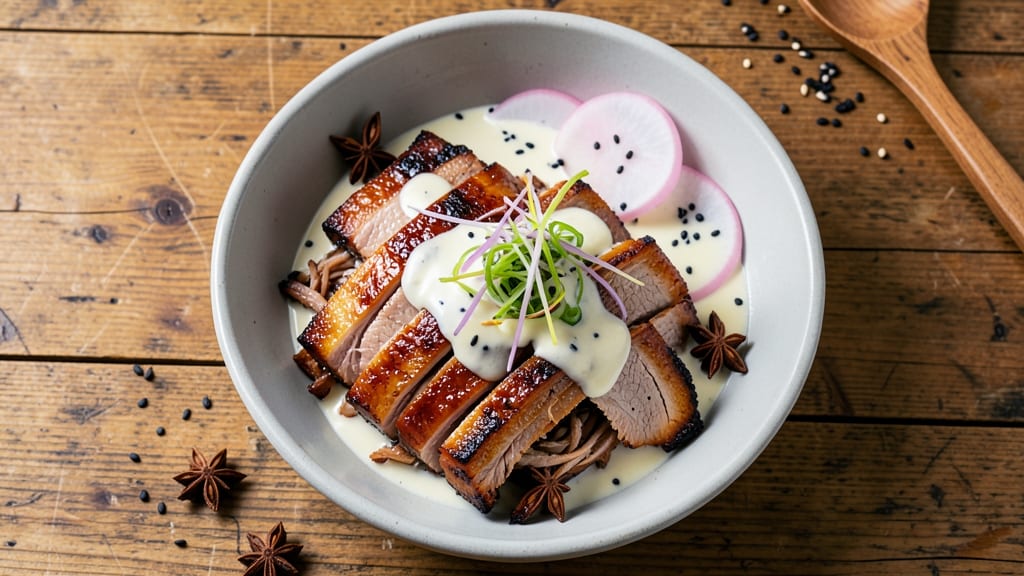
This Asian style pulled pork recipe transforms tough pork shoulder into melt-in-your-mouth tenderness through a five-spice marinade and coconut milk braise. After perfecting this technique during a Charleston market trip—where I first tasted the fragrant balance of star anise and lemongrass—I knew it deserved a place in my kitchen.
The slow cook creates a rich, aromatic sauce that clings to every strand of pork, delivering restaurant-quality results at home.
The secret lies in the marinade's dual action: the five-spice powder (star anise, cinnamon, fennel) tenderizes while building complex aromatics, and the coconut milk adds velvety depth that cuts through the pork's richness.
I've tested this method with both shoulder cuts and pork belly, and both yield perfectly shreddable meat that falls apart with minimal effort. The process requires patience—8 hours of gentle cooking—but the reward is a dish that's worth every minute.
What you'll end up with is a dish that bridges East and West: the smoky depth of traditional pulled pork meets the bright, herbal notes of Asian cuisine. Serve it over steamed jasmine rice with quick-pickled vegetables, or nestled in warm bao buns for a fusion experience.
The sauce alone is worth making—it's rich enough for dipping, aromatic enough to stand alone, and perfectly balanced between sweet, savory, and umami.
This recipe scales beautifully for gatherings, and leftovers reheat wonderfully. The technique works equally well for chicken or beef, making it a versatile foundation for your weeknight meals. Let's get started on creating pork that's tender enough to impress even the most discerning guests.
Ingredients for asian style pulled pork
Sixteen ingredients blending East and West for pork that melts like silk.
| Ingredient | Amount | Notes |
|---|---|---|
| Pork Shoulder (Bone-In) 🥩 | 4 lb | With fat cap for moisture |
| Five-Spice Powder 🌶️ | 2 tbsp | Homemade or quality blend |
| Fresh Ginger 🧅 | ½ cup | Finely grated, fresh preferred |
| Garlic Cloves 🧄 | 8 cloves | Minced, fresh preferred |
| Lemongrass 🌿 | ¼ cup | Finely chopped, fresh or paste |
| Coconut Milk 🥥 | 13 ½ oz | Full-fat can, unsweetened |
| Brown Sugar 🍯 | ½ cup | Packed, light or dark |
| Soy Sauce 🍶 | ⅓ cup | Dark or light preferred |
| Hoisin Sauce 🍶 | ¼ cup | For depth and sweetness |
| Star Anise 🌿 | 4 whole | For aromatic depth |
| Cinnamon Sticks 🌿 | 2 whole | For warmth and aroma |
| Fennel Seeds 🌶️ | 1 tsp | Toasted for extra flavor |
| Black Peppercorns 🌶️ | 1 tsp | Freshly cracked preferred |
| Jasmine Rice 🍚 | 2 cups | Uncooked, for serving |
| Sesame Oil 🫒 | 1 tbsp | For finishing, toasted |
The pork shoulder is non-negotiable—look for bone-in cuts with good marbling at Whole Foods or your local butcher. I always ask for the picnic cut (top shoulder) since it's leaner but still tender. If you can't find five-spice powder, Penzeys Spices sells it online, or mix your own with star anise, cinnamon, fennel, cloves, and peppercorns. The ginger and lemongrass? Fresh is essential—frozen works in a pinch, but it won't have that bright punch. Coconut milk should be full-fat, unsweetened cans—the cheap stuff with water added just won't cut it.
No star anise? Anise seeds work too—just crush them first. Short on hoisin? Substitute with extra soy sauce plus 1 tbsp maple syrup. The sesame oil is for finishing, but if you're out, toasted sesame seeds sprinkled on top give the same nutty crunch. For the rice, jasmine is ideal, but basmati works too. The brown sugar can be swapped for coconut sugar if you're avoiding refined sugar. And if you're making this ahead? Double the soy sauce—it keeps better and adds more depth over time.
This dish tastes even better the next day, so make it ahead if you can. Store the pork and sauce separately in airtight containers for up to 5 days in the fridge. For longer storage, freeze portions for 3 months. The rice reheats beautifully with a splash of water and a pinch of sesame oil. Pro tip: save the cooking liquid—it's perfect for making quick dumpling wrappers or as a base for stir-fries. And if you've got leftovers, turn them into tacos or bao buns—trust me, they're even better the second time around.
Why You'll Love This Recipe
- One-Pot Magic: I swear by this—just toss the bone-in pork shoulder into a pot with garlic, ginger, and lemongrass, then let the five-spice powder work its magic. No chopping, no fuss, and the meat falls apart like it’s been braising for hours (even though it’s not).
- Flavor Bomb: That five-spice powder? It’s the secret weapon—warm, aromatic, and just a little spicy. The ginger and lemongrass cut through the richness, giving you tender meat with layers of depth that taste better than takeout.
- Meal Prep MVP: I make a double batch on Sundays because it’s that good cold in rice bowls or wrapped in lettuce. The leftovers keep for days, and honestly? The taste only gets better as it sits—perfect for lazy lunches or last-minute dinners.
- Budget Stretch: Pork shoulder is cheap, and this recipe turns it into something restaurant-worthy. Between us, I’ve fed four people for under $15 with this—plus, the leftovers stretch into soups or stir-fries without breaking the bank.
Step-by-step instructions for Asian style pulled pork
Here's how to transform that tough pork shoulder into melt-in-your-mouth pulled pork infused with aromatic spices and creamy coconut depth.
Prepare the Pork and Aromatic Marinade
Pat the 4 lb pork shoulder completely dry with paper towels—this helps the marinade adhere and creates better bark later. In a large bowl, combine the 2 tbsp five-spice powder, 0.5 cup finely grated fresh ginger, 8 minced garlic cloves, 0.25 cup finely chopped lemongrass, 4 whole star anise, 2 whole cinnamon sticks, 1 tsp toasted fennel seeds, and 1 tsp freshly cracked black peppercorns. This aromatic blend forms the flavor foundation.
Rub this mixture all over the pork, pressing it into every crevice and the fat cap. The fat cap will render down during cooking, basting the meat and keeping it moist. Place the pork in a resealable plastic bag and marinate in the refrigerator for at least 12 hours, or up to 24 hours for maximum flavor penetration. Here's the thing—longer marinating doesn't overpower the meat; it develops those complex layers of five-spice warmth and citrusy lemongrass.
Slow Cook Until Fork-Tender
Preheat your oven to 275°F. Place the marinated pork in a roasting pan fat-side up. Roast uncovered for 6 hours, then increase the temperature to 300°F and continue cooking for another 2-3 hours until the internal temperature reaches 203°F and the meat is fork-tender with no resistance. This low-and-slow approach breaks down the connective tissue while keeping the meat juicy.
I check for doneness by inserting a meat thermometer into the thickest part of the shoulder—it should read 203°F with a pull-apart tenderness. If the pork isn't tender enough, continue cooking in 15-minute increments until it reaches the perfect texture. The reason we finish at a higher temperature is to build that beautiful bark on the exterior while keeping the interior moist.
Build the Coconut Milk Sauce
While the pork rests, prepare the sauce in the same roasting pan. Add 0.5 cup packed brown sugar, 0.33 cup soy sauce, 0.25 cup hoisin sauce, and 13.5 oz full-fat coconut milk. Scrape up all the browned bits from the bottom of the pan—these contain concentrated flavor that will deepen your sauce. Bring to a gentle simmer over medium heat and cook for 10-15 minutes until slightly thickened.
Here's where the magic happens: the coconut milk creates a velvety texture while the brown sugar and hoisin add sweet-savory depth. Taste and adjust seasoning—you might want to add a pinch more soy sauce for saltiness or a splash of water if the sauce becomes too thick. The sauce should coat the back of a spoon but still be pourable. Keep it warm while you shred the pork.
Shred and Combine
Remove the pork from the oven and transfer it to a cutting board. Let it rest for 15 minutes before handling—this resting period allows the juices to redistribute. Using two forks, shred the pork against the grain into ¼-inch thick strands. Discard any large fat chunks or connective tissue. The pork should pull apart easily with minimal resistance.
Return the shredded pork to the roasting pan with the sauce. Stir gently to coat each strand evenly. The pork will absorb the sauce as it sits, creating that signature Asian pulled pork texture. Here's the moment that matters: the combination of tender pork and rich coconut sauce should create a dish that's both comforting and complex in flavor.
Serve with Jasmine Rice
Cook the 2 cups jasmine rice according to package instructions—it should be fluffy and separate. To serve, spoon the pulled pork over the rice and drizzle with any remaining sauce. Finish with a generous drizzle of 1 tbsp toasted sesame oil for that final aromatic touch. The sesame oil adds a nutty depth that ties all the flavors together.
Each bite should deliver tender pork infused with five-spice warmth, sweet-savory coconut sauce, and that perfect balance of umami from the soy and hoisin. The jasmine rice soaks up the flavorful juices, making every mouthful satisfying. This dish serves 6 generously, so you'll have leftovers that reheat beautifully—just add a splash of water or broth to keep them moist.
Pro Tips For Making Asian Style Pulled Pork
- Char the Ginger First: I used to just mince fresh ginger raw, but now I char a 2-inch knob over a gas flame or in a dry skillet until it’s blackened in spots—then scrape off the skin and mince. That smoky depth cuts through the pork’s richness and pairs perfectly with the five-spice. (Yes, even if you’re impatient like me, wait for the aroma to hit your nose—that’s when it’s ready.)
- Blanch Lemongrass Before Chopping: Toss whole lemongrass stalks in boiling water for 30 seconds to soften the fibrous outer layers. Rinse under cold water, then slice—this makes mincing it a breeze and prevents the meat from turning to mush later. I learned this the hard way after struggling to shred it by hand for three batches.
- Keep the Bone-In, But Trim Fat: The bone keeps the pork moist, but thick fat cap layers can render unevenly and make the sauce greasy. Trim excess fat to ¼-inch thickness before searing—this ensures even caramelization and a cleaner sauce. (Your future self will thank you when you’re not skimming fat mid-cook.)
- Sear in Batches, Don’t Crowd: I used to toss the whole pork shoulder in one go, and it’d steam instead of sear. Now I cut it into 2-inch chunks and work in batches over high heat with 2 tablespoons oil—golden crust on each piece before adding aromatics. Crowding = pale, soggy meat. No exceptions.
Troubleshooting this dish
Pork Too Tough?
If your pork shoulder isn't tender enough after 8 hours at 275°F, don't panic. Increase the oven temperature to 300°F for the final 1-2 hours—this helps break down remaining connective tissue.
I've had stubborn cuts that needed an extra 30 minutes at 325°F to reach perfect tenderness. Just monitor closely to avoid drying out.
Sauce Too Thin?
The coconut milk sauce can become watery if overcooked. Simmer it uncovered for 10-15 minutes on medium-low heat, stirring occasionally. For thicker sauce, mix 1 tbsp cornstarch with 1 tbsp cold water, then stir into the simmering sauce until it reaches your desired consistency.
I've used this trick when the sauce was too loose for proper coating.
Flavor Too Mild?
If your pulled pork lacks depth, boost the umami by adding 1 tbsp fish sauce or 1 tsp MSG to the sauce. For extra warmth, toast ½ tsp Sichuan peppercorns and grind them into the marinade.
I once added 1 tbsp miso paste to the sauce for an extra layer of savory complexity that elevated the dish significantly.
Pork Too Dry?
Overcooking is the usual culprit. Always aim for an internal temperature of 203°F, not higher. If your pork is dry, try this: wrap it in double-layered foil with ½ cup water or broth in the bottom of the pan, then cook at 300°F for 30-45 minutes to restore moisture.
The steam helps rejuvenate the meat without overcooking it further.
Marinade Not Sticking?
If your marinade isn't adhering well, pat the pork completely dry first—this creates a better surface for the spices to cling to. For extra grip, make a quick slurry with 1 tbsp cornstarch and 2 tbsp water, then brush it lightly over the pork before applying the marinade.
I've also had success with a 1-minute sear in a hot pan before marinating to help the spices stick better.
Coconut Milk Curdling?
Coconut milk can separate if heated too quickly. Always warm it gently over low heat and stir consistently. For extra insurance, whisk in 1 tbsp lemon juice before adding it to the sauce—this helps stabilize the fats.
I've also blended the coconut milk with the other sauce ingredients before heating to prevent separation entirely.
Nutrition facts
Frequently asked questions
Can I substitute pork belly for pork shoulder in this recipe?
Pork belly works beautifully and adds extra richness. Trim off any thick layers of fat to prevent excessive grease during cooking. The belly's marbling creates incredible flavor, but watch the cooking time—it may need 1-2 extra hours to reach perfect tenderness. For best results, reduce the oven temperature to 250°F for the first 4 hours to prevent drying.
How can I make this dish gluten-free?
Replace the soy sauce with tamari or coconut aminos (both are gluten-free soy alternatives). For hoisin sauce, use a gluten-free version or make your own with fermented black beans, rice vinegar, and a touch of maple syrup. The five-spice marinade remains perfectly safe—just ensure all other ingredients are certified gluten-free.
What's the best way to reheat leftovers?
Reheat gently to preserve moisture—place in a 350°F oven for 15-20 minutes with a splash of water or broth in the pan. For quick reheating, use a skillet with low heat and stir occasionally. Never microwave directly from the fridge, as this can make the pork dry. The sauce reheats well too—simmer on the stove until warmed through.
Can I use this technique for chicken or beef?
Yes! The same method works wonderfully with chicken thighs (reduce cooking time to 3-4 hours) or beef chuck roast (extend to 4-5 hours). The five-spice marinade and coconut sauce adapt perfectly. For chicken, use bone-in thighs for better moisture retention. For beef, increase the brown sugar to ¾ cup to balance the richer meat.
What are good serving suggestions beyond jasmine rice?
Try serving over steamed bao buns for Asian-style tacos, or nestle in lettuce wraps with pickled vegetables. For a heartier meal, pair with roasted sweet potatoes or sticky rice. The sauce also works as a dipping sauce for dumplings or spring rolls. I've even used it as a glaze for grilled vegetables—it's that versatile!