
Main Courses
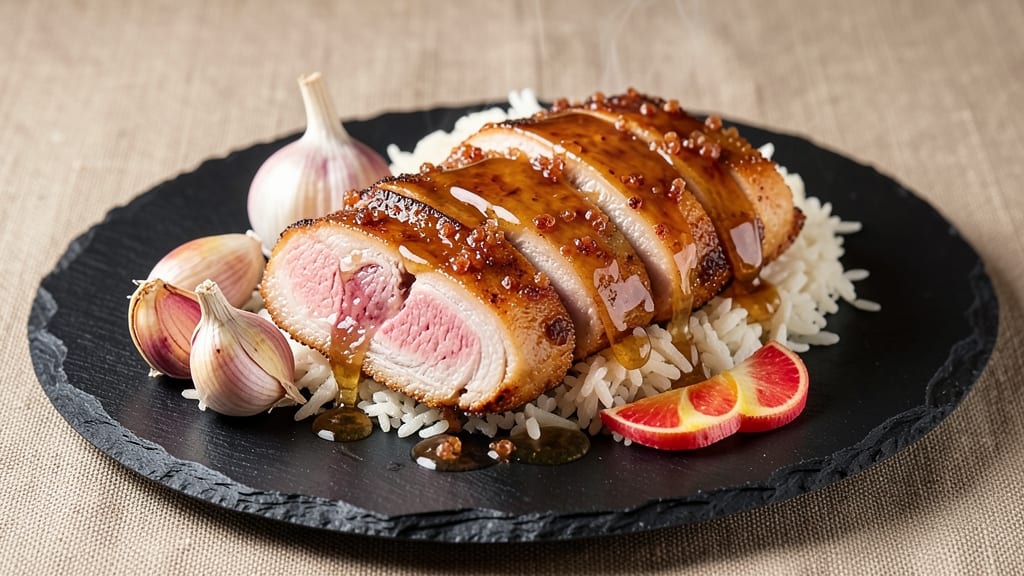
This Asian sweet pork recipe delivers the perfect balance of sticky-sweet glaze and tender meat that's become my go-to for weeknight dinners. 🔥 Growing up in Georgia, I learned how pork transforms with the right sauce—now I've adapted that philosophy to create this restaurant-quality dish at home.
The secret lies in marinating the pork overnight, allowing the honey-soy glaze to penetrate deeply while developing complex flavors that caramelize beautifully during cooking.
The process starts with a simple marinade of soy sauce, honey, garlic, and ginger that transforms tough pork shoulder into melt-in-your-mouth perfection. What makes this recipe special is the two-stage cooking method: first searing the pork to lock in juices, then slow-braising until it falls apart easily.
This technique ensures every bite has that signature sweet-savory flavor without being overly cloying.
By the time you serve this dish, you'll have perfectly tender pork that's glistening with a glossy, caramelized glaze—rich enough to satisfy but balanced with the right amount of acidity from the soy.
The aroma alone will have everyone gathering around your table, and the texture is exactly what you want: tender enough to shred easily but still holding together just enough to stay on your fork.
Serve with steamed jasmine rice to soak up every last bit of that delicious sauce, or pair with stir-fried greens for a complete meal. The leftovers reheat beautifully too, making this an excellent recipe for meal prep. Here's how to make it perfectly every time.
Ingredients for asian sweet pork
These simple pantry staples transform tough pork into melt-in-your-mouth sweet-savory perfection.
| Ingredient | Amount | Notes |
|---|---|---|
| Pork Shoulder 🐷 | 2 lb | Bone-in for flavor, cut into 1-inch chunks |
| Soy Sauce 🥢 | ½ cup | Low-sodium preferred for balance |
| Honey 🍯 | ½ cup | Wildflower for floral notes |
| Garlic Cloves 🧄 | 6 cloves | Minced for marinade |
| Fresh Ginger 🌿 | ¼ cup | Finely grated, peeled |
| Brown Sugar 🍚 | ¼ cup | Packed for caramelization |
| Rice Vinegar 🍶 | 2 tbsp | White vinegar substitute |
| Sesame Oil 🫒 | 1 tbsp | Toasted sesame for aroma |
| Olive Oil 🫒 | 2 tbsp | For searing pork |
| Green Onions 🧅 | ¼ cup | Sliced, for garnish |
| Salt 🧂 | 1 ½ tsp | Kosher or sea salt |
| Black Pepper 🌶️ | ½ tsp | Freshly ground |
| Jasmine Rice 🍚 | 2 cups | Uncooked, for serving |
| Water 💧 | 3 cups | For rice cooking |
The pork shoulder is your star—bone-in for flavor, but don't stress if you find boneless. Kroger or Whole Foods usually carry it pre-cut, but if you're buying a whole shoulder, ask the butcher to trim it into 1-inch chunks. The honey should be wildflower if you can find it—it's got that floral depth that pairs perfectly with soy. I grab mine from Trader Joe's in the bulk section. For the ginger, grab the fresh stuff (the jarred kind just doesn't cut it here). Look for knobby, firm rhizomes with no soft spots—those are the good ones that'll give you that zesty kick without bitterness.
No wildflower honey? Clover honey works fine, though it's slightly milder. Running low on rice vinegar? Apple cider vinegar at half the amount gets you close. Sesame oil giving you sticker shock? Skip it entirely—the dish will still be delicious, just missing that nutty aroma. The brown sugar can be swapped for white sugar (though you'll lose some caramel depth), and if you're feeling fancy, add a pinch of five-spice powder to the marinade. For the rice, jasmine is ideal, but long-grain white rice works in a pinch. Just don't use basmati—it's too light for this dish.
Marinate the pork overnight for maximum tenderness—trust me on this. The leftovers reheat beautifully in a skillet with a splash of water to keep things moist. Store cooked pork in an airtight container for up to 4 days in the fridge, or freeze for 3 months. I always make double batches because this dish disappears fast. The rice keeps for 3 days in the fridge too, so you can prep everything ahead of time. Garnish with fresh green onions right before serving—they add that bright pop of color that makes the dish look restaurant-quality.
Why You'll Love This Recipe
- One-Pan Magic: I swear by this—just toss the pork shoulder, garlic, and ginger in one pan, let the honey and soy sauce do their thing, and walk away. No chopping mountains of veggies or juggling pots; the pork caramelizes right there while you stir.
- Sweet-Savory Balance: That honey-soy glaze? It’s where the magic happens—sticky, aromatic, with just enough heat from the ginger to keep it interesting. The pork ends up tender with a crispy edge, and honestly? I’ll take that over dry, bland meat any day.
- Meal Prep MVP: Between us, this is my go-to for lunches. Cook a big batch on Sunday, and you’ve got flavorful leftovers for days—toss it in rice bowls, wrap it in lettuce, or just eat it straight with chopsticks. (Yes, even on a Tuesday night.)
- Budget Stretch: Pork shoulder is cheap, and this recipe stretches it into something special. A single cut feeds four, and the leftovers? Even better the next day. I’ll be real: my wallet thanks me every time I make it.
Step-by-step instructions for Asian sweet pork
This recipe delivers perfectly balanced sweet-savory pork with a caramelized glaze—every bite is tender, sticky, and packed with flavor.
🍳 Step 1: Marinate the Pork Shoulder for Maximum Flavor
In a large bowl, combine the 2 lb pork shoulder, 0.5 cup soy sauce, 0.5 cup honey, 6 minced garlic cloves, 0.25 cup finely grated fresh ginger, 0.25 cup packed brown sugar, 2 tbsp rice vinegar, 1 tbsp sesame oil, 1.5 tsp salt, and 0.5 tsp black pepper. Mix everything thoroughly until the pork is fully coated and the marinade clings to every surface.
Let the pork marinate in the refrigerator for at least 4 hours (overnight is even better). This long marinating time ensures the pork absorbs all the sweet and savory flavors, making it incredibly tender and packed with depth. I like to turn the pork a couple of times during marinating to ensure even flavor distribution.
🔥 Step 2: Sear the Pork for a Perfect Crust
Remove the pork from the marinade (reserve the marinade for later) and pat it dry with paper towels. Heat 2 tbsp olive oil in a large, heavy-bottomed skillet or Dutch oven over medium-high heat. Once the oil is shimmering, add the pork shoulder in a single layer and sear for 3-4 minutes per side until deeply golden brown.
You'll know it's ready when the pork releases easily from the pan—this crust is what locks in all those juices during cooking. Don't be tempted to move it around too much; let it develop that beautiful caramelized crust. If needed, work in batches to avoid overcrowding the pan.
🥘 Step 3: Braise Until Fork-Tender
Return the seared pork to the skillet and pour in the reserved marinade. Bring everything to a simmer over medium heat, then reduce the heat to low and cover the pan. Let it cook for 2 to 2.5 hours, turning the pork occasionally, until it's fork-tender and the sauce has thickened into a glossy glaze.
Here's the thing—I check the doneness by piercing the pork with a fork. If it slides in easily and the juices run clear, it's ready. The sauce should coat the back of a spoon and have that perfect balance of sweet and savory. If it looks too thin, uncover the pan and let it reduce for another 10-15 minutes on the stovetop.
🍽️ Step 4: Prepare the Jasmine Rice
While the pork is braising, rinse the 2 cups jasmine rice under cold water until the water runs clear. This removes excess starch and prevents the rice from becoming gummy. In a separate pot, combine the rice with 3 cups water and bring to a boil over high heat. Once boiling, reduce the heat to low, cover, and let it simmer for 15 minutes. Remove from heat and let it steam, covered, for another 10 minutes. Fluff with a fork before serving.
Real talk: Don't skip rinsing the rice. It makes a world of difference in texture. The rice should be fluffy and separate, not sticky or mushy. While it's cooking, you can use that time to finish the pork or prep any side dishes.
🔪 Step 5: Garnish and Serve
Once the pork is fork-tender, transfer it to a cutting board and let it rest for 10 minutes. This resting period allows the juices to redistribute, ensuring each bite is as moist as the first. While it rests, skim any excess fat from the sauce in the skillet, then stir in the 0.25 cup sliced green onions and heat through for 1 minute. Spoon this beautiful glaze over the sliced pork.
Slice the pork against the grain into ½-inch thick pieces and serve it over the fluffy jasmine rice. The contrast of the tender, sweet pork with the fragrant rice is what makes this dish so special. Garnish with extra green onions if you like, and don't forget to save some of that delicious glaze for drizzling on top!
Pro Tips For Making Asian Sweet Pork
- CRANK THE HEAT FIRST: Start your pork shoulder in a screaming-hot pan—no simmering, no gentle warming. The first 3 minutes of searing at medium-high (until deep golden) locks in flavor and caramelizes the meat’s surface before the sweet-savory sauce even touches it. I used to skip this, and the final dish always tasted flat—like someone forgot to turn on the oven.
- PEEL THAT GINGER THIN: Skip the usual thick slices—this isn’t a ginger stir-fry. Use a microplane or the side of your knife to shave it into paper-thin ribbons. It melts into the sauce faster, infuses every bite, and won’t leave you with chewy chunks. (Yes, even if you’re impatient like me.)
- DON’T DROWN THE PORK: The sauce should coat the meat, not swim in it. After the initial sear, reduce the honey and soy by half before adding the pork back in—you’ll end up with a glossy glaze, not a sticky mess. I learned this the hard way when my first batch turned into a soggy, overpowering puddle.
- REST IT UNDER FOIL: Pull the pork off the heat when it’s just pulling apart easily, then tent it with foil for 10 minutes. This lets the juices redistribute instead of leaking out onto your cutting board. I was skeptical until I tried it—now I never skip it, even when I’m hungry.
Perfect pairings for this asian sweet pork
Steamed Rice Pairings
Jasmine rice is my go-to because its delicate floral aroma complements the caramelized sweetness of the pork beautifully. For extra fluffiness, I use 2 cups uncooked jasmine rice with 3 cups water, steamed until perfectly tender.
The rice should be hot and fragrant when served—this helps cut through the richness of the pork glaze. 🍚
For a heartier option, try forbidden black rice from Trader Joe's. Its nutty, earthy notes add a sophisticated contrast to the sweet pork. If you're feeling adventurous, serve the pork over congee—a savory rice porridge that soaks up the glaze like a dream.
I've even seen this dish elevated with sticky rice dumplings in Thai-style presentations.
Stir-Fried Vegetables
Quick-pickled vegetables add a bright, tangy contrast that balances the sweetness. Toss 2 cups shredded napa cabbage and 1 cup shredded carrots with 1 tbsp rice vinegar, ½ tsp sugar, and a pinch of salt.
Let them sit for 15 minutes before serving alongside the pork. The acidity cuts through the richness perfectly. 🥬
For a hot option, stir-fry bok choy with 1 tbsp sesame oil, 2 minced garlic cloves, and a splash of water until wilted. The slight bitterness of the greens balances the sweet pork beautifully. I like to finish with a sprinkle of toasted sesame seeds for extra texture.
Asian-Inspired Sides
Miso soup is a classic pairing that adds umami depth without overpowering the dish. Simmer 1 tbsp white miso paste with 2 cups dashi broth and ½ cup tofu cubes until steaming.
Top with sliced green onions and a drizzle of sesame oil. The warmth of the soup complements the cool, slightly sticky pork. 🍜
For something lighter, serve with cucumber salad made from 2 sliced cucumbers, 1 tbsp soy sauce, 1 tsp sesame oil, and a pinch of red pepper flakes.
The crisp texture and mild heat create a perfect contrast to the tender pork. I always keep a batch in the fridge for quick assembly.
Beverage Pairings
A crisp green tea, like Sencha or Jasmine tea, cleanses the palate between bites. The subtle floral notes echo the honey in the glaze while keeping the meal light. For something stronger, a dry Riesling from Germany adds acidity that cuts through the sweetness. 🍷
If you prefer beer, a light lager like Asahi or Sapporo works wonders. The crisp, clean finish balances the richness without competing. For a non-alcoholic option, try yuzu soda—its citrusy sweetness complements the pork beautifully. I keep a bottle in my fridge just for this dish.
Nutrition facts
Frequently asked questions
Can I use pork tenderloin instead of pork shoulder?
Pork tenderloin works but requires adjustments. Since it's leaner and cooks faster, slice it into 1-inch thick pieces and reduce braising time to 45-60 minutes. The marinade should penetrate for at least 2 hours (not overnight) to prevent drying out. For best results, use 1 lb pork tenderloin and increase olive oil to 1 tbsp per piece for extra protection.
How do I adjust the sweetness for picky eaters?
Reduce honey to ¼ cup and brown sugar to 1 tbsp while keeping all other marinade components. For extra balance, add 1 tsp grated fresh ginger and 1 tsp rice vinegar to enhance savory notes. The pork will still be flavorful but less sweet. Taste the marinade before applying—it should be slightly sweet but not cloying.
Can I make this in a slow cooker?
After searing, transfer pork and marinade to a 6-quart slow cooker. Cook on low for 6-8 hours or high for 4-5 hours, stirring once halfway. The sauce will thicken naturally. For extra depth, add ½ cup water if it looks too dry during cooking. The texture will be slightly more tender than stovetop, but equally delicious.
What if my pork turns out too dry?
This usually happens from overcooking or skipping the marinade. For immediate fixes, shred the pork and stir in 1 tbsp soy sauce and 1 tsp honey with a splash of water to create a quick pan sauce. For prevention: Never exceed 2.5 hours of braising, and always marinate overnight. Bone-in cuts stay juicier—if using boneless, add 1 extra tbsp olive oil when searing.
Can I use this glaze on other meats?
Yes! This marinade works beautifully with chicken thighs (reduce cooking time to 30-45 minutes) or beef chuck roast (increase to 3 hours). For seafood, use only ½ the marinade time (30 minutes max) and skip the braising step—grill or pan-sear instead. The honey-soy balance enhances all these proteins, though pork remains the classic pairing.