
Main Courses
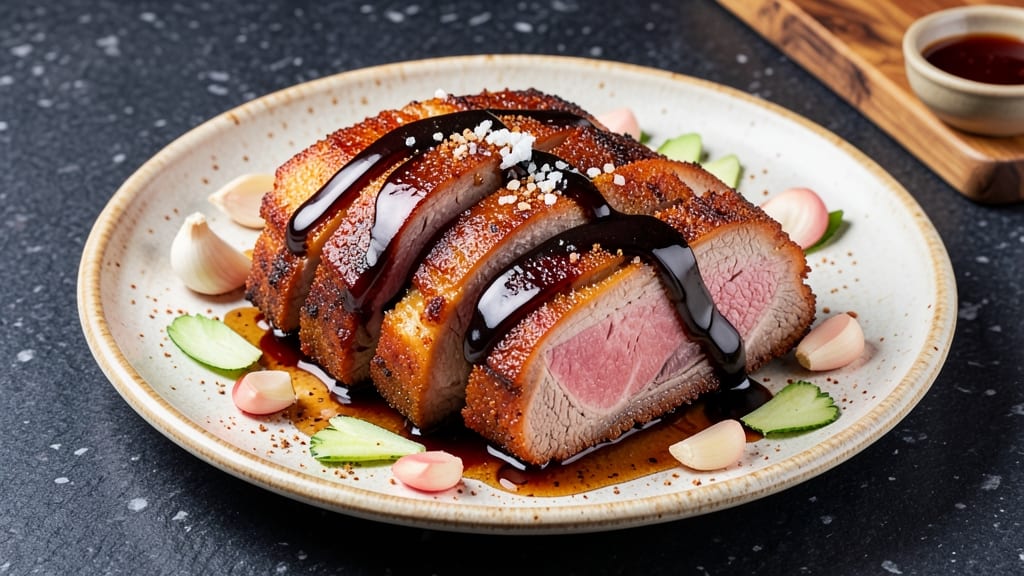
This authentic Chinese roast pork recipe delivers the same crispy, aromatic Char Siu you'd find in Hong Kong dim sum restaurants. 🔥 After years of perfecting the balance between tender meat and caramelized bark, I've developed a method that stays true to Cantonese tradition while being approachable for home cooks.
The secret lies in the five-spice marinade and precise roasting technique that creates that signature glossy, crackling exterior.
The process begins with a marinade of soy sauce, honey, and five-spice powder that transforms ordinary pork into something extraordinary. What sets this recipe apart is the dual cooking method—first searing the pork to lock in juices, then finishing it in the oven to develop that perfect crispy bark.
This isn't just another pork recipe; it's a celebration of Cantonese culinary tradition that brings restaurant-quality results to your home kitchen.
By the time you're done, you'll have perfectly tender pork with a deep red glaze and crispy edges that shatter at every bite. The aroma alone will have everyone gathering around your table, and the flavor profile—sweet, smoky, and slightly salty—is pure comfort food at its finest.
This is the kind of dish that becomes a family favorite and gets requested at every gathering.
Serve it sliced over steamed rice with pickled vegetables for the full Cantonese experience, or use it in sandwiches and stir-fries. The versatility of this roast pork makes it perfect for meal prep or special occasions alike. Let's get started on creating your own Char Siu masterpiece.
Ingredients for authentic chinese roast pork
Six ingredients transform ordinary pork into Cantonese Char Siu magic—crispy bark, tender meat, and aromatic five-spice harmony.
| Ingredient | Amount | Notes |
|---|---|---|
| Pork Shoulder 🐷 | 3 lb | Bone-in, cut into 2-inch chunks |
| Dark Soy Sauce 🥄 | ½ cup | High-quality for deep flavor |
| Honey 🍯 | ¼ cup | Pure, preferably local |
| Five-Spice Powder 🌶️ | 2 tbsp | Authentic Chinese blend |
| Garlic Cloves 🧄 | 8 cloves | Minced for marinade |
| Ginger Root 🌿 | 2 tbsp | Freshly grated, aromatic |
| Sesame Oil 🫒 | 1 tbsp | Toasted for nutty depth |
| Rice Vinegar 🍶 | 1 tbsp | For tangy balance |
| Brown Sugar 🍚 | 2 tbsp | Packed, enhances caramelization |
| Cornstarch 🌾 | 1 tbsp | For crispy bark |
| Red Food Coloring 🎨 | ½ tsp | Optional, for authentic look |
| Vegetable Oil 🫒 | 2 tbsp | High smoke point for searing |
| Steamed White Rice 🍚 | 3 cups | For serving, jasmine preferred |
The pork shoulder is non-negotiable here—bone-in stays juicier. Grab pork shoulder from Whole Foods or your local butcher for the best marbling. Look for cuts with visible fat; that's what renders into flavor. Five-spice powder is the soul of this dish—Penzeys or Asian grocery stores carry authentic blends. If you can't find it, mix 1 tsp each of star anise, cinnamon, cloves, fennel seeds, and Szechuan peppercorns. The soy sauce? Kikkoman or Lee Kum Kee dark soy sauce delivers that signature deep umami. Fresh ginger and garlic? Trader Joe's sells pre-minced jars, but freshly grated always wins.
No five-spice powder? Substitute with 1 tsp each of cinnamon, cloves, and fennel seeds—it won't be identical, but you'll still get that warm, earthy depth. Running low on honey? Maple syrup works in a pinch, though it's slightly less viscous. The red food coloring is optional but gives that classic Cantonese look—Wilton works perfectly. For a lighter glaze, reduce the honey by 1 tbsp and add 1 tbsp water to the marinade. The cornstarch is key for that crispy bark—don't skip it, even if you're not a fan of thickening agents. And if you're prepping ahead, marinate the pork overnight for maximum tenderness (the intro promises restaurant-quality results, after all).
This pork keeps beautifully—3 days in the fridge, 3 months frozen. Reheat in a skillet over medium heat with a splash of water to restore crispiness. For meal prep, slice against the grain and store in airtight containers. The marinade leftovers? Toss them into stir-fries or use as a glaze for tofu. And that leftover rice? Perfect for fried rice or congee. The intro mentions versatility—this dish truly delivers on that promise.
Why You'll Love This Recipe
- One-Pan Magic: I swear by this—just rub the pork shoulder with garlic, five-spice, and dark soy, then let the oven do the work. No flipping, no frying, no stress. That honey glaze caramelizes right on the pan while you’re doing laundry.
- Crispy-Creamy Obsession: The outside gets this addictive crackle from the roasting, while the inside stays juicy and tender. Honestly, the first time I bit into it, I nearly dropped the fork. That balance of smoky soy, sweet honey, and warm spices? Chef’s kiss.
- Leftover Legend: Between us, this dish begs to be made in bulk. The pork stays perfect for days—slice it for sandwiches, toss it in stir-fries, or just eat it cold. My freezer’s always stocked with portions because reheating it? Still tastes like a restaurant.
- Budget Hero: Pork shoulder is cheap, and this recipe stretches it far. A single roast feeds my whole family for two meals, and the spices cost pennies. Plus, the flavor makes it taste like you spent hours—when really, you just set it and forgot it.
Step-by-step instructions for authentic Chinese roast pork
Here's how to create that signature crispy bark and tender meat you crave—just like from your favorite Chinese restaurant.
👨🍳 Step 1: Marinate the Pork Shoulder for Maximum Flavor
In a large mixing bowl, combine the 0.5 cup dark soy sauce, 0.25 cup honey, 2 tbsp five-spice powder, 8 cloves minced garlic, 2 tbsp grated ginger root, 1 tbsp sesame oil, 1 tbsp rice vinegar, 2 tbsp brown sugar, and 0.5 tsp red food coloring (if using). Whisk vigorously until the brown sugar dissolves completely and the mixture becomes glossy.
Place the 3 lb pork shoulder in a resealable plastic bag and pour the marinade over it. Seal the bag tightly, massaging the marinade into every crevice of the meat. Refrigerate for at least 12 hours—I prefer 24 hours for maximum flavor penetration. This long marinating time ensures the pork absorbs all those aromatic spices and develops that signature red hue.
🔥 Step 2: Sear the Pork for Deep Flavor and Crispy Bark
Preheat your oven to 325°F. Remove the pork from the marinade (reserve the marinade) and pat it dry with paper towels—this step is crucial for that crispy bark. Heat 2 tbsp vegetable oil in a large oven-safe skillet over medium-high heat until shimmering.
Sear the pork on all sides until deeply golden brown, about 8-10 minutes total. The meat should release easily from the pan when ready to flip. This searing step creates a flavorful crust that locks in juices during roasting. Transfer the seared pork to a plate and pour the reserved marinade into the skillet, scraping up all those delicious browned bits from the bottom.
🥘 Step 3: Roast to Tender Perfection with Crispy Edges
Place the seared pork in the skillet back into the oven. Pour the reserved marinade over the pork, then sprinkle 1 tbsp cornstarch evenly over the top. This cornstarch creates that signature crispy bark while keeping the meat wonderfully tender inside.
Roast uncovered for 3 hours, then reduce heat to 275°F and continue roasting for another 1.5-2 hours until the internal temperature reaches 205°F (use a meat thermometer). The pork should be fork-tender with a deep mahogany crust. If the liquid reduces too quickly, add 1-2 tablespoons of water during the last hour to maintain moisture.
⏰ Step 4: Rest and Slice for Maximum Juiciness
Remove the pork from the oven and transfer it to a cutting board. Tent loosely with aluminum foil and let it rest for 30 minutes—this resting period allows the juices to redistribute throughout the meat, preventing them from running out when you slice.
Slice the pork against the grain into ¼-inch thick slices. The meat should be incredibly tender, almost falling apart, with a crispy exterior that gives way to juicy, flavorful meat. Serve immediately over 3 cups steamed white rice (jasmine preferred) with any accumulated juices from the skillet spooned over the top.
Pro Tips For Making Authentic Chinese Roast Pork
- CRANK THE HEAT FIRST: Start your pork shoulder in a screaming-hot pan—no simmering, no gentle warming. After the first sear, drop the heat to medium-low and let it cook slow. I used to rush this step and ended up with uneven browning and a bland crust. The initial high heat locks in juices while building that caramelized exterior.
- SLICE THE FAT CAP THIN: Use a sharp knife to trim the pork shoulder’s fat layer down to about ¼-inch thick before roasting. Too much fat? It’ll steam instead of crisp. Not enough? You miss the best flavor. My grandmother swore by this—yes, even if it looks like you’re butchering it—and the difference in texture is night and day.
- DON’T SKIP THE REST: Pull the pork off the heat when it hits 195°F (not 203°F—overcooking dries it out). Tent it with foil and let it sit for a solid 20 minutes. I know, I know, you’re eager to slice. But resist. The meat redistributes juices, and that’s when it gets tender enough to cut with a fork.
- USE A MIXTURE, NOT LAYERS: Don’t just slather honey and dark soy sauce on top—combine them with five-spice powder and minced garlic into a paste first. Rub it into the meat, not just on the surface. This ensures the spices penetrate instead of pooling at the bottom of the pan. I was skeptical until I tried it—now I won’t make it any other way.
Essential equipment for great authentic chinese roast pork
Essential Roasting Tools
You'll need a large oven-safe skillet (I use a 12-inch cast iron like my Lodge Pre-Seasoned) for that perfect crispy bark. The skillet's weight helps create even heat distribution while allowing you to transfer it directly from stovetop to oven.
A meat thermometer is non-negotiable—ThermoWorks Smoke is my go-to for accuracy during the long roast. 🌡️
Marinating Essentials
For marinating, grab resealable plastic bags (the Glad brand with double zipper works best) to ensure complete flavor penetration. A whisk (I prefer OXO Good Grips) helps emulsify the marinade perfectly.
For the five-spice powder, I recommend Penzeys Spices—their blend has that authentic warmth you can't get from generic substitutes. Store-bought dark soy sauce like Lee Kum Kee gives that deep umami punch.
Crispy Bark Secrets
The cornstarch (I use Bob's Red Mill) is what creates that signature crackling exterior. You'll also need paper towels for patting the pork dry before searing—Bounty works best because it absorbs moisture without leaving lint.
A fine-mesh strainer helps collect any drippings for basting. For that glossy finish, keep honey (local clover honey works best) and red food coloring (if using) handy.
Optional Pro Tools
If you're serious about Char Siu, consider a meat mallet (like Norpro) to tenderize the pork before marinating. A basting brush helps apply extra glaze during roasting—I love Silpat's silicone brushes for even coverage.
For presentation, jasmine rice (like Lotus Foods) elevates the final dish. And trust me, a carving knife (I use Wüsthof) makes slicing against the grain effortless. 💪
Nutrition facts
Frequently asked questions
Can I use pork loin instead of pork shoulder?
Pork shoulder is ideal because of its fat content and connective tissue, which creates tender, juicy meat with crispy edges. If you must use pork loin, marinate it for 48 hours and reduce the roasting time to 2-2.5 hours total to avoid dryness. Pork loin will be leaner, so baste it frequently with extra marinade during roasting.
Why does my roast pork turn out dry?
Dryness usually happens from overcooking or not resting the meat. Use a meat thermometer and remove the pork when it hits 205°F—it will continue cooking while resting. Always pat the pork dry before searing, and don't skip the cornstarch for that crispy bark that seals in moisture. If using pork loin, roast at 275°F instead of 325°F.
How do I get that glossy red glaze like in restaurants?
The gloss comes from the honey and cornstarch combination, plus proper basting. After searing, brush the pork with reserved marinade every 30 minutes during roasting. For extra shine, add 1 tsp red food coloring to the marinade or glaze the pork with a mix of 1 tbsp honey + 1 tsp water before serving. The final touch is slicing against the grain—this exposes more surface area for the glaze.
Can I make this in a slow cooker?
While possible, it won't give you that signature crispy bark. For slow cooker version, sear the pork first, then cook on low for 6-8 hours with the marinade. After cooking, broil for 5-10 minutes to crisp the edges. The meat will be tender but lack the caramelized exterior. For best results, stick with the oven method for authentic texture.
What's the best way to reheat leftovers?
Reheat in a skillet over medium heat with 1 tbsp water for 3-5 minutes per side to restore crispiness. For oven method, wrap slices in foil with a splash of water and bake at 350°F for 10-15 minutes. Never microwave—it turns the pork rubbery. Store leftovers in airtight containers for up to 3 days or freeze for 3 months.