
Main Courses
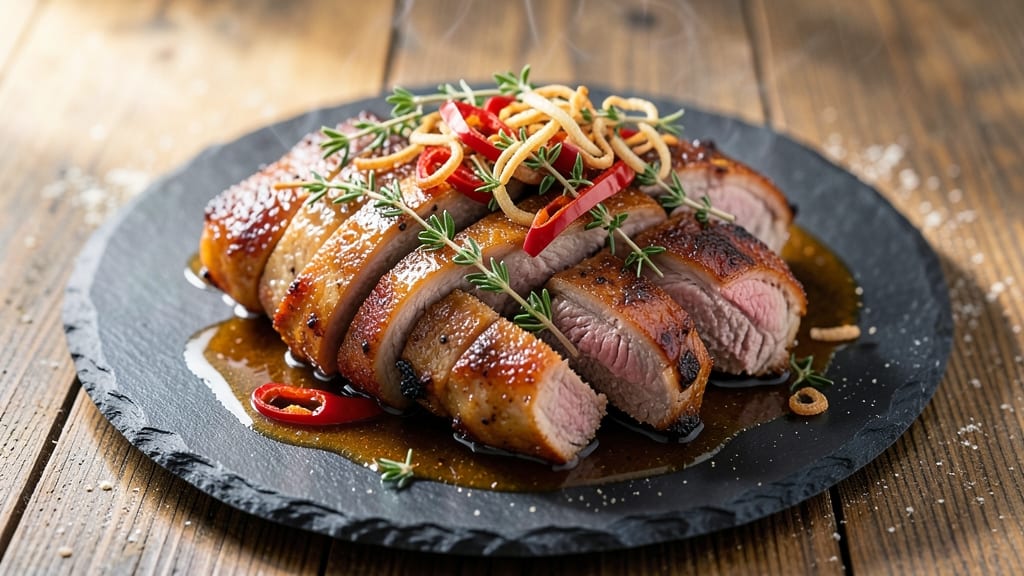
This authentic jerk pork recipe brings the bold, smoky flavors of Jamaica straight to your grill—where fiery-sweet rub meets tender pork for a dish that’s as vibrant as the island itself. I’ve perfected this technique over years of cooking at The Smoky Pig, where we transform tough cuts into melt-in-your-mouth perfection with a rub that clings to every bite. The secret lies in balancing Scotch bonnet peppers, allspice, and thyme while keeping the meat juicy through low-and-slow cooking.
The magic starts with a marinade that’s equal parts sweet and spicy, using soy sauce and brown sugar to caramelize the edges while vinegar keeps the meat tender. Whether you grill, bake, or smoke, the key is patience—letting the rub develop deep, complex flavors over time.
I’ve tested this with pork shoulder (my favorite) and ribs, both yielding irresistible results that’ll have your guests begging for seconds.
By the time you serve it, you’ll have succulent pork with a glossy, caramelized crust, served alongside classic sides like rice and peas or fried plantains. The aroma alone—smoky, citrusy, and slightly sweet—will transport you to a Jamaican beachside feast.
This isn’t just a recipe; it’s an experience that delivers restaurant-quality jerk pork at home.
Pair it with lime wedges and fresh cilantro for brightness, and don’t skip the Scotch bonnet peppers on the plate—trust me, they’re the finishing touch that makes it authentic. Let’s get cooking!
Ingredients for authentic jerk pork
Six pounds of pork shoulder and bold Jamaican flavors transform into restaurant-quality jerk pork at home.
| Ingredient | Amount | Notes |
|---|---|---|
| Pork Shoulder 🐖 | 3 lb | Bone-in for flavor, cut into 2-inch chunks |
| Scotch Bonnet Peppers 🌶️ | 2 whole | Seeds removed for less heat |
| Allspice Berries 🌿 | 2 tbsp | Ground for convenience, whole preferred |
| Fresh Thyme 🌿 | ¼ cup | Stems removed, finely chopped |
| Garlic Cloves 🧄 | 6 cloves | Peeled and minced |
| Brown Sugar 🍚 | ½ cup | Light or dark, packed |
| Soy Sauce 🥢 | ¼ cup | Low-sodium preferred |
| White Vinegar 💧 | ¼ cup | For tenderizing |
| Ground Ginger 🌿 | 1 tbsp | Freshly grated better |
| Onion Powder 🧅 | 1 tbsp | For depth |
| Ground Cinnamon 🌿 | ½ tsp | For warmth |
| Salt 🧂 | 2 tbsp | Diamond Crystal preferred |
| Black Peppercorns 🌶️ | 1 tsp | Freshly cracked |
| Olive Oil 🫒 | ¼ cup | For marinade |
| Lime Juice 🍋 | ¼ cup | Freshly squeezed |
The pork shoulder is the star—bone-in cuts add flavor, but boneless works too. I always grab mine from Costco for the best price and quality, but any grocery store with a butcher section will have it. Look for cuts with good marbling—they stay juicier during the long cook. Scotch bonnet peppers are non-negotiable for authentic flavor, but if you can't find them, habanero is the closest substitute. Just handle with gloves—they're spicy! For the allspice, Penzeys Spices sells whole berries that you can toast and grind yourself for deeper flavor, but pre-ground works in a pinch.
No Scotch bonnet? Habanero or serrano peppers bring similar heat, though the flavor won't be identical. The vinegar is crucial—it tenderizes the meat while adding tang. I always use apple cider vinegar for a touch of sweetness, but white vinegar works fine. Fresh thyme is ideal, but dried thyme at one-third the amount gets you close. For the soy sauce, Kikkoman is my go-to, but any good-quality brand works. The brown sugar should be packed—don't scoop it loosely. If you're short on time, maple syrup can replace half the sugar for a deeper caramelization.
Marinate the pork overnight for best results—24 hours maximum in the fridge. The rub keeps well in an airtight container for 1 week in the pantry, so make extra for future meals. Leftover jerk pork reheats beautifully—350°F for 10 minutes or until warmed through. Store cooked pork in the fridge for 4 days or freeze for 3 months. I always portion mine into containers with a side of rice and peas—ready for quick lunches all week.
Why You'll Love This Recipe
- One-Pot Magic: I swear by this recipe because it’s all in one pan—no fancy prep, no extra bowls. Just toss the pork shoulder in with the Scotch bonnet and allspice, let the oven do the work, and boom. Minimal chopping, zero cleanup stress. (Yes, even on a Tuesday night.)
- Flavor Bomb: That first bite? Chef’s kiss. The Scotch bonnet brings the heat, but the allspice and thyme mellow it into something rich and smoky—like a hug in spice form. The garlic? It’s the secret weapon that ties everything together.
- Leftovers? Please.: This stuff tastes better the next day. Cold slices on toast? Heaven. Wrapped in a tortilla with rice? Even better. I make a double batch just so I can enjoy it twice—no sad takeout nights here.
- Budget Hero: Pork shoulder is cheap, but it feels like a splurge. A single cut feeds four, stretches into meals for days, and the spices? You’ll use them again. Honestly, it’s the kind of recipe that makes grocery shopping feel like a win.
Step-by-step instructions for authentic jerk pork
Here's how to build a rub that delivers Jamaican-style heat and sweetness in perfect balance.
Prepare the Jerk Marinade
In a food processor or blender, combine the 2 whole Scotch bonnet peppers, 2 tablespoons allspice berries, 0.25 cup fresh thyme, 6 cloves garlic, 0.5 cup brown sugar, 0.25 cup soy sauce, 0.25 cup white vinegar, 1 tablespoon ground ginger, 1 tablespoon onion powder, and 0.5 teaspoon ground cinnamon. Process until you get a smooth, thick paste—this is your flavor foundation.
Transfer the marinade to a bowl and whisk in the 0.25 cup olive oil and 0.25 cup lime juice. Taste and adjust seasoning with the 2 tablespoons salt and 1 teaspoon cracked black peppercorns. The marinade should be vibrant red-orange with a balance of sweet, tangy, and fiery notes. Let it sit at room temperature for 15 minutes to allow the flavors to meld.
Coat the Pork Thoroughly
Pat the 3 lb pork shoulder dry with paper towels—this helps the marinade adhere better. Place the pork in a large resealable plastic bag and pour the marinade over it. Massage the marinade into every surface, getting it into all the crevices and cracks. Seal the bag and refrigerate for at least 4 hours, or overnight for maximum flavor penetration.
Here's the thing—don't skip this step. The longer the pork sits in the marinade, the more tender and flavorful it becomes. I like to turn the bag occasionally during marinating to ensure even coating. The pork will develop a beautiful reddish-brown color from the Scotch bonnet peppers and lime juice.
Grill or Smoke the Pork
Preheat your grill or smoker to 300°F. Remove the pork from the marinade (don't drain it) and place it directly on the grates. Grill the pork for 3 hours, then increase the heat to 350°F and continue cooking for another 2-3 hours until the internal temperature reaches 195-203°F and the meat is fork-tender.
Real talk: You'll know it's ready when the meat pulls apart easily with a fork and the edges are nicely charred. I press down gently on the pork during the last hour to help render the fat and create a crispy exterior. Keep the lid closed as much as possible to maintain consistent heat and smoke circulation.
Rest and Slice for Maximum Juiciness
Transfer the cooked pork to a cutting board and tent loosely with foil. Let it rest for 30 minutes before slicing. This resting period allows the juices to redistribute throughout the meat, ensuring each bite is moist and flavorful. The pork should be dark reddish-brown with a glossy sheen from the marinade.
Slice the pork against the grain into ¼-inch thick slices. The meat should be tender enough to pull apart with your fingers, with a perfect balance of smoky, spicy, and sweet flavors. Serve immediately with your favorite sides like rice and peas or fried plantains to complete the authentic Jamaican experience.
Pro Tips For Making Authentic Jerk Pork
- CHAR THE PEPPERS FIRST: Toss whole Scotch bonnets in a dry skillet over medium heat for 30 seconds before blending—they’ll soften just enough to release their oils without burning, giving your marinade a deeper, smokier punch. I used to blend them raw and ended up with a paste that tasted flat; this step makes a real difference.
- CRUSH ALLSPICE WHOLE: Don’t grind those berries until you’re ready to use them—freshly crushed allspice loses potency fast. Store them whole in the marinade, then grind a handful into the paste right before cooking. My grandmother swore by this, and she was right: the flavor stays bright, not bitter.
- SLOW THE SMOKE DOWN: After searing the pork shoulder, drop the heat to 275°F (135°C) and wrap it loosely in foil for the first 2 hours. This keeps the meat tender without drying it out—high heat early locks in juices, but rushing it turns jerk pork into tough, flavorless jerky. (Yes, even if you’re impatient like me.)
- USE GARLIC BUTTER: Skip the oil for the final sear—melt 2 tablespoons of butter with minced garlic and a pinch of salt, then baste the pork repeatedly. The fat renders slowly, creating a glossy crust while the garlic infuses every bite. I was skeptical until I tried it; now I won’t go back.
Essential equipment for this dish
Grill Mastery Essentials
For authentic jerk pork, I swear by a charcoal grill with a stainless steel grate—it gives that perfect char while keeping the meat juicy. My go-to is a Weber Original Kettle Grill with a Damon heat diffuser plate to prevent flare-ups from the marinade’s oils.
If you’re smoking, a Traeger Pellet Grill with hickory pellets adds that smoky depth without overpowering the jerk flavors.
I always keep a meat thermometer handy—I recommend the ThermoWorks Smoke—to monitor internal temps precisely. The grill’s heat should be indirect for most of the cook, with a small hot zone for searing.
A long-handled grill brush with stainless steel bristles keeps your grates clean between batches, and I never skip this step—built-up grease can cause flare-ups that burn your marinade.
Smoker Setup Guide
If you’re smoking instead of grilling, a reverse sear method works wonders. Start with your smoker at 225°F using fruitwood chips (apple or cherry) for a subtle sweetness that complements the jerk.
I use a Masterbuilt 200711 Digital Smoker because it maintains steady temps and has a large cooking chamber for big batches.
For the final sear, I crank the heat to 375°F for 10-15 minutes—this creates that caramelized crust without drying out the meat. Keep a spray bottle of apple cider vinegar nearby to mist the pork if it starts to dry out.
A smoke alarm near your grill area is non-negotiable when working with open flames and hot coals.
Pantry Staples
Your jerk marinade needs Scotch bonnet peppers, and I always stock up when they’re in season. If you can’t find them, habanero peppers work in a pinch, but handle them with gloves—they’re no joke!
I keep whole allspice berries in my pantry and toast them in a dry skillet before grinding for extra depth. A mortar and pestle comes in handy for grinding spices fresh, though a spice grinder works too.
For tenderizing, white vinegar is my secret weapon—I also keep lime juice on hand for brightness. A food processor or blender is essential for making the marinade smooth, and I never skimp on olive oil—it helps the rub cling to the meat.
Store your spices in airtight containers to keep them fresh, and label everything so you can replicate this jerk pork recipe anytime.
Pro Tips for Success
Invest in a meat mallet to tenderize the pork before marinating—it helps the rub penetrate deeper. I also keep a large resealable plastic bag for marinating, but a glass baking dish works too if you prefer.
A tongs set with siliconized grips makes flipping the pork effortless, and I always have aluminum foil on hand to tent the meat while it rests.
For serving, I love using banana leaves to wrap the pork—it adds an authentic touch and keeps the meat moist. A sharp carving knife is a must for slicing against the grain, and I keep lime wedges and fresh cilantro nearby for garnishing.
Trust me, these small tools make all the difference in delivering restaurant-quality jerk pork at home. 🔥
Nutrition facts
Frequently asked questions
Can I use chicken or beef instead of pork for jerk seasoning?
Jerk seasoning works beautifully with chicken or beef, though cooking times and cuts will vary. For chicken, use bone-in thighs (they stay juicier) and cook until 165°F internal temp. With beef, opt for ribeye or sirloin and sear first to lock in juices. The marinade ratio stays the same, but beef benefits from an extra 30-minute marinade to tenderize the tougher fibers.
How do I adjust the heat level in this jerk marinade?
Scotch bonnet peppers are the heat source, so remove seeds for milder heat or keep them for maximum spice. For a mild version, reduce to 1 pepper or swap for 1 habanero + 1 bell pepper. For extra kick, add ½ teaspoon cayenne pepper to the marinade. Always taste-test before applying to meat—you can always add more, but you can't take it out!
What's the best way to reheat leftover jerk pork?
Reheat in a 350°F oven for 10-15 minutes with a splash of broth or water to restore moisture. For microwave reheating, use 30-second intervals on medium power, stirring between each. The key is low heat—high temps dry out the meat. Leftovers keep for 4 days refrigerated or 3 months frozen. For best texture, reheat only what you'll eat immediately.
Can I make this jerk pork in an oven instead of grilling?
Yes! Preheat oven to 325°F and bake the marinated pork on a wire rack over a baking sheet for 3-4 hours until internal temp reaches 195°F. For extra crispiness, broil for 3-5 minutes at the end. The oven method works best with bone-in cuts—the bone helps conduct heat evenly. Baste occasionally with the marinade for extra flavor.
What sides pair best with jerk pork?
Classic Jamaican pairings include rice and peas (made with coconut milk and kidney beans), fried plantains, or festival (a sweet potato and corn dish). For a lighter option, try coconut rice or grilled pineapple. The acidity from sides like mango salsa or pickled onions cuts through the richness beautifully. Don't forget lime wedges—they're essential for balancing flavors!