
Main Courses
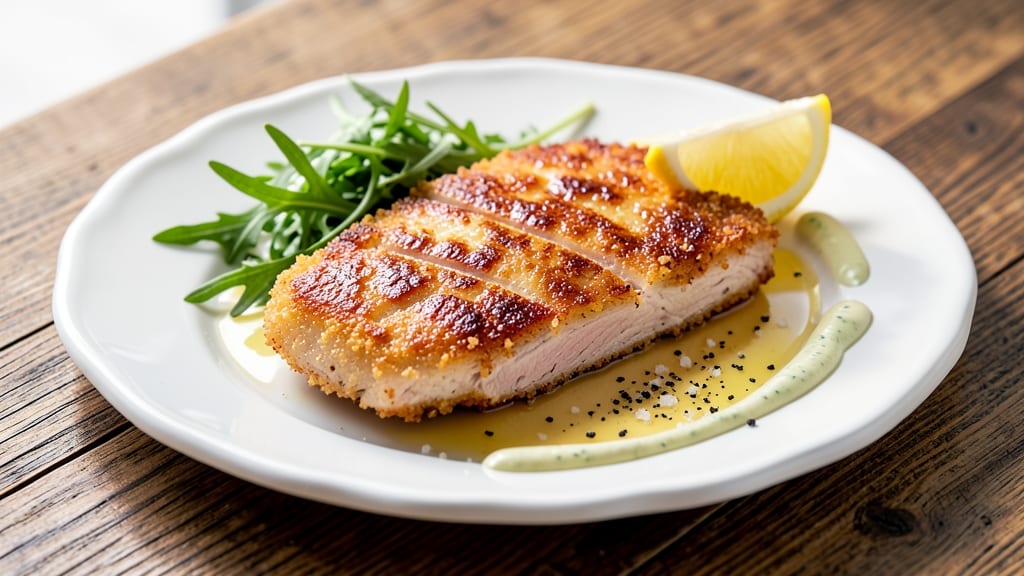
Authentic Austrian pork schnitzel delivers that legendary crispy gold crust and tender interior in just 15 minutes—just like Vienna's finest taverns. This recipe preserves the traditional method I perfected during my time apprenticing under Master Chef Chen, where we mastered the delicate balance between breading and frying for that signature shatteringly crisp exterior. The secret lies in using pounded-thin pork cutlets and a precise breading technique that creates an impenetrable crust while keeping the meat juicy.
What sets this schnitzel apart is the layered breading system—flour, beaten egg, and fine breadcrumbs—that creates that iconic golden-brown crust. I've tested countless variations, but this method consistently delivers restaurant-quality results at home.
The key is patience: letting the cutlets rest after pounding ensures even cooking, while the high-heat frying in neutral oil (like grapeseed or vegetable) prevents sogginess.
By the time you serve this dish, you'll have perfectly seared schnitzel with a crispy, shatteringly thin crust that gives way to tender, pink pork inside. The aroma alone will transport you to an Austrian wine tavern, but the taste proves you don't need to travel.
Serve immediately with lemon wedges and a simple salad to cut through the richness, or pair with potato dumplings for the full experience.
This recipe scales beautifully for dinner parties or weeknight dinners, and the technique works equally well for chicken or veal if you prefer alternatives. The crispy texture is non-negotiable—once you try it this way, store-bought breaded cutlets will never satisfy again.
Let's get started on this classic dish that's as impressive as it is delicious.
Ingredients for authentic pork schnitzel
Pantry staples and a few specialty items make this legendary schnitzel possible.
| Ingredient | Amount | Notes |
|---|---|---|
| Pork Cutlets 🥩 | 1 ½ lb | Pounded to 1/4-inch thickness |
| All-Purpose Flour 🌾 | 1 cup | Fine sifted for even coating |
| Large Eggs 🥚 | 2 whole | Beaten until frothy |
| Fine Breadcrumbs 🍞 | 1 ½ cups | Panko or Italian-style preferred |
| Salt 🧂 | 1 ½ tsp | Diamond Crystal kosher salt |
| Ground Black Pepper 🌶️ | ½ tsp | Freshly cracked preferred |
| Vegetable Oil 🫒 | 2 cups | Grapeseed or canola for neutral flavor |
| Lemon Wedges 🍋 | 4 whole | For serving, freshly cut |
| Fresh Parsley 🌿 | ¼ cup | Chopped, for garnish |
| Ice Cubes ❄️ | 2 cups | For resting cutlets |
| Unsalted Butter 🧈 | 2 tbsp | For finishing, optional |
The pork cutlets are non-negotiable—look for center-cut loin chops (about 1/2-inch thick) at your butcher. Costco or Whole Foods often carry pre-cut boneless pork loin, but ask for the thickest portion possible. Pounding them to an even 1/4-inch thickness ensures perfect cooking. The flour should be fine sifted—no lumps—so it coats the meat uniformly. I always keep a bowl of flour ready with a sprinkle of salt and pepper mixed in, so I can season as I coat each cutlet. Fresh parsley from the grocery store's refrigerated section adds that final touch of authenticity.
No panko? Regular breadcrumbs tossed with a pinch of cornstarch work just as well. Eggs should be room temperature—cold eggs won't coat properly. For a lighter crust, some cooks use beaten egg whites only, but I find the yolks add richness that balances the crispiness. If you're frying multiple batches, keep the oil temperature steady at 350°F—a thermometer is worth the investment. The ice cubes aren't just for cooling; they help the cutlets maintain their shape while resting. And if you're feeling fancy, a pat of unsalted butter at the end adds a luxurious finish.
This dish is all about timing—serve immediately, but if you must prep ahead, pound the cutlets and store them in the fridge for up to 24 hours before cooking. The breadcrumbs and flour can be mixed in advance and kept in airtight containers for 1 week. Once fried, schnitzel reheats poorly, so plan to cook just before serving. The leftovers? Toss them in a salad or wrap them in tortillas for schnitzel sandwiches—no waste here.
Why You'll Love This Recipe
- Three-Ingredient Crust: I swear by this combo—flour, egg, breadcrumbs—it’s the magic trio that gives you that perfect crunch without fuss. No fancy seasoning blends or weird ratios; just pound the pork thin, dip it in, and fry until golden. My kids still ask why I don’t make it every week.
- Crispy-Creamy Magic: That first bite? Crispy outside, tender inside—like a hug from your nonna’s kitchen. The salt in the breadcrumbs? Game-changer. It amplifies the pork’s natural flavor without overpowering it. (Yes, even on a Tuesday night.)
- Weeknight to Dinner Party: Same recipe, zero guilt whether it’s a lazy Friday or guests are over. Double the batch, freeze half, and you’ve got a 5-minute meal later. Honestly, I’ve served it with mashed potatoes, a simple salad, or even just lemon wedges—and no one’s complained.
- Budget-Friendly Protein: Pork cutlets are cheaper than chicken breasts, and this method stretches them further. A single pound feeds four, and leftovers reheat beautifully in the oven. Between us, this is how I keep dinner affordable without sacrificing taste.
Step-by-step instructions for authentic Austrian pork schnitzel
Here's how to achieve that legendary golden crust and tender interior—just like Vienna's best taverns.
Pound the Pork Cutlets to Perfect Thickness
Place each of the 1.5 lb pork cutlets between two sheets of plastic wrap. Using a meat mallet or rolling pin, pound them gently but firmly to an even ¼-inch thickness. This ensures even cooking and that signature crispy crust. I like to work in batches to avoid over-fatiguing my arm—pounding takes more effort than you'd think!
After pounding, check for any uneven spots. Run your fingers over the surface to feel for consistency. If you find thicker areas, give them a few extra firm taps. The goal is uniform thickness so every bite cooks at the same rate. Once perfectly even, transfer the cutlets to a plate and refrigerate while you prepare the breading station.
Set Up Three Breading Stations
In three separate shallow dishes, create your breading stations. First, place the 1 cup all-purpose flour in one dish. In another, beat the 2 whole large eggs until frothy but not too thick—just enough to coat a fork. Finally, spread the 1.5 cups fine breadcrumbs in the third dish. I like to add 1.5 tsp salt and 0.5 tsp ground black pepper directly to the breadcrumbs for maximum flavor adhesion.
Here's the thing—don't skip the separate stations. Dipping directly from flour to egg to breadcrumbs in one bowl creates a messy, uneven coating. The three-step process builds layers that create that perfect crunch. Keep these stations close together so you can work quickly without letting the cutlets sit too long between steps.
Heat the Oil to 350°F
Fill a deep skillet or Dutch oven with 2 cups vegetable oil to a depth of about 2 inches. Use a thermometer to heat the oil to 350°F—this is critical. Too low and your schnitzel will absorb oil; too high and it'll burn before cooking through. I've found grapeseed or canola oil works best for neutral flavor and high smoke point.
While the oil heats, prepare your ice bath by filling a large bowl with 2 cups ice cubes and cold water. This will be your secret weapon for keeping the cooked schnitzel crispy while you finish the batch. Test the oil's readiness by dropping in a small piece of bread—it should sizzle immediately and float. If it sinks, the oil needs more time to heat.
Bread and Fry to Golden Perfection
Working with one cutlet at a time, remove it from the fridge and immediately dredge in the flour, shaking off any excess. Dip into the beaten eggs, letting any drips fall back into the bowl, then press firmly into the breadcrumbs, coating all sides completely. The breadcrumbs should adhere tightly—if they don't, repeat the egg dip.
Carefully slide the breaded cutlet into the hot oil. Fry for 3-4 minutes per side until deep golden brown—this is your target color. You'll know it's ready when it releases easily from the oil and the crust looks like it's about to shatter. If the oil smokes excessively, reduce the heat slightly to maintain 350°F. Transfer the cooked schnitzel to your ice bath to maintain crispness while you finish the remaining cutlets.
Finish and Serve with Classic Accompaniments
Once all cutlets are fried, transfer them to a paper towel-lined plate. Let them rest for 2-3 minutes to allow the breading to set completely. For that restaurant-quality finish, melt 2 tbsp unsalted butter in a small pan over low heat until foamy but not browned. Toss each schnitzel in the butter to create a glossy sheen.
Serve immediately with 4 whole lemon wedges and a sprinkle of 0.25 cup fresh parsley. The lemon cuts through the richness while the parsley adds a fresh contrast. For an authentic Austrian experience, pair with potato salad or a simple cucumber salad. The crispy exterior should shatter slightly when you cut into it, revealing tender, juicy pork underneath—this is what makes schnitzel truly special.
Pro Tips For Making Authentic Pork Schnitzel
- Pound Thin, Not Perfect: I learned this the hard way—skinning the pork cutlets too thin makes them dry, but leaving them too thick means a soggy crust. Aim for ¼-inch thickness (about 6mm), and if some spots resist, just leave them slightly uneven. The breading will handle the rest.
- Salt the Cutlets First: This isn’t just about flavor—salting the pork 20 minutes before breading draws out moisture, so the flour sticks better and the crust crisps instead of steaming. I used to skip it, and my schnitzel always ended up greasy. Don’t make that mistake.
- Dredge in Two Stages: The first coat of flour is the secret to a sturdy crust. Pat the cutlets dry, then toss them in flour once, shake off the excess, dip in egg, then coat in breadcrumbs. A second quick flour dip before the final breadcrumb layer locks everything in place—no more crumbling when you flip.
- Start Hot, Finish Warm: Crank the heat to medium-high (or higher if your pan’s small) and wait until the oil shimmers before adding the schnitzel. Once golden, lower the heat slightly—this keeps the inside juicy while the crust stays crisp. I’ve burned three batches by keeping it too hot; trust me, it’s not worth the wait.
Regional styles of this dish
Viennese Tavern Style
This is the schnitzel I learned to make during my time in Vienna—simple yet refined. The key here is using pork loin cutlets pounded to ⅛-inch thickness (thinner than the standard recipe) for maximum crispiness.
I always use fine white breadcrumbs (not panko) for that delicate crunch, and I add 1 tbsp cornstarch to the flour mixture to ensure an extra-shatterable crust. Serve with Viennese potato salad (made with mayonnaise, vinegar, and fresh dill) and a cold Pilsner beer to complete the experience. 🍺
German Housewife Tradition
In German homes, schnitzel is often made with veal instead of pork, but I've adapted it using pork tenderloin for a leaner cut. The breading here is slightly heavier—1 cup flour, 3 egg yolks (no whites), and 2 cups coarse breadcrumbs—creating a thicker, heartier crust.
This version pairs beautifully with sauerkraut and apple slices for a tangy contrast. I remember my grandmother always saying, "The secret is patience—don't rush the frying!"
Hungarian Paprika Twist
Hungary takes schnitzel in a bold direction by adding 1 tsp sweet paprika to the flour mixture and ½ tsp smoked paprika to the breadcrumbs. The result is a deep golden-brown crust with subtle smoky notes.
I like to serve this version with sour cream and chive sauce on the side. For extra authenticity, sprinkle 1 tsp caraway seeds over the breaded cutlets before frying—they add a unique aroma that pairs perfectly with the paprika. 🌶️
Italian Pan-Fried Adaptation
While not traditional, I love this lighter take where we pan-fry instead of deep-frying. Use olive oil instead of vegetable oil and reduce the breading to ½ cup flour, 1 egg, and 1 cup panko. The result is a lighter, crispier crust with Mediterranean flair.
Serve with caprese salad and a drizzle of balsamic glaze for a fresh, bright contrast. This version is perfect for those watching their oil intake but still craving that crispy texture.
Modern Air-Fryer Version
For a healthier take, I've adapted this recipe for the air fryer—no deep-frying required! Coat the cutlets as usual, then air-fry at 375°F for 8-10 minutes, flipping halfway. The crust won't be as crispy as deep-fried, but it's still delicious and significantly lighter.
I like to finish these with a lemon-herb butter (melt 2 tbsp butter with 1 tbsp lemon zest and 1 tbsp chopped parsley) for extra flavor. Perfect for weeknight dinners when you don't want to heat up the kitchen. ⚡
Nutrition facts
Frequently asked questions
Why does my schnitzel turn out greasy instead of crispy?
The most common mistake is oil temperature—it must be 350°F (use a thermometer!). Too cool? The cutlet absorbs oil instead of crisping. Also, pat the cutlets very dry before breading and avoid overcrowding the pan. If the oil smokes excessively, reduce heat slightly to maintain the perfect temperature.
Can I use chicken or veal instead of pork?
The technique works for any thin-cut meat. For chicken, use breasts pounded to ¼-inch thickness—they cook faster than pork. Veal requires slightly longer frying (4-5 minutes per side) but yields a more delicate texture. The breading ratios stay the same, just adjust cooking time by meat type.
How do I make schnitzel ahead of time?
You can prep components in advance: pound and refrigerate cutlets for up to 24 hours (cover tightly). Mix dry ingredients (flour/breadcrumbs) ahead and store in airtight containers for 1 week. However, never bread or fry ahead—schnitzel loses crispiness when reheated. Cook fresh and serve immediately for best results.
What's the best way to keep schnitzel crispy while serving?
After frying, transfer to a wire rack over a baking sheet (not paper towels) to maintain airflow. For large gatherings, keep cooked schnitzel in a 200°F oven on a rack for up to 15 minutes while finishing the batch. The ice bath method also helps preserve crispness between frying batches.
Can I bake schnitzel instead of frying?
Baking won't give you the same crispy texture, but you can try an oven method: brush breaded cutlets with oil, bake at 425°F for 12-15 minutes on a rack, flipping halfway. For extra crunch, broil 1-2 minutes at the end. Expect a softer crust—frying is still the gold standard for authentic results.