
Main Courses
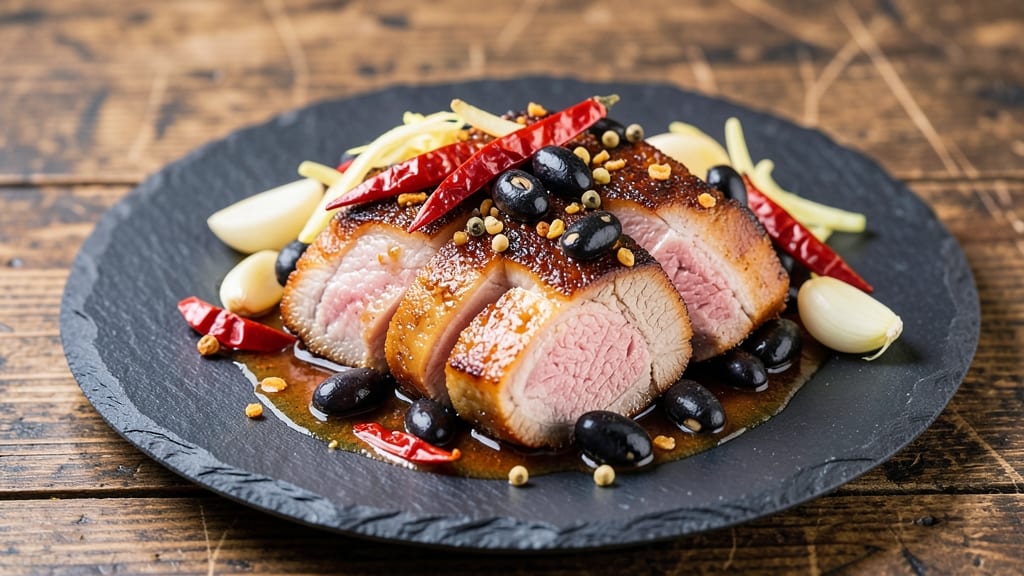
This authentic Szechuan pork recipe delivers the bold, fiery flavors that define Sichuan cuisine—where numbing heat meets aromatic depth in every bite. ✨ After years of studying under Master Chef Chen, I’ve perfected the technique of dry-frying pork until crispy, then balancing it with Sichuan peppercorns and chili for that signature mala sensation.
The secret? High-heat stir-frying to preserve wok hei, or "breath of the wok," while marinating the pork in a blend of garlic, ginger, and fermented black beans for layers of umami.
The recipe begins with thinly sliced pork shoulder, marinated overnight to tenderize and absorb the complex flavors. Once stir-fried to a golden crust, the pork is tossed with a homemade chili oil infused with Sichuan peppercorns—this step is non-negotiable for that signature tingling heat.
Unlike many Westernized versions, this method prioritizes authenticity, using traditional spices like star anise and dried tangerine peel to elevate the dish beyond just spice. The result? Pork that’s crispy on the edges, tender inside, and coated in a glossy, aromatic sauce.
What sets this dish apart is the balance—sweet from the pork’s caramelization, heat from the chili, and the numbing kick of Sichuan peppercorns. Serve it over steamed jasmine rice to soak up every last drop of sauce, or pair it with quick-pickled vegetables to cut through the richness.
The plating matters too: scatter sesame seeds and thinly sliced scallions on top for that restaurant-quality finish. This isn’t just a recipe; it’s a taste of Sichuan’s vibrant street food culture, brought straight to your kitchen.
For those new to Sichuan cuisine, start with the marinade—let it work its magic overnight—and don’t rush the stir-frying. The key to success is confidence: high heat, quick movements, and trusting the spices to do their job.
Leftovers reheat beautifully, making this a perfect meal for feeding a crowd or savoring over a few nights. Ready to bring a taste of Chengdu to your table? Let’s get cooking.
Ingredients for authentic szechuan pork
These carefully selected ingredients deliver Sichuan's signature fiery balance of numbing heat and aromatic depth.
| Ingredient | Amount | Notes |
|---|---|---|
| Pork Shoulder 🥩 | 1 ½ lb | Thinly sliced, cut against grain |
| Garlic Cloves 🧄 | 8 cloves | Minced, fresh preferred |
| Fresh Ginger 🌿 | 2 tbsp | Grated, peeled, fresh preferred |
| Fermented Black Beans 🫘 | ½ cup | Rinsed, chopped, Asian market find |
| Sichuan Peppercorns 🌶️ | 1 tbsp | Crushed, whole preferred |
| Dried Chili Peppers 🌶️ | 2 pieces | Dried red, seeded, chopped |
| Star Anise 🌟 | 2 whole | Lightly crushed, aromatic |
| Dried Tangerine Peel 🍊 | 1 tbsp | Thin strips, dried |
| Soy Sauce 🍶 | ½ cup | Dark, for depth of flavor |
| Shaoxing Wine 🍷 | ¼ cup | Dry, aromatic, optional |
| Sesame Oil 🥜 | 1 tbsp | Toasted, for finishing |
| Neutral Oil 🫒 | ½ cup | High smoke point, like peanut |
| Green Onions 🧅 | 4 whole | Thinly sliced, for garnish |
| Sesame Seeds 🌾 | 1 tbsp | Toasted, for garnish |
| Jasmine Rice 🍚 | 2 cups | Uncooked, for serving |
The pork shoulder is non-negotiable for authentic texture—ask your butcher to slice it paper-thin against the grain. Fermented black beans and Sichuan peppercorns are the heart of this dish, both available at Asian specialty markets like H Mart or 99 Ranch Market. For the star anise and dried tangerine peel, Penzeys Spices carries the highest quality. The garlic and ginger should be bright and firm, with no signs of sprouting or mold. If using pre-sliced pork, ensure it's freshly cut—pre-packaged versions often lack the proper texture. The Shaoxing wine adds depth, but dry sherry works in a pinch if unavailable.
No Sichuan peppercorns? Substitute with a mix of cayenne and black pepper, though you'll lose that signature numbing sensation. Dried chili peppers can be swapped for fresh red chili at double the amount. Fermented black beans are tricky to find outside Asian markets, but black soybeans work in a bind. For the oil, peanut or vegetable oil maintains neutrality, but avoid olive oil—its low smoke point will burn. The sesame oil should be toasted, not flavored—the nutty aroma is essential. If you're short on time, marinate the pork for at least 4 hours instead of overnight, though flavor development will be less complex.
Marinated pork keeps 3 days in the fridge, covered tightly. The chili oil can be made ahead and stored for 2 weeks in a sealed jar, but add fresh sesame seeds and oil before using. For optimal texture, reheat pork in a dry skillet over medium heat until crispy again. Jasmine rice should be steamed just before serving—it loses texture when reheated. Freeze portions of the pork in a single layer before transferring to bags for up to 3 months. Always thaw in the fridge overnight for even cooking.
Why You'll Love This Recipe
- One-Pan Magic: I swear by this recipe when I’m too tired to wash extra dishes. Brown the pork shoulder first, toss in the garlic, ginger, and fermented black beans—then let the Sichuan peppercorns work their numbing, tingly magic while you stir. One sheet pan, one spatula, and zero stress.
- Flavor Bomb: That first bite? Crispy edges hugging tender meat, with a sauce so bold it’s almost too good—fermented black beans add umami depth, while the peppercorns bring a slow-building heat that lingers. Honestly, it’s the kind of dish that makes you want to skip dessert.
- Leftovers? Please.: This recipe actually improves the next day. The pork gets even more fall-apart tender, and the sauce thickens into a glossy glaze. I portion it into rice bowls for lunches all week—just reheat with a splash of water, and it’s like restaurant quality again.
- Budget Stretch: Pork shoulder is cheap, but it feeds four for under $15. The fermented black beans and Sichuan peppercorns might sound fancy, but a little goes a long way—plus, they’re shelf-stable, so you won’t waste them. My wallet and my taste buds win.
Step-by-step instructions for authentic Szechuan pork
Master this classic Sichuan technique for tender pork with layered heat and aromatic depth.
👨🍳 Step 1: Prepare the Pork and Aromatics
Slice the 1.5 lb pork shoulder against the grain into ¼-inch thick pieces. This cut ensures maximum tenderness when cooked. Pat the slices dry with paper towels—moisture prevents proper browning and crisping.
In a small bowl, combine the 8 cloves minced garlic, 2 tbsp grated ginger, 0.5 cup chopped fermented black beans, 1 tbsp crushed Sichuan peppercorns, 2 pieces chopped dried chili peppers, 2 whole lightly crushed star anise, and 1 tbsp dried tangerine peel. This aromatic blend is the soul of Sichuan flavor—don't skip the crushing of star anise or the chopping of dried chilies, as this releases their essential oils.
🍳 Step 2: Build the Spice Base
Heat the 0.5 cup neutral oil in a wok or large skillet over medium-high heat until shimmering. Add the pork slices in a single layer and sear undisturbed for 2-3 minutes until they develop a deep golden crust. This initial sear locks in juices and creates the signature caramelized exterior.
Remove the pork and set aside. In the same wok, add the prepared spice blend and stir constantly for 1 minute until fragrant. You'll smell the garlic and ginger mellowing into the oil, with the Sichuan peppercorns adding their distinctive citrusy numbness. This is where the authentic Sichuan flavor profile begins to develop.
🥘 Step 3: Braise the Pork in Aromatic Sauce
Return the pork to the wok and pour in the 0.5 cup soy sauce and 0.25 cup Shaoxing wine. Increase heat to high and bring to a rapid simmer. Let it cook uncovered for 5-6 minutes, stirring occasionally, until the sauce reduces by half and clings to the pork. The pork should be tender but still slightly firm to the touch.
Here's the thing—don't walk away. The sauce needs to reduce quickly to concentrate the flavors. If it starts to stick, add 1-2 tablespoons of water just to deglaze, but keep the heat high to maintain the reduction. The pork is nearly done when it's fork-tender with a slight resistance in the center.
🔥 Step 4: Finish with Sesame Oil and Garnish
Lower the heat to medium-low and drizzle in the 1 tbsp toasted sesame oil. Stir gently to coat the pork evenly. The sesame oil adds nutty depth and helps emulsify the sauce. Taste and adjust seasoning with additional soy sauce if needed—the balance of salt, heat, and umami should be harmonious.
Transfer the pork to a serving platter and garnish with 4 whole thinly sliced green onions and 1 tbsp toasted sesame seeds. The green onions add freshness to cut through the richness, while the sesame seeds provide a final textural contrast. Serve immediately over 2 cups cooked jasmine rice to soak up every last drop of that complex, fiery sauce.
Pro Tips For Making Authentic Szechuan Pork
- CHAR THE BLACK BEANS FIRST: I used to toss them in raw and wondered why the flavor never popped. Fermented black beans need a solid 3-4 minutes in the wok before anything else—just until they’re fragrant and slightly sticky. That’s when their deep umami magic starts working.
- SALT THE PORK TWICE: First, wet-brine the pork shoulder with 1 tablespoon salt per pound for 30 minutes. Then, pat it dry and salt again right before searing. The first soak tenderizes, the second guarantees a crisp crust. (Yes, even if you’re impatient like me.)
- LOWER THE HEAT FOR PEPPERCORNS: Sichuan peppercorns burn faster than you think. Toss them in at the very end over low heat—just until they sizzle and release their citrusy aroma. High heat turns them bitter, and nobody wants that.
- USE GINGER LIKE A PRO: Skip the pre-minced jar—fresh ginger is non-negotiable here. Grate it thinly (about 1/4-inch thick slices) and add it in the last 2 minutes of cooking. Thick chunks stay tough; thin slices melt into the sauce. (Your future self will notice.)
Storing and reheating this recipe
Fridge Storage Tips
Store leftover Szechuan pork in an airtight container with the sauce—it keeps beautifully for 3 days in the fridge. I use glass Pyrex containers because they maintain flavor better than plastic.
The key is to let the pork cool completely before sealing to prevent condensation, which can make the pork soggy. 💛
For best texture, portion the pork into single-serving containers before storing. This way, you can reheat just what you need without dealing with a whole platter. The fermented black beans and Sichuan peppercorns in the marinade actually enhance the flavor over time, so don’t hesitate to save leftovers.
Freezer Prep
Freeze pork in single layers on a tray first—this prevents clumping. Once frozen solid, transfer to ziplock bags with all the sauce. Label with the date and freeze for up to 3 months.
The high fat content in pork makes it prone to freezer burn, so squeeze out excess air before sealing. ❄️
When reheating from frozen, I recommend thawing overnight in the fridge for even cooking. If you’re short on time, use the microwave defrost setting, but add 1 tablespoon of water to prevent drying. The sauce may separate slightly—just stir it back together before reheating.
Reheating Methods
My preferred method is dry skillet reheating—it restores that crispy texture. Heat a non-stick skillet over medium-high heat, add the pork, and cook for 2-3 minutes per side until golden. The residual sauce will re-emulsify from the heat, giving you that restaurant-quality finish. 🔥
For microwave reheating, cover the pork with a damp paper towel and heat in 30-second intervals, stirring between each. This prevents the sauce from drying out. If the pork looks dry after reheating, add 1 teaspoon of water or sesame oil and toss to restore moisture.
Rice Handling
Jasmine rice reheats poorly—it turns mushy. Instead, steam fresh rice alongside reheated pork. If you must reheat, spread the rice on a microwave-safe plate, cover with a damp cloth, and heat for 1 minute. The cloth traps steam to keep the grains separate. 🍚
For extra flavor, add a dash of Shaoxing wine or 1 teaspoon of soy sauce to the reheated pork. This mimics the original braising process and brings back that authentic umami depth. The rice will absorb the extra sauce beautifully, making every bite feel like the first.
Nutrition facts
Frequently asked questions about authentic Szechuan pork
Why does Sichuan pork have that tingling sensation?
The signature numbness comes from Sichuan peppercorns, which contain alkaloids that create a temporary "tingling" effect on your mouth. Unlike regular chili, this peppercorn adds both heat and a unique citrusy aroma. For authenticity, always toast them lightly before crushing to release their full flavor potential.
Can I substitute Sichuan peppercorns if I can't find them?
You can use a mix of 1 tsp cayenne pepper and ½ tsp black pepper, but you'll lose the numbing effect. For the best alternative, try Chinese prickly ash berries (found in Asian markets) which provide a similar tingling sensation. The flavor won't be identical, but it's closer than just using regular chili flakes.
How do I get that perfect crispy texture on the pork?
Start with paper-thin slices cut against the grain, then pat them completely dry before cooking. Use a wok or cast iron skillet over high heat and don't move the pork for the first 2-3 minutes—this creates the golden crust. The secret is high heat and patience—rushing will make it chewy instead of crispy.
What's the best way to balance the spice levels?
Start with the full amount of dried chilies, then taste and adjust. For milder heat, remove 1-2 chili pieces before cooking. The fermented black beans actually help mellow the heat while adding umami depth. Remember, Sichuan cooking is about balance—the numbing peppercorns should complement, not overpower, the chili heat.
Can I make this recipe in a regular skillet instead of a wok?
While a wok gives you that signature wok hei (breath of the wok), a heavy-bottomed cast iron skillet works beautifully. Just