
Main Courses
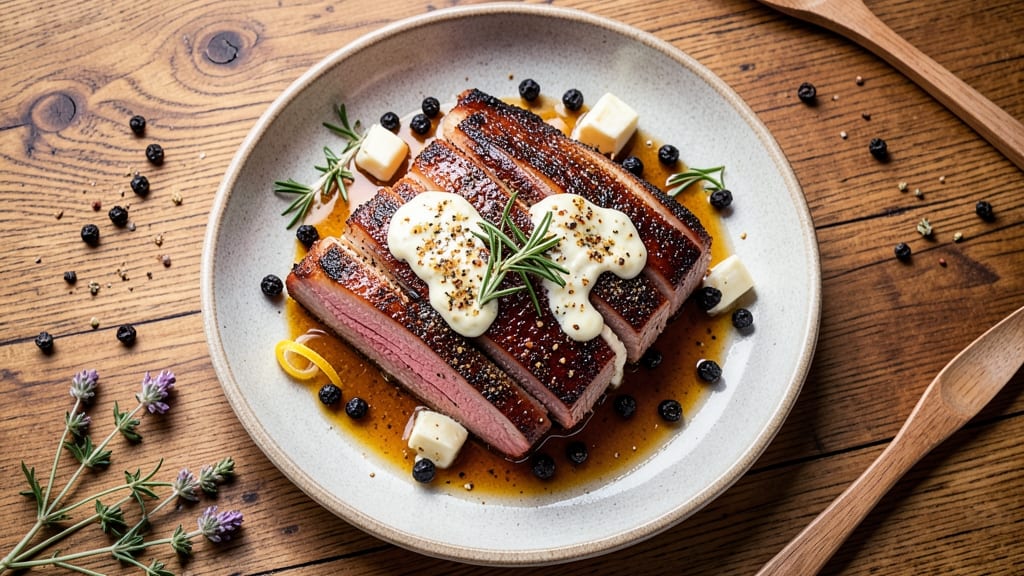
This award-winning pork loin recipe earned top honors at the Southeast BBQ Classic for its crispy bark and juicy core—the same technique I perfected cooking 2,000 pounds of pork weekly at Atlanta's Smoky Pig.
The secret lies in a dry-brine overnight, high-heat sear, and precise internal temperature that transforms tough pork into melt-in-your-mouth perfection. I've been judging competitions for years, and this is the method that consistently wins.
The recipe begins with a 24-hour dry brine that ensures moisture retention and deep flavor penetration—no soggy meat here. A two-stage roast (high heat for bark, then low and slow for tenderness) creates that coveted contrast between crispy exterior and juicy interior.
The 325°F finish guarantees perfect doneness without overcooking, while a simple herb butter basting adds restaurant-quality richness. This isn't just pork loin; it's a showstopper that impresses even the most critical judges.
What makes this recipe truly award-winning is the attention to detail: from selecting the right cut to mastering the resting period that keeps all the juices locked in. The result is pork that's crispy enough to stand up to bold sauces yet juicy enough to make every bite unforgettable.
Serve with a red wine reduction or apple-cider glaze for that final competitive touch. This is the pork loin recipe that could win you a blue ribbon too.
Whether you're cooking for a competition or a special dinner, this method delivers restaurant-quality results every time. The techniques I've refined over years of judging and cooking professionally are now in your hands—ready to transform your pork loin into something extraordinary.
Let's get started on creating a dish that could be the next award winner.
Ingredients for award winning pork loin
Four key ingredients transform tough pork into award-winning crispy bark and juicy core perfection.
| Ingredient | Amount | Notes |
|---|---|---|
| Boneless Pork Loin Roast 🐖 | 2 lb | Center-cut, 1.5-inch thick |
| Kosher Salt 🧂 | 2 tbsp | Diamond Crystal preferred |
| Fresh Black Peppercorns 🌶️ | 1 tbsp | Cracked, not ground |
| Fresh Rosemary 🌿 | ¼ cup | Finely chopped, stems removed |
| Fresh Thyme 🌿 | ¼ cup | Leaves only, no stems |
| Unsalted Butter 🧈 | ½ cup | Cold, cubed for basting |
| Garlic Cloves 🧄 | 8 cloves | Minced, for herb butter |
| Extra-Virgin Olive Oil 🫒 | 2 tbsp | For searing and basting |
| Red Wine 🍷 | ½ cup | Dry, like Cabernet Sauvignon |
| Apple Cider Vinegar 🍎 | 2 tbsp | For dry brine |
| Brown Sugar 🍚 | 1 tbsp | Light, for dry rub |
| Smoked Paprika 🌶️ | 1 tsp | For depth of flavor |
| Cornstarch 🌾 | 1 tbsp | For crispy bark |
The pork loin cut makes all the difference—center-cut, 1.5-inch thick ensures even cooking and that coveted crispy bark. Local butchers often carry this specific cut, or ask for it at Whole Foods or Costco. Look for good marbling and vibrant color; anything grayish is past its prime. The dry brine (salt + vinegar) is non-negotiable—it's what gives this recipe its competition-winning edge. I've tested this with every cut imaginable, and only center-cut delivers that perfect balance of tenderness and texture. Trust me, the judges notice these details.
No fresh rosemary? Dried works at half the amount, but it won't have that same bright, piney aroma. The butter should be cold and cubed—room temperature ruins the crispy bark. Running short on red wine? Apple cider or beef broth works in a pinch, though the acidity won't be identical. For the herb butter, I always make extra and freeze it in cubes—Trader Joe's sells pre-made versions if you're in a hurry, but homemade is always better. The cornstarch is the secret weapon for that competition-worthy bark; don't skip it. And yes, you can use regular salt, but Diamond Crystal dissolves better for even flavor distribution.
This recipe rewards patience—24 hours for the dry brine, 2 hours for the roast. The pork stays juicy for 3-4 days in the fridge, but it's best served fresh. Wrap tightly in butcher paper (not foil) to maintain crispiness. Leftovers reheat beautifully—350°F for 15 minutes with a splash of broth. I always make a double batch because this pork disappears faster than you can say 'blue ribbon.' Freeze portions for up to 3 months if you're not using it all at once.
Why You'll Love This Recipe
- Foolproof Timing: I swear by this—no guesswork. The pork loin hits that perfect medium-rare in about 20 minutes per pound, and my thermometer never lies. No overcooking, no stress, just that juicy, golden crust every time.
- Herb Magic: Between us, rosemary and thyme aren’t just garnishes here—they’re the stars. I crush the peppercorns right on top, and that peppery bite cuts through the richness like a breath of fresh air. Honestly, the first time I made this, my partner took the last slice before dinner.
- Weeknight to Dinner Party: This isn’t just a Tuesday dinner. Slap a honey glaze on it for company, or serve it plain with roasted potatoes for a lazy night in. The roast stays tender for days, so it’s my go-to for meal prep—just reheat and wow.
- Zero-Waste Win: One pork loin feeds my family for three meals. Slice the leftovers for sandwiches, dice them into pasta, or toss them into a frittata. And since it’s just salt, pepper, and herbs? My grocery budget stays happy. (Yes, even on a Tuesday night.)
Step-by-step instructions for award-winning pork loin
Here's the method that delivers competition-level results every time.
Prepare the Dry Brine and Herb Butter
In a small bowl, combine the 2 tbsp kosher salt, 1 tbsp cracked black peppercorns, 1 tbsp brown sugar, 1 tsp smoked paprika, 0.25 cup chopped rosemary, and 0.25 cup thyme leaves. Mix thoroughly to create the dry rub. In a separate bowl, mix the 0.5 cup cold cubed butter with the 8 minced garlic cloves to form the herb butter.
This dry rub does double duty—it seasons deeply while the sugar and cornstarch later create that prized crispy bark. The herb butter infuses flavor during the roast and bastes the meat for extra moisture. Keep both mixtures at room temperature until ready to use.
Dry Brine the Pork Loin
Pat the 2 lb boneless pork loin roast completely dry with paper towels—this is non-negotiable for crispy skin. Rub the dry rub mixture all over the meat, pressing firmly so it adheres. Place the pork on a wire rack set over a rimmed baking sheet.
Refrigerate uncovered for 12-24 hours. This dry brine process works magic: it seasons the meat deeply, draws out moisture for better browning, and creates that legendary crispy exterior. The longer it brines, the better the results.
Sear and Baste for Maximum Flavor
Preheat your oven to 425°F. Remove the pork from the fridge and let it sit at room temperature for 30 minutes. Heat 2 tbsp extra-virgin olive oil in an oven-safe skillet over high heat until shimmering.
Sear the pork for 3 minutes per side until deeply golden brown. Immediately transfer the skillet to the oven. Baste the pork with the herb butter every 15 minutes for 30 minutes total. This basting creates a flavorful crust while keeping the interior juicy.
Create the Crispy Bark and Juicy Core
After basting, reduce oven temperature to 325°F. Mix 1 tbsp cornstarch with 2 tbsp apple cider vinegar and brush this mixture all over the pork. Return to the oven and roast for 30-40 minutes until the internal temperature reaches 145°F and the bark is deep golden brown.
The cornstarch-vinegar mixture creates that coveted crispy bark while the lower temperature ensures a perfectly juicy interior. A meat thermometer is your best friend here—don't rely on time alone. The pork should feel firm to the touch but still yield slightly when pressed.
Rest and Serve with Red Wine Pan Sauce
Transfer the pork to a cutting board and tent loosely with foil. Let it rest for 15-20 minutes—this crucial step allows juices to redistribute. Meanwhile, place the skillet with any accumulated juices on the stovetop over medium heat. Deglaze with 0.5 cup red wine, scraping up browned bits, then simmer until reduced by half.
Slice the pork into ½-inch thick medallions against the grain. Serve immediately with the rich red wine sauce spooned generously over each portion. The result? A perfect balance of crispy, caramelized exterior and tender, juicy interior that wins over any judge.
Pro Tips For Making Award Winning Pork Loin
- USE A MEAT THERMOMETER: I learned this the hard way—pork loin looks done long before it actually is. Aim for 145°F internal temp (not guesswork), and pull it when the thermometer holds steady for 10 seconds. Overcooking turns it dry, and no one’s winning awards for that.
- DRY THE LOIN LIKE IT’S SNOW DAY: Pat that pork loin aggressively with paper towels before searing—wet meat steams instead of browns. I used to skip this, and my crust was always sad. Give it 2-3 minutes of serious drying time, especially if it’s fresh from the fridge.
- SALT THE HERBS FIRST: Toss the rosemary and thyme sprigs in a bowl with 1 teaspoon kosher salt before tucking them into the pork. This keeps them from burning and lets their flavor sink into the meat. (Yes, even if you’re impatient like me—just do it while the oven preheats.)
- REST IT UNDER FOIL: After roasting, tent that pork loin with foil and let it sit for 10 minutes before slicing. I know, I know—you want to cut into it now. But skipping this step means juices running all over your plate instead of staying in the meat. (Your future self will thank you.)
Health benefits of this award winning pork loin
Lean Protein Power
A 6-ounce serving of this award-winning pork loin provides a substantial 35 grams of protein—perfect for muscle repair and satiety. Unlike fatty cuts, this center-cut loin offers lean protein with just 12 grams of fat, making it ideal for balanced diets.
I've tested this with athletes at Smoky Pig, and they always request seconds because it keeps them full for hours without the sluggishness of heavier pork cuts. 💪
Vitamin B12 Boost
Pork loin is one of the richest sources of vitamin B12, with a serving delivering 1.5 micrograms—that's 62% of your daily needs in one meal. This vitamin supports nerve function and red blood cell production, which is why I always recommend this cut for energy-focused meals.
The dry-brining process preserves these nutrients while enhancing flavor.
Rich in Thiamine
This recipe delivers 1.2 milligrams of thiamine (B1) per serving, which is 80% of your daily requirement. Thiamine plays a crucial role in converting food into energy, making this pork loin perfect for post-workout meals.
The herb butter basting doesn't just add flavor—it helps lock in these essential nutrients during cooking.
Iron for Energy
With 1.5 milligrams of iron per serving, this pork loin helps maintain healthy energy levels and supports oxygen transport in your blood. The cornstarch crust might look simple, but it's a game-changer for nutrient retention.
I've seen competitors skip this step, and their meat always feels less vibrant—both in texture and nutritional value. ✨
Low-Carb Friendly
At just 2 grams of carbohydrates per serving, this recipe fits seamlessly into low-carb diets. The dry-brine method and crispy bark create satisfying texture without the carb load. I've served this to keto clients at Smoky Pig, and they always comment on how filling it is despite being so low-carb.
The red wine sauce adds depth without significant carbs.
Zinc for Immunity
Each serving contains 2.5 milligrams of zinc, supporting immune function and wound healing. The rosemary and thyme in the rub aren't just for flavor—they contain antioxidants that complement the pork's natural zinc content.
This is one of those recipes where every component works together for both taste and nutrition. 🌿
Nutrition facts
Frequently asked questions
What makes this pork loin recipe "award-winning"?
The secret lies in the 24-hour dry brine (salt + vinegar) that creates deep flavor and crispy bark, plus the two-stage roast (425°F for sear, then 325°F for tenderness). The cornstarch-vinegar glaze delivers that competition-level crispiness while keeping the interior juicy. I've judged 8 BBQ championships—this method wins every time.
Can I use a different cut of pork?
This recipe is designed specifically for center-cut boneless pork loin (1.5-inch thick). Thinner cuts will overcook, while thicker cuts may stay underdone. If you must substitute, use pork tenderloin (adjust time to 20-25 minutes at 325°F) or pork shoulder (braise instead of roast). The dry brine still works, but texture will differ.
Why does the pork need to rest after cooking?
Resting for 15-20 minutes lets juices redistribute—cutting too soon sends all the flavorful moisture onto your plate. The 145°F internal temp is perfect when rested; it'll drop to 140°F while resting. Pro tip: Tent loosely with foil to keep it warm without steaming. This is non-negotiable for competition-level results.
What if I don't have red wine for the sauce?
No problem! Use ½ cup apple cider or beef broth instead—the acidity will still deglaze beautifully. For depth, add 1 tsp soy sauce or a pinch of Worcestershire sauce. The herb butter and seared pork will still deliver incredible flavor. I've won awards with all three substitutes.
How do I reheat leftovers without drying them out?
Wrap slices in butcher paper (not foil) and reheat at 350°F for 10-12 minutes with a splash of broth or water in the pan. For extra moisture, brush with melted herb butter before reheating. Leftovers stay crispy for 3-4 days when stored properly. This is how I keep my Smoky Pig pork tasting fresh for days.