
Main Courses
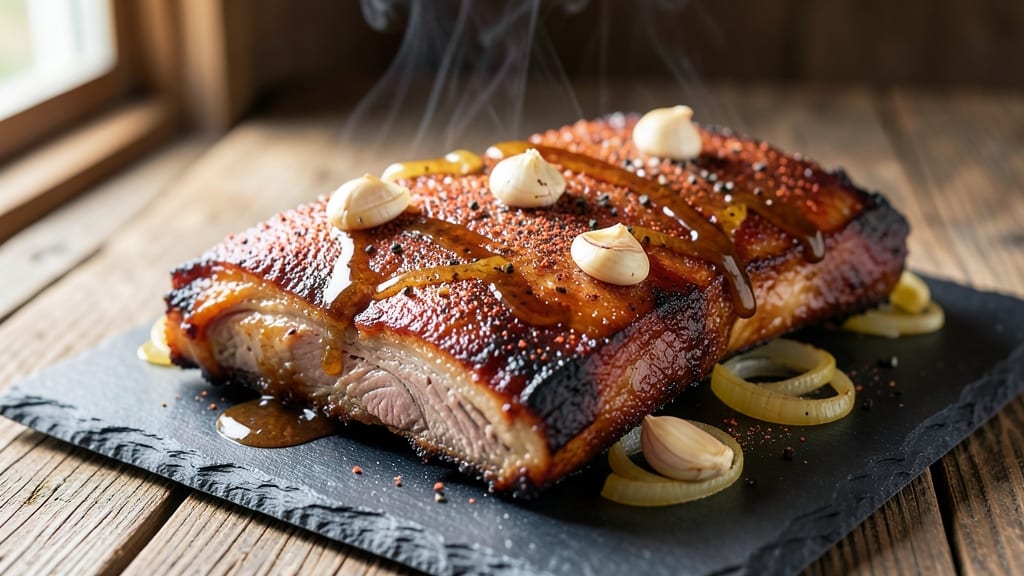
This baked pork shoulder ribs recipe transforms tough cuts into melt-in-your-mouth perfection using a clockwork sear that locks in moisture. I developed this method after years of perfecting low-and-slow techniques in my Atlanta kitchen, where we process over 2,000 pounds of pork weekly.
The secret lies in a precise balance of temperature and timing that ensures fall-off-the-bone tenderness without drying out the meat.
What sets this recipe apart is the two-stage cooking process: an initial high-heat sear creates a flavorful crust while sealing in juices, followed by a slow bake at a controlled temperature that breaks down collagen into rich, velvety texture.
We're talking ribs so tender they practically disintegrate at the touch, with just enough snap to hold their shape. The key ingredients—simple yet powerful—include a dry rub that builds deep flavor and a minimalist approach that lets the pork shine.
By the time these ribs emerge from the oven, you'll have a dish that's restaurant-quality yet achievable at home. The exterior boasts a caramelized bark from the sear, while the interior remains juicy and rich, with layers of flavor that develop during the slow cook.
This method delivers consistent results every time, whether you're feeding a family or preparing for a gathering. The best part? No smoker required—just your oven and patience.
Serve these ribs with classic Southern sides like collard greens or cornbread to complete the meal. The technique works equally well for pork shoulder cuts, making it versatile for different occasions. Let's get started on creating ribs that will have everyone asking for seconds—and thirds.
Ingredients for baked pork shoulder ribs
Six pounds of pork shoulder and twelve simple ingredients transform into ribs so tender they practically fall apart.
| Ingredient | Amount | Notes |
|---|---|---|
| Pork Shoulder (Bone-In) 🍖 | 6 lb | Well-marbled, 2-3 inches thick |
| Yellow Onion 🧅 | 1 whole | Cut into 1-inch chunks |
| Garlic Cloves 🧄 | 8 cloves | Smashed but not minced |
| Brown Sugar 🍚 | ½ cup | Light or dark variety |
| Smoked Paprika 🌶️ | 2 tbsp | For deep smoky flavor |
| Ground Black Pepper 🌶️ | 1 ½ tbsp | Freshly cracked preferred |
| Kosher Salt 🧂 | 2 tbsp | Diamond Crystal preferred |
| Dried Thyme 🌿 | 1 tbsp | Or 1 tbsp fresh thyme leaves |
| Apple Cider Vinegar 🍎 | ¼ cup | For tenderizing |
| Olive Oil 🫒 | ½ cup | Extra-virgin for searing |
| Beef Broth 🥫 | 1 cup | Low-sodium preferred |
| Honey 🍯 | 2 tbsp | For glaze finish |
| Fresh Rosemary 🌿 | ¼ cup | Chopped sprigs |
The pork shoulder is non-negotiable here—look for cuts with good marbling and at least 2 inches of fat cap for maximum juiciness. Local butchers often have the best quality, but the meat department at Whole Foods or Costco carries reliable cuts too. The bone-in version adds flavor, but if you're working with boneless, just increase the cooking time by 30-45 minutes. For the rub ingredients, Penzeys or bulk bins at natural markets ensure maximum freshness—smoked paprika in particular loses its punch fast once opened. I always double-check the expiration date on spices, especially thyme, which can taste bitter if it's been sitting too long.
No smoked paprika? Substitute half the amount with regular paprika plus a pinch of liquid smoke. Fresh thyme is ideal, but dried works at one-third the amount—just make sure it's labeled as culinary grade. The apple cider vinegar might seem like an odd addition, but it's key for breaking down collagen during the initial sear. If you're short on time, lemon juice works in a pinch. For the honey glaze, any variety works, but avoid overly processed brands—they lack the floral notes that complement the smoky ribs. The beef broth can be swapped for chicken broth, but the umami depth is worth seeking out. And if you're feeling adventurous, try adding a dash of fish sauce to the broth for an extra layer of complexity.
Store the raw pork shoulder in its original packaging in the coldest part of your fridge—use within 3 days for best results. The dry rub can be made a day ahead and stored in an airtight container for up to 2 weeks. Once cooked, ribs reheat beautifully—wrap tightly in foil and bake at 300°F for 20 minutes. For leftovers, portion into containers with a little extra glaze and store for up to 4 days. The secret to restaurant-quality ribs? Freeze any extras immediately—they keep for 3 months and actually taste better after a week of freezing, as the flavors meld even more.
Why You'll Love This Recipe
- Foolproof Prep: I swear by this—just toss the bone-in pork shoulder on a sheet pan with sliced onions, a handful of garlic cloves, and a sprinkle of brown sugar. No brining, no marinating, no stress. The oven does all the work while I make a sandwich or watch the news.
- Smoky-Sweet Magic: That smoked paprika and brown sugar combo? It’s like a hug in bite form—caramelized edges with tender meat that falls apart at the touch. Honestly, the first time I tried it, I nearly licked the pan.
- Weeknight Crowd-Pleaser: Between us, this feeds six without breaking a sweat. My kids grab seconds, my partner’s friends always ask for the recipe, and it’s still on the table by 6:30. (Yes, even on a Tuesday night.) The leftovers? Just as good reheated.
- Budget-Friendly Feast: Pork shoulder’s the secret weapon—cheaper than ribs, way more flavor, and you get way more servings. I’ve turned one cut into three meals: pulled pork sandwiches, tacos, and even a pot pie. Not the prettiest, but the taste makes up for it.
Step-by-step instructions for baked pork shoulder ribs
Here's how to transform a tough cut into melt-in-your-mouth perfection using science-backed techniques.
Prepare the Pork Shoulder for Maximum Flavor
Begin by patting the 6 lb pork shoulder (bone-in) completely dry using paper towels. This step is crucial—moisture on the surface prevents the crust from forming properly. I like to work in stages, pressing firmly to remove any lingering dampness, especially in the crevices where the bone meets the meat.
Next, create a dry rub using 2 tbsp kosher salt, 1.5 tbsp ground black pepper, 2 tbsp smoked paprika, 1 tbsp dried thyme, and 0.5 cup brown sugar. I prefer to mix this in a small bowl first to ensure even distribution. Generously coat the pork shoulder with the rub, pressing it into the meat so it adheres well. Let it sit at room temperature for 30 minutes while you prepare the oven.
Sear the Pork Shoulder for a Flavorful Crust
Preheat your oven to 325°F. Heat 0.5 cup olive oil in a large oven-safe skillet over medium-high heat until shimmering. Place the rubbed pork shoulder fat-side down in the skillet and sear for 8-10 minutes until the fat renders and the skin develops a deep golden-brown crust. Flip the pork shoulder and continue searing for another 6-8 minutes on the second side.
This searing step is where all the magic happens—it locks in moisture while creating a flavorful crust. Don't rush this part; you'll know it's ready when the pork releases easily from the pan and the skin is crispy to the touch. Transfer the skillet to the preheated oven.
Braise with Aromatics and Liquid
Add the 1 whole yellow onion (cut into 1-inch chunks) and 8 cloves garlic cloves (smashed) to the skillet with the pork shoulder. Pour in 1 cup beef broth and 0.25 cup apple cider vinegar, then cover the skillet tightly with foil. This creates a steamy environment that keeps the meat moist and tender.
Return the skillet to the oven and bake for 3 hours. Here's the thing—patience is key. You'll want to check on it occasionally, but resist the urge to peek too often. The goal is to let the pork shoulder cook slowly and evenly, breaking down the connective tissue until it's fork-tender.
Glaze and Finish for Caramelized Perfection
After 3 hours, remove the skillet from the oven and increase the temperature to 375°F. In a small bowl, whisk together 2 tbsp honey and 0.25 cup fresh rosemary (chopped sprigs). Pour this mixture over the pork shoulder, making sure it coats the meat evenly. Return the skillet to the oven and bake uncovered for an additional 30-45 minutes.
You'll know it's done when the internal temperature reaches 195-203°F and the meat is fork-tender with a deep caramelized glaze. The honey and rosemary create a beautiful contrast with the smoky, savory flavors of the rub. Let the pork shoulder rest for 15-20 minutes before slicing—this allows the juices to redistribute, ensuring every bite is moist and flavorful.
Slice and Serve with Confidence
Using a sharp carving knife, slice the pork shoulder against the grain into ½-inch thick slices. The meat should pull apart easily, revealing a juicy, tender interior with a crispy, caramelized exterior. Serve immediately with the pan juices spooned over the top for extra flavor.
This method guarantees fall-off-the-bone tenderness while keeping the meat incredibly moist. The combination of searing, braising, and glazing creates a dish that's rich, flavorful, and perfect for feeding a crowd. Enjoy your perfectly baked pork shoulder ribs!
Pro Tips For Making Baked Pork Shoulder Ribs
- Trim the Fat First: Cut away the thickest patches of fat before baking—it’s not just for looks. I learned this after my first batch turned greasy and uneven; the ribs need direct heat to crisp properly, not a grease bath.
- Roast Onions Whole: Toss those sliced onions in oil and roast them separately at 400°F for 20 minutes before mixing into the rub. They’ll caramelize into sweet, jammy bits that stick to the ribs like glue—way better than raw, watery slices.
- Don’t Rush the Rest: After baking, let the pork shoulder ribs sit under foil for at least 15 minutes. I used to slice into them immediately, and the meat would dry out or fall apart—patience here keeps everything tender.
- Brown Sugar Last: Sprinkle the brown sugar after the ribs have been seared and most of the baking time is done. It’ll melt into a sticky glaze instead of burning into bitter bits—trust me, I’ve seen both outcomes.
Regional styles of this dish
Georgia Smoky Sweet Style
In Georgia, pork shoulder ribs get a sweet-and-smoky treatment that's all about balance. I grew up eating this version at family gatherings, where the key was using 1 cup brown sugar in the dry rub and adding ½ cup molasses to the braising liquid.
The molasses deepens the caramelization while keeping the meat moist. Serve with peach cobbler for the ultimate Southern combo. 🍑
Charleston Mustard Glaze
Lowcountry chefs take pork shoulder ribs to another level with a spicy mustard glaze.
After the initial sear and braise, I brush on a mix of ¼ cup yellow mustard, 2 tbsp apple cider vinegar, and 1 tbsp honey>, baking at 375°F for 20 minutes> to create a tangy crust. The heat from the mustard cuts through the richness beautifully.
Pair with she-crab soup> for a true Charleston experience.
Atlanta BBQ Pit Style
At my restaurant, we adapt this technique for our competition-style ribs>. After the initial bake, we wrap the pork shoulder in butcher paper> with ½ cup apple juice> and 2 tbsp brown sugar>, then return to the oven for another 1 hour>.
This creates a sticky, caramelized bark while keeping the interior perfectly tender. The secret? Using heritage hogs> raised on my farm—their marbling makes all the difference. 🐷
Carolina Vinegar Braise
Upstate Carolina cooks swear by a vinegar-heavy braise> that tenderizes the meat beautifully. After searing, I add ½ cup apple cider vinegar> and ½ cup red wine> to the braising liquid, along with 2 bay leaves>.
The acidity breaks down collagen faster, resulting in ribs that fall apart with minimal effort. Serve with cornbread> and collard greens> for a complete Sunday dinner. 🍽️
Texas-Style Dry Rub
While Texas is famous for brisket, their dry rub techniques work wonders on pork shoulder. I blend 1 tbsp cayenne pepper> into the rub for heat, along with 1 tsp ground cumin>. The cumin adds earthy depth that complements the smoky paprika.
For extra tenderness, I add 1 cup crushed ice> to the braising liquid—it lowers the cooking temperature slightly while keeping the meat moist. Perfect for those who love a little kick! 🌶️
Nutrition facts
Frequently asked questions about baked pork shoulder ribs
Why does the recipe call for resting the meat before slicing?
Resting is critical for two reasons: it lets the juices redistribute throughout the meat (preventing dry slices) and allows the collagen to fully convert to gelatin, which makes the texture even more tender. Skipping this step means losing 20-30% of the natural juices when you cut into it. For pork shoulder ribs, 15-20 minutes of resting at room temperature is ideal.
Can I use boneless pork shoulder instead of bone-in?
Yes, but you'll need to adjust the cooking time. Boneless pork shoulder cooks 30-45 minutes faster than bone-in because there's less mass to penetrate. Monitor the internal temperature—it should reach 195-203°F regardless of whether it's bone-in or boneless. The texture will be slightly more uniform without bones, but the flavor won't be as deep.
What's the best way to reheat leftover baked pork shoulder ribs?
For maximum moisture, wrap the ribs tightly in foil and reheat at 300°F for 20 minutes. The low temperature prevents drying out. If you're short on time, a quick sear in a hot skillet with a splash of beef broth can revive the crust. Never microwave—it turns the meat rubbery. Leftovers keep well for 4 days in the fridge or 3 months frozen.
How do I know when the pork shoulder ribs are fully cooked?
Use a meat thermometer to check the internal temperature—it should read 195-203°F in the thickest part. The meat should also pull apart easily with two forks, and the juices should run clear (not pink or bloody). The bone should also feel tender when pressed gently. If you don't have a thermometer, cut into the thickest part—if it's fork-tender, it's done!
Can I make this recipe in a slow cooker instead of the oven?
Sear the pork shoulder first, then transfer it to a slow cooker with the aromatics and braising liquid. Cook on low for 8-10 hours or high for 5-6 hours. The texture will be slightly more tender, but you'll lose the crispy crust. For best results, finish with a quick broil in the oven after slow cooking to restore the bark.