
Main Courses
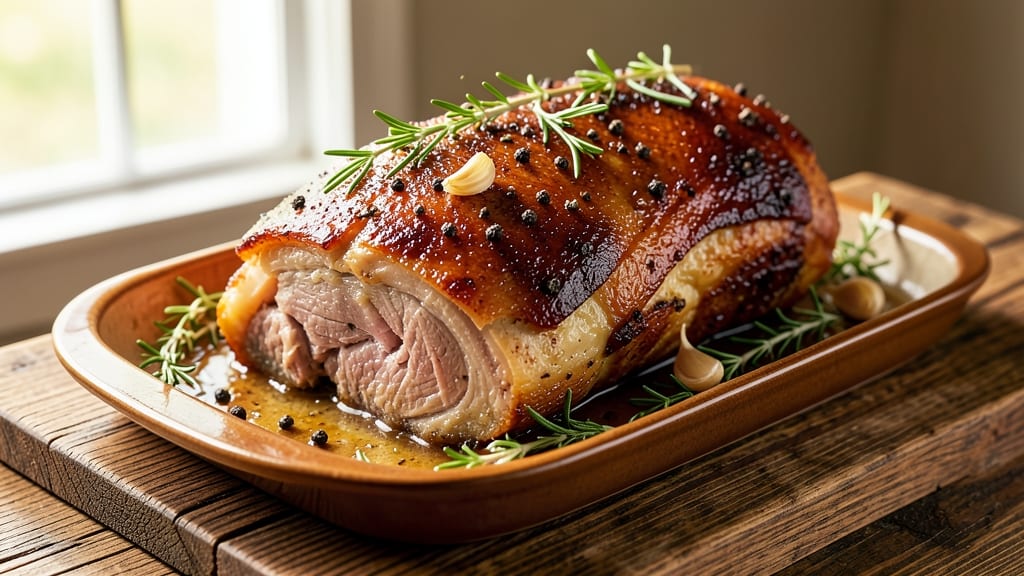
This baked pork shoulder roast recipe transforms a simple cut into melt-in-your-mouth perfection with a herb-infused crust that seals in every juicy bite. After years of perfecting low-and-slow techniques—from my time apprenticing under Master Chef Chen—I’ve developed a method that delivers restaurant-quality results in your home oven.
The secret lies in the balance of time, temperature, and that flavorful crust that keeps the meat impossibly tender.
The process starts with a simple yet effective dry rub of herbs and spices, creating a crust that locks in moisture while adding depth of flavor. Unlike traditional smoking methods, this oven-baked approach gives you consistent results without the need for specialized equipment.
We’ll focus on achieving that perfect internal temperature—no guesswork, just science-backed precision—to ensure your pork shoulder comes out fall-apart tender every time.
By the time you’re done, you’ll have a roast so rich and flavorful it could easily be the centerpiece of any holiday table. The crust remains crisp while the meat inside stays juicy and tender, proving that you don’t need a smoker to create show-stopping pork.
This method also works beautifully as a base for pulled pork, making it versatile for sandwiches or tacos later in the week.
Whether you’re cooking for a crowd or simply craving a hearty meal, this recipe delivers foolproof results with minimal effort. The key is patience—letting the pork shoulder work its magic in the oven while you prepare sides or enjoy a glass of wine. Here’s how to make it happen.
Ingredients for baked pork shoulder roast
Six pounds of pork shoulder and a handful of herbs transform into restaurant-quality roast with crisp crust and juicy center.
| Ingredient | Amount | Notes |
|---|---|---|
| Pork Shoulder (Bone-In) 🐖 | 6 lb | Freshly trimmed for even cooking |
| Kosher Salt 🧂 | 2 tbsp | Diamond Crystal preferred for purity |
| Fresh Rosemary 🌿 | ½ cup | Chopped, stems removed |
| Fresh Thyme 🌿 | ¼ cup | Leaves only, finely chopped |
| Garlic Cloves 🧄 | 8 cloves | Smash flat for deeper flavor |
| Black Peppercorns 🌶️ | 1 ½ tbsp | Freshly cracked for intensity |
| Brown Sugar 🍯 | 2 tbsp | Light or dark variety |
| Smoked Paprika 🌶️ | 1 ½ tbsp | For that subtle smoky depth |
| Extra-Virgin Olive Oil 🫒 | 2 tbsp | For basting and crust formation |
| Apple Cider Vinegar 🍎 | 1 tbsp | Balances richness |
| Onion Powder 🧅 | 1 tbsp | For subtle sweetness |
| Fresh Sage Leaves 🌿 | ¼ cup | Chopped, for extra aromatic depth |
| Yellow Onion 🧅 | 1 whole | Thinly sliced for garnish |
| Fresh Parsley 🌿 | ⅛ cup | Chopped, for finishing |
The pork shoulder is the star—look for a cut with good marbling and vibrant color. Costco or Whole Foods carry bone-in shoulders perfect for this recipe, but any well-marbled cut works. Trim excess fat before seasoning to ensure even cooking. Fresh herbs make all the difference here: Trader Joe's sells pre-chopped rosemary and thyme if you're short on time, but nothing beats freshly chopped. The garlic should be firm and aromatic—avoid any cloves that feel soft or sprouting. For the smoked paprika, Penzeys offers a high-quality version that adds that subtle smoky depth without overpowering.
No fresh rosemary? Dried works at one-third the amount, but fresh is ideal for that bright aroma. Short on thyme? Oregano at half the quantity gives a similar earthy note. The apple cider vinegar can be swapped for red wine vinegar if you prefer, but it adds a nice tang that balances the richness. For the olive oil, use something fruity and peppery—California-grown oils from Whole Foods or Trader Joe's are fantastic choices. The onion powder is non-negotiable for that subtle sweetness that rounds out the flavors. If you're feeling adventurous, add a pinch of ground coriander for a hint of citrusy brightness.
This roast tastes even better the next day—plan ahead! Store leftovers in an airtight container in the fridge for up to 5 days or freeze for 3 months. For pulled pork, reheat in the oven with a splash of broth until tender. The crust stays crisp for about 2 hours after baking, so serve it while it's at its best. If you're making this ahead for a crowd, consider prepping the dry rub and storing it in the fridge until ready to use—just toss it on the pork right before baking.
Why You'll Love This Recipe
- Fewer Tools Needed: I swear by this recipe because it’s the kind of meal that doesn’t demand a whole kitchen. Bone-in pork shoulder? Just season it, stick it in the oven, and forget about it. No fancy equipment, no stress—just good, honest cooking.
- Herb-Packed Magic: That rosemary and thyme? They’re the secret. The garlic cloves get crushed right into the meat, so every bite has this warm, aromatic punch. It’s the kind of flavor that makes you slow down and actually enjoy your meal—no takeout required.
- Leftovers That Shine: Between us, this roast is better the next day. The meat gets even more tender, and I use those leftovers for sandwiches, tacos, or even a quick hash. Honestly, I often bake two just to have it on hand—it’s that good.
- Budget-Friendly Crowd-Pleaser: Pork shoulder is affordable, and one roast feeds my whole family plus leftovers. I’ll be real: my kids don’t even notice it’s not chicken nuggets, and my partner always asks for seconds. Solid, reliable, and kind to my wallet.
Step-by-step instructions for herb-infused pork shoulder roast
Here's how to transform a simple pork shoulder into melt-in-your-mouth perfection.
Prepare the Pork Shoulder for Maximum Flavor and Moisture
Start by trimming any excess fat from the pork shoulder, leaving about ¼ inch to protect the meat during cooking. Pat the entire surface dry with paper towels—this step is crucial for developing that beautiful crust. Place the pork shoulder on a wire rack set over a rimmed baking sheet to allow air circulation on all sides.
In a small bowl, combine 2 tbsp kosher salt, 1.5 tbsp black peppercorns (freshly cracked), 1.5 tbsp smoked paprika, 1 tbsp onion powder, and 2 tbsp brown sugar. Rub this mixture all over the pork shoulder, pressing firmly so the spices adhere. Let it sit at room temperature for 30 minutes—this allows the seasoning to penetrate and the meat to cook more evenly.
Create the Herb-Infused Crust for Irresistible Flavor
While the pork shoulder comes to room temperature, prepare the herb mixture. In a food processor, pulse 0.5 cup fresh rosemary, 0.25 cup fresh thyme, 0.25 cup fresh sage leaves, 8 cloves garlic (smash flat first), and 1 tbsp apple cider vinegar until finely chopped but not puréed. You want a coarse texture that will stick to the pork.
Spread this herb mixture evenly over the entire surface of the pork shoulder. Drizzle 2 tbsp extra-virgin olive oil over the top and rub it in gently. This herb crust is what locks in moisture while creating that irresistible aroma during cooking. The vinegar in the mixture helps tenderize the meat slightly and balances the richness.
Roast Low and Slow for Perfect Tenderness
Preheat your oven to 275°F. Place the pork shoulder in the oven and cook for 6 hours. I know it seems like a long time, but this low temperature is what makes the meat incredibly tender. The herb crust will darken and develop a beautiful caramelized exterior while the interior remains juicy.
After 3 hours, check the internal temperature using a meat thermometer. You're aiming for 160-165°F. If it's not quite there, continue cooking. The pork will continue cooking slightly after you remove it from the oven. The key is patience—rushing this step results in tough, dry meat.
Rest and Slice for Juicy Perfection
Once the pork shoulder reaches the desired internal temperature, remove it from the oven and transfer it to a cutting board. Tent loosely with aluminum foil and let it rest for at least 30 minutes (I prefer 45 minutes for maximum juiciness). This resting period allows the juices to redistribute throughout the meat, ensuring every slice is moist and flavorful.
While the pork rests, thinly slice 1 whole yellow onion and chop 0.125 cup fresh parsley for garnish. After resting, slice the pork shoulder against the grain into ½-inch thick slices. The meat should be fork-tender and pull apart easily. Serve immediately with the sliced onions and parsley sprinkled on top for a fresh, vibrant finish.
Pro Tips For Making Baked Pork Shoulder Roast
- Salt the Night Before: I learned this the hard way—salting pork shoulder 12-24 hours ahead lets the salt penetrate deeper, so you don’t end up with a dry crust and a bland center. Use about 1 tablespoon of kosher salt per pound, then refrigerate uncovered (yes, even if it looks weird).
- Sear the Fat First: High heat for 10-15 minutes on each side before baking renders the fat and locks in flavor—skip this, and you’ll get a greasy pan and a pork shoulder that tastes like nothing. Use a heavy skillet and don’t crowd the meat.
- Don’t Overcrowd the Herbs: Fresh rosemary and thyme are great, but too much makes the meat taste like a Christmas tree. Use about 2 sprigs of each per pound, and crush the garlic cloves with the flat side of your knife—this releases more flavor without turning bitter.
- Baste with Pan Juices: Every 30 minutes, spoon that golden fat from the pan over the pork—it’s the easiest way to crisp the skin and keep the meat moist. I know, I know, it’s extra work, but it guarantees a restaurant-quality crust.
Best sauces and condiments for baked pork shoulder roast
Classic BBQ Glaze
This tangy-sweet glaze elevates your roast with minimal effort. Mix ½ cup ketchup, ¼ cup apple cider vinegar, 2 tbsp brown sugar, 1 tbsp smoked paprika, and 1 tsp garlic powder.
Brush it on the pork during the last 30 minutes of cooking for a sticky, caramelized finish. I love using Heinz ketchup for its balanced sweetness and acidity. 🍯
Honey-Mustard Sauce
For a bright, creamy contrast, blend ¼ cup Dijon mustard, 3 tbsp honey, 2 tbsp olive oil, and 1 tbsp apple cider vinegar. Thin with 2 tbsp warm water if needed.
Drizzle over sliced pork or serve as a dipping sauce for crusty bread. This sauce pairs beautifully with the herb crust's earthy notes. 🍯
Creamy Horseradish Sauce
Add a kick with this zesty sauce: mix ½ cup sour cream, 2 tbsp prepared horseradish, 1 tbsp fresh parsley, and 1 tsp lemon juice.
The horseradish cuts through the pork's richness while adding a refreshing crunch. I use Gourmet Garden horseradish for its consistent heat level. 🌶️
Apple Cider Reduction
Simmer 1 cup apple cider with 2 tbsp brown sugar and 1 cinnamon stick until reduced to ½ cup. Strain and drizzle over sliced pork for a fragrant, slightly sweet finish. This works beautifully with the pork's natural flavors and adds a festive touch. 🍎
Garlic-Herb Butter
Melt ¼ cup unsalted butter with 2 minced garlic cloves, 1 tbsp fresh rosemary, and 1 tsp lemon zest. Spoon over slices of pork just before serving.
The butter adds richness while the garlic and herbs echo the crust's flavors. I use Plugrá butter for its creamy texture. 🧈
Spicy Peach Jam Drizzle
For a Southern-inspired twist, warm ¼ cup spicy peach jam with 1 tbsp apple cider vinegar until smooth. Drizzle over sliced pork and garnish with thinly sliced red onions. The jam's sweetness balances the savory crust perfectly. I love Mott's spicy peach jam for its bold flavor. 🍑
Nutrition facts
Frequently asked questions
Why does this recipe use such a low oven temperature?
Cooking at 275°F for 6 hours breaks down the tough connective tissues in pork shoulder slowly, creating melt-in-your-mouth tenderness. This low-and-slow method prevents moisture loss while developing deep, rich flavors.
Can I use a bone-in or boneless pork shoulder?
This recipe works best with bone-in pork shoulder (like the 6 lb cut called for), as the bone helps retain moisture and adds flavor. If you must use boneless, reduce cooking time by 30-45 minutes—it cooks faster without the bone's insulating effect.
How do I know when the pork is fully cooked?
Use a meat thermometer to check the thickest part of the shoulder—it should reach 160-165°F. The meat will continue cooking slightly after removal, so don't overcook. A properly cooked slice should pull apart easily with two forks.
What if I don't have fresh herbs?
Use dried herbs at one-third the amount (e.g., 1 tbsp dried rosemary instead of 0.5 cup fresh). For maximum flavor, toast dried herbs in a dry pan for 30 seconds before mixing into the rub. Fresh herbs add brightness, but dried still deliver great results.
Can I make this in an Instant Pot or slow cooker?
Yes! For an Instant Pot, cook on Low (200°F) for 3 hours, then check doneness. In a slow cooker, use Low for 8 hours or High for 6 hours. The crust won't be as crisp, but the meat will still be tender. Add ¼ cup broth to the pot to prevent drying.