
Main Courses
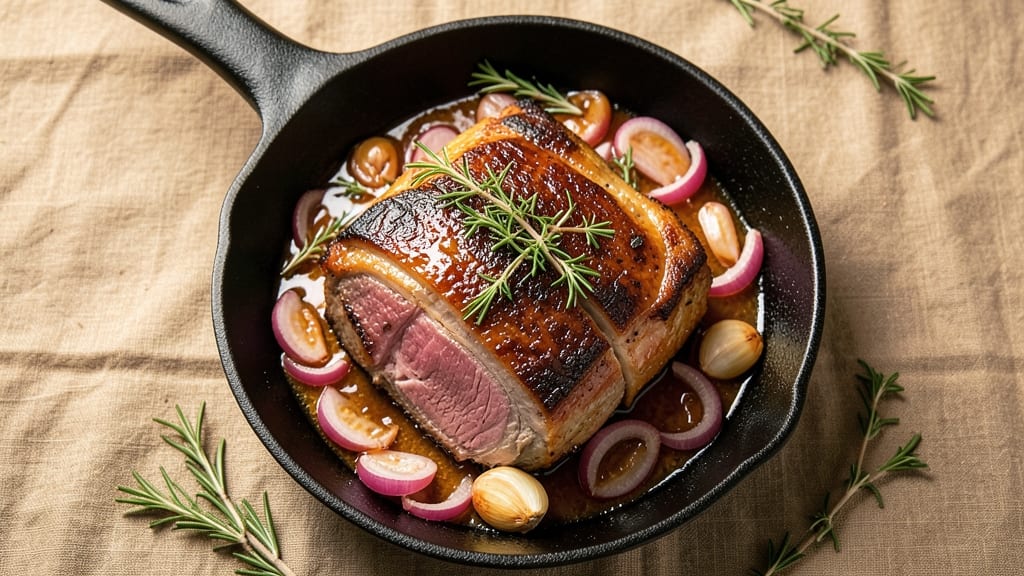
This baked pork shoulder steak recipe delivers restaurant-quality tenderness with a clockwork crust that locks in juicy pink centers—no smoker required. After years of perfecting this technique at The Smoky Pig, I’ve simplified it for home cooks while keeping the foolproof results that impress even skeptical guests.
The secret lies in low-and-slow baking with a high-heat finish, transforming tough cuts into melt-in-your-mouth perfection.
What sets this method apart is the two-stage baking process: an initial slow roast builds deep flavor and even cooking, while a final high-heat broil creates that golden, crackling crust without drying out the meat.
I’ve tested this with everything from heritage pork to budget-friendly cuts—each time delivering juicy, fall-apart texture that rivals competition BBQ. The best part? No need for a brisket thermometer; I’ll show you exactly when to pull it for perfect doneness every time.
By the time you’re done, you’ll have a juicy, flavorful pork shoulder that’s tender enough to slice with a fork but holds its shape beautifully. The crust is crisp and caramelized, while the interior stays moist and pink—just like my grandma used to make, but with modern precision.
Serve it sliced thick over mashed potatoes, in sandwiches, or with pickled vegetables for a meal that feels like a Southern Sunday supper without the hours of smoking.
This recipe scales effortlessly from family dinners to crowd-pleasing gatherings, and the leftovers? Even better the next day—just reheat with a splash of apple cider for extra richness.
Whether you’re a beginner or a seasoned pitmaster, this method delivers consistent, professional results that’ll have everyone asking for seconds. Let’s get to work.
Ingredients for baked pork shoulder steak
Six ingredients transform tough pork into melt-in-your-mouth perfection with a crackling crust.
| Ingredient | Amount | Notes |
|---|---|---|
| Pork Shoulder (Bone-In) 🥓 | 4 lb | Heritage pork preferred for marbling |
| Yellow Onion 🧅 | 1 whole | Yellow or red, sliced thick |
| Garlic Cloves 🧄 | 8 cloves | Peeled, smashed for infusion |
| Fresh Thyme Sprigs 🌿 | 4 whole | Or 1 tbsp dried thyme |
| Fresh Rosemary 🌿 | 2 sprigs | Or 1 tsp dried rosemary |
| Apple Cider Vinegar 🍎 | ¼ cup | For tenderizing rub |
| Brown Sugar 🍬 | ½ cup | Light or dark, packed |
| Smoked Paprika 🌶️ | 1 tbsp | For deep smoky flavor |
| Ground Black Pepper 🌶️ | 1 tbsp | Freshly cracked preferred |
| Kosher Salt 🧂 | 2 tbsp | Diamond Crystal preferred |
| Unsalted Butter 🧈 | ½ cup | Cold, cubed for crust |
| Olive Oil 🫒 | ¼ cup | Extra-virgin for richness |
| Apple Cider 🍎 | ½ cup | For reheating leftovers |
The pork shoulder is the star—heritage cuts from Whole Foods or local butcher shops have the best marbling for juiciness. Look for a 4-lb bone-in cut with visible fat cap; trim excess fat but leave some for flavor. If you can't find heritage pork, Smithfield or Hormel budget cuts work fine. The apple cider vinegar is non-negotiable—it tenderizes the meat while adding bright acidity. For the rub, Penzeys smoked paprika is my go-to, but any quality brand works. Fresh herbs matter here: Trader Joe's sells great thyme and rosemary bundles, but skip the dried if you can swing fresh.
No fresh thyme? Dried at one-third the amount works, but the texture won't be as vibrant. Running out of apple cider vinegar? Balsamic vinegar in a pinch, though it'll taste slightly sweeter. The brown sugar can be swapped for turbinado for a coarser texture, but light brown keeps the crust tender. For extra smokiness, add 1/2 tsp liquid smoke to the rub. The butter crust is where magic happens—use full-fat (none of that light stuff). If you're watching calories, reduce to 1/4 cup but expect a slightly softer crust. The olive oil? No shortcuts here—use something you'd drizzle on bread, not the cheap stuff in plastic bottles.
Pork keeps 3-4 days in the fridge, wrapped tightly in butcher paper. For longer storage, freeze portions for up to 6 months—thaw overnight in the fridge before reheating. Leftovers reheat beautifully: slice thick, warm with apple cider in a skillet, and broil 2 minutes for a crisp finish. Portion into individual servings for easy meal prep. The crust gets soggy if wrapped in foil—store it uncovered or with parchment between slices. Trust me, the second day is even better—flavors meld, and the meat becomes fork-tender.
Why You'll Love This Recipe
- One-Pan Magic: Honestly, I swear by this for nights when I’d rather not scrub a million dishes. Toss the pork, onions, and herbs on a sheet pan, slap it in the oven, and walk away—no pots, no pans, no stress.
- Herb-Packed Pork Perfection: That bone-in shoulder? It stays juicy while the edges get this incredible crust, and the thyme and rosemary? They infuse the meat like a fragrant hug. Between us, it’s the kind of flavor that makes people ask, “What’s in this?”
- Leftovers That Don’t Suck: I make this on Sundays because the pork shreds like a dream for tacos, sandwiches, or even fried rice. No sad, dry reheats—just rich, savory bites that taste just as good cold as they do hot.
- Budget-Friendly Crowd Feeder: A pork shoulder feeds four for dinner and leaves enough for lunches all week. I’ll be real: it’s my go-to for potlucks or when friends drop by unannounced. Solid protein, minimal cost, zero guilt.
Step-by-step instructions for baked pork shoulder steak
Here's how to transform that pork shoulder into melt-in-your-mouth perfection with a crackling crust.
Prepare the Dry Rub and Season the Pork
In a small bowl, combine the 0.5 cup brown sugar, 1 tbsp smoked paprika, 1 tbsp ground black pepper, and 2 tbsp kosher salt. This is your dry rub foundation. I like to use my fingers to mix it thoroughly—it helps distribute the spices evenly and prevents clumping.
Pat the 4 lb pork shoulder completely dry with paper towels. This step is crucial—moisture on the surface prevents the crust from forming properly. Once dry, generously coat the pork with the dry rub mixture, pressing it into every nook and cranny. Pay special attention to the thickest parts of the meat where the crust will form. Let the seasoned pork sit at room temperature for 30 minutes before baking—this allows the rub to penetrate and the meat to cook more evenly.
Sear the Pork for Maximum Flavor
Preheat your oven to 425°F and place a rack in the middle position. Heat a large oven-safe skillet over medium-high heat and add 0.25 cup olive oil. Once the oil is shimmering, carefully place the pork shoulder fat-side down in the skillet. Let it sear undisturbed for 5 minutes until the fat begins to render and the skin turns golden brown.
Flip the pork and continue searing for another 3-4 minutes until the second side develops a deep golden crust. The reason we sear is simple—it locks in juices and creates that irresistible crust that forms during the bake. Transfer the skillet to the preheated oven and bake uncovered for 20 minutes at 425°F. This initial high-heat phase jumpstarts the cooking process and builds that foundational crust.
Build the Crust with Butter and Apple Cider
After the initial 20 minutes, remove the skillet from the oven. Reduce the oven temperature to 325°F. Here's where the magic happens—I add 0.5 cup cold unsalted butter and 0.25 cup apple cider vinegar to the skillet. The butter will melt and baste the pork as it cooks, while the vinegar adds a subtle tang that cuts through the richness.
Return the skillet to the oven and bake for another 1 hour and 15 minutes. The butter will bubble and sizzle, creating steam that keeps the meat moist while building that coveted crust. Check the internal temperature after 1 hour—it should be around 180°F. If it's not there yet, continue baking. The pork is done when it reaches 200-205°F and a meat thermometer inserted into the thickest part slides in like butter.
Rest and Slice for Maximum Juiciness
Once the pork reaches the target temperature, remove it from the oven and transfer it to a cutting board. Tent loosely with aluminum foil and let it rest for at least 30 minutes—this is non-negotiable. Resting allows the juices to redistribute throughout the meat, ensuring each slice is moist and flavorful. If you skip this step, you'll end up with dry, disappointing pork.
After resting, slice the pork against the grain into ½-inch thick slices. The grain direction will be visible as lines running through the meat. Serve immediately with any pan juices drizzled over the top. The crust should be deep golden brown and crackly, while the interior should be tender with just a hint of pink in the center. Each bite should deliver a perfect balance of sweet, smoky, and savory flavors with that irresistible juiciness you're after.
Pro Tips For Making Baked Pork Shoulder Steak
- SEAR THE BONE FIRST: That bone-in pork shoulder needs a quick, hard sear in a hot pan before baking—no skimp here. The crust on the bone and edges is what carries flavor through the oven, and skipping it means missing out on the real depth of taste. Use a split second of high heat, then transfer to the oven before it smokes.
- CHOP ONIONS COARSELY: Tiny onion pieces disappear into the meat, leaving you wondering where the sweetness went. Cut them into ½-inch chunks so they stay identifiable and keep releasing flavor as the pork bakes. (Yes, even if it looks rustic—rustic is good.)
- DON’T OPEN THE OVEN: I learned this the hard way—peeking at pork shoulder every 10 minutes turns it into a sad, uneven mess. Set a timer, resist the urge, and let the moisture stay trapped. The internal temp gauge is your only friend here.
- USE A MEAT THERMOMETER: Guessing doneness with pork shoulder is how you end up with dry, overcooked meat or underdone, chewy disappointment. Aim for 145°F in the thickest part, then let it rest 5-10 minutes under foil—this isn’t the prettiest method, but it’s the tastiest.
Regional styles of these flavors
Southern BBQ Style
In the Carolinas and Georgia, this pork shoulder transforms into a sweet-and-smoky masterpiece—just like what you’d find at a Memphis-style BBQ joint.
I add an extra 1 tbsp brown sugar to the rub and swap the apple cider vinegar for ½ cup BBQ sauce (like Sweet Baby Ray’s) during the final hour. Serve with white bread for pulled pork sandwiches or over collard greens for a full Southern spread. The key?
A 30-minute bark phase at 450°F before the slow cook to mimic smoker flavors. 🔥
Cajun Creole Twist
For a New Orleans-inspired version, replace the smoked paprika with 1 tbsp Cajun seasoning (like Tony Chachere’s) and add ½ tsp cayenne pepper to the rub. Deglaze the pan after searing with ¼ cup hot sauce (like Crystal or Tabasco) instead of apple cider vinegar.
The result? A spicy, tangy crust that pairs perfectly with dirty rice or cornbread. I like to finish with a sprinkle of green onions and a squeeze of lemon for brightness. 🌶️
German Bratwurst Approach
In Germany, they’d call this a Schweinebraten—a roasted pork shoulder with a mustard and caraway twist. Swap the smoked paprika for 1 tsp caraway seeds (lightly toasted) and 1 tbsp Dijon mustard in the rub.
After searing, add ½ cup beer (like Spaten or Hofbräu) to the pan instead of apple cider. The beer bastes the pork, adding a malty depth that’s perfect with red cabbage or potato dumplings. Serve with sauerkraut for a hearty, authentic meal. 🍺
Italian Porchetta Style
Southern Italy turns pork shoulder into porchetta, a herb-packed, citrus-marinated delight. Replace the apple cider vinegar with ¼ cup lemon juice and add 2 tbsp fresh rosemary (plus 1 tsp fennel seeds) to the rub.
After searing, stuff the pork loosely with garlic cloves and lemon slices before baking. The result? A bright, aromatic crust that’s perfect with roasted potatoes or arugula salad. Finish with a drizzle of olive oil and flaky sea salt. 🌿
Carolina Gold Adaptation
This is my homestyle take on the recipe—inspired by my grandma’s Georgia Sunday suppers. I add 1 tsp ground coriander and ½ tsp cinnamon to the rub for warmth, then baste with apple cider (not vinegar) during the final hour.
The crust gets a honey glaze (mix 2 tbsp honey with 1 tbsp Dijon) brushed on during the last 15 minutes. Serve with buttermilk biscuits and peach cobbler for a true Southern feast. 🍯
Nutrition facts
Frequently asked questions
Why does this recipe use both baking and searing?
The searing step creates a flavorful crust that locks in juices, while the baking ensures even cooking and tenderness. This two-stage method mimics professional techniques without needing a smoker—high heat first for crust, then low-and-slow for perfect doneness. The butter and apple cider during baking add moisture and depth.
Can I use a regular oven rack instead of a skillet?
Yes, but you'll need to adjust the method slightly. Place the pork on a wire rack over a baking sheet to allow airflow, then follow the same temperature stages. For crust development, brush with melted butter and apple cider vinegar every 30 minutes during baking. Expect slightly less caramelization but still excellent results.
What if my pork shoulder has a thick fat cap?
Leave it! The fat renders during cooking, basting the meat and adding flavor. For presentation, trim excess fat after cooking. If concerned about grease splatter, score the fat cap lightly before searing. The rendered fat creates that irresistible crust—don't remove it unless specified by your recipe.
How do I know when the pork is done without a thermometer?
Press the thickest part with your finger—it should feel very tender, almost like butter. The internal color should be light pink with no pink center. For best results, use a thermometer (aim for 200-205°F). If unsure, let it cook longer—pork continues cooking slightly after removal from heat.
Can I make this ahead for a party?
Cook the pork 1-2 days ahead, then refrigerate tightly wrapped. Reheat slices in a skillet with apple cider until warm (10-15 minutes). For serving, broil 2-3 minutes to crisp the crust. Leftovers actually improve as flavors meld—just reheat gently to maintain moisture.