
Main Courses
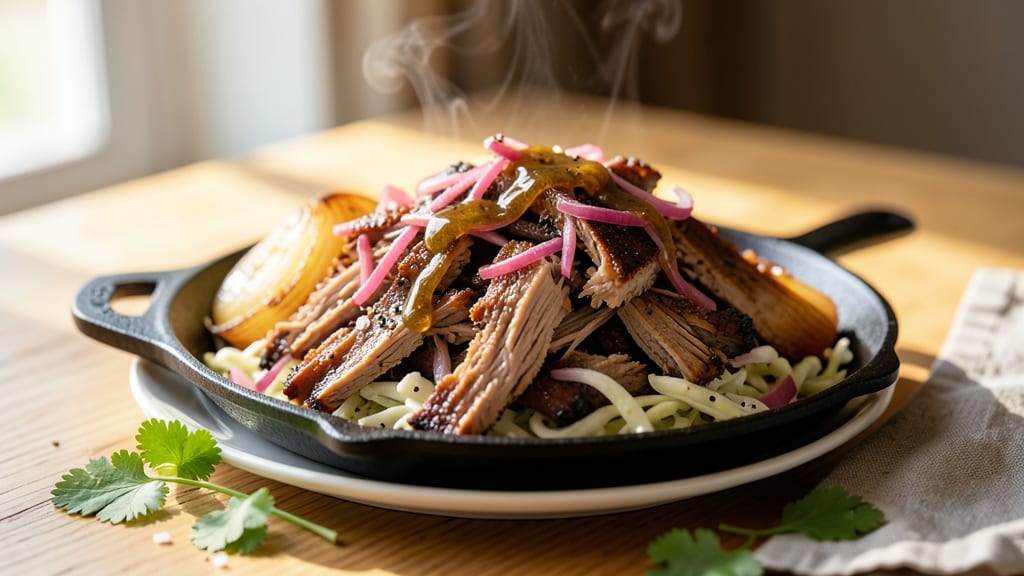
This cheap pulled pork recipe proves you don’t need expensive cuts or fancy equipment to make restaurant-quality shreds. I developed this method after years of cooking for crowds at my pit, using budget-friendly pork shoulder that transforms into tender, smoky perfection with just a few simple ingredients and one pot. The secret lies in low-and-slow cooking—no fancy gadgets, just patience and a reliable heat source.
What makes this recipe work is the balance of affordability and flavor. A basic dry rub of salt, pepper, and paprika creates a flavorful bark, while a splash of apple cider vinegar tenderizes the meat during cooking.
The result is meat that falls apart at the touch of a fork, with that signature smoky aroma that fills your whole house. Best of all, it costs a fraction of what you’d pay for pre-shredded pork at the store.
By the time you’re done, you’ll have enough pulled pork for a full meal—think sandwiches, tacos, or even loaded baked potatoes—with leftovers that taste just as good reheated. The slow cooking process means minimal effort on your part, and the rich, savory flavor will have everyone asking for seconds.
This is the kind of recipe that turns a simple weeknight dinner into a crowd-pleasing feast.
Serve it with store-bought coleslaw or a simple cornbread to round out the meal. The beauty of this recipe is its flexibility—it works for family dinners, game days, or even meal prep for the week ahead.
Let’s get cooking with pork that won’t break the bank but delivers big on flavor.
Ingredients for cheap pulled pork
Six ingredients transform budget pork shoulder into smoky, tender perfection—no fancy gear needed.
| Ingredient | Amount | Notes |
|---|---|---|
| Pork Shoulder 🐷 | 4 lb | Bone-in for best flavor |
| Yellow Onion 🧅 | 1 whole | Chopped into 1-inch pieces |
| Garlic Cloves 🧄 | 6 cloves | Minced for even distribution |
| Apple Cider Vinegar 🍏 | ½ cup | For tenderizing the meat |
| Kosher Salt 🧂 | 2 tbsp | Diamond Crystal preferred |
| Ground Black Pepper 🌶️ | 1 tbsp | Freshly cracked for best flavor |
| Smoked Paprika 🌶️ | 2 tbsp | For deep smoky flavor |
| Brown Sugar 🍬 | 2 tbsp | Light or dark variety |
| Chicken Broth 💧 | 2 cups | Low-sodium preferred |
| Olive Oil 🫒 | 2 tbsp | For searing the pork |
| Fresh Thyme Leaves 🌿 | ¼ cup | Or 1 tbsp dried thyme |
| Bay Leaves 🍃 | 2 whole | For aromatic depth |
The pork shoulder is the star here. Bone-in cuts stay juicier, and Costco or Walmart sell them at unbeatable prices. Look for pieces with good marbling—they’ll be more flavorful. If you’re buying a whole shoulder, ask the butcher to trim it to about 4 lbs for this recipe. I always grab mine from Kroger’s meat department—they keep it consistently fresh. The apple cider vinegar might seem odd, but it’s magic for tenderizing. Bragg or Texas Pete are my go-tos, but any good-quality vinegar works.
No smoked paprika? Regular paprika plus a pinch of liquid smoke gets you close. Fresh thyme is ideal, but dried works at one-third the amount. The brown sugar caramelizes beautifully, but white sugar in a pinch works fine. Chicken broth can be swapped for water if needed, but the flavor difference is noticeable. For the dry rub, I like to mix everything in a bowl first—salt, pepper, paprika, and sugar—so it sticks evenly to the pork. If you’re short on time, even a quick sprinkle of salt and pepper will give you decent flavor, but the full rub is worth the 2 minutes.
This keeps for days in the fridge, so make extra. Portion into airtight containers for easy reheating—microwave with a splash of broth to keep it moist. Freezes beautifully for up to 3 months. The pork will actually taste better after a day or two as the flavors meld. Serve it on buns with coleslaw, or stuff it into tacos. The leftovers make killer breakfast tacos too—just fry up some eggs and top with the pork. Trust me, you’ll want to make this twice in one week.
Why You'll Love This Recipe
- Five-Ingredient Magic: Honestly, this recipe nails it with just pork shoulder, onion, garlic, vinegar, and salt. No fancy rubs or specialty tools—just the basics that actually work.
- Slow-Simmered Richness: That apple cider vinegar and garlic? They melt into the meat until every bite has this perfect balance of tangy, smoky, and savory. Not too sweet, not too salty—just right.
- Leftovers That Last: Between us, this makes way more than you’ll eat in one sitting. Freeze half for tacos next week or sandwiches when you’re too tired to cook. Zero waste, all flavor.
- Budget Stretch: Pork shoulder is cheap, but it feels special. I’ve fed six people for under $15 with this—no shortcuts, just solid, satisfying meat that disappears fast.
Step-by-step instructions for budget-friendly pulled pork
This one-pot method delivers restaurant-quality pulled pork without breaking the bank.
Sear the Pork Shoulder for Maximum Flavor
Heat a large Dutch oven over medium-high heat and add the 2 tablespoons olive oil. Once the oil shimmers, place the 4 lb pork shoulder fat-side down in the pot. Press down gently with a spoon to ensure even contact—this prevents curling and creates a better sear.
Let it sear undisturbed for 5-6 minutes until the fat renders and the skin develops a deep golden-brown crust. You'll smell the fat sizzling—this is where all the flavor starts. Flip the pork over and sear the other side for another 4-5 minutes. Remove the pork and set it aside temporarily.
Build the Flavor Base with Aromatics
In the same Dutch oven, add the 1 whole yellow onion chopped into 1-inch pieces and the 6 cloves garlic cloves that have been minced. Cook for 5-6 minutes until the onions soften and the garlic becomes fragrant—you should smell that sweet, savory aroma developing.
Stir in the 2 tablespoons kosher salt, 1 tablespoon ground black pepper, 2 tablespoons smoked paprika, and 2 tablespoons brown sugar. Cook for another 1 minute to toast the spices slightly. This step creates the flavor foundation for your pulled pork.
Deglaze and Simmer the Pork
Pour in the 0.5 cup apple cider vinegar and scrape up all those delicious browned bits from the bottom of the pot. These bits are packed with flavor—don't miss this step! Let the vinegar simmer for 2-3 minutes until it reduces by half.
Return the pork shoulder to the pot, fat-side up. Add the 2 cups chicken broth, 0.25 cup fresh thyme leaves, and 2 whole bay leaves. Bring everything to a gentle simmer, then reduce heat to low. Cover the pot and let it cook for 2.5-3 hours.
Check for Tenderness and Finish Cooking
After 2.5 hours, check the pork for tenderness by inserting a fork or meat thermometer. It should be fork-tender with an internal temperature of 195-200°F. If it's not quite there yet, continue cooking for another 30-60 minutes.
Once the pork is tender, remove it from the pot and place it on a cutting board. Let it rest for 10 minutes before shredding. This resting time allows the juices to redistribute, making each bite juicier. Meanwhile, skim off any excess fat from the cooking liquid and set it aside.
Shred and Serve Your Budget Pulled Pork
Use two forks to shred the pork against the grain into ¼-inch thick strands. Return the shredded pork to the pot with the cooking liquid and stir gently to combine. Taste and adjust seasoning if needed—you might want to add a bit more salt or a splash of vinegar for brightness.
Serve immediately over buns for sandwiches, with rice for bowls, or over roasted potatoes for a hearty meal. This budget-friendly pulled pork delivers rich, smoky flavor without the expensive ingredients—perfect for feeding a crowd on a budget.
Pro Tips For Making Cheap Pulled Pork
- Trim the Fat First: Cut off the thick white fat cap on your pork shoulder before cooking—it doesn’t render flavor, just turns greasy. I learned this the hard way after dealing with a pot of soupy, unappetizing fat that made my pulled pork taste like it was swimming in lard.
- Sear the Onions Low: Cook your onions and garlic slow over medium heat until deep golden, not crispy. After burning three batches, I finally figured out that high heat turns them bitter—you want them soft enough to blend into the sauce but still packed with flavor.
- Acid First, Salt Last: Add the apple cider vinegar to the pot before the pork goes in—it tenderizes the meat faster. Save the kosher salt for the end; sprinkling it on after cooking lets you taste and adjust, which is way more useful than guessing.
- Check Internal Temp: Pull the pork at 195–203°F, not when it "looks done." I used to eyeball it and ended up with either tough shreds or a sad, undercooked mess. A meat thermometer is cheap and changes everything—no more guesswork.
Wine and beer pairings for these flavors
Southern-Style Beer Pairings
For true Southern comfort, reach for an American pale ale like Blue Moon or Fat Tire. The light hop bit balances the pork's richness while complementing the smoky paprika. I often serve this with Leinenkugel's Summer Shandy—its citrusy apple notes cut through the pork's fat beautifully.
These beers are widely available and budget-friendly, just like your pulled pork. 🍺
Craft IPA for Bold Flavors
If you prefer something bolder, a hazy IPA like New England-style beers (think Trillium Brewing) adds tropical fruit notes that play off the caramelized onions. The juicy, citrusy profile prevents the pork from tasting heavy. Just avoid overly bitter IPAs—they'll clash with the sweetness in the sauce.
Wine Options for Elegance
For a wine pairing, I recommend a medium-bodied red like Zinfandel or Montepulciano d'Abruzzo. Their peppery, fruity notes mirror the spices in your rub while standing up to the pork's richness. A dry Riesling is also a surprising winner—its acidity cleanses the palate between bites. 🍷
Non-Alcoholic Pairings
Don't drink alcohol? No problem. A ginger beer like Brew Dr. Brown's adds spicy-sweet contrast, while a sparkling apple cider (like Martinelli's) keeps things crisp. For something savory, try a smoky black tea with a splash of lemon—it enhances the pork's aroma without overpowering it.
Regional Beer Deep Dive
In my home state of Georgia, I always reach for Atlanta's SweetWater 420 IPA—its piney hops complement the smoky flavors perfectly. For a true Carolina twist, Charleston Brew Works' Orange Blossom Ale adds floral notes that pair wonderfully with the pork's caramelized onions.
These local options make the meal feel even more special.
Nutrition facts
Frequently asked questions
Can I use a slow cooker instead of a Dutch oven?
This recipe works perfectly in a 6-quart slow cooker. Brown the pork in a skillet first, then transfer it to the slow cooker with all the aromatics and liquid. Cook on low for 8-10 hours or high for 5-6 hours until fork-tender. The slow cooker method is even more hands-off and budget-friendly since you won't need to monitor the heat.
What's the cheapest cut of pork I can use for this?
The pork shoulder is your best budget pick, but pork butt works just as well—they're often sold at the same price. Look for bone-in cuts at stores like Walmart, Costco, or local butcher shops for the best value. If you're really tight on funds, even pork loin can work, though it won't be as tender. Always check for visible fat marbling—it keeps the meat juicy during cooking.
How do I make this recipe even cheaper?
Skip the fresh thyme and use dried thyme (1 tbsp instead of ¼ cup), swap chicken broth for water + 1 tsp bouillon, and use regular paprika + ½ tsp liquid smoke instead of smoked paprika. Buy store-brand spices and shop sales for your pork shoulder. The apple cider vinegar can be replaced with white vinegar or lemon juice if needed. These tweaks cut costs by 30-40% without sacrificing flavor.
Why does my pulled pork turn out dry?
Overcooking is the #1 cause. The pork is done at 195-200°F—use a meat thermometer to avoid guesswork. If it's still tough, cook it longer (up to 4 hours total). Never skip the 10-minute rest before shredding, or the juices will run out. For extra moisture, add ¼ cup broth when shredding or serve with the cooking sauce spooned over the top.
Can I make this in a crockpot on the stove?
Yes! Place your crockpot on a burner set to low heat (about 170°F) and cook for 6-8 hours with the lid slightly ajar. Monitor the temperature closely—it should never exceed 200°F. This method works best in colder months when your kitchen stays cooler. For safety, never leave it unattended on the stove.