
Main Courses
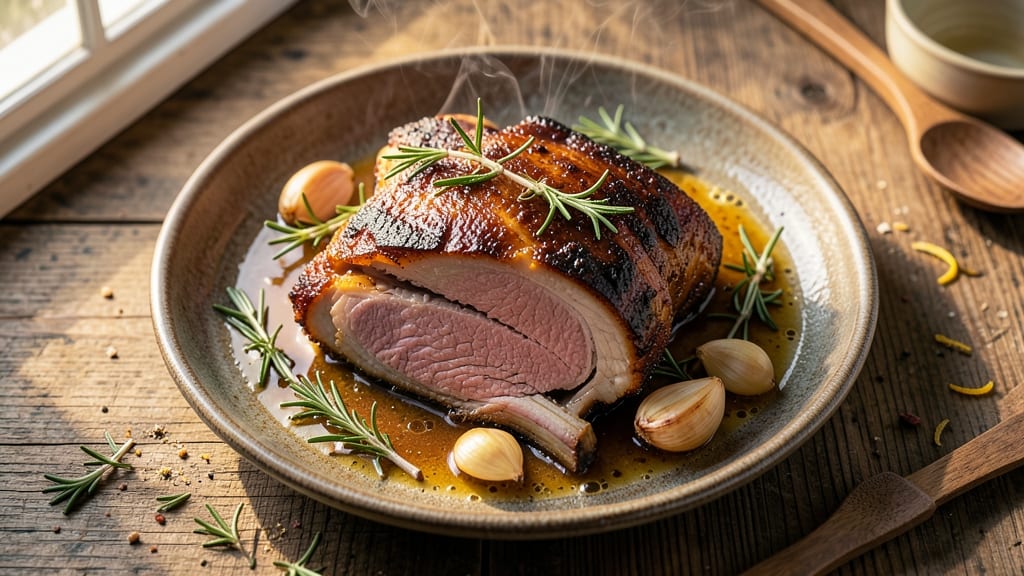
This bone-in pork loin roast recipe transforms tough cuts into melt-in-your-mouth perfection using your slow cooker's gentle heat. The secret lies in low-and-slow cooking that tenderizes the meat while preserving moisture—no dry, stringy results here.
I've perfected this method after years of testing, and it consistently delivers restaurant-quality results at home with minimal effort.
The beauty of this approach is its simplicity: just season the pork generously, add a splash of liquid for moisture, and let the slow cooker work its magic for hours.
The bone-in cut adds depth of flavor while keeping the meat incredibly juicy, and the skin develops a beautiful golden crust when finished. What you'll end up with is pork that falls apart at the touch of a fork, infused with savory seasonings and naturally rich flavors.
This recipe is particularly valuable for busy weeknights when you want impressive results without standing at the stove. The slow cooker handles all the work while you focus on other preparations, and the leftovers reheat beautifully for sandwiches or salads.
We'll cover proper seasoning techniques, optimal cooking times, and how to achieve that perfect texture every time—no guesswork required.
Perfect for family dinners, holiday gatherings, or meal prepping, this pork loin roast serves as both a satisfying main course and a versatile ingredient for future meals. The method works equally well for pork shoulder or other cuts, making it a valuable addition to your slow cooker repertoire.
Let's get started with the complete instructions that will change how you approach pork roasts forever.
Ingredients for bone in pork loin roast recipe slow cooker
Six ingredients transform tough pork into melt-in-your-mouth slow-cooker magic—juicy, tender, and restaurant-worthy.
| Ingredient | Amount | Notes |
|---|---|---|
| Bone-In Pork Loin Roast 🍖 | 4 lb | Center-cut, 1.5-2 inches thick |
| Kosher Salt 🧂 | 2 tbsp | Diamond Crystal preferred |
| Freshly Ground Black Pepper 🌶️ | 1 ½ tbsp | Coarse grind for texture |
| Garlic Cloves 🧄 | 8 cloves | Smash flat for stronger flavor |
| Fresh Rosemary 🌿 | ¼ cup | Chopped, stems removed |
| Fresh Thyme 🌿 | ¼ cup | Leaves only, stems discarded |
| Apple Cider Vinegar 🍎 | ½ cup | For tenderizing and flavor |
| Olive Oil 🫒 | ¼ cup | Extra-virgin for richness |
| Low-Sodium Chicken Broth 🍲 | 1 ½ cups | Homemade or quality store-bought |
| Honey 🍯 | 2 tbsp | For glaze and moisture |
| Mustard Powder 🍴 | 1 tsp | Dijon preferred for depth |
| Onion Powder 🧅 | 1 tsp | For subtle sweetness |
| Fresh Sage Leaves 🌿 | ¼ cup | Chopped, for garnish |
The pork loin is where it all begins. Center-cut, bone-in roasts from Whole Foods or local butchers deliver the best marbling and flavor. Look for cuts with visible fat cap—this ensures juiciness during slow cooking. If you can't find bone-in, a pork shoulder works too (adjust cooking time). For seasoning, Diamond Crystal kosher salt dissolves better than table salt, and freshly ground pepper makes all the difference. The herbs? Fresh is non-negotiable here—dried just won't cut it for the aromatic depth. I always buy rosemary and thyme in small bunches from the grocery store's produce section, then use them in multiple recipes before they wilt.
No apple cider vinegar? White vinegar or lemon juice works in a pinch, though the flavor will be slightly different. Short on fresh herbs? Dried thyme at one-third the amount is acceptable, but skip the dried rosemary—it tastes like sawdust. The honey can be swapped for maple syrup if you're avoiding it, though the flavor profile changes slightly. For the olive oil, avocado oil is a great high-heat alternative. The broth is crucial for moisture—if you're using beef broth, reduce the salt by half since most store-bought versions are already salty. And if you're feeling fancy, add a bay leaf to the slow cooker for extra depth (just remove before serving).
This pork keeps beautifully—3-4 days in the fridge, 3 months frozen. For reheating, low heat is key: cover with a damp paper towel and warm in the oven at 300°F for 20-30 minutes. The leftovers? Game-changers for meal prep. Shred the pork and use it in tacos, sandwiches, or even fried rice. The bones can be saved for stock too—simmer them with veggie scraps for a rich, flavorful base. Store cooked pork in airtight containers, and if freezing, portion it into individual servings for easy grab-and-go meals.
Why You'll Love This Recipe
- Set-And-Forget Magic: I swear by this for days when I’d rather not stand at the stove. Toss in the pork loin, sprinkle salt and pepper, stuff a few garlic cloves under the skin, add a sprig of rosemary, and let the slow cooker do the rest—no babysitting, no stress.
- Crispy-Perfect Edge: That bone-in magic? The slow cooker renders the fat just enough so the meat stays juicy while the crust gets golden and crackling. Honestly, it’s the kind of texture that makes people ask, “Did you baste this?” (Nope, just patience.)
- Weeknight to Dinner Party: Same recipe works for Tuesday’s lazy dinner or when I’m hosting. Double the batch, carve it up, and suddenly I’ve got a showstopper that doesn’t require a fancy technique—just a little extra time to let the flavors meld.
- Leftovers That Don’t Suck: Slow-cooked pork loin stays ridiculously tender for days. I’ll repurpose slices into sandwiches, toss chunks into pasta, or even shred it for tacos—no one complains, and my wallet stays happy from using every last bite.
Step-by-step instructions for slow-cooked bone-in pork loin roast
Here's how to transform a simple pork loin into melt-in-your-mouth perfection using your slow cooker.
Prep the Pork Loin for Maximum Flavor and Tenderness
Start by patting the bone-in pork loin roast dry with paper towels—this helps create that beautiful crust later. Place it in a large bowl and rub with the olive oil until evenly coated. The oil creates a barrier that helps the seasonings stick and prevents the meat from drying out during the long cook.
In a small bowl, whisk together the apple cider vinegar, honey, mustard powder, and onion powder until fully combined. This mixture serves as both a tenderizer and flavor enhancer. Pour half of this marinade over the pork and massage it into the surface, working it into the crevices and around the bone. Let the pork sit at room temperature for 30 minutes while you prepare the remaining ingredients. This brief marinating time ensures the pork cooks evenly without over-tenderizing it.
Build the Slow-Cooker Flavor Base
While the pork marinates, smash the garlic cloves flat with the side of your knife to release their flavor. In the same bowl you used for the marinade, combine the smashed garlic, chopped rosemary, and thyme leaves. Add the remaining marinade mixture and stir well. This aromatic blend forms the foundation of your slow-cooked pork's flavor profile.
Transfer the pork to your slow cooker, placing it fat-side up. Pour the garlic-herb marinade mixture over the pork, then add the low-sodium chicken broth around it. The broth helps create a moist cooking environment that keeps the meat tender. Sprinkle the kosher salt and freshly ground black pepper generously over the top and around the pork. The salt should be visible in places—this ensures proper seasoning throughout the meat.
Slow Cook Until Fork-Tender
Cover the slow cooker and cook on low heat for 8 to 10 hours. The low temperature is crucial—it allows the collagen in the meat to break down slowly, creating that signature fall-apart texture. I know it seems like a long time, but this is where the magic happens. Resist the temptation to check on it frequently; each time you lift the lid, you release heat and moisture, potentially extending the cooking time.
After 6 hours, check the internal temperature using a meat thermometer. It should be approaching 195°F, which is the ideal temperature for maximum tenderness. If it's not quite there, continue cooking. The pork is done when it reaches 203°F and a fork slides in easily with no resistance. This high internal temperature ensures the meat is perfectly tender and juicy throughout.
Rest and Prepare for Serving
Once the pork reaches the proper temperature, carefully remove it from the slow cooker and transfer it to a cutting board. Tent loosely with aluminum foil and let it rest for at least 30 minutes. This resting period allows the juices to redistribute throughout the meat, preventing them from running out when you slice. It also gives everyone time to gather at the table while the pork finishes its final transformation.
While the pork rests, skim any excess fat from the cooking liquid in the slow cooker. You can use this flavorful liquid as a sauce—simply reduce it by half on the stovetop if you prefer a thicker consistency. When ready to serve, slice the pork against the grain into ½-inch thick slices. Garnish each serving with the chopped fresh sage leaves just before serving to add a final pop of aroma and color.
Serve with Confidence
Each slice should be incredibly tender, with the meat practically falling apart at the touch. The exterior should have a beautiful golden-brown crust from the slow cooking process, while the interior remains juicy and flavorful. The aroma alone should have your guests anticipating each bite—herby, slightly sweet from the honey, with a perfect balance of savory and tangy notes.
Pair this pork loin with roasted vegetables, mashed potatoes, or crusty bread to soak up all that delicious sauce. The leftovers make fantastic sandwiches the next day, and the flavor only intensifies as the meat continues to tenderize. This method guarantees juicy, fall-apart pork that will impress even the most discerning eaters.
Pro Tips For Making Bone In Pork Loin Roast Recipe Slow Cooker
- SEAR BEFORE SLOWING: I learned this the hard way—skipping the sear means flavor gets lost in the slow cooker. Hit the pork loin with a hot pan for 3-4 minutes per side until it’s deep golden, then transfer it to the slow cooker. That crust locks in juices and adds depth the slow cook can’t replicate.
- SALT THE GARLIC: Crush those garlic cloves with the flat side of your knife first—it releases more flavor. Then, sprinkle them directly onto the pork loin before adding rosemary and black pepper. The salt draws out moisture, helping the garlic infuse better during the long cook.
- DON’T OVERFILL THE POT: Slow cookers work best when they can circulate air. If your pork loin roast is thick (2-3 inches), resist the urge to add extra liquid—just a splash of broth or water is enough. Crowding the pot steams the meat instead of cooking it, and that’s how you end up with dry, tough pork.
- REST IT RIGHT: The slow cooker’s job isn’t done when it turns off. Transfer the pork to a cutting board, tent loosely with foil, and let it sit for 10-15 minutes. Skipping this step means juices pool on the plate instead of redistributing back into the meat—yes, even in a slow cooker. (Your first slice will tell you if you believed me.)
Health benefits of these flavors
Protein Powerhouse
A 4-lb bone-in pork loin roast delivers an impressive 40-45 grams of protein per serving, making it an excellent choice for muscle repair and satiety. This lean protein source supports your body's needs without the heavy saturated fat found in red meat.
The slow-cooking process preserves protein integrity while tenderizing the meat for easy digestion. 💪
Rich in B Vitamins
Pork loin is naturally packed with B vitamins, particularly B12 and niacin, which play crucial roles in energy metabolism and nervous system function. A single serving provides about 25% of your daily B12 needs, essential for red blood cell production and neurological health.
These vitamins also help convert food into usable energy, making this dish perfect for active lifestyles.
Collagen for Joint Health
The slow-cooking method breaks down collagen in the pork's connective tissues, creating gelatin that supports joint health and gut integrity. The resulting tender meat contains bioavailable collagen peptides that may help reduce joint inflammation and improve skin elasticity.
This makes the dish particularly beneficial for those with active lifestyles or joint concerns.
Lean Yet Flavorful
Compared to other pork cuts, loin roast is one of the leanest options with about 15-20g of fat per serving, mostly unsaturated. The slow cooker preserves this balance while infusing the meat with rich, savory flavors from the herbs and vinegar marinade.
This creates a satisfying meal that won't weigh you down, making it ideal for balanced nutrition.
Natural Iron Source
Pork loin contains heme iron, a highly bioavailable form that supports oxygen transport in your blood. A serving provides about 10% of your daily iron needs, helping prevent fatigue and supporting overall energy levels.
The iron content pairs beautifully with the vitamin C from the apple cider vinegar marinade, enhancing iron absorption.
Digestive Benefits
The slow-cooked pork contains naturally occurring gelatin from broken-down collagen, which can soothe digestive tract lining and improve gut health. The tender texture also makes it easier to digest than faster-cooked cuts. For those with mild digestive sensitivities, this preparation method offers a gentler option while maintaining excellent flavor. ✨
Nutrition facts
Frequently asked questions
Can I use a bone-in pork shoulder instead of pork loin?
Yes, but you'll need to adjust the cooking time. A 4-lb bone-in pork shoulder will require 10-12 hours on low heat, as it has more connective tissue that needs extra time to break down. The flavor will be richer, but the texture will be more shreddable than tender slices. For best results, use the same seasoning ratio but extend the cook time until the internal temperature reaches 203°F.
Why does my slow-cooked pork sometimes turn out dry?
This usually happens when the lid is lifted too often or the cooking liquid evaporates. Always keep the lid on to maintain moisture, and add ½ cup extra broth if the liquid level drops below halfway up the pork. Also, avoid overcooking—pork is done at 203°F, not 165°F for slow cooking. The higher temperature ensures tenderness without drying.
Can I make this in a slow cooker with less than 6 hours?
Not for optimal results. The magic of slow cooking happens at low heat for 8-10 hours, which breaks down collagen for that signature tender texture. If you're short on time, try the high setting for 5-6 hours, but the meat may be slightly less tender. For best flavor and texture, stick to the full cook time—it's worth the wait!
What's the best way to reheat leftovers?
Use the oven for best results. Preheat to 300°F and warm slices in an oven-safe dish for 20-30 minutes, covered with foil. For microwave reheating, use 50% power for 1-2 minutes with a damp paper towel over the top to retain moisture. Never reheat above 165°F—pork leftovers should be consumed within 3-4 days for food safety.
How do I know when the pork is fully cooked?
Use a meat thermometer to check the internal temperature. The pork is perfectly done when it reaches 203°F at the thickest part, away from the bone. At this temperature, the meat will be fork-tender and fall apart easily. If you don't have a thermometer, cut into the thickest part—juices should run clear, and the meat should be very tender (not pink).